
If your supplier currently delivers cut aluminum parts, plan in-house aluminum cutting around the whole job you would take over. Explain what stock will arrive, who will handle the cutting work and what the next workstation needs to receive. A clear comparison helps Jiurun discuss a saw proposal that fits your actual order.
Change 1: what arrives at your workshop
Start with the delivery you receive today. Do you buy long profiles, simple cut lengths, or identified members for an assembly? Keep that starting point clear when explaining the work you want to bring inside.
If the new plan starts with longer stock, show its actual section, material information and supplied length. Discuss how it reaches the cutting area and how it will be supported and presented to the proposed saw.
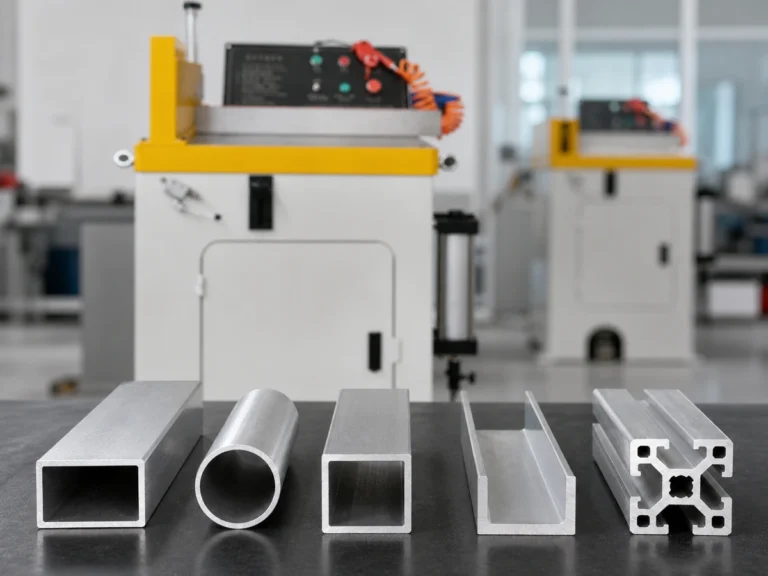
Your purchased-part drawing and incoming-stock description answer different questions. Keep both available so the supplier can see what enters the workshop and what the cut member must become.
What does your supplier deliver today?
Describe your current delivery and the work you want your own saw to handle. Use that comparison to begin the equipment discussion.
Change 2: the in-house aluminum cutting work
Describe a normal order, including its part mix and end shapes. Then ask who prepares the part information, handles the stock, checks the cut members and moves them onward in the proposed workflow.
Jiurun’s brochure describes automatic feeding and clamping for the JR-455CNC. Discuss those features as part of the quoted configuration, together with the work the operator still performs around the cutting cycle.
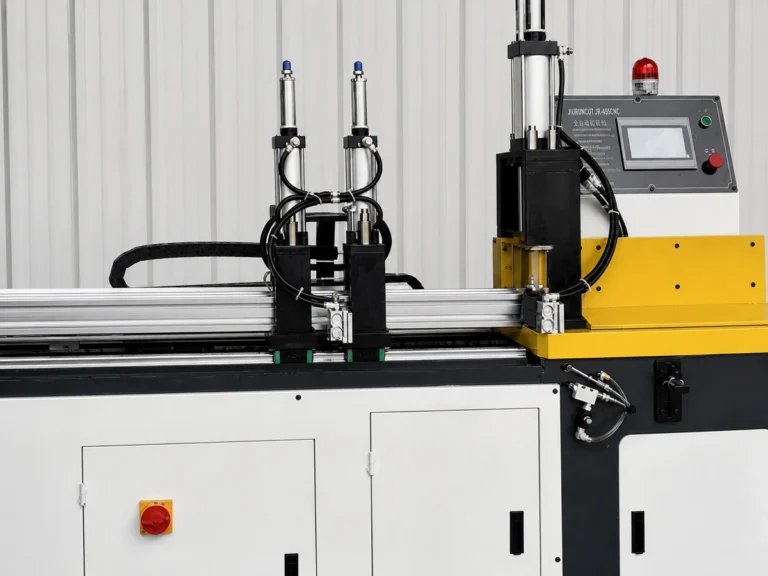
A short machine demonstration shows one part of the job. Ask the supplier to explain the proposed workflow for the parts you regularly order, including changes between different members.
If your work mixes straight and angled ends, identify both in the inquiry. Our one-workstation or separate-saws guide discusses how that work mix can shape the equipment conversation.
Show the job you want to take over
Share a typical supplied part or member list, the incoming stock and the finished ends. Explain which work you want included in the saw proposal.
Change 3: what leaves the cutting area
Compare the delivered parts you buy today with the output you expect from your own cutting area. Identify any length checks, part identification, grouping or later operations that the current delivery already includes.
A simple example: a supplied frame-member set
Imagine that a workshop currently receives the loose members for each frame together. If it starts buying long profiles instead, cutting those members is one task. Keeping the right pieces identified for each frame is another responsibility to explain.
If the current parts also include holes, slots, finishing or assembly, list that work separately. Decide which operations stay with another supplier and which belong in the new equipment discussion.
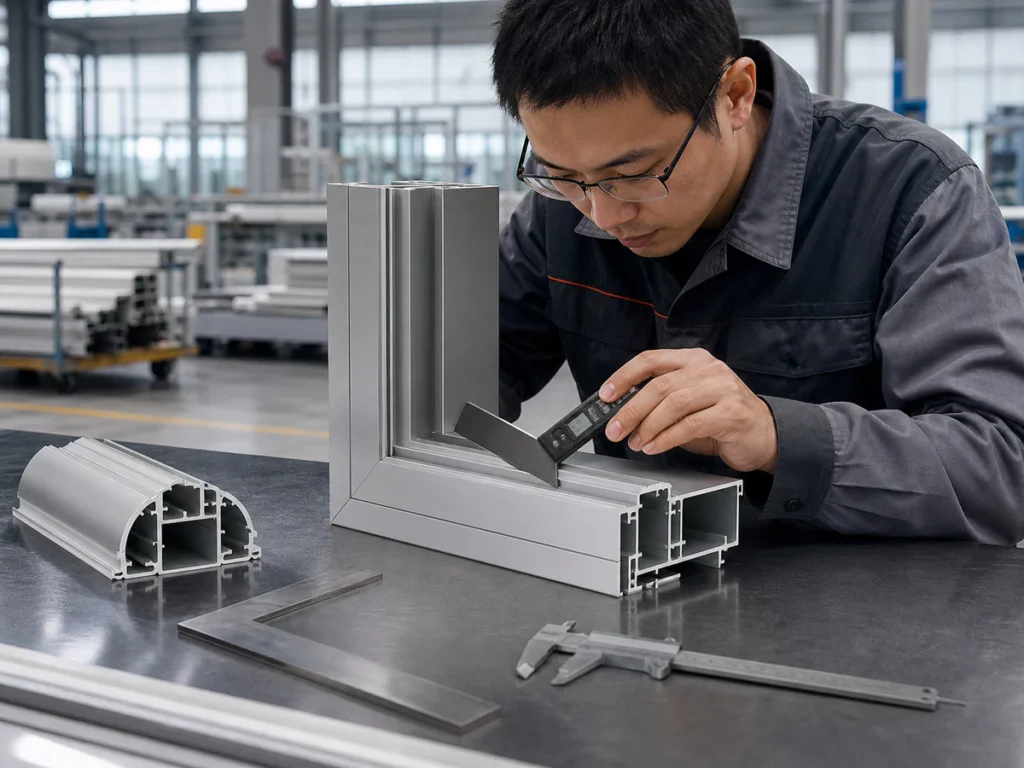
The Aluminum Extruders Council’s fabrication overview describes cutting as part of a broader process that can include machining and assembly. Keep those later requirements visible when defining the job you are bringing in-house.
Watch: Jiurun JR-455CNC machine reference
Use this machine reference when discussing the proposed cutting cycle and your normal orders.
Discuss the whole cutting job with Jiurun
Explain your current supplied parts and the responsibilities you want to take over. Ask for the proposed equipment, included scope and remaining workshop work to be clear.
Machine context: Jiurun brochure, physical PDF page 7, through Catalog & Downloads. Equipment functions and operator responsibilities must be explained for the actual parts and quoted configuration.