
Hydrofoil aluminum mast cutting is an OEM blank-making question, not a promise that a saw can deliver a finished, ride-ready mast. A foil system can include a mast, board pedestal or base, fuselage adapter, fasteners, finishing, and internal sealing. The saw quotation should name the approved straight aluminum stock and the exact handoff point before anyone compares machines or cut-part prices.
This guide is for foil brands, extrusion suppliers, and contract manufacturers planning a repeatable cut-blank trial. It separates the length and cut-face checks a saw can demonstrate from the assembly and on-water validation that remain with the product owner.
First decide what the purchased item actually is
A catalog mast length is not automatically the saw setting. For example, Slingshot lists several assembled Phantasm aluminum mast lengths and separately lists the pedestal, fuse adapter and hardware in the package. Its One-Lock product page also identifies the mast, protective cover, mounting kit and connection features. These are examples of product architecture, not JiurunCut specifications or proof that any catalog length equals a raw extrusion blank.
Ask the OEM to mark one of three supply boundaries on the drawing: (1) an unprocessed stock length; (2) a straight saw-cut blank delivered for subsequent machining and finishing; or (3) a finished mast assembly. A saw trial addresses boundary two only when the approved stock section, material condition and cut faces are available. Machined interfaces, inserts, sealing, fastener fit and structural approval need separate ownership.
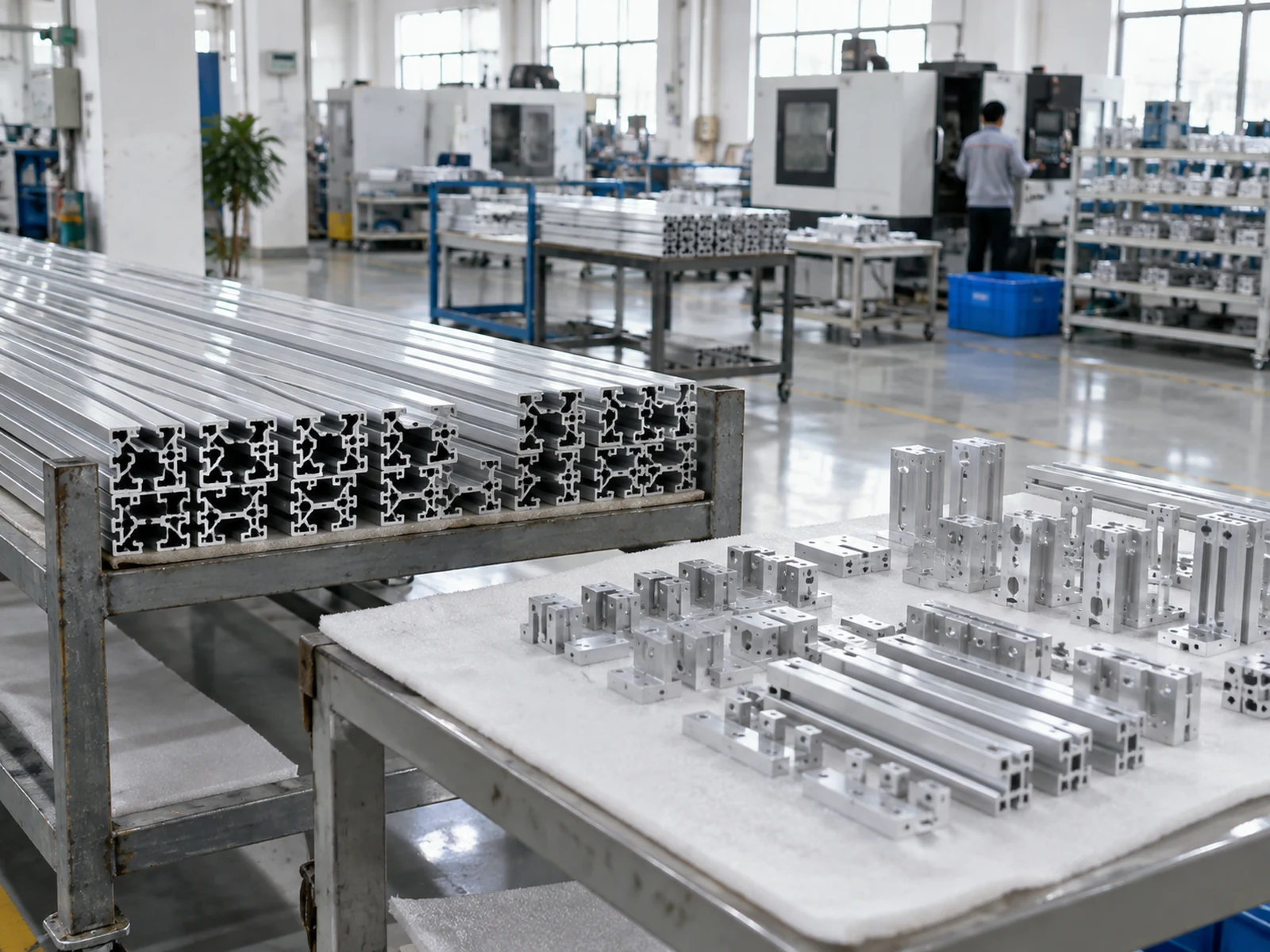
Release the section, then the cut length
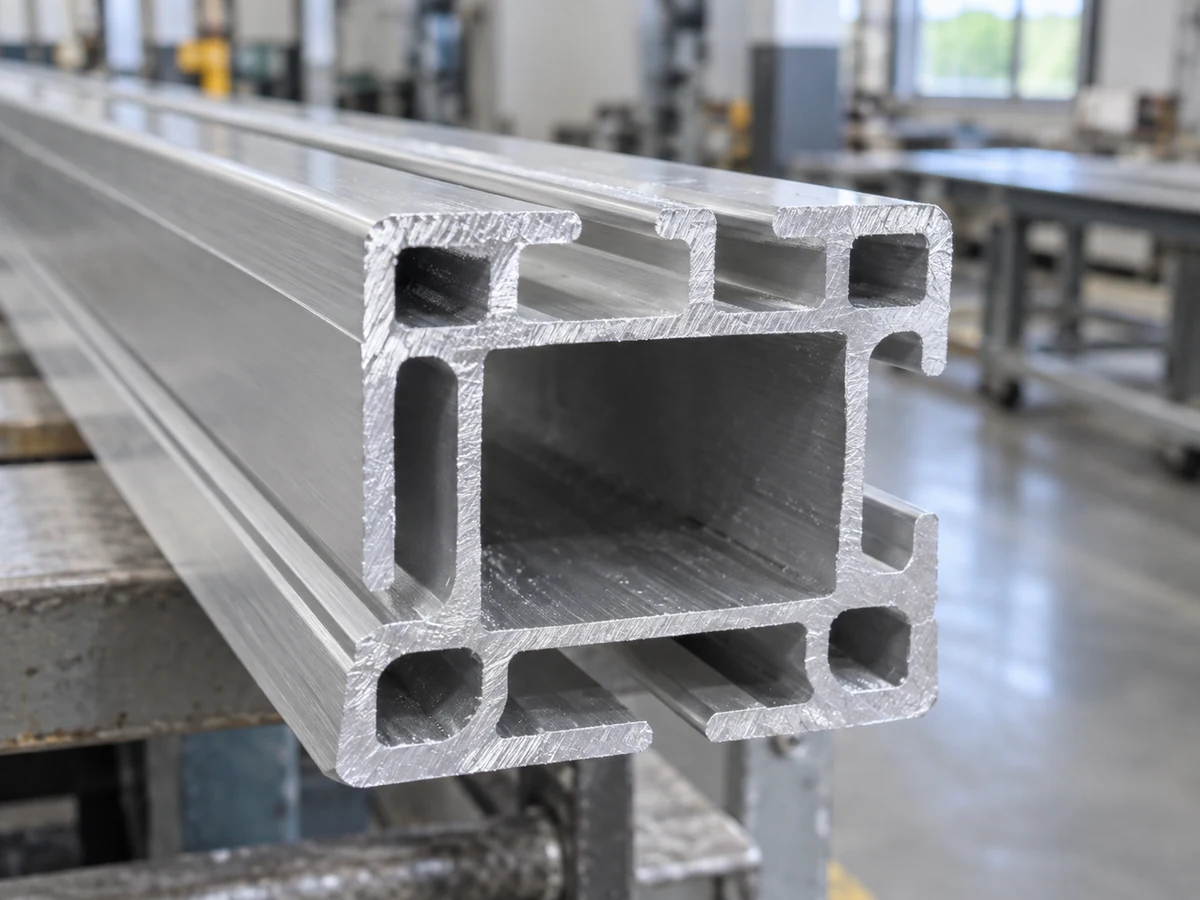
Hydrofoil masts can have purpose-designed cross-sections and connection systems. The AXIS product brochure describes mast-to-base and mast-to-fuselage interfaces and an internally sealed mast. Those product details show why an OEM drawing must control the actual section and downstream operations. They do not establish that a generic rectangular or T-slot extrusion is an interchangeable mast.
For the saw supplier, provide a controlled profile drawing, alloy and temper designation, stock length, allowable bow or twist if specified by the OEM, surface condition, and approved datum faces. Mark which end is the board end and which is the fuselage end. If either end will receive machining or an adapter, specify the machining allowance and state whether the saw-cut face is a reference, a temporary stock face, or a final accepted face. Do not infer these from a product page or a photo.
Separate four dimensions that can be confused
- Advertised mast length: the finished product measure used by the brand; confirm its endpoints and assembly state.
- Extrusion stock length: the incoming bar or profile length available for feeding, trimming and nesting.
- Saw-cut blank length: the length after the saw pass, with its drawing tolerance and measurement temperature or condition if controlled.
- Finished assembly dimension: the dimension after end machining, joining, finishing and inspection.
The OEM should issue a dimensioned route or a worked example for each size. The saw vendor can then quote the cut list, kerf and trim allowance, expected tail, and output at the agreed blank stage. A claim that the saw produces a 72 cm retail mast, for example, would be unsound unless the OEM has defined that dimension as the saw-cut blank length.
Design a safe, representative saw trial

For hydrofoil aluminum mast cutting, start with released stock supplied or approved by the OEM. Record the section orientation in the support and clamp, the protected faces, and the chosen reference end. Check that the profile can be supported through the infeed, cutting and outfeed path without uncontrolled rotation, crushing, or finish contact. The equipment maker must review the actual section and the machine’s guarded working range before recommending a configuration.
Make the trial answer a purchasing decision: can the proposed machine repeatedly produce the agreed straight blank while maintaining the specified reference and acceptable cut face? Take first-off and end-of-run samples from the same stock lot; include the shortest and longest proposed blank if both fit the reviewed setup. Record measurement method, burr criteria, visible-surface marks, stock loss and any adjustment or reject. Do not claim an accuracy figure from a different profile, blade, fixture or machine.
What the video demonstrates
The Jiurun Machinery channel video below shows an aluminum profile being fed and cut within a guarded saw setup. It is a general equipment/process view. It does not show a hydrofoil mast section, the proposed clamp, a production trial, finished assembly or performance validation.
Keep the downstream approval with the mast OEM
A clean saw cut cannot establish connection strength, fatigue life, corrosion resistance, water sealing or ride safety. The product owner must define machining, finishing and assembly steps and approve their own fit and qualification tests. If the mast design uses a bonded, bolted or inserted component, the drawing must identify who prepares the end and who verifies the joint. Do not turn a saw sample into a claim about those later steps.
For hydrofoil aluminum mast cutting procurement, request two separate acceptance records: a saw blank record with section, lot, orientation, length, cut-face and damage checks; and an OEM completion record for the finished mast’s interfaces, finish, sealing and product tests. This split makes rework responsibility visible and stops a low blank price from hiding assembly work.
RFQ checklist for hydrofoil aluminum mast cutting
- Attach the released extrusion section and finished mast drawings with revision numbers.
- Identify stock alloy and temper, supplier lot, surface condition and incoming length.
- State the saw-cut blank length for each variant, its datum, tolerance and any later machining allowance.
- Show board-end and fuselage-end orientation, and name all protected faces.
- Specify sample quantity, first-off and repeat checks, and who accepts the cut-face condition.
- Ask for a machine proposal based on the actual section, support, clamp, blade, guarded travel and planned batch mix.
- Keep adapter machining, sealing, assembly and structural testing outside the saw acceptance unless separately contracted and evidenced.
Next step: send JiurunCut the approved profile section and cut-blank schedule. Include the intended handoff stage, stock lengths, quantity range and sample acceptance plan. The engineering team can review a suitable saw-trial direction for those inputs; no machine model or hydrofoil capability is implied by this article.