
Yes, a hydraulic aluminum saw can have different methods for different functions. Hydraulic cutting feed describes the cutting movement; pneumatic clamping describes how the stock is held. Electrical control is another description, explaining how a function is commanded. Read those fields separately when discussing the proposed machine with Jiurun.
Clamping, cutting feed and control answer different questions
Clamping holds the material. In this cutting-feed context, the cutting unit moves through the cut. The control method explains how a function receives its command. One label does not replace the descriptions of the other functions.
The National Fluid Power Association explains that hydraulics uses a liquid, while pneumatics uses a gas, commonly compressed air. It also notes that different power-transmission technologies are often combined in one application.
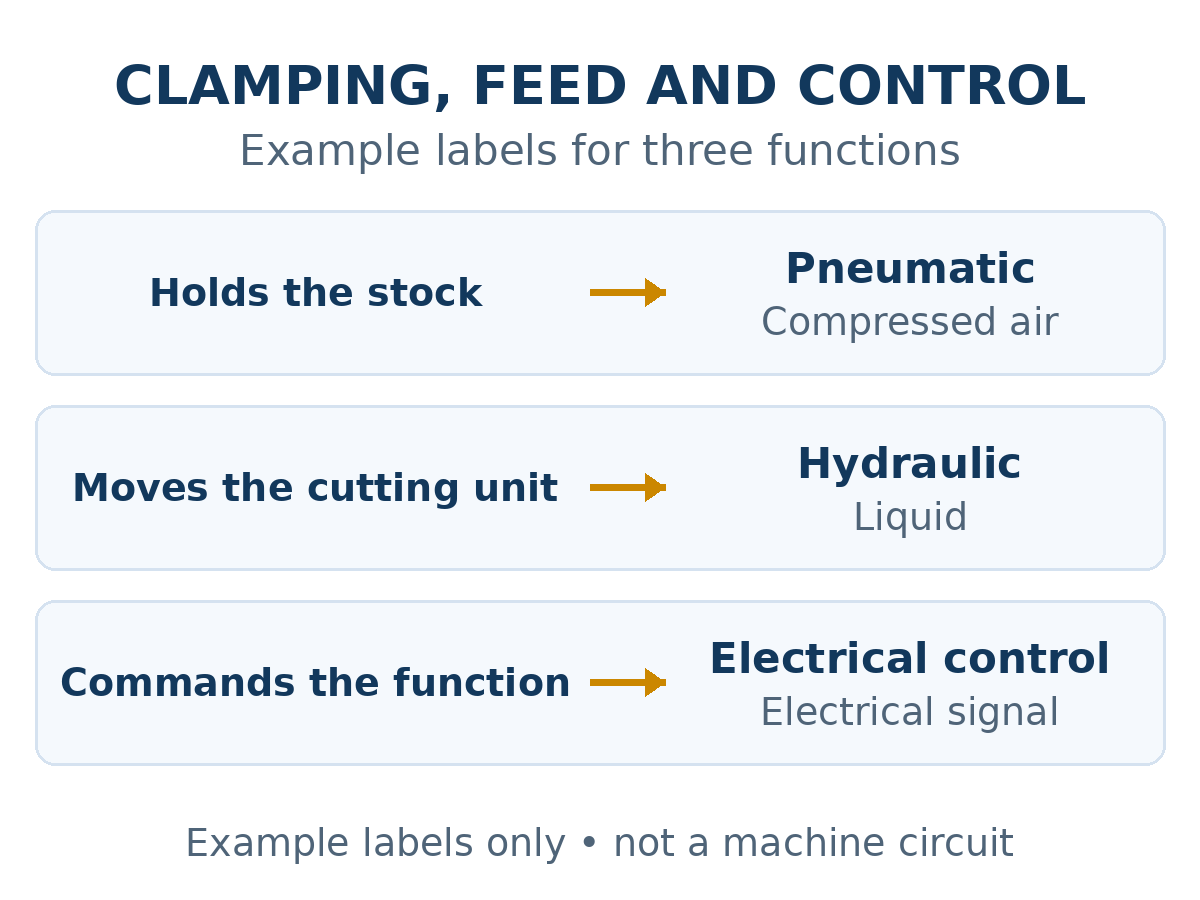
For example, a quote could describe pneumatic stock clamping, hydraulic cutting feed and electrical control. Those lines concern separate roles. Keep the function name beside each method so the proposal explains what the label applies to.
Which function does each label describe?
Share the proposed machine and your actual cutting work. Ask for the feed, clamping and control methods to be identified separately.
A concrete example from Jiurun’s brochure
The JR-455Y description in Jiurun’s brochure identifies electrical control of the clamping device and hydraulic control of the cutting process. The brochure presents them as separate descriptions of the same machine example.
Its parameter table also uses distinct fields for feed method and material pressing method. Read those function headings along with the machine configuration being quoted.
The JR-455Q brochure example also describes a foot-pedal command starting clamping, oil spray and cutting. The command input and the functions it starts are separate parts of that description.
Does cutting oil spray mean the feed is hydraulic?
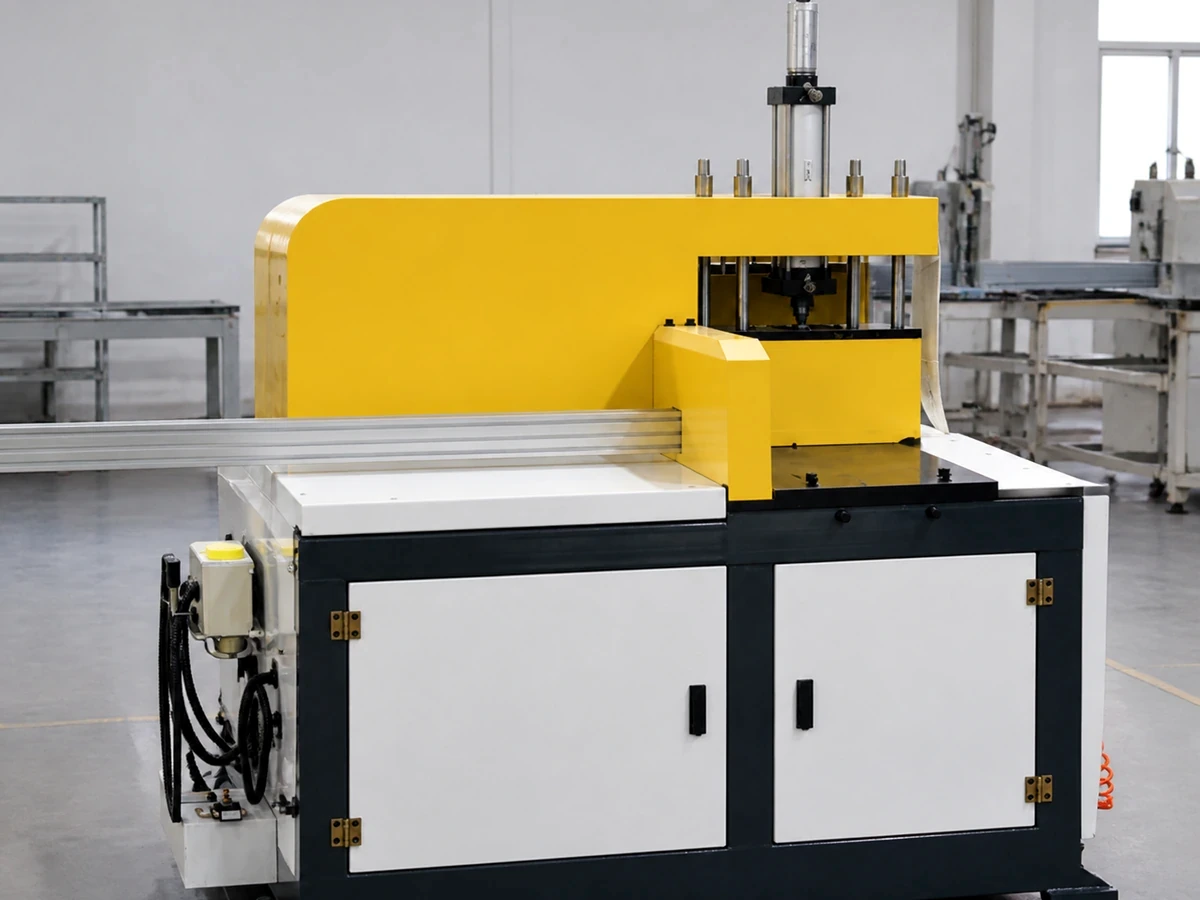
Oil spray for cutting and hydraulic power for movement describe different jobs. Jiurun’s JR-455Q brochure example describes oil mist during cutting for cooling and lubrication. The JR-455Y example separately describes a hydraulic cutting process.
The word “oil” in a cutting-lubrication description therefore does not identify the feed method. Keep lubrication and motion descriptions separate when reading the machine proposal.
Show the functions and the parts together
Include the profile, required ends and normal orders. Ask which cutting-feed, clamping, control and lubrication functions are included.
Keep material feeding and required supplies clear too
Cutting feed and stock feeding are different descriptions. A hydraulic cutting-feed label alone does not explain who positions the material for its next cut. Keep that part of the proposed workflow visible.
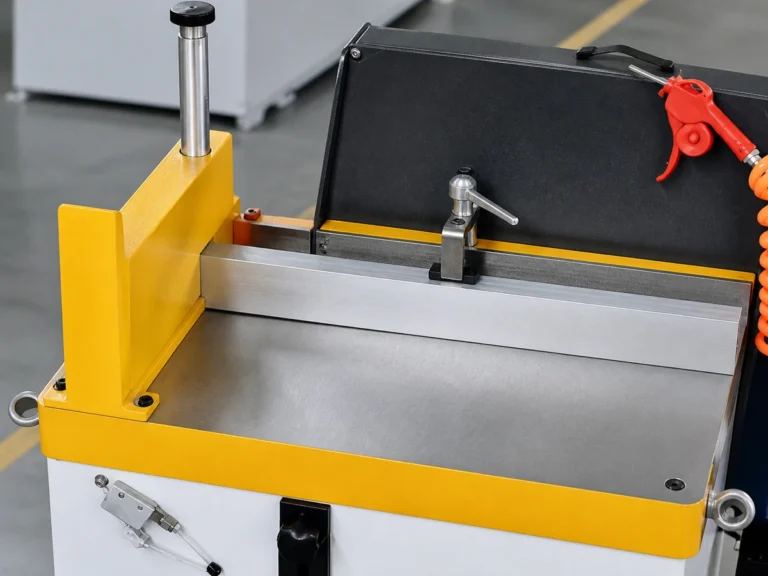
Similarly, one working-method label does not provide a complete workshop-supply list. Ask for the required electrical, air and hydraulic-related provisions to be clear for the quoted configuration, together with what the machine package includes.
Keep those requirements with the machine proposal and your normal part information. That gives the buying discussion a clear connection between the specified functions, incoming material and finished members.
Watch: Jiurun JR-455Y machine reference
Use this machine reference when discussing the proposed semi-automatic cutting workflow.
Discuss the complete semi-automatic saw proposal
Share your actual material and normal orders. Ask for the cutting movement, stock handling, clamping, controls and included equipment to be clear.
Machine context: Jiurun brochure, physical PDF page 6, through Catalog & Downloads. Actual functions, required supplies and included equipment must be confirmed for the quoted configuration.