
Duct access door frame cutting begins with an approved extrusion and a defined supply boundary. A duct access door is an assembly, not simply four lengths of aluminum. A cutting quote can cover an approved extruded frame blank while the door panel, gasket, hinge, latch and duct interface remain with the door manufacturer or system owner. The useful purchasing question is therefore specific: which frame members are released for saw cutting, and what evidence will show that the cut ends fit the approved assembly?
There is no universal aluminum duct-door frame. Pottorff’s OAD product description gives a concrete example with an extruded aluminum flanged frame, separate insulated door panel, hinge, gasket and latches. By contrast, a Greenheck duct access door submittal describes a galvanized steel frame and a different installation arrangement. These are examples of system-specific designs, not specifications for a Jiurun machine or a buyer’s project. Obtain the released drawing and approved bill of materials before asking anyone to quote aluminum frame cuts.
1. Identify the supply unit before measuring a frame
Ask whether the supplier is providing a complete tested or approved door, finished frame members, or straight saw-cut blanks. Those are different purchase orders. A complete door supplier owns the panel, gasket, hardware, opening and assembled fit to its approved design. A cut-blank supplier normally owns only the material identity, approved profile, cut length, end form and agreed inspection of the pieces it delivers. If the request says only “access door frame,” the two parties can price different work and both believe they have answered correctly.
Record the door model or drawing revision, the number of openings, the approved frame profile identifier and the party that will assemble and install each kit. If a replacement is being ordered, obtain the original part drawing rather than sizing a new extrusion from a photo of the installed door.
2. Release the extrusion cross section, flange and seal interface
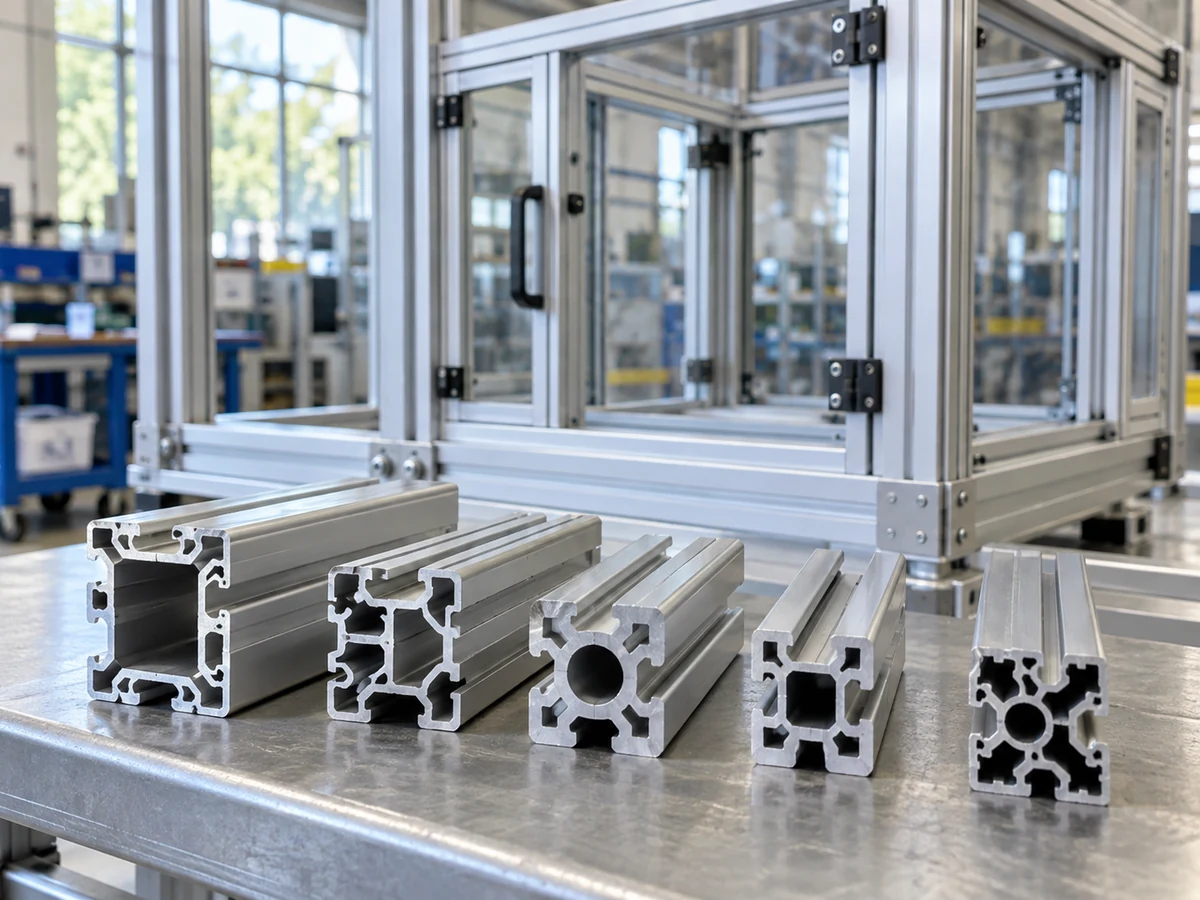
A frame’s outside width is not enough to select stock. The flange, wall, channel, gasket seat and hardware interfaces may all affect which side of an extrusion becomes the cut-length datum. The saw vendor should receive a section drawing or a clearly identified approved physical sample. Mark the face that contacts the duct and the face that receives the door. State whether the extrusion arrives mill finish or finished, and who supplies any gasket or corner connector.
Do not infer that a channel visible on an unrelated frame photo is suitable for a particular gasket. Ask the door designer to release the exact section, gasket path and interface before cutting a batch.
3. Duct access door frame cutting: choose the opening datum
An opening callout, nominal door size, assembled frame outside dimension and individual member length are not interchangeable. The flange may cover an opening while the door sits inside another reference; an installation template can define an opening that differs from the saw-cut member length. Ask for a dimensioned assembly drawing with the datum, corner detail and tolerance owner identified. Then have the designer issue a member-level cut list for each side.
For each member, the list should show the approved profile, quantity, length reference, end geometry, left/right identity if applicable and drawing revision. Do not convert an outside frame dimension to four saw lengths by subtracting an assumed corner allowance. A first-off assembled check is much cheaper than discovering at installation that the cut list used the wrong reference.
4. Distinguish straight blanks from finished corner members
Some frame designs use square-cut lengths and connectors. Others need a miter, a factory notch, a formed corner or a separate fabricated part. The saw quote should name only the geometry the selected equipment and agreed process will make. If the design calls for hinge pockets, latch strikes, drainage, screw holes or a gasket cut, put those features on a separate operation and assign an owner. A circular saw cut does not silently include those details.
Ask for one representative long member, one short member and one corner pair at first-off. Check which face is protected by the clamp, whether the finished face is marked, and whether left and right pieces remain distinguishable after cutting. Where the frame is handed, the cut list should carry handed part numbers rather than rely on a workshop operator to guess orientation.
5. Specify end quality without inventing a universal tolerance
Write the end criteria against the approved drawing and assembly need: cut length measured from the named datum, end squareness or angle, burr condition on the gasket and assembly faces, and visible damage on the flange or finished surface. Avoid asking for an arbitrary “precision cut” without an inspection method. A burr on a hidden edge and a burr across a gasket seat do not have the same consequence. If deburring is included, define the allowed edge break so it does not remove a locating lip.
For finished stock, ask how the saw will support and clamp the extrusion without marking the visible face. For raw stock, identify the later finishing stage and whether the finish supplier needs extra handling protection. Do not transfer an installed sealing or pressure claim to a cut blank merely because its end measures correctly.
6. Keep door performance and site installation with their owners
The door designer or OEM must approve the panel, insulation, hinges, latches, gasket, opening treatment and installed performance. A saw trial can show whether representative frame members can be cut and inspected to an agreed drawing. It cannot establish that the complete door seals, carries a pressure rating or passes a site acceptance test. Make the handoff explicit in the RFQ: who provides the tested or approved door design, who manufactures the frame members, who assembles the door, and who verifies the final installation.
This distinction also prevents substitution. An aluminum frame example from one manufacturer does not authorize swapping an aluminum extrusion into a galvanized steel door system. If a buyer wants a material or profile change, send it back through the door designer’s approval route before quoting production lengths.
Video: Jiurun equipment footage shows a related aluminum cutting process. It is not a duct access door trial, an approved model configuration, a customer job or evidence of sealing or pressure performance.
7. Approve a first-off kit and a traceable delivery
Before a production batch, assemble a first-off kit from the actual approved extrusion and cut list. Verify the member count and orientation, the outside and clear-opening references used by the designer, the corner fit, door swing clearance, gasket-seat continuity and protected surfaces. Record any mismatch by part number and drawing revision. The OEM or assembler should decide whether a changed member is accepted; a saw supplier should not unilaterally alter the released design to make it fit.
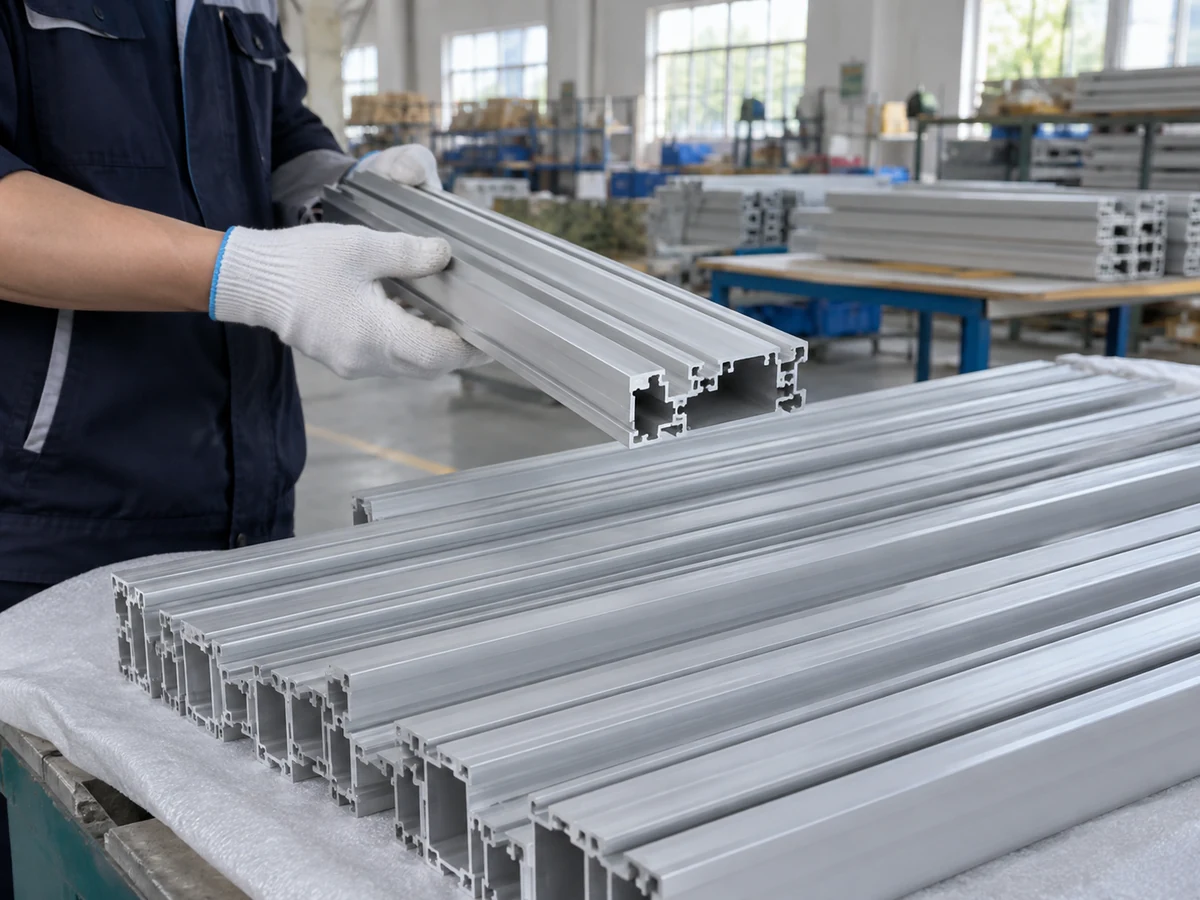
Pack long and short members so cut ends and sealing faces cannot abrade each other. Label each bundle with the approved profile, part number, revision, quantity, handedness and lot or order reference agreed with the buyer. Include a simple inspection record that states the measured characteristic and its datum. A photo of a sample bundle is a useful visual check, but it is not a substitute for the buyer’s actual first-off record.
A concise RFQ packet
Send the released door assembly drawing and revision; approved extrusion section and material/finish; member-level cut list with datums, quantities and end forms; a labeled sample or first-off kit; burr, surface and length inspection criteria; and the named owners of machining, gasket, hardware, assembly and installation. State whether the request is for cut blanks or a complete door. If any of those decisions is open, price and schedule should remain conditional on the designer’s release.
For broader equipment selection, see our AHU casing supply-route guide. If your door is handed on a service side, the service-side frame kit guide explains why mirrored member orders need an explicit check.
Questions buyers often ask
Can a saw supplier quote from the nominal access-door size?
Only as a provisional budget discussion. The final member quote needs the released extrusion, member dimensions and corner construction. Nominal opening size alone cannot establish the cut length.
Does a clean first-off cut prove that the complete door seals?
No. It supports the agreed cut-member checks. The door designer and assembler must validate the gasket, panel, hardware and installed interface to the applicable approved design.
What should go into the first sample order?
Include at least one representative member of each distinct length and end form, plus a corner pair or full frame kit if assembly fit is the main risk. Agree the inspection record and acceptance owner before the sample is cut.
Need a cutting quote? Send Jiurun the released extrusion drawing, cut list and first-off acceptance criteria. We can discuss the saw-cut blank scope without presenting a frame sample as an approved duct-door system.