
Greenhouse bench perimeter rails are easy to mistake for a single cut-length order. A fixed bench, a rolling-top bench, and a flood table can share a similar outline while asking for different rail ends, support locations, and handoff points. If the saw shop receives only an overall bench size, it may cut straight members that fit neither the corner hardware nor the tray or mesh assembly. The useful request is a cut-blank schedule tied to the chosen bench design.
This guide is for buyers and fabricators who already have a bench drawing or sample and need to specify aluminum rail cutting. It does not supply a universal bench design, load rating, or a recommended saw setting. A saw supplier should evaluate the actual profile and acceptance method before quoting a production process.
Define the bench system before defining the cut list
A perimeter rail can retain mesh, a tray, or a tabletop while its legs, cross members, rolling mechanism, and corner pieces may be different materials or separate purchases. For example, Prospiant describes a bench system with a specially designed aluminum perimeter rail and Nexsteel tubing, offered with stationary or rolling tops. GGS’s greenhouse brochure describes rolling and stationary benches with all-aluminum bench-top construction. These are examples of system architectures, not specifications for a JiurunCut machine or for a reader’s project.
Begin the RFQ with the bench manufacturer or fabricator’s approved drawing. State whether the purchase is for cut aluminum rail blanks only, finished rails with secondary operations, or complete frame assemblies. List the parts supplied elsewhere: mesh or tray, legs, steel subframe, corners, fasteners, wheels, and roller hardware. Without that boundary, a quote for saw-cut lengths can be misread as a quote for install-ready benches.
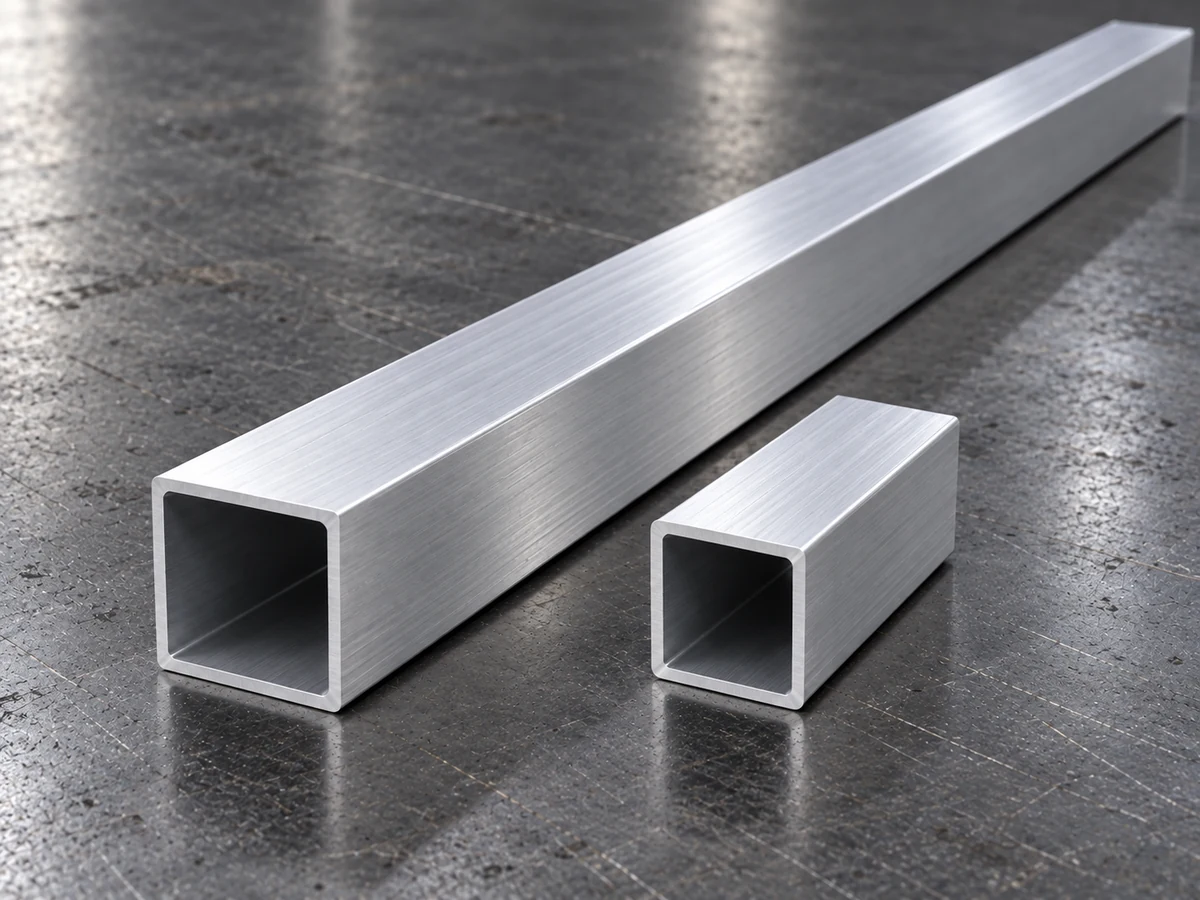
Send a rail schedule that can be checked at receiving
Use one line per distinct member. Identify the drawing revision, part mark, quantity, profile reference or cross-section drawing, alloy and temper if controlled by the design, finish state, cut length, and length tolerance. Add which face is the visible or datum face, how the member is oriented in the frame, and whether its end is square, mitered, or left for a later operation. If the rail has a lip or channel that retains a top, mark its direction on the section drawing. “Same rail, different end” is still a separate line item when it affects cutting or inspection.
Clarify the datum used for length. A nominal outer bench dimension is not automatically the saw-cut length: corner blocks, joining plates, end caps, and miter geometry can change the blank requirement. For a miter, show the included angle, measurement side, and left/right hand. For a square end, define whether length is measured over burrs, after deburring, or after coating. The drawing owner should resolve those details before the cutting trial.
A practical schedule also records the downstream decision: will the fabricator drill, punch, mill, or assemble the rail after sawing? If a later operation trims the end, the saw blank may intentionally retain stock allowance. If the cut end is the final assembly datum, length, squareness, burr condition, and profile deformation need explicit acceptance limits. Do not ask the saw vendor to infer a final tolerance from an overall bench dimension.
Check profile holding and long-member support
Perimeter profiles may be open, hollow, or asymmetric. Their lips and thin walls can respond differently to clamping, and a long rail may shift if its feed support is poor. Supply a real profile sample, its section drawing, and the longest and shortest required blanks for a representative trial. Ask the saw supplier to show how the chosen datum face is located, how the section is supported near the blade, and how the remaining stock is handled after a short part is cut.
The trial should measure parts after release from the fixture, because clamping can conceal distortion. Check cut-end shape, burr, visible surface marking, and repeat length across the first and later parts. If the rail receives a tray or mesh retainer, the fabricator should test that connection with cut samples; visual straightness alone is not proof of fit.

Separate fixed-top and rolling-top acceptance
A fixed-top order may place more emphasis on corner fit, top retention, and leg attachment. A rolling-top order must also preserve the approved relationship between the top frame and its roller or guide system. The saw shop should not assume the same rail schedule serves both versions. Obtain the actual drawing set and confirm whether the rolling mechanism attaches to the aluminum rail, to another member, or to a preassembled frame.
Where the bench top is supplied in modules, record the module lengths and any splice rail separately. If multiple benches share a width but have different lengths, group identical profile cuts by part mark while keeping assembly kits segregated. This reduces the chance that a correctly cut rail goes to the wrong bench bay. Agree in advance whether bundles are labeled by bench, by part mark, or by stock batch, and who checks the count at receiving.
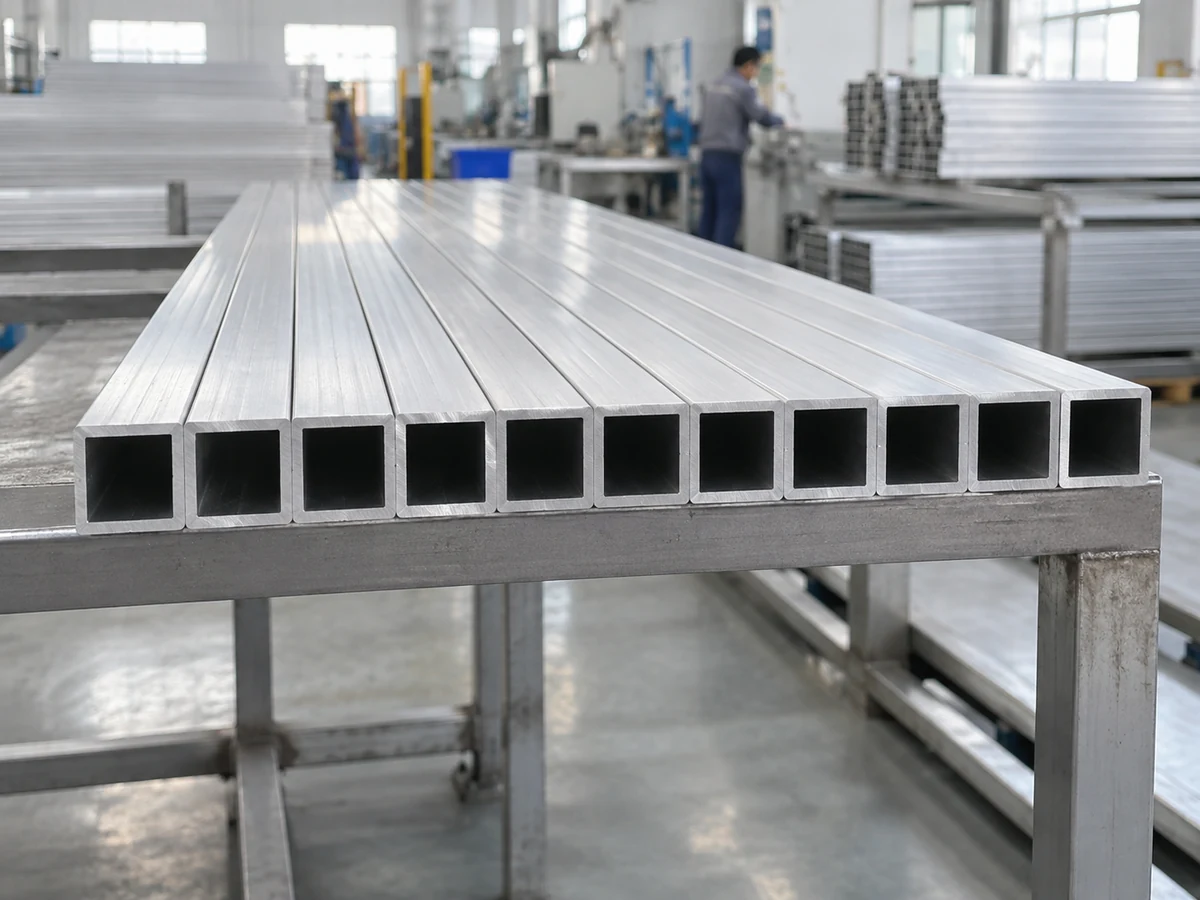
Approve the saw-cut blank, then release the batch
For greenhouse bench perimeter rails, request a small representative sample across the rail family: longest perimeter piece, shortest piece, any hand-specific miter, and the profile most likely to mark or distort in the clamp. Inspect against the drawing and try the parts in the intended corner or top-retention hardware. Record the inspection method and the approved revision. If a change to the bench design moves a leg bracket or changes a corner fitting, revisit the cut schedule rather than silently carrying over the earlier blank lengths.
For greenhouse bench perimeter rails, a production handoff can be simple: a revision-controlled drawing, cut list, sample approval record, allowed surface condition, packaging rule, and a named person who accepts the first batch. Ask for traceability only to the level the buying process needs; a clear label and quantity check may matter more than an elaborate report that nobody uses.
Greenhouse bench perimeter rails: seven RFQ checks
- Bench type: stationary, rolling top, flood table, or another defined system, with the assembly drawing owner.
- Purchase boundary: straight cut blanks, finished rails, or assembled frames.
- Profile drawing, material and finish state, part marks, quantities, and batch split.
- Cut length datum, tolerance, end angle and hand, burr and visible-face criteria.
- Corner, tray or mesh retention, leg and roller interfaces that affect the rail blank.
- Representative trial pieces and the downstream fit check that will approve them.
- Bundling, labels, handling protection, and receiving responsibility.
The video below shows a JiurunCut saw in a general aluminum-cutting equipment demonstration. It does not show a greenhouse bench rail, the profile pictured above, a customer job, a particular approved configuration, or measured performance for this application.
If you are comparing a saw process for these rail blanks, send the section drawing, cut list, and sample acceptance method to JiurunCut’s contact team. For the separate question of roof and sidewall components, see the greenhouse manufacturing saw guide; those components should not be merged into a bench-rail RFQ without a common drawing and supply boundary.