
For golf cart canopy support tube cutting, define the supplied metal member before selecting a saw. A golf cart canopy can be sold as a roof kit, a set of replacement supports, or a collection of unfinished members. Those are different purchasing units. A saw quotation applies only to a released straight metal blank that the buyer has identified for cutting. The installed roof dimensions, a support part number, and a saw cut length cannot be treated as interchangeable.
OEM parts diagrams make this distinction visible. Yamaha’s golf-car sun-roof parts lists show supports, roof parts and hardware as separate items. They do not tell a saw supplier the raw support material, cross-section, or blank length. Before asking for a cutting cycle, the buyer needs to identify exactly which member is supplied as straight stock, and who owns subsequent bending, drilling, joining, coating and vehicle fit approval.
Start with the supplied part, not the roof size
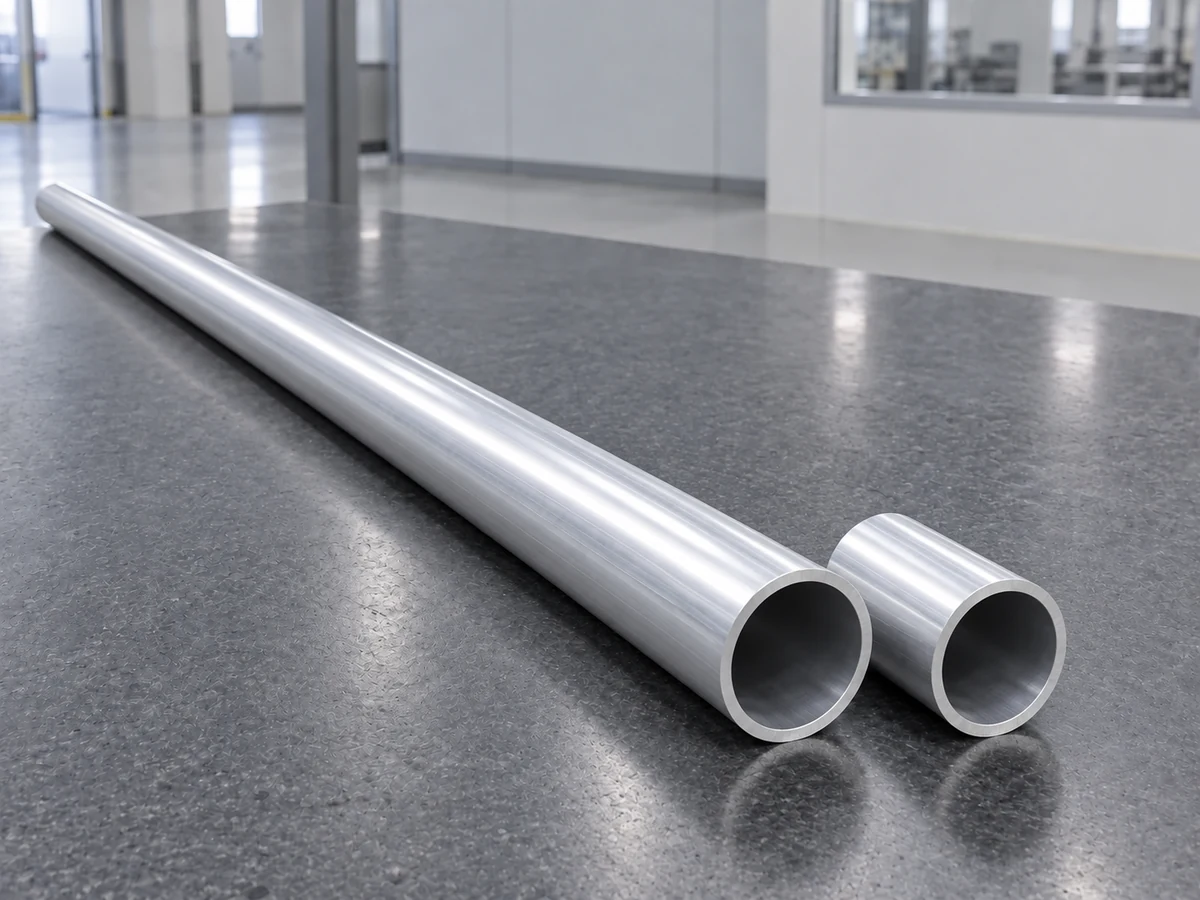
Ask whether the RFQ is for a complete fitted canopy, a replacement support, a pre-cut support blank, or only cutting equipment. If the support is purchased as a finished OEM part, an aluminum saw may have no role in that order. If the buyer has an approved straight aluminum tube or profile to cut, the drawing should give its actual section, alloy and temper, wall thickness, stock length, cut length, end geometry, tolerance and finish condition. Do not reverse-engineer a blank length from the canopy’s outside dimensions.
Separate front and rear supports in the cut list
A roof assembly may use support pieces with different positions and interfaces. List each released member separately: front or rear, left or right where applicable, drawing revision, quantity per cart, cut length, tolerance, required end condition and downstream operation. A shared name such as “roof support” is not enough to combine lengths or to assume mirrored parts are identical. OEM service parts vary by vehicle model and year, so match any replacement-part reference to the actual vehicle before using it as a procurement input.
If a support is bent, a drawing must state whether the saw cuts the stock before bending or trims it afterward. For a pre-bend blank, the bend allowance and finished endpoint belong to the buyer’s approved process plan. For a post-bend trim, straight-stock feeding and clamping assumptions no longer apply. The saw RFQ should state the workpiece state at the cut, rather than quietly treating a formed support as a straight tube.
Golf cart canopy support tube cutting: Define the handoff
For an approved straight blank, specify whether the end is a square saw face or a released angled face, which end is the measurement datum, and how burrs, sharp edges and marking are checked. A cut face that will later receive a fastener, sleeve, bend or cosmetic finish may have different handling needs. Those later features are separate operations unless the supplier has expressly agreed to deliver them. Do not use a saw-only quote as a promise of final joint fit, roof strength or weather resistance.
Surface protection also belongs in the RFQ. State whether stock arrives mill finish, coated or wrapped, and whether the cut blank must be segregated by part number or finish direction. Require a first-off check against the released drawing and a documented reaction to mixed lengths or damaged surfaces. For a roof-support application, the vehicle assembler or design authority should retain final fit and safety acceptance.
Ask the machine supplier about the actual straight stock
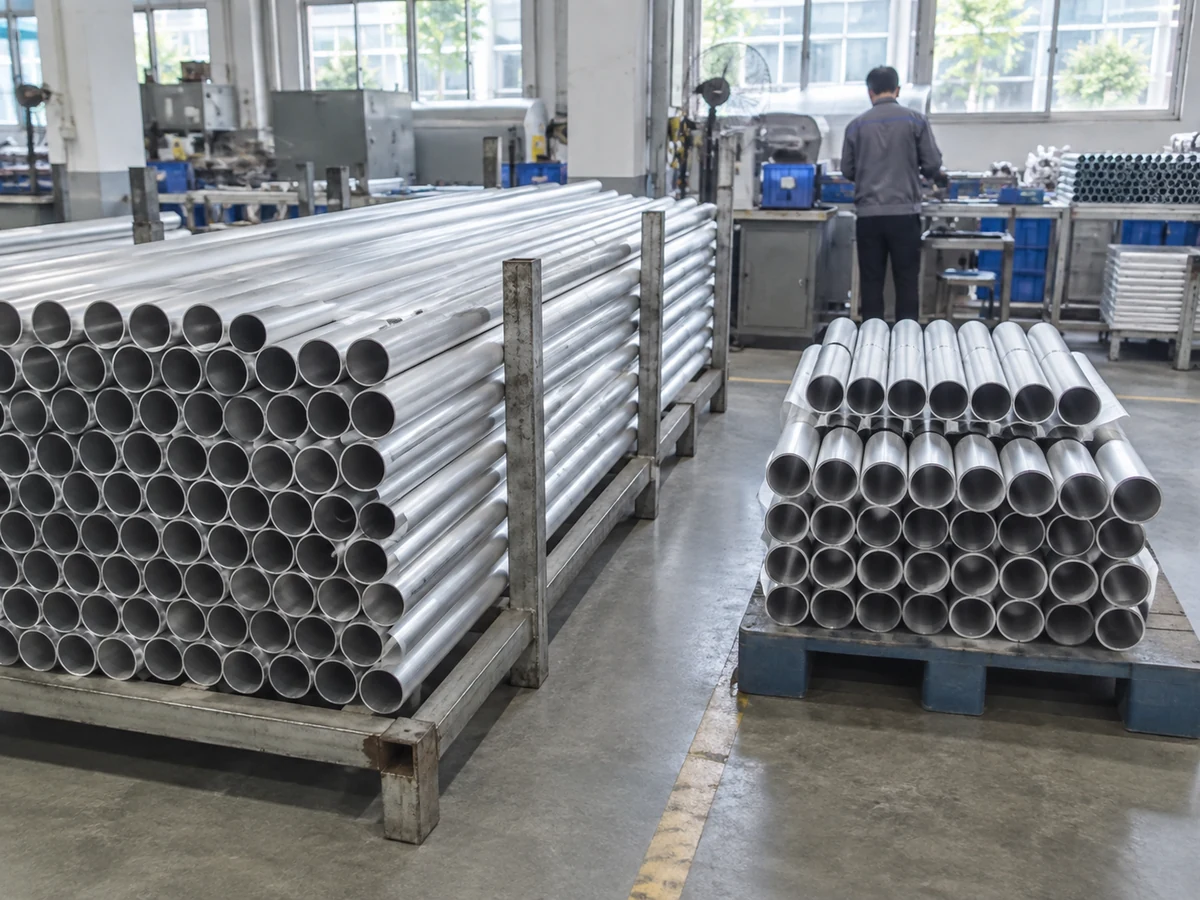
For golf cart canopy support tube cutting, the practical saw discussion starts with a sample of the approved section and a dimensioned cut list. Review how that stock will be supported before and after the cut, where the clamp contacts the profile, whether the blade and guarding suit the material, and how the operator checks the first piece. Long, thin-walled or easily marked stock deserves an explicit handling review. A catalog photograph or generic demonstration cannot establish that a particular canopy support will cut within tolerance.

The following Jiurun Machinery video is a general aluminum saw equipment view. It does not show a golf cart canopy support, the buyer’s released section, a specific configuration, or tested performance for this application.
Send a usable RFQ package
- Identify vehicle make, model and year only for part-compatibility context; attach the approved support drawing and revision.
- Mark each member’s position, material, section, wall, stock state, blank length, tolerance and quantity.
- State whether cutting is before or after bending and who performs drilling, joining, finishing and assembly.
- Define cut-face acceptance, surface handling, first-off inspection and batch identification.
- Ask for a sample-based equipment review before accepting any application-specific accuracy or throughput claim.
For context on Jiurun’s industrial nonferrous circular-saw equipment, see the product range. If you already have a released straight metal support blank and want to discuss its cut list, send Jiurun the drawing and stock details. Keep the roof-kit and vehicle-fit approval with the responsible design team.
Source note: Yamaha’s 2-seater sun-roof parts list and utility sun-roof parts list distinguish roof/support/hardware items. Yamaha’s parts finder asks users to verify model-specific parts. These sources do not establish the material or machining route of any support shown here.