
In dvLED video wall mounting rail cutting, a rail can be the right length and still be wrong for the approved mount. Its end may have to meet a connector, expansion joint or cabinet interface specified by the mount designer. Before quoting a saw cut, follow that connection from the wall to the display. The approved mounting system, rather than the overall screen width, decides whether a separate aluminum blank is needed.
Follow the connection before measuring a rail
Start at the surveyed wall. Which structure receives the fixings, where are the wall plates located, and how will installers reach the display for service? Then identify the selected mount, its horizontal members, joints and cabinet attachments. A rail dimension taken from a rendered elevation cannot answer where a member ends or which adjustment remains available after assembly.
Peerless-AV’s SEAMLESS Connect product information gives a useful example of why this matters. That particular system uses an aluminum frame with specified clamps and adjustment features. Peerless-AV says its extrusion expansion joint can eliminate on-site cutting in many installations. This is a feature of that system, not permission to replace its members with a generic cut extrusion. Its site-survey guidance also puts wall structure, dimensions, cables and access ahead of mount fabrication.
Ask the mount manufacturer or responsible designer to identify the approved joint and member schedule. If the supplied kit already provides the required lengths and joining method, the purchasing task is to obtain the correct kit and instructions. A saw-cut quotation adds no value to that installation.
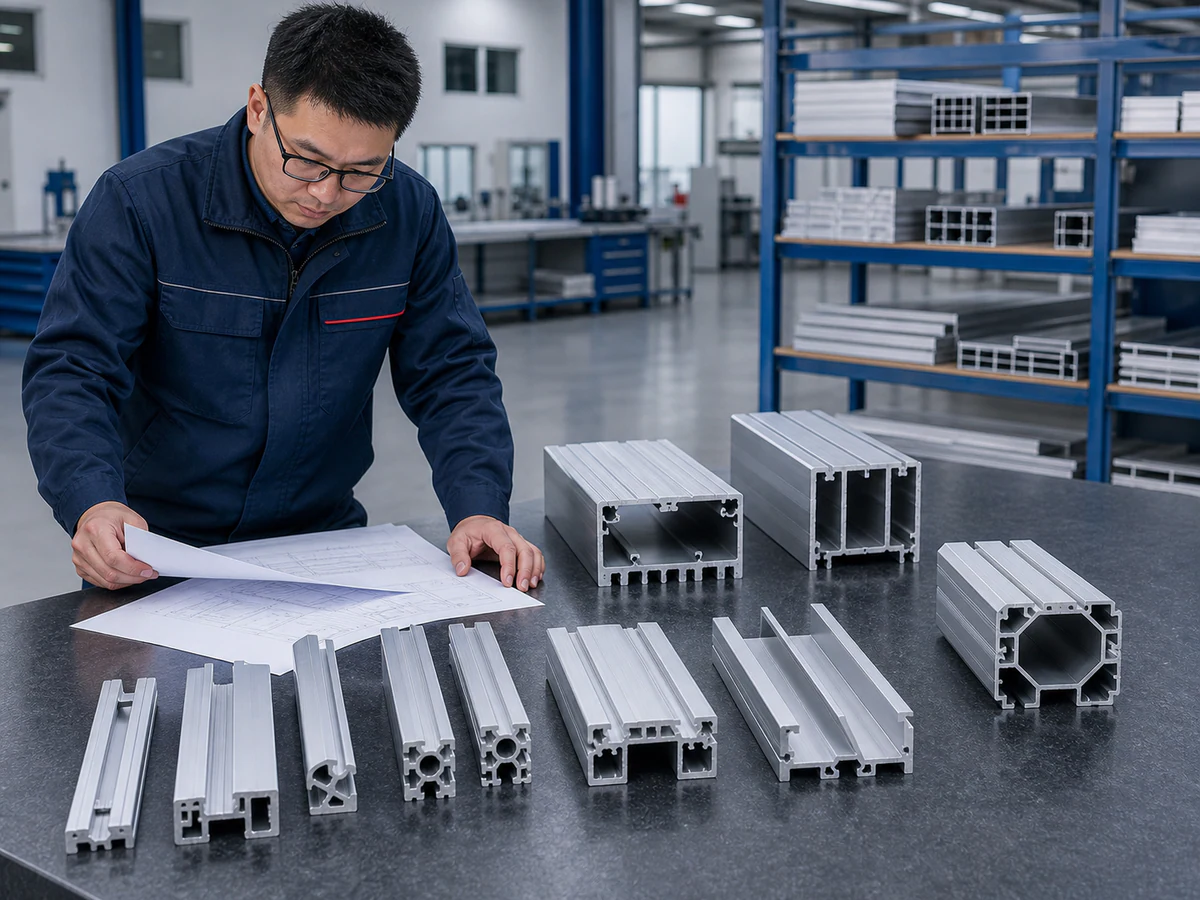
Put a custom cut on a released member drawing
A custom rail becomes a cutting job only after the system designer has released its section and connection details for that project. The controlled drawing should identify each member by row or position, revision and quantity. It should show the reference face for finished length, the end condition at each joint and any later drilling or machining. The saw supplier can then quote a defined blank; the designer remains responsible for the mounting design.
Consider two rails with identical overall lengths. One might finish at a splice, while the other meets an end cap or a cabinet attachment. Calling both “1,200 mm rails” in a purchase order hides the difference that matters during assembly. The drawing should make the receiving team able to distinguish them after cutting and packing. If the joint, wall fixing or cabinet interface is still open, resolve it before releasing production lengths.
Also identify which face can touch a clamp and which face must remain presentable or functional. Provide the actual extrusion cross-section, material and finish specified by the released design, along with a physical sample when available. A cut tolerance is useful only when its measurement datum and inspection method are stated. Do not turn a saw’s ability to make a clean end into a claim that the complete display is aligned or structurally approved.

Test the blank against its receiving task
For an approved custom member, run a first-piece trial on the specified extrusion or label a substitute sample clearly. Check how the profile seats against the datum, whether clamping marks or distorts a relevant face, and how both cut ends are measured. Compare the result with the released acceptance drawing. Record the member identity and revision on the trial piece so a correct dimension cannot be mistaken for approval of the wrong rail.
The trial can establish what the cutting operation delivered. It cannot verify wall anchors, joint load paths, cabinet positioning, power routes or service clearance. Those checks belong to the responsible designer and installer after the complete mounting system is assembled. If the production extrusion differs from the sample, repeat the relevant cut checks on the production member.
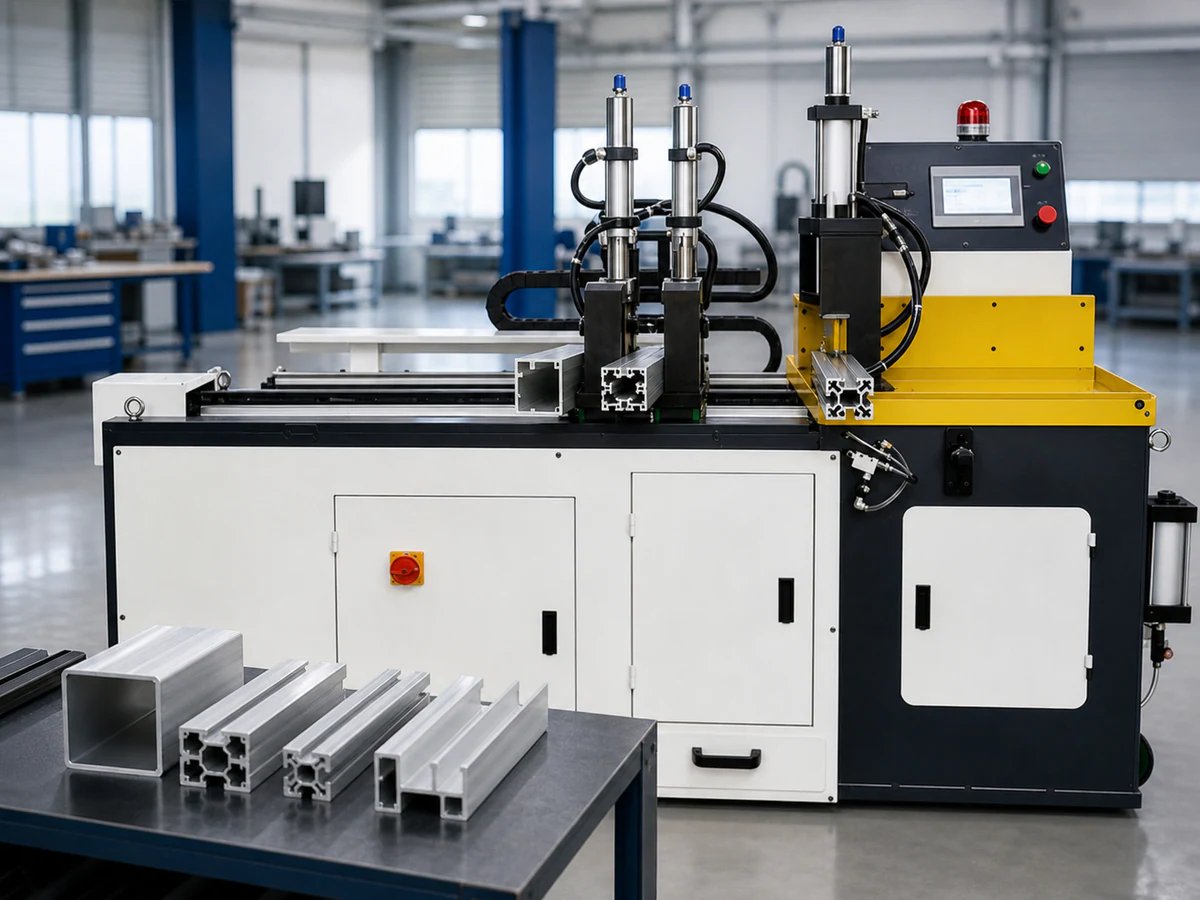
Use the equipment video and send the right inquiry
The video offers a way to discuss support and clamping for an extrusion; it does not select a mount or approve a rail. If a custom member has been released, send JiurunCut its drawing revision, actual profile or sample, member schedule, joint-end requirements, finish rules, quantity and first-piece acceptance method. State whether the request covers saw-cut blanks only. That makes the equipment discussion answerable at the cut station and at the receiving bench.
Source scope: The Peerless-AV example describes one documented mounting system. It does not establish compatibility with another display or authorize changes to a proprietary mount. The selected manufacturer’s instructions and project-approved engineering control the installation.