
Drawn vs extruded aluminum tube is a comparison of manufacturing routes, not a complete material specification. Choose from the released part requirements: alloy and temper, tube construction, controlled dimensions, surface condition and the evidence supplied with the order.
A useful enquiry names what must arrive at the cutting operation and what must be accepted after cutting. “Drawn tube” alone does not define every tolerance, just as “extruded tube” alone does not tell the buyer whether a particular batch fits the assembly.
On this page
What drawn and extruded actually describe
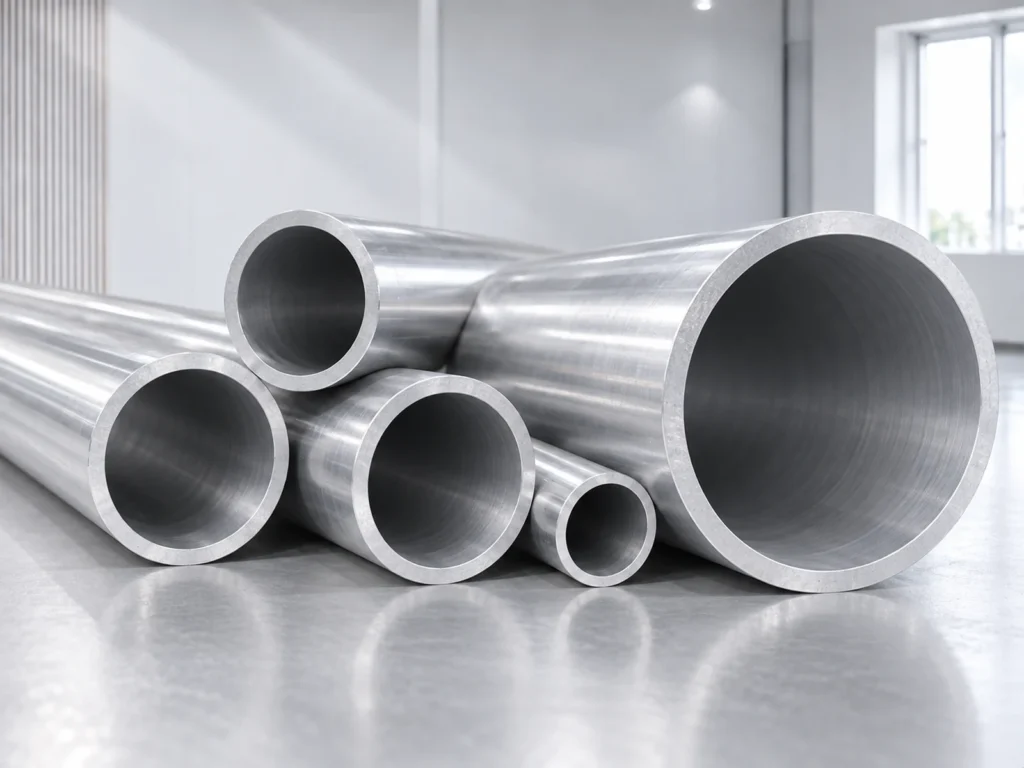
The Australian Aluminium Council glossary describes extrusion as forming a product by pushing material through a die. It describes cold drawing as pulling material through a die to alter size or shape, or harden the material. A drawn tube is identified by that cold-drawing process.
The terms can describe successive stages rather than two unrelated starting materials. Hydro’s drawn-tubing information describes additional cold working after extrusion to establish final tube dimensions. It associates drawn tubing with applications needing close tolerances and thin walls. Confirm the actual supplier’s product limits instead of applying that description to every tube.
Keep tube construction as a separate requirement. The council glossary defines seamless material by the absence of manufacturing line junctions. A process label in a quotation should not replace the specified construction identity.
Our seamless and structural tube guide addresses that separate enquiry. Neither a smooth-looking end nor the word “drawn” in a filename establishes the construction of the stock.
Four questions for a drawn vs extruded aluminum tube RFQ
1. What material condition is being offered?
Ask for the exact alloy, temper, product specification and supplier designation. Keep these fields visible next to the route description. The route name should not be used as a shortcut for strength, formability or a complete material identity.
If a supplier offers a different temper or alloy, record the proposal separately from the compliant quotation. The responsible designer must review the affected requirements before the buyer releases a substitution.
Connect the material record to the stock supplied. Ask what certification or identification is included and how it will remain linked to the cut parts. A generic brochure describing a product range does not identify a delivered lot.
2. Which dimensions are controlled?
List the required outside size, inside size where controlled, wall thickness and finished length. Identify the tolerances and the applicable measurement requirements from the released specification. Do not apply one tolerance to all these features.
State whether the quotation covers stock dimensions or the dimensions of a finished cut or machined part. A stock supplier and a cutting supplier may be accepting different stages of the same component.
The tube-dimension enquiry guide can help organize the drawing fields. Keep any required roundness, wall variation or fit checks explicit rather than expecting the route label to define them.
3. What surface and construction requirements apply?
Identify the surfaces that matter to the next operation or assembly. Specify the required condition through the drawing, applicable product specification or approved reference. Avoid replacing a controlled requirement with the general description “smooth tube.”
If the design requires a particular construction, include it in the enquiry and ask how the supplied product is identified. Material documentation should resolve the requirement; a photograph is not a substitute.
Keep any service-specific qualification with the responsible designer. This article does not assign a pressure rating or approve a tube for a regulated installation. A supplier’s general application list should not be treated as approval of a particular component.
4. What is included in the quoted delivery?
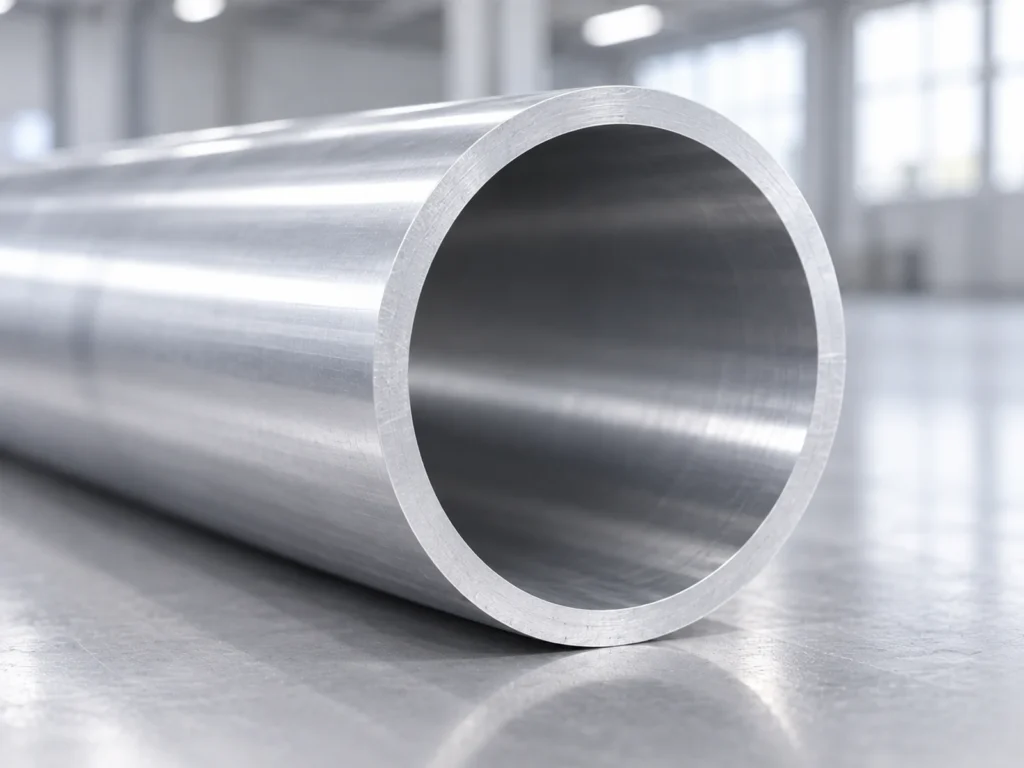
Separate stock supply from cutting, end finishing, machining and inspection. Ask which operations and records are included. A price for long stock is not directly comparable with a price for identified, inspected cut pieces.
Check the available stock size, order quantity, production lead time and any minimum order condition. Obtain these from the actual quotation rather than assuming that one route is always cheaper or faster.
For repeat orders, agree which references must remain unchanged and how proposed changes are reported. Keep the approved source, product identity and drawing revision connected to the purchase record.
Compare the products on one quotation sheet
Use the same required values for each offered product. The sheet should make exceptions visible without turning a route description into a performance guarantee.
| Comparison field | What to request from each supplier |
|---|---|
| Product identity | Route, construction, alloy, temper and applicable product specification. |
| Dimensional scope | Controlled stock dimensions, tolerances and any additional finished-part requirements. |
| Delivery condition | Length supplied, surface condition, end work, identification and packaging scope. |
| Acceptance evidence | Applicable material records and inspection reports linked to the supplied order. |
Mark an unanswered field as unresolved. Do not fill it with a typical value from an unrelated tube. Request clarification or a revised offer so that the approval record reflects what the supplier actually accepts.
When both offers meet the released requirements, compare their commercial and operational scope. If one offer omits a required operation or record, account for that difference before treating its unit price as a saving.
Prepare the stock-to-cut-part handoff
Give the cutting supplier the actual tube drawing and identified stock condition. Include finished length, datum definition, quantity, end condition and any protected surface. Keep the incoming stock requirements separate from the cutting acceptance requirements.
For a close fit with another component, the drawing must identify the mating requirements. Do not assume that a tighter-looking stock tube guarantees the final assembly. Use the specified inspection and fit review for the actual parts.
The tube-ovality guide can support that dimensional review where applicable. Agree the method and limits before inspecting production parts; a single casual check should not redefine the order.
Approve a proposed route change explicitly
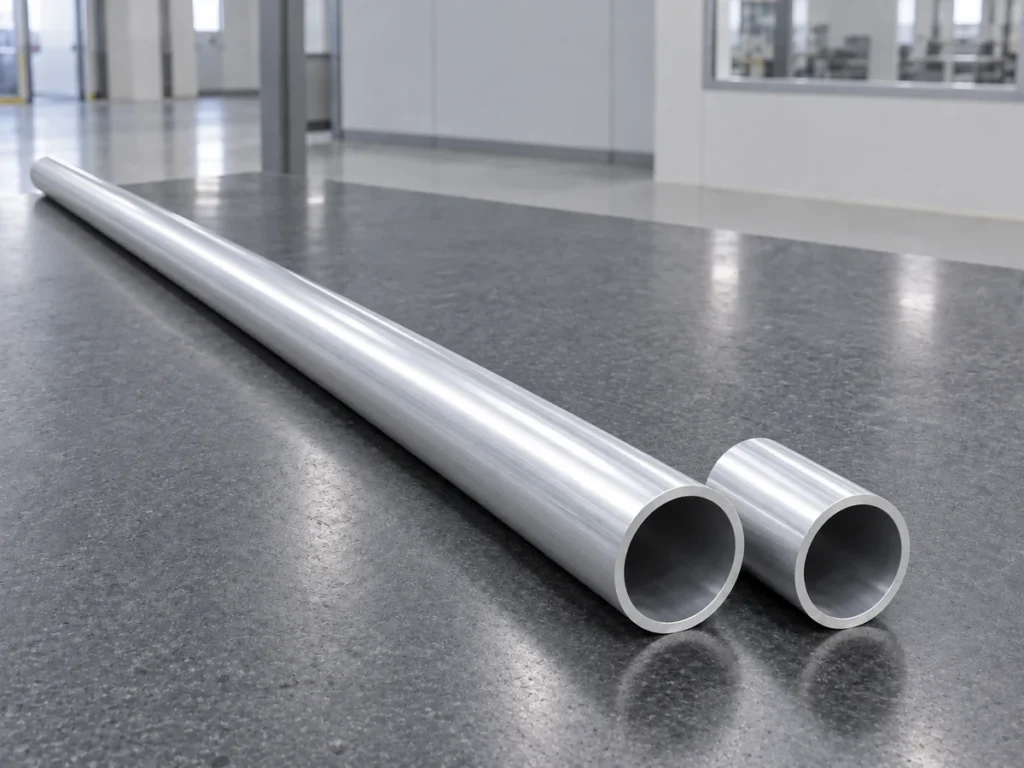
If a supplier proposes drawn stock in place of extruded stock, or the reverse, request the complete product description. Review the proposal against the material, construction, dimension, surface and downstream-operation requirements.
Record who approves the change and which evidence is required. A sample accepted for appearance alone should not become approval of unspecified mechanical or dimensional properties.
For a repeat order, keep the change record with the revised purchase requirement. Label any evaluation samples so they cannot be confused with previously approved production stock.
Common buyer questions
Is drawn tube always stronger?
The route label alone does not establish the required mechanical properties. Compare the identified alloy, temper, product specification and applicable records. Use the properties approved for the actual design.
Is drawn tube automatically seamless?
Keep construction and manufacturing route separate in the enquiry. Request the specified construction identity and supporting product documentation rather than inferring it from the word “drawn.”
Can extruded tube meet a close-fit requirement?
Review the offered product’s documented limits against the released fit requirements. The decision should use the specific dimensions and acceptance evidence, not a general ranking of the two routes.
Does changing the route remove the need for a cutting trial?
No general route description establishes the result of your cutting job. Review representative, identified stock against the actual cutting and end-condition requirements when a trial is part of the project plan.
Discuss the tube cutting stage
Contact JiurunCut with the tube section, identified stock, finished lengths, batch quantities and required end condition. State the selected material requirements and any proposed alternative so the cutting review uses the correct product.