
Dog agility jump aluminum frame cutting starts with an assembly, not one cut aluminum part. Before asking a saw supplier to quote the frame, identify which members belong to the wings and base, which pieces are PVC bar or nylon hardware, and who owns the final safety review. That separation turns a finished-obstacle idea into a cut list a fabricator can actually price.
Finished jump examples show why this matters. The Galican Lite Jump listing describes an aluminum frame alongside a separate PVC bar, nylon holders and detachable foot. Another Intercan jump listing describes powder-coated aluminum wings with rounded nylon bar holders and detachable feet. Those are examples of assembly architecture, not drawings for JiurunCut stock or proof that one profile suits every design.
Start with the jump wing, not the complete obstacle
For an OEM buying cut aluminum, the most useful first decision is the supply boundary. A saw shop may cut upright and foot blanks to an approved schedule. A separate fabricator may drill, weld, fasten, finish and assemble the wings. The owner of the complete obstacle then checks bar release, stability, edges and the rules for the intended venue. These responsibilities should appear on the drawing or purchase order rather than being inferred from a photograph.
Ask for one drawing revision and bill of materials that tags every aluminum member, PVC bar, plastic holder, fastener and foot. If the feet detach, mark the mating faces and connection method. If the wings fold or ship in a kit, identify how cut lengths and labels map to each kit. A quote for loose cut blanks should not silently become a quote for a certified jump.
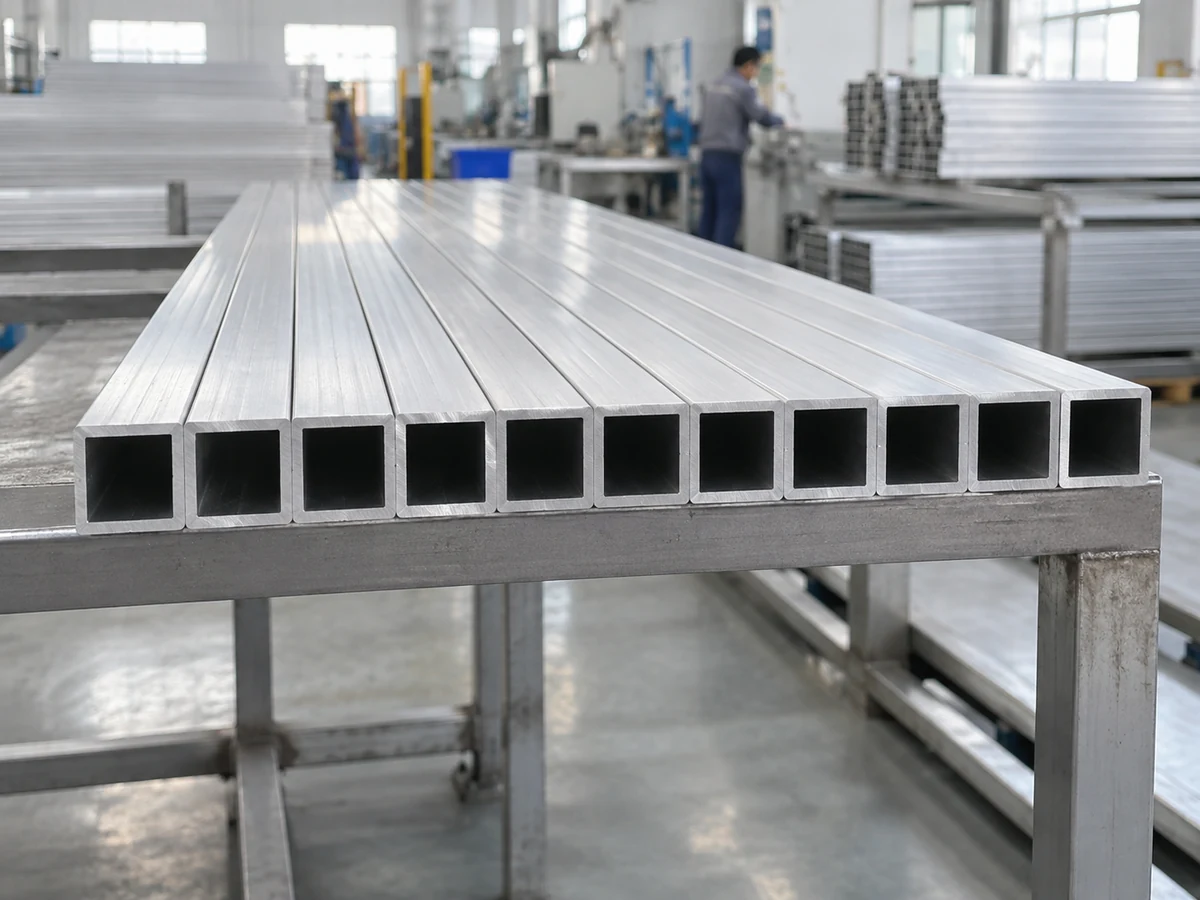
Dog agility jump aluminum frame cutting: define the cut list
“Two uprights and two feet” is a useful concept, but it is not a cutting specification. For each distinct member, record the profile drawing number and revision, alloy and temper if already approved, wall or section dimensions, cut length and tolerance, quantity per wing, total order quantity, and required end condition. Show the datum used for length measurement and whether the tolerance applies before or after finishing.
Identify miters, bevels or shaped ends on the drawing. Mark which cuts will be visible, which will join another member, and which need a later drilling or machining datum. If the design uses extrusions rather than square tube, include the actual cross-section drawing. The saw supplier should confirm that clamping supports that shape without distorting it and that the chosen blade and fixture can clear any lips or channels.
Keep holes, slots, weld prep, powder coating and assembly as separate operations unless the vendor has explicitly quoted them. When a cut end will sit beneath a cap or inside a joint, note that condition; when it remains exposed, define the edge requirement. “Burr free” is too vague on its own: specify which edges are inspected, the acceptance method and who removes any remaining sharp edge after drilling or coating.
Separate frame geometry from bar and safety decisions
The crossbar is usually a different component from the aluminum wing frame. Its material, supports and release behavior affect how the finished obstacle is used; cutting the wing uprights to length does not verify any of those functions. The same is true of foot stability and finished height adjustment. Those are assembly and application checks.
For context, NADAC’s equipment specifications set requirements for jumps used under its rules, including how a bar should behave. A purchaser should check the current rules of the organization and event that matter to them. This article does not certify an obstacle to NADAC or any other standard, and the cited finished-obstacle examples do not define JiurunCut machine capability.
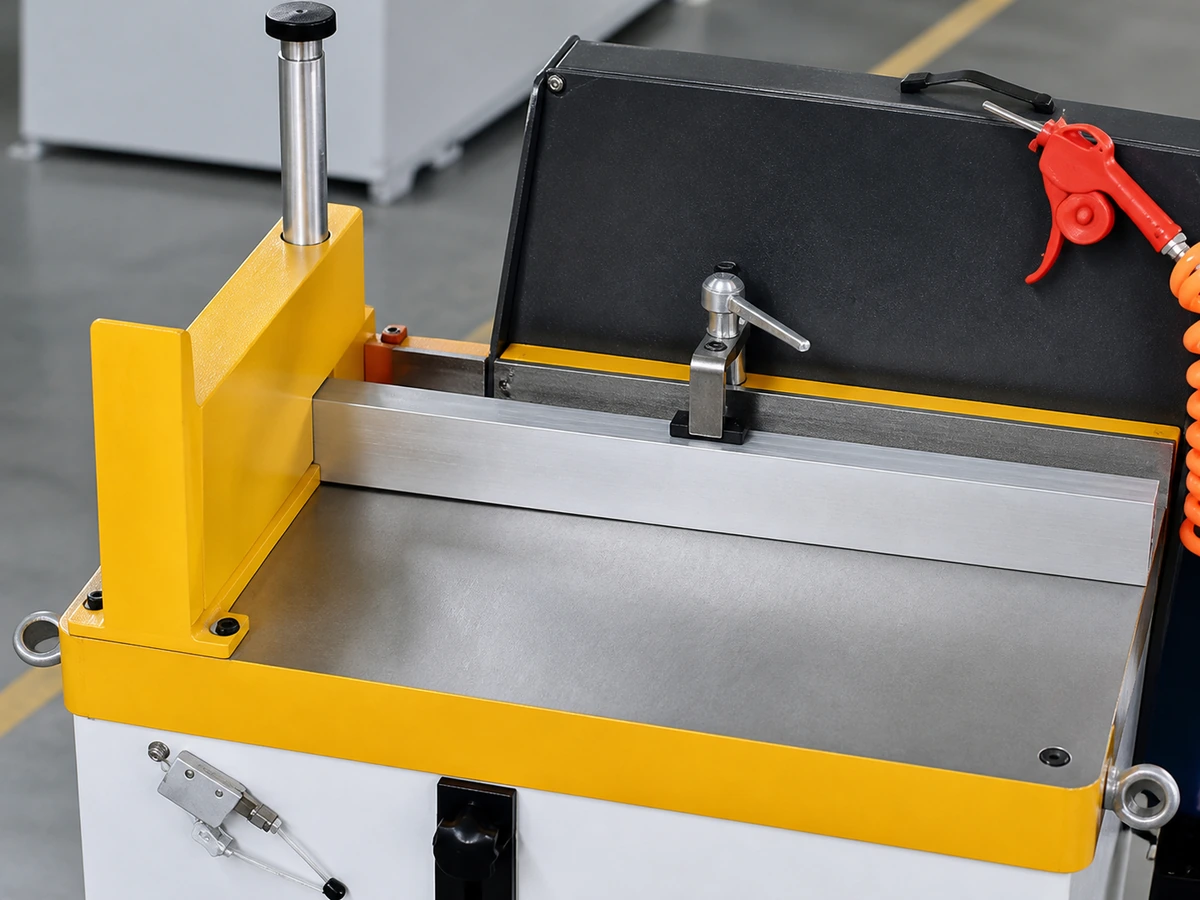
Choose a route for prototypes and repeat orders
For a first design, quote a small set of identified blanks, then let the assembly owner validate the wing build. A useful first-article check records actual cut length against the drawing datum, squareness or angle where called out, end finish, profile damage from clamping, and traceability to the stock batch. The purchaser can then test fit with the real holder, foot and bar components. If a change is needed, revise the drawing before expanding the batch.
For repeat dog agility jump aluminum frame cutting orders, ask whether parts should be packed by cut length, by left and right wing, or as matched jump kits. A saw vendor can reduce sorting errors with consistent part IDs and pack lists, but kit completeness requires an agreed bill of materials. If multiple jump sizes share a profile, a nesting plan may reduce leftover stock; calculate it from approved lengths, kerf and usable bar length rather than from a catalog photograph.
| Purchase question | Information to supply | Decision it supports |
|---|---|---|
| What is being bought? | Loose aluminum blanks, machined members, or assembled wings | Clear supplier responsibility and comparable quotes |
| Which stock can be cut? | Approved cross-section, alloy/temper, straightness and bar length | Clamping, blade access and yield review |
| What must fit? | Connection detail for feet, holders and adjacent frame members | Datum, angle and tolerance selection |
| How will it be accepted? | Drawing revision, inspection points, sample quantity and packaging | First-article and batch checks |
Review the drawing before selecting the saw setup
Machine selection comes after the part definition. Bring the profile section, maximum and minimum cut lengths, expected quantities, cut geometry, and surface-protection requirements to the supplier. They can then discuss a suitable feed, fence, stop and clamp arrangement. Do not infer achievable tolerance, throughput or surface quality from a general equipment image or a different customer’s video.
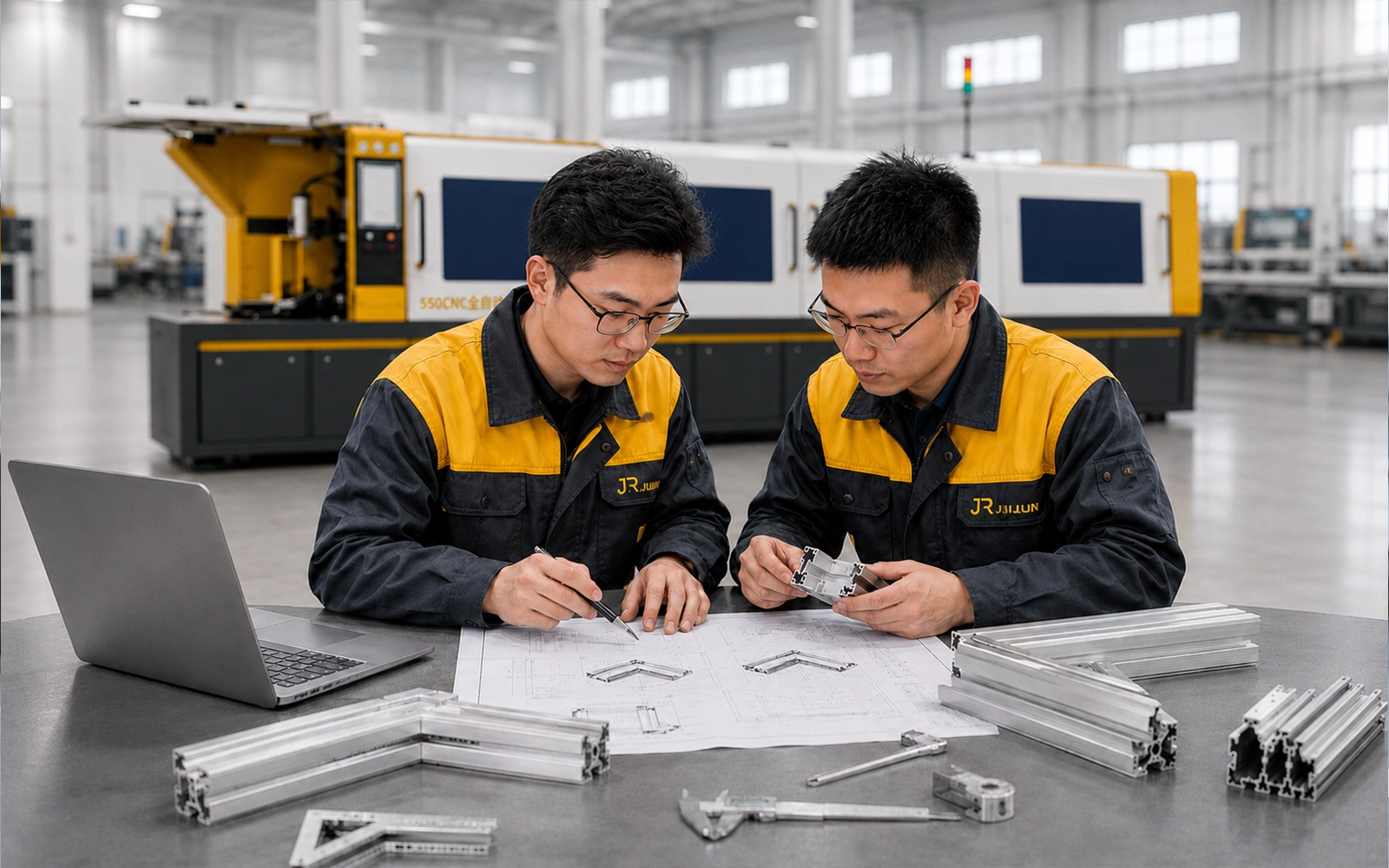
The following video is from Jiurun Machinery’s own channel and shows another aluminum-cutting equipment scene. It is included to illustrate the kind of machine discussion an OEM may have. It does not show a dog agility jump, its specified stock, an approved setup or a safety test.
What to send for a machine-selection discussion
For a cutting-machine quotation, send the approved wing drawing, a part-numbered cut list, the real extrusion or tube section, quantity by part and a note that distinguishes loose blanks from downstream drilling, coating and assembly. Add any sample-inspection requirement and the destination for packed parts. With those inputs, a machine manufacturer can discuss a suitable cutting setup and clearly identify what still needs qualification by the obstacle designer.
If the design is still open, start with the assembly boundaries and the components you already know. For a cutting-machine discussion, send JiurunCut your approved profile drawing and cut schedule. We can review feeding, support and clamping requirements for a proposed machine configuration; final obstacle safety, rule compliance and fitness for use remain with the responsible designer and purchaser.