
Camping chair aluminum pole cutting starts with a released member kit, not a photograph of an assembled seat. A collapsible chair can combine several aluminum pole families with resin hubs, shock cord, feet and fabric. Those components have different suppliers, measurements and acceptance checks. A cutting supplier needs the actual stock specification, drawings and quantities before it can assess a repeatable cutoff route. This guide helps buyers prepare that RFQ while keeping loose cut members separate from finished-chair performance.
1. Camping chair aluminum pole cutting starts with the kit boundary
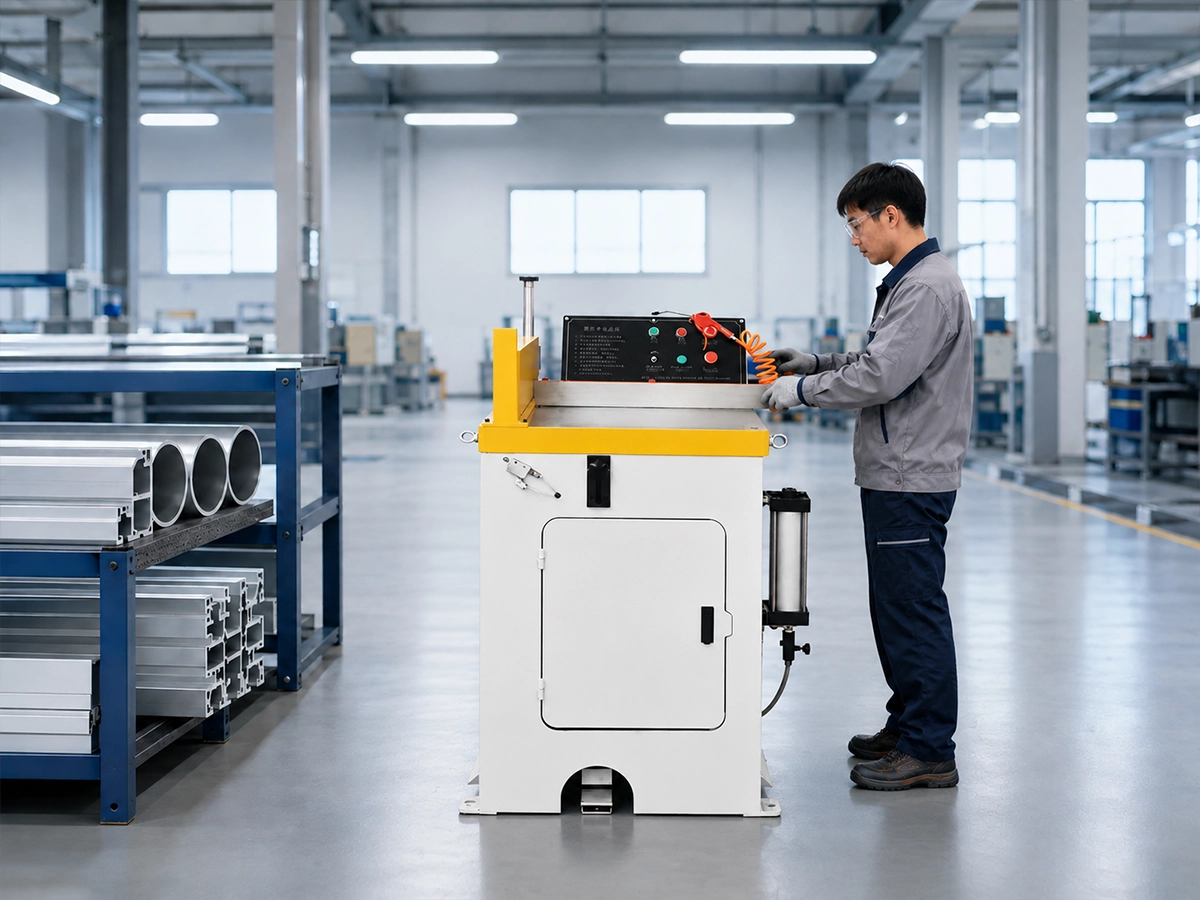
List each loose member by part number, revision, quantity per chair and intended assembly position. Name legs, back supports, seat-side members and cross pieces only if they exist in the approved design. State whether the quote covers raw cut blanks, deburred blanks, finished pole ends or a partially assembled frame. Hubs, shock cord, fabric, feet, coating and final testing are separate scope lines unless explicitly contracted. A supplier cutting straight lengths cannot certify the stability or rated load of a complete chair.
Finished-product descriptions show why this boundary matters. Helinox lists aluminum alloy poles beside resin hubs, shock cord, rubber feet and seat fabric for its Chair Zero. Its Chair One likewise uses shock-corded poles and replaceable components. These are examples of product architecture, not specifications, customers or validation evidence for Jiurun.
2. Release a drawing for every member family
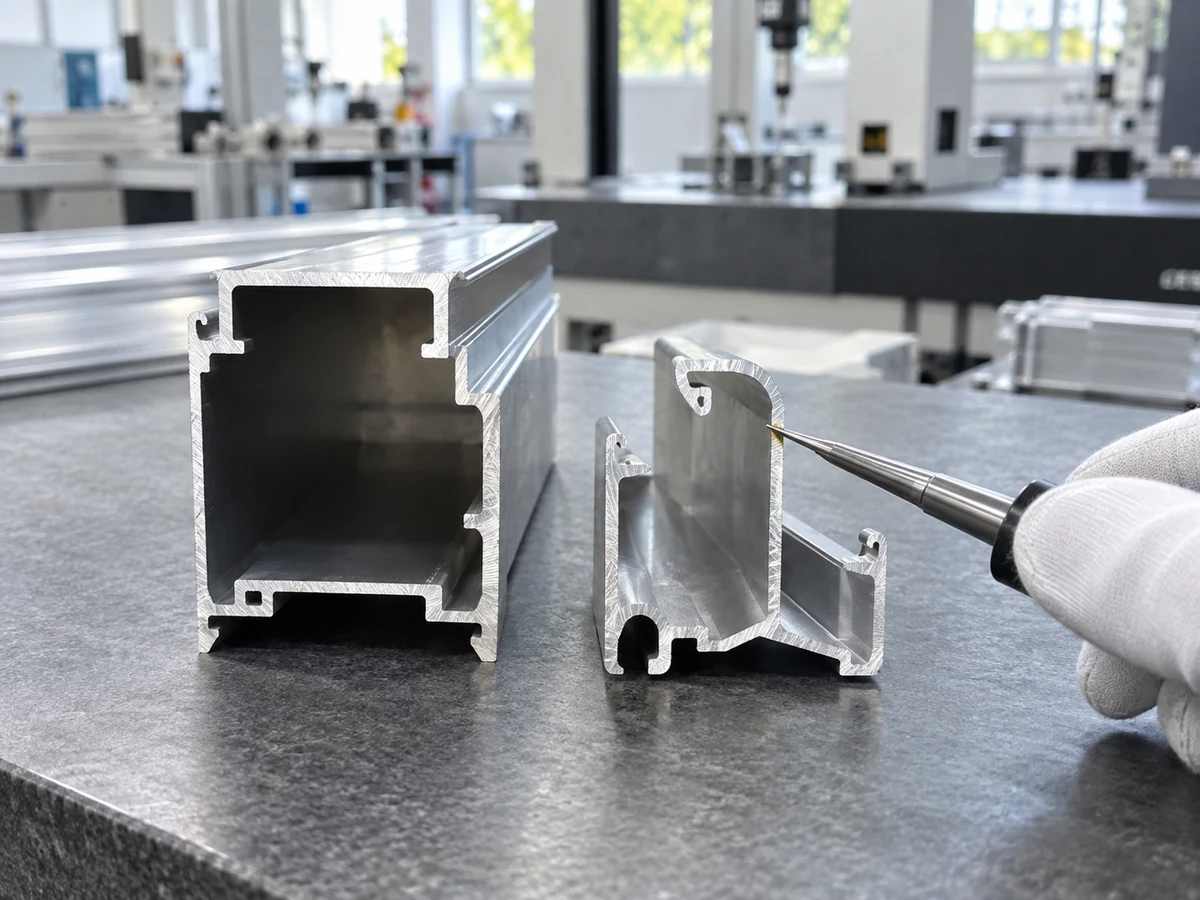
Provide the approved alloy and temper, outside diameter or section geometry, wall thickness, supplied stock length, blank length and relevant tolerances. Identify the drawing revision and provide a physical sample where the cross section is difficult to describe. Round tubes, telescoping tubes and shaped extrusions should not share one generic “aluminum pole” line. Nominal outside size does not reveal wall thickness, internal features, straightness, surface finish or fit to a hub. Where a proprietary alloy or section is required, provide an approved source or written substitution criteria. A supplier cannot infer equivalence from visual resemblance.
Specify square or angled cuts and any subsequent end forming. Mark the datum and inspection direction. Do not divide an assembled chair’s height or packed length into presumed cut lengths: hub depth, overlap and cord path affect actual member dimensions. Reverse engineering a sample chair is a separate design service that must be authorized and validated before production quoting.
3. Specify how the stock is located
For camping chair aluminum pole cutting, a repeatable cutoff starts with contact points suitable for the actual stock. Show which exterior surface or bore is the datum, whether incoming material is bowed or coated, and which cosmetic surfaces must be protected. Slender hollow poles need support that prevents slip without crushing or marring. A demonstration fixture holding a much larger tube cannot prove that the same jaws will work for lightweight chair poles. Ask the supplier to show a clamp and support plan against an approved sample. Confirm feed direction, stop reference, protective pads and how short offcuts will be removed safely.
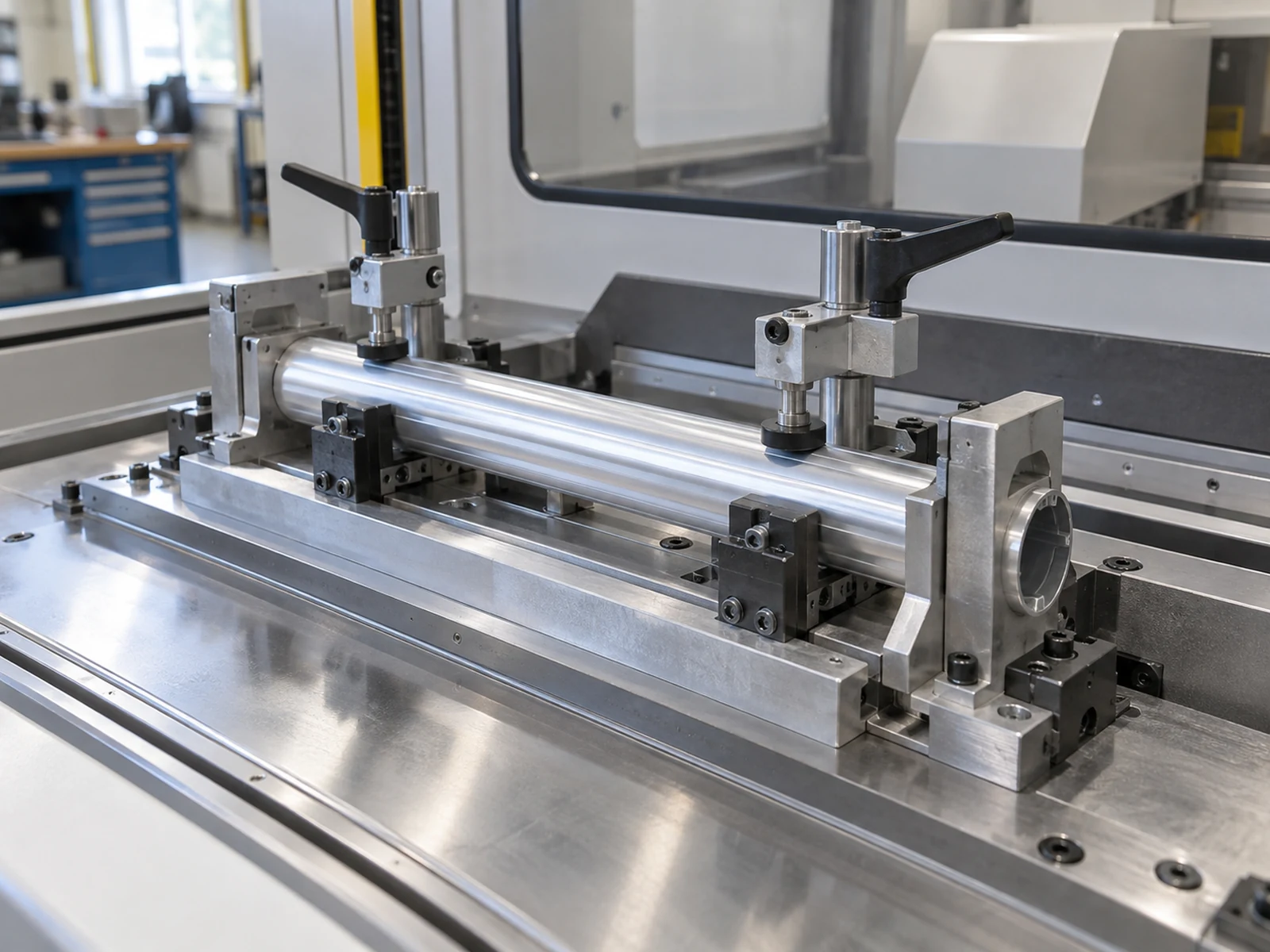
If an exposed pole surface must remain clean, the clamp zone may differ from the measurement datum. For telescoping parts, consider whether the measured outside dimension and burr condition allow assembly. These details affect handling and changeover time, so a quote based only on chair volume is incomplete.
4. Write end-condition acceptance criteria
List length tolerance separately for each part number. Define whether length is measured between two flat planes, from an end stop to a feature or after a secondary operation. If a member inserts into a hub, state acceptable burr and edge condition. If a shock cord passes through the bore, specify whether the inside edge needs deburring and how it will be checked without damaging the finished surface. Chamfers, end caps, swaging and drilled holes are additional operations; they should not be assumed as part of basic sawing.
Agree a first-off sample and inspection record before volume production. Record part and drawing revision, material lot, setup, measured length, edge condition and visible deformation. Check a sample from the end of the batch as well as the first piece. Where tolerance is tight, identify the gauge and measuring method that matter to the buyer. A photograph of a ruler is not a substitute for a defined acceptance method.
5. Preserve kit identity after cutting
State pieces per chair, allowable overage, lot size and how each part will be identified after sawing. Two similar members that differ by a few millimeters need separate part numbers and bins. If left and right parts have different ends, define orientation and packing. Specify whether blanks are shipped by part number, as one-chair kits or as bulk production lots. Include scratch-control and maximum bundle weight when appearance or handling matters. Sorting and packing can outweigh the difference in saw time between two quotations.
Decide how scrap, first-off pieces and setup cuts are counted. A supplier may quote yield from full stock bars while an assembler counts complete kits. Reconcile those units before comparing prices. A low price per cut is misleading if it excludes material loss, deburring, sorting, inspection or packaging.
6. Request a trial that answers the RFQ
For camping chair aluminum pole cutting trials, use approved stock and at least one representative piece from every distinct section or end-condition family. The trial should show whether the proposed route holds the material, achieves the specified blank length and leaves an acceptable edge. It should also expose changeover effort and mixed-kit sorting issues. Keep the record tied to the part drawing, stock lot and actual machine setup. Public equipment footage does not replace this trial and cannot establish finished-chair safety.
The following Jiurun video is a general aluminum cutting equipment example. It does not show the camping-chair material, a selected configuration, a customer order, the first-off samples in this guide or any finished-chair load test.
7. Compare offers at the same supply stage
Ask bidders to mark exactly where responsibility ends. A cut-blank offer should name material sourcing, incoming inspection, cutting, edge condition, dimensions, identification and packing. Put drilling, bending, swaging, finishing, assembly and product testing on separate lines where needed. The phrase “complete chair frame” is ambiguous when the price covers only loose straight poles. A cutting supplier cannot warrant load capacity without the design authority and separate product validation program.
Helinox says on its sustainability page that much of its frame material is proprietary and emphasizes repairable components. This supports a general purchasing lesson: keep approved material source and replacement-part identity clear. It does not imply Jiurun supplies that brand or has tested its products.
8. Send a quote-ready package
Send one controlled drawing per member, the approved stock specification and sample, pieces per kit, first-order and annual volume, length and end-face acceptance limits, first-off and batch inspection expectations, packing rules and the boundary between cutting and assembly. Label unresolved items as design proposals. If hub fit or cord path is still uncertain, the product engineer should settle it before a cutting supplier commits to volume yield. Then quotations can be compared on the same stock, scope and accepted kit count.
For cut aluminum chair members, send JiurunCut your approved drawings, sample stock and target kit quantities. We can review a suitable cutting and handling route against the actual section. See the JiurunCut equipment overview for general machine context. This article is a purchasing framework, not proof that any pictured part or video belongs to a particular chair program.