
Bookmobile aluminum shelving cutting is a member-production question, not a complete vehicle or storage-system specification. A buyer who asks for “a saw for library shelving” still has to identify which approved upright, crossmember, shelf frame or accessory arrives as aluminum stock, which arrives as a welded or purchased unit, and where the cutting supplier’s responsibility ends. The useful RFQ names the released section and receiving stage for each part.
This guide is for shelving OEMs and fabricators assessing a profile-cutting machine for repeat bookmobile or mobile-library work. Product examples below show different architectures; none is a JiurunCut shelf design, a transferable size standard, a vehicle approval or proof that one saw fits every section.
Identify the shelving architecture before choosing a saw
ACORE describes lightweight shelving made mainly from aluminum and stainless components, with configurations for bookmobiles and other outreach settings. It emphasizes mobile-service demands and compatibility with older installed shelving. That is a useful warning for an RFQ: a replacement member may need to fit an existing approved system, not merely match an overall shelf width.
Other suppliers reveal why a generic “aluminum shelf” line is inadequate. Choice Equipment’s SU20 lists extruded aluminum uprights, round upright poles, stainless set screws and welded shelf assemblies with several shelf forms. E-Z Shelving describes extruded aluminum uprights but separately specified aluminum brackets and sheet shelves. These are examples of distinct product designs. Do not transfer one maker’s alloy, joint, upright diameter or assembly method to another maker’s bookmobile.
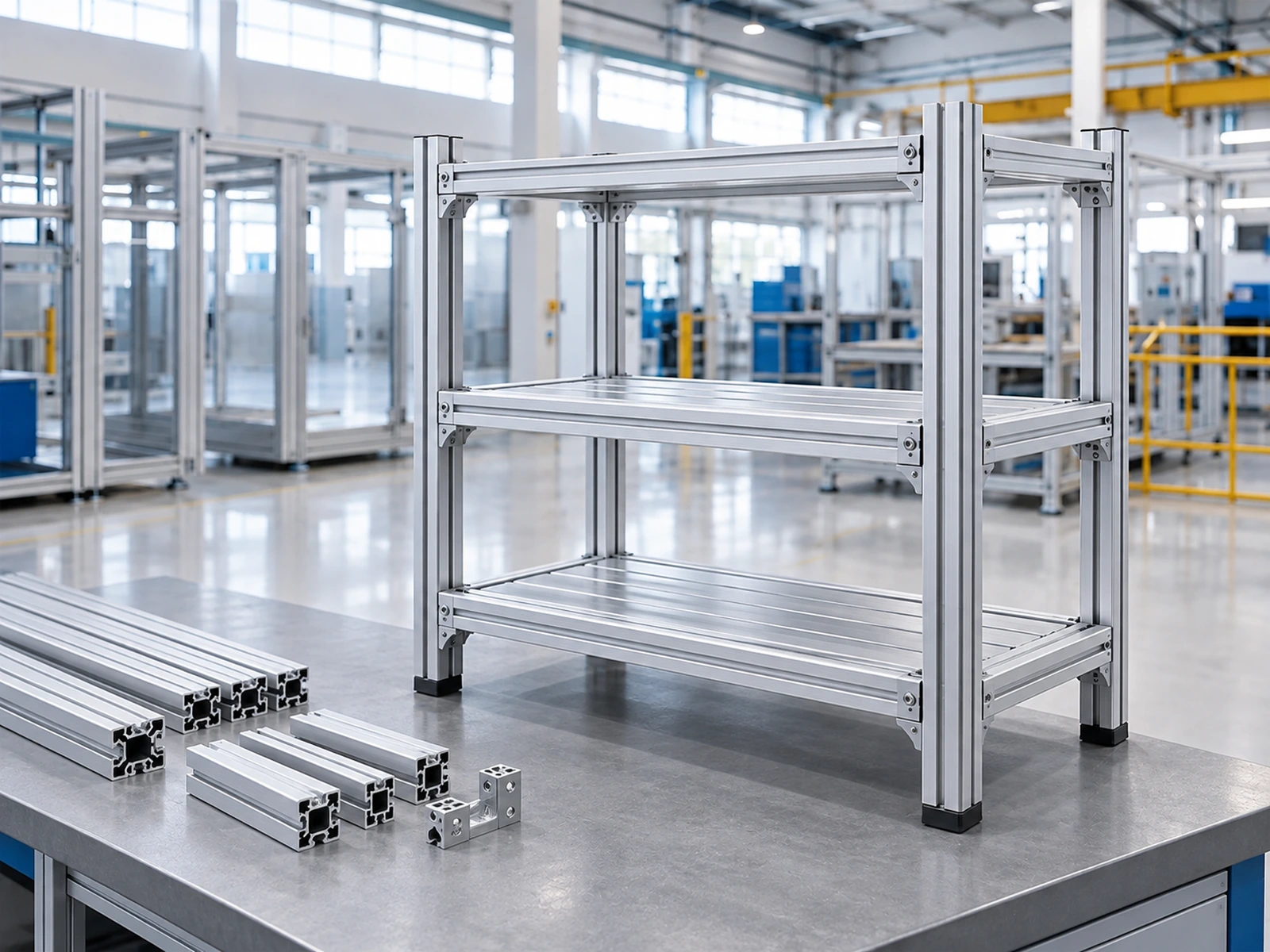
Ask the product owner for the system family, approved revision, bill of materials, installation or replacement context, and component drawings. Mark each line as saw-cuttable extrusion or tube, purchased shelf assembly, sheet component, bracket, fastener, finishing operation or complete installed unit. The saw RFQ can then be priced for the metal blanks actually retained in the factory.
Build a released member schedule, not a bay-size shortcut
For each profile or tube that will enter the saw, provide the part number and revision, cross-section drawing, stock form and supplier, specified alloy and finish, source length, cut-blank length, end geometry, quantity per shelving unit, and the next operation. A vertical pole, front restraint, shelf frame tube and wall rail should have different rows even if several appear in one bay. Record the approved datum and direction of measurement. The outside cabinet or vehicle opening is not automatically the blank length.
Indicate the interface that controls fit: shelf corner block, clip, support bracket, neighboring module or protected end cap. If an existing installation requires replacement parts, include the system version and authorized interchangeable part identity. A matching nominal section is not enough where holes, connector geometry or finish changed between revisions. Keep field-trim instructions separate from factory cut lengths; name the owner who releases any site allowance.
Where a shelf arrives as a welded assembly, the saw supplier may be asked only about its constituent tubes before welding, or may have no work on that purchased shelf at all. Put the handoff in the quote: bare cut blank, identified member set, prepared shelf subassembly, or completed storage system. Changing the receiving stage changes labor, inspection and price far more than a small difference in advertised saw speed.
Separate round poles, extrusions and sheet shelves
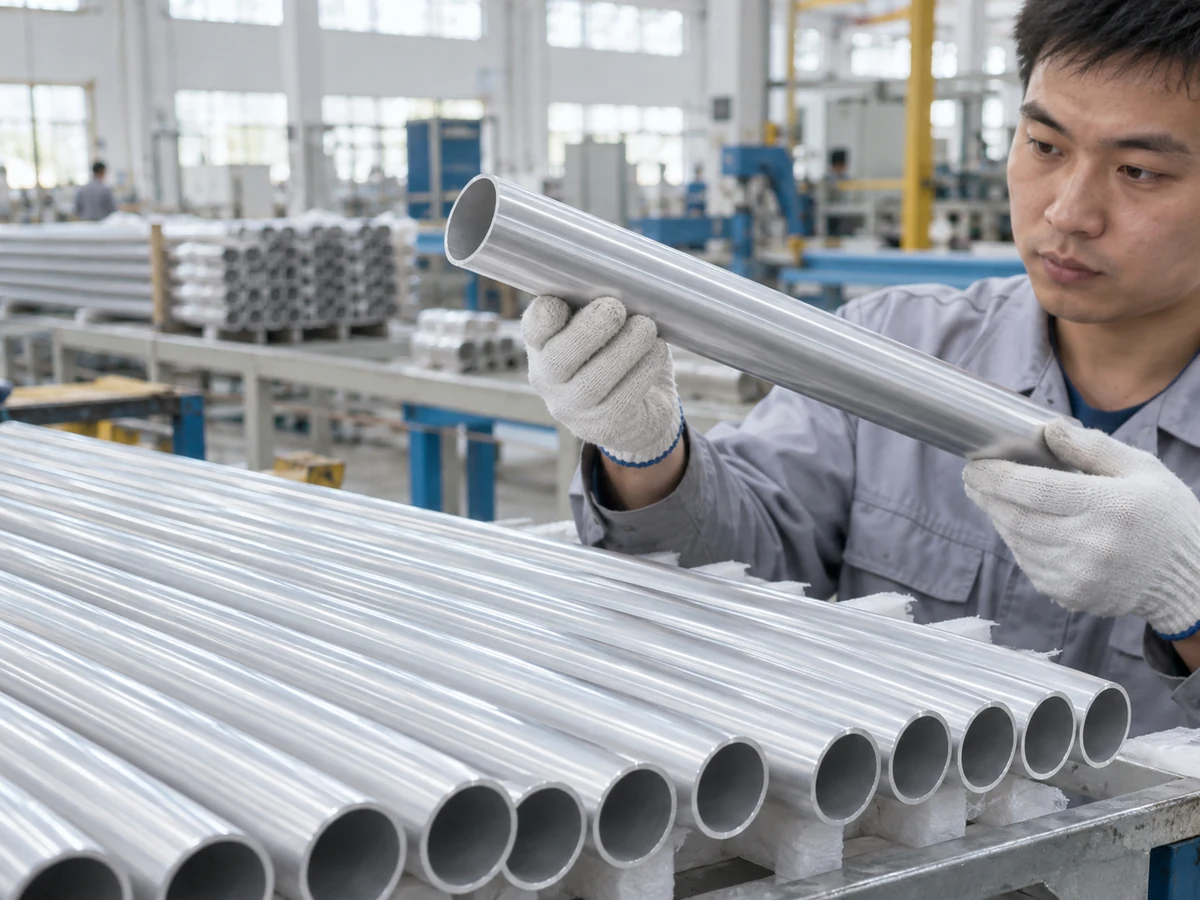
Choice’s adjustable unit illustrates a round upright pole route, while E-Z’s system illustrates extruded uprights paired with sheet brackets and shelves. These examples should prompt a material matrix, not a mixed trial where one convenient profile represents every part. Round tube may need a different nest or clamping contact from a slotted rail. A sheet shelf may require a separate cutting and forming route. A welded shelf assembly also needs its own fabrication and inspection plan after the blanks leave the saw.
List each incoming form and whether it is bare, anodized, powder coated or otherwise finished under the approved drawing. Note thin walls, open slots, lip direction and the face that must remain unmarked. For round stock, state whether length is measured between two end planes and how rotation matters to any later hole or bracket. For asymmetric extrusions, mark top, front and connector side. These are trial setup inputs, not universal machine settings.
Set acceptance at the cut-blank boundary
Define what the receiving inspector measures on a free blank: length from named datums, end squareness or approved angle, burr condition, visible-face marks, deformation, trapped chips and identity label. A connector dry fit may be useful where the product owner supplies the mating part, but it should be recorded as a separate check. A length pass does not qualify the assembled shelf, bracket fastening, vehicle anchorage or loaded storage system.
For a coated or visible member, tell the supplier where supports, rollers, clamps and outfeed may touch. Ask how cut parts are separated and packed to avoid face-to-face damage. If the required next operation is drilling, punching, welding or coating, say which party performs it and whether the saw blank must include an allowance. The machine’s native cutting accuracy cannot substitute for a released product tolerance or a system-level fit decision.
During a representative trial, bring real stock from every materially different section family, including the longest pole or rail, short repeat blanks and any thin-walled or finished surface. Record part number, stock lot, blade and feed setup, clamp position, first-off measurement, reject cause and changeover time. Run enough parts to observe repeat handling and identification, not merely one photogenic cut. Recheck first-off when a fixture or profile changes.

Compare accepted member sets and complete-unit alternatives
Capacity should be expressed at the stage the factory buys or receives. Count the distinct cut members in one released unit, average and longest lengths, lots, changeovers, first-off checks, rejected parts, offcuts, labeling and packing. A high cuts-per-minute figure for one tube says little about an order that switches between poles, rails and frame pieces. Ask for accepted member sets over a representative production period with the actual mix.
For the commercial comparison, place both routes at the same receiving boundary. A purchased complete shelving unit carries fabrication and system obligations that loose saw blanks do not. The in-house route includes extrusion or tube supply, saw and fixtures, blade life, labor, finish protection, downstream joining, brackets, shelves, packing and final inspection. Keep bookmobile fit, attachment, accessibility and load approval with qualified product and vehicle teams. A saw trial is evidence only for the observed cutting and accepted blank properties.
Bookmobile aluminum shelving cutting: seven RFQ checks
- System authority. Name the approved shelving family, revision, vehicle context and replacement compatibility owner.
- Component route. Separate cut stock from welded shelves, sheet parts, brackets, fasteners and bought assemblies.
- Member schedule. Give each pole, rail and frame member its drawing, material state, blank length and quantity.
- Datum and finish. Mark the measured end planes, connector face, visible surface and permitted fixture contact.
- Receiving stage. Define whether the quote ends at blanks, member sets, prepared subassemblies or complete units.
- Trial record. Use actual stock and document setup, first-off checks, changeovers, damage, rejects and offcuts.
- Handoff. Assign labels, packing, later joining, shelf fit and completed-system approval.
For general machine-selection context, see JiurunCut’s industrial aluminum profile cutting overview. The final saw and fixture decision depends on the approved bookmobile member schedule.
Related equipment video
The following Jiurun machinery video shows an aluminum-profile cutting equipment scene. It is a related demonstration only, not a bookmobile shelving member, approved machine configuration, customer order, sample-cut result or evidence of storage-system performance.
Related cutting-equipment demonstration from the Jiurun machinery channel.
Send the released member schedule for a useful saw discussion
If you fabricate aluminum components for an approved mobile-library shelving system, send JiurunCut the section drawings, real stock forms, finish state, blank lengths, connector references and expected member-set volume. We can discuss the cutting and sample plan for those blanks. Keep the shelf design, vehicle interface and complete installation approval with the responsible product and project teams.
Frequently asked questions
Can one overall bay width set every cut length?
No. Uprights, shelf frames, restraints and rails may have different connector overlaps, end conditions and approved datums.
Does a tube-cut trial qualify a welded shelf unit?
No. A trial can verify the specified blank. Welding, shelf assembly, mounting and loaded system performance require separate checks.
Can a slotted rail fixture be reused for round uprights?
Only after testing the released round stock and contact plan. Its support, rotation and surface risks can differ from an asymmetric extrusion.