
Aquarium screen lid frame cutting is a narrow purchasing task: prepare approved aluminum rail blanks for a specified mesh-cover layout. A saw supplier can demonstrate repeatable cut length and end condition on the actual profile. That does not establish that the assembled cover fits every rim, clears mounted equipment, holds mesh, or performs as a finished aquarium product. Before requesting a machine quote or a cut-part price, identify the exact lid system and the handoff point.
Commercial cover kits show why the distinction matters. Bulk Reef Supply’s screen-top guide separates aluminum frame, corners, netting, and spline, and calls for checking the assembled frame on the tank. A Red Sea cover assembly guide likewise depicts distinct profile segments and connector locations for particular layouts. These are examples of system-specific design, not dimensions or compatibility claims for Jiurun equipment.
1. Is the order for rails, a prepared kit, or a finished cover?
State the purchased output in the RFQ. A cut-rail order ends with identified aluminum members. A prepared kit can add approved corners, cutouts, finish, packaging, or other items supplied by named parties. A finished lid adds mesh installation and tank-fit acceptance. Compare saw proposals at the same output stage. Do not price a saw by crediting it with mesh fitting or final-cover quality it does not deliver.
2. Release the profile and member map before lengths
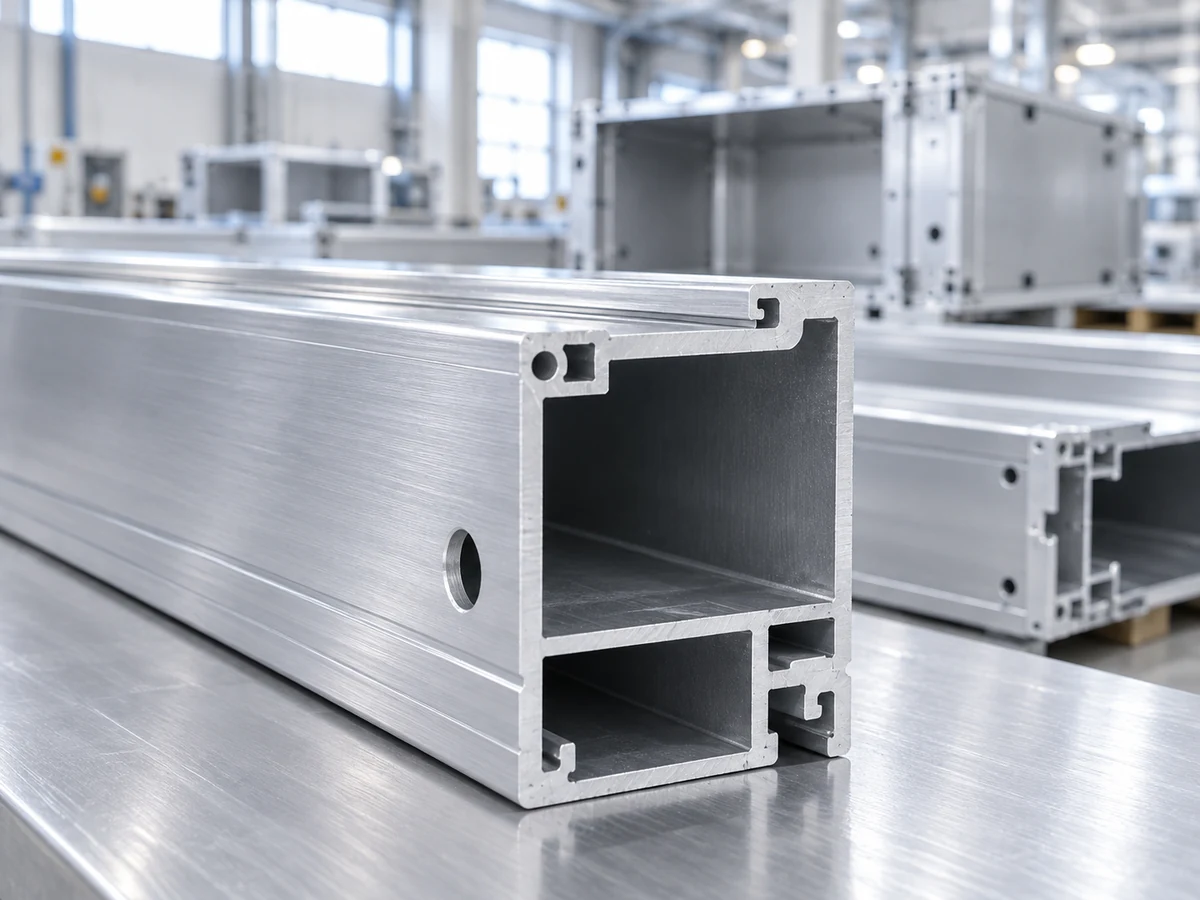
Specify the approved rail cross-section, supplier part or drawing revision, stock condition, finish, and the face that supports the cover. Mark each perimeter member, any cross-member or cutout boundary, left/right orientation, and the receiving kit. The tank’s outside size alone is not a cut list: rim style, clearance, connector insertion, and equipment openings can change the member schedule. Obtain the system owner’s released drawing or measured prototype before setting a stop.
3. Define the length datum and the end condition
For every member, name the length reference: physical cut face to cut face, an assembly datum, or a connector-related reference. State whether the end is square or whether a specific drawing calls for another geometry. Record the allowed end burr, visible-face damage, and inspection method from the product owner. A neat-looking cut cannot substitute for the released acceptance criteria. If the system uses push-in corners, confirm the insertion allowance on that exact corner and section rather than borrowing a generic subtraction from another kit.
4. Prove support on the actual thin rail
Screen-lid rails may have narrow lips or mesh/spline channels. During a representative saw trial, agree which face touches the back fence and which surfaces need protection. Show that the rail remains supported through the cut without crushing the channel, rotating, or marking a finished visible surface. Include the real stock length and the shortest retained piece in the trial; a single convenient sample does not cover the full mix. For broader fixturing questions, see our back-fence contact checklist.

5. Keep connector and opening work separate
Identify who supplies corners, spline, netting, cross-braces, mounting supports, and any cutout parts. If the layout wraps around a light arm, filter return, overflow, or other obstruction, assign the opening geometry and the operation that creates it. A saw can prepare a straight blank or drawing-defined angle; it does not automatically create every notch, hole, or assembled opening. Ask for a route sheet that names the next operation and its owner.
6. Inspect a first-off member set in its intended layout
Do not accept only a measured single rail. Label a first-off set by tank model or approved layout, profile revision, member position, and orientation. Check cut lengths and end faces against the released drawing, then let the cover-system owner trial the member set with the correct corners and mesh route. Record any correction as a revised cut list, not an informal machine offset. A window-frame photo can illustrate corner inspection, but it is not a substitute for the aquarium cover’s own fit evidence.

7. Quote the accepted unit and change control
Ask each supplier to quote the same accepted unit: one rail, one position-labeled member set, or one completed cover. Include expected model mix, batch size, changeover, trial pieces, inspection labor, rejected blanks, packaging, and downstream work. A revision to a corner or rim interface may change the cut list even when the tank’s nominal size stays the same. Keep the approved drawing and first-off record linked to each batch so a later reorder does not inherit obsolete dimensions. Our aquarium stand frame-kit guide covers a separate structural assembly; a lid should have its own specification and acceptance path.
Aquarium screen lid frame cutting: what to send with a saw RFQ
- Approved lid-system and rail drawings, revisions, and profile samples.
- Position-labeled member list with length datum, orientation, and end condition.
- Actual stock form, finish, quantity mix, shortest piece, and visible-face rules.
- Named owner for corners, mesh, openings, assembly, and tank-fit release.
- First-off inspection plan and agreed accepted-unit cost boundary.
Related equipment footage: The following video from Jiurun’s own channel shows an aluminum-profile angle saw. It is an equipment illustration only; it does not show an aquarium lid, this rail profile, an approved model configuration, or a validated cut/fit result for this RFQ.
Need to qualify aquarium screen lid frame cutting on your own rail? Send Jiurun the released profile drawing, physical stock sample, cut-member schedule, and agreed first-off criteria. Request a representative saw trial and a quote that states the supplied machine and work scope. Contact JiurunCut to discuss the cutting stage.