
Compare anodizing vs powder coating against the required appearance, service environment and finished-part interfaces. Ask each finishing supplier to quote the same drawing and acceptance requirements. Neither process name alone defines the finish you will receive.
Anodizing creates an oxide finish from the aluminum surface. Powder coating applies a separate coating material. That basic difference starts the comparison; the final choice still needs a specific finish system, a defined application and an approved sample.
Begin with the part, not a generic winner
- Define which faces customers see and which features must fit.
- State the service conditions and finish requirements.
- Compare complete quotations using the same acceptance basis.
On this page
Anodizing vs powder coating: understand the process difference
The Aluminum Anodizers Council introduction describes anodizing as electrochemical formation of an oxide layer originating from the aluminum substrate. The finish is not applied in the same way as paint. The introduction also identifies coloring and sealing as related processes.
The Powder Coating Institute overview describes powder coatings based on polymer resin systems. Its common application example uses electrostatic deposition followed by heat curing. This explains the basic route; it does not identify the correct product or process settings for your component.
Keep these definitions separate from a performance comparison. A request for “anodized” or “powder coated” aluminum still leaves the finish specification incomplete. Ask the finishing provider which system it proposes and why that system addresses the drawing requirements.
Record the aluminum alloy, condition and product form. Retain the same material scope when comparing alternatives. Changing the base material and the finish simultaneously can make the comparison unclear.
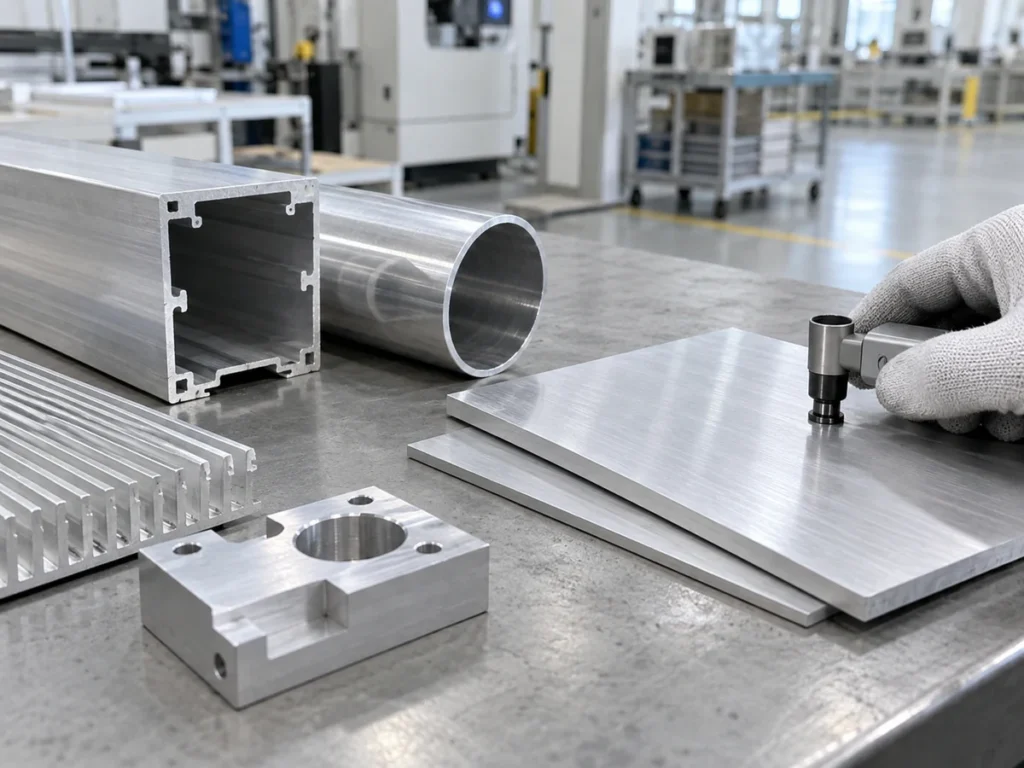
Check 1: appearance and sample approval
Describe the visual result in terms the buyer and finishing supplier can both review. Identify visible faces, color reference, gloss and texture requirements. Include the viewing arrangement or acceptance method required by the project.
Request representative samples for each proposed route. A screen image is a useful discussion aid, but it should not be treated as the complete appearance acceptance basis. Keep the supplier’s sample identity, finish system and approval record together.
For anodizing, clarify the finish designation and preparation scope with the anodizer. AAC’s finish specification explanation distinguishes mechanical finishing, chemical finishing and coating designations. A complete finish description can therefore involve more than a color name.
For a powder-coating proposal, request the actual product and finish reference. Do not assume that every product with a similar color label has the same texture, application suitability or acceptance criteria. Use the supplier’s current documentation for the quoted system.
Discuss which samples represent the visible parts in the assembly. A cover, an extruded housing and a machined bracket may come from different fabrication routes. Ask the finishing provider to address the intended visual relationship instead of promising an exact match from a shared color word.
Check 2: service conditions and required evidence
Give both suppliers the same description of the end use. Identify indoor or outdoor service, the relevant exposure and the cleaning or handling conditions defined by the project. Let the responsible designer establish the finish requirement where performance matters.
Ask for evidence relevant to the proposed system and substrate. Keep the test method, specimen description and evaluation criteria attached to any report. A general statement about a process is different from evidence for the specific finish offered.
Avoid universal rankings such as “always more durable” or “always better outdoors.” The process name is too broad to settle the actual requirement. Ask whether the quoted product, preparation and application scope satisfy the specified acceptance basis.
If a quotation includes a durability claim, request its scope. What application, environment and maintenance assumptions does it cover? Record the answer without turning a laboratory result into a universal service-life prediction.
Check 3: finished dimensions and functional interfaces
Mark the interfaces that must work after finishing. These may include a sliding cover, a threaded hole, a bearing seat, a gasket face or an assembly slot. State whether the drawing dimension applies before or after the finish.
Ask the finishing provider and fabricator to review the relevant surfaces together. Do not assign a universal clearance allowance based only on the finish name. Use the proposed process, specified thickness requirements and approved drawing as the basis for review.
Clarify any masking requirements with an annotated drawing. Identify the surface and the reason it needs a different treatment. A vague “mask all important areas” note does not tell a supplier which boundary to follow.
Where an electrical contact or other functional surface is involved, have the responsible designer define the requirement and verification. Do not infer conductivity or contact performance from color, gloss or a photograph. This article does not provide an electrical design approval.
For the detailed dimension review, see the anodizing thickness and fit guide. Keep those interface questions attached to the finish alternative being considered.
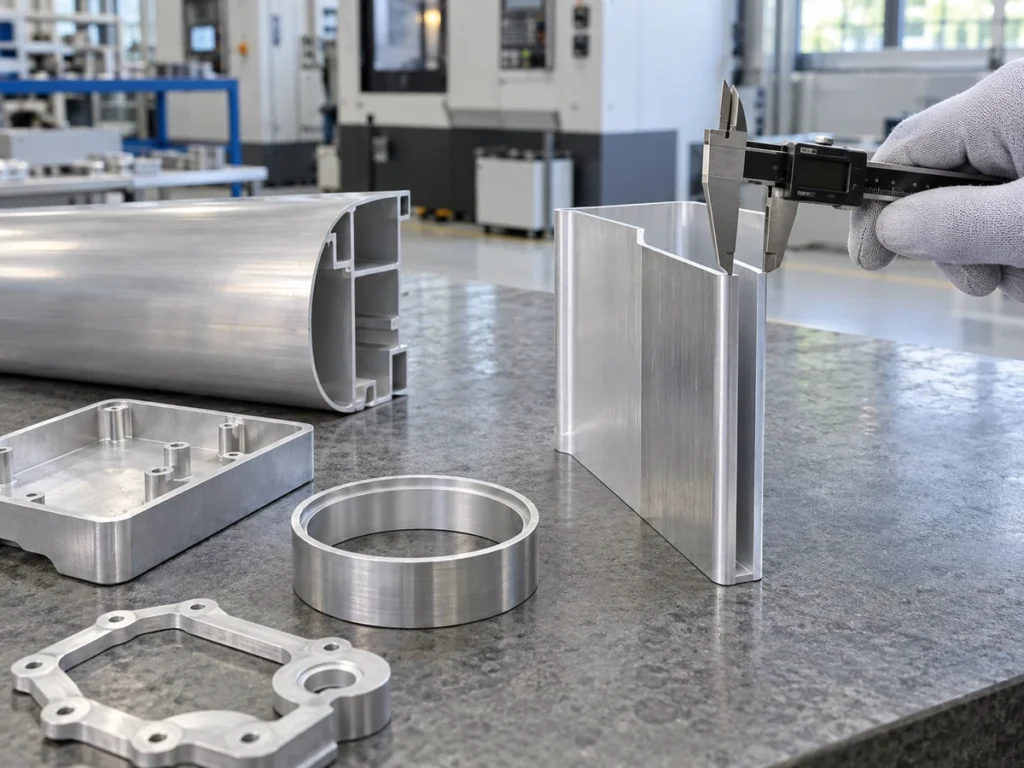
Check 4: fabrication and delivery route
Draw a short route from incoming stock to finished assembly. Include cutting, drilling, tapping, deburring, finishing and any later operations actually planned. Ask who supplies the part at each stage and who checks its condition at handover.
Confirm how cut ends and newly machined surfaces are handled. A part cut from previously finished stock can have a different end-surface condition from a part finished after fabrication. Specify the condition required on the actual delivered component.
Review racking, masking and contact-location questions with the finishing provider. Keep their proposed locations tied to the drawing and visible-face requirements. Do not select them from an illustrative photograph.
Ask how representative parts will be packed, identified and protected during transport. Compare the complete quoted route, including any sample approval, finishing subcontractor and inspection scope. Avoid using a generic process preference as a substitute for a delivery plan.
The cutting before powder coating checklist covers the fabrication handover in more detail. For a machine discussion, provide the intended stock condition and finished-part route through JiurunCut’s contact page; ask for a cutting review based on the actual job.
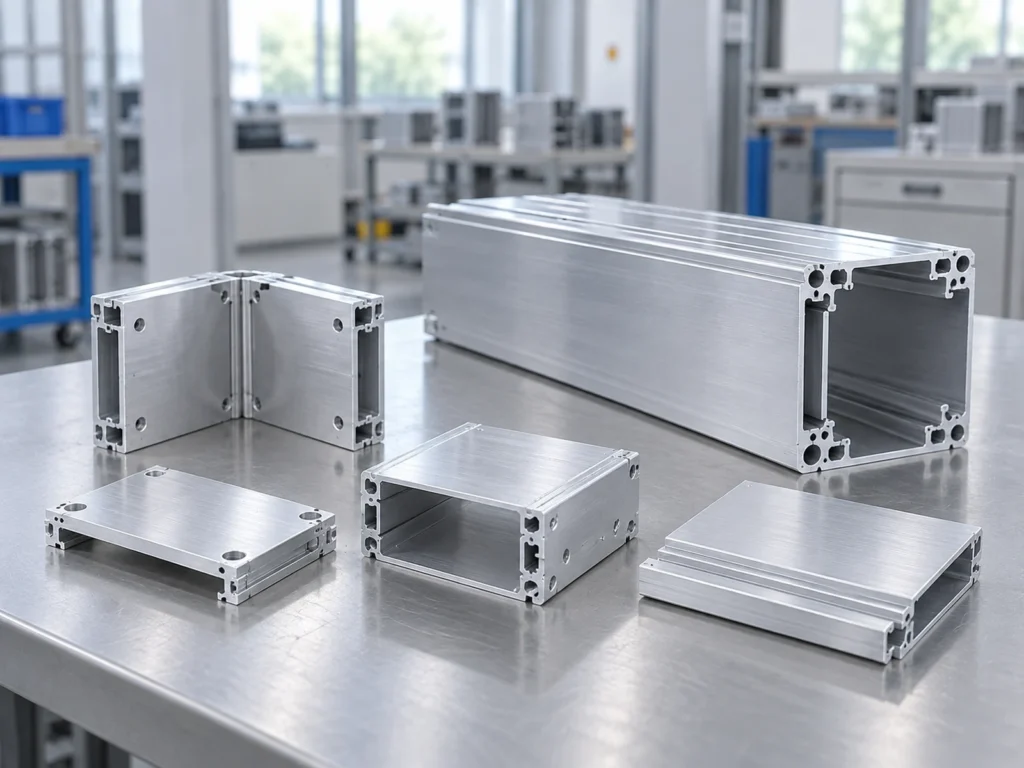
Build a comparison sheet for complete quotations
Use the same questions for each finishing proposal. Record unresolved items explicitly. The sheet below is a purchasing prompt, not a specification or a ranking of the two processes.
| Decision area | Record for each proposal |
|---|---|
| Appearance | Finish identity, representative sample and acceptance reference. |
| Service requirement | Applicable exposure, required evidence and any stated limits. |
| Interfaces | Finished dimensions, functional surfaces and approved masking boundaries. |
| Delivery scope | Fabrication sequence, inspection, packing and quotation assumptions. |
Resolve an alternative without losing the drawing requirement
Imagine a buyer requesting an anodized housing while a supplier proposes powder coating as an alternative. This is a hypothetical quotation review. It does not establish that either finish is suitable for a real product.
Keep the original finish request visible. Ask the supplier to describe the alternative system and any effect on appearance, interfaces, processing route and acceptance. Obtain the responsible buyer or designer’s decision before replacing the finish requirement.
Save the approved drawing revision and sample reference with the order. A changed quotation should make the change understandable to purchasing, fabrication and receiving inspection. Avoid leaving one document with the old finish and another with the new one.
Buyer questions
Which option is cheaper?
Compare quotations for the same material, quantity, geometry and finish requirement. Include preparation, samples, masking, inspection and delivery scope. A generic cost ranking does not price the actual order.
Can the two finishes use the same color name?
A name alone is not an appearance approval. Request representative samples and agree the relevant visual acceptance basis for each proposed system. Keep gloss and texture in the comparison.
Will finishing solve a dimensional problem?
Do not assume it will. Resolve the required finished dimension and the proposed process with the responsible parties. Ask whether the current drawing and fabrication route support that requirement before accepting a finish alternative.
Does JiurunCut supply either finish with every cutting job?
This guide does not promise a finishing service or particular system. Describe the stock and part requirements in the enquiry, and confirm the supplied equipment and job scope in the actual quotation.