
The lid clicks into place along most of a run, then lifts near the freshly cut end. Before shortening another part or forcing the clip, check which component was cut and what that cut changed. In aluminum trunking cover cutting, the saw supplies a length and an end condition; the cover still has to engage the matching body and finish against the specified joint or accessory.
That distinction matters because “trunking” can mean a body, a separate cover, a partition, or a completed system. Legrand’s snap-on aluminum trunking technical sheet lists bodies and covers as separate items and describes accessories that conceal cover cuts. Its details are an example of one manufacturer’s system, not a dimension or fit guarantee for another brand. The buyer should identify the actual approved body, cover and accessory family before asking a saw supplier to reproduce a short piece.
Aluminum trunking cover cutting starts with the part list
Start with a simple stock map: full-length body, full-length cover, partition if present, and the joint or end accessory at each finished location. Mark the cut list separately for body and cover. A body cut may define the mounted run; a cover can have a different exposed span because a socket box, cover joint, angle or end cap occupies space. Copying the body length onto the cover order without checking the assembly can produce two accurate saw cuts that do not assemble neatly.
The drawing should state whether the requested dimension is the bare cover blank, the visible cover after installation, or the finished overall run. Record the datum at both ends. For a joint that hides cut edges, identify its approved overlap from the system drawing rather than inventing a universal subtraction. Where the cover is left visible, the cut face and corner appearance become separate acceptance points.
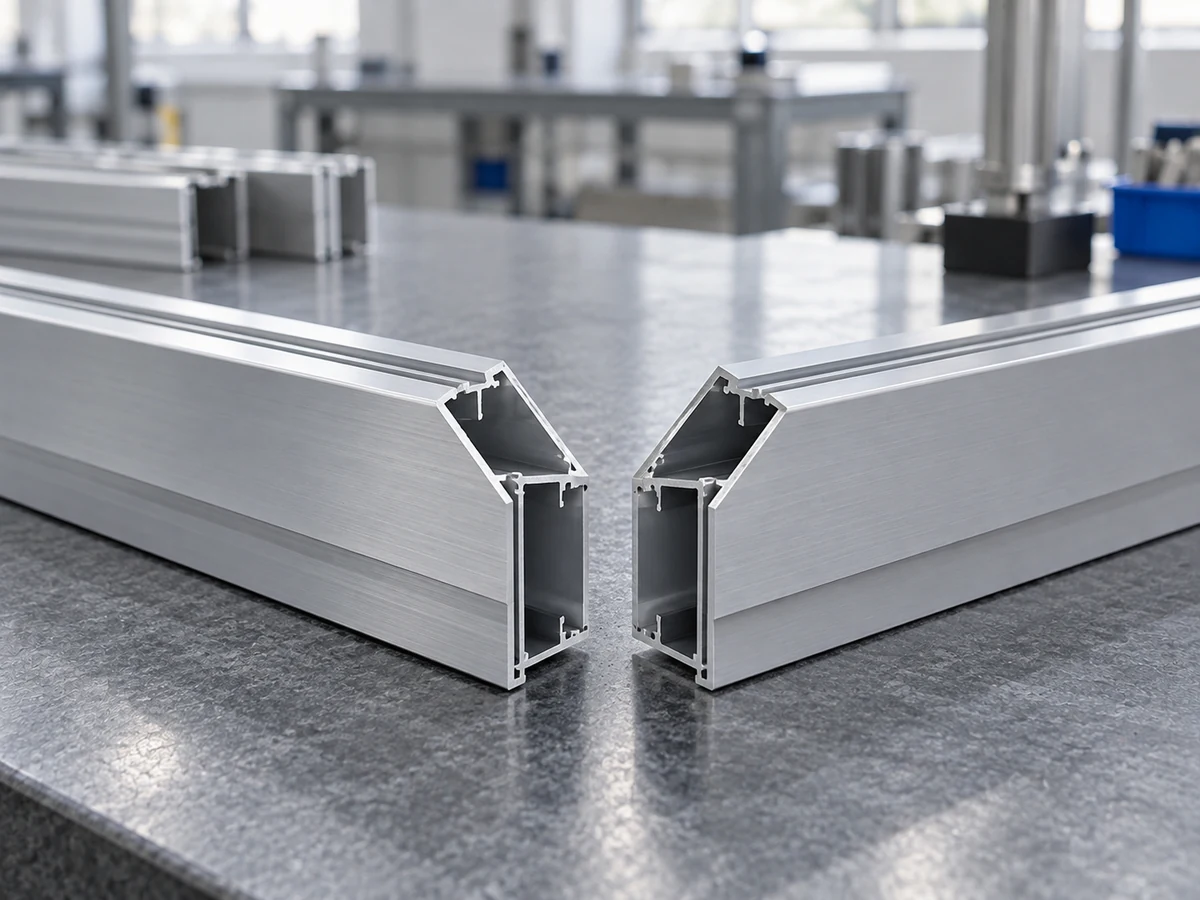
Trace the lifted end without guessing the cause
First compare the suspect cover with an untouched sample from the same approved product family. Check that the reference and cut pieces have the same cross-section, finish and orientation. Inspect the cut edge for an attached burr, a locally bent lip or a chip trapped in the engagement path. Do this with the machine isolated and the blade stopped; do not reach into a guard to diagnose a running cut.
Then fit the approved cover onto a short, known-good body section outside the machine. If the uncut stock also resists, investigate product compatibility, handling damage or the assembly method before changing saw settings. If only the cut sample fails at the end, compare its end geometry with the approved stock and examine how the clamp, support and blade exit treated the narrow lip. A visible defect can identify a review point; the photo alone cannot prove whether the blade, fixture, stock or installer caused it.
Record where engagement stops, which end of the blank is affected, and whether the failure follows a particular orientation or length. Retain one accepted sample as a physical comparison. Avoid using extra force to obtain a “pass”: a cover that snaps on only after its edge is deformed has not demonstrated the intended fit or service access.
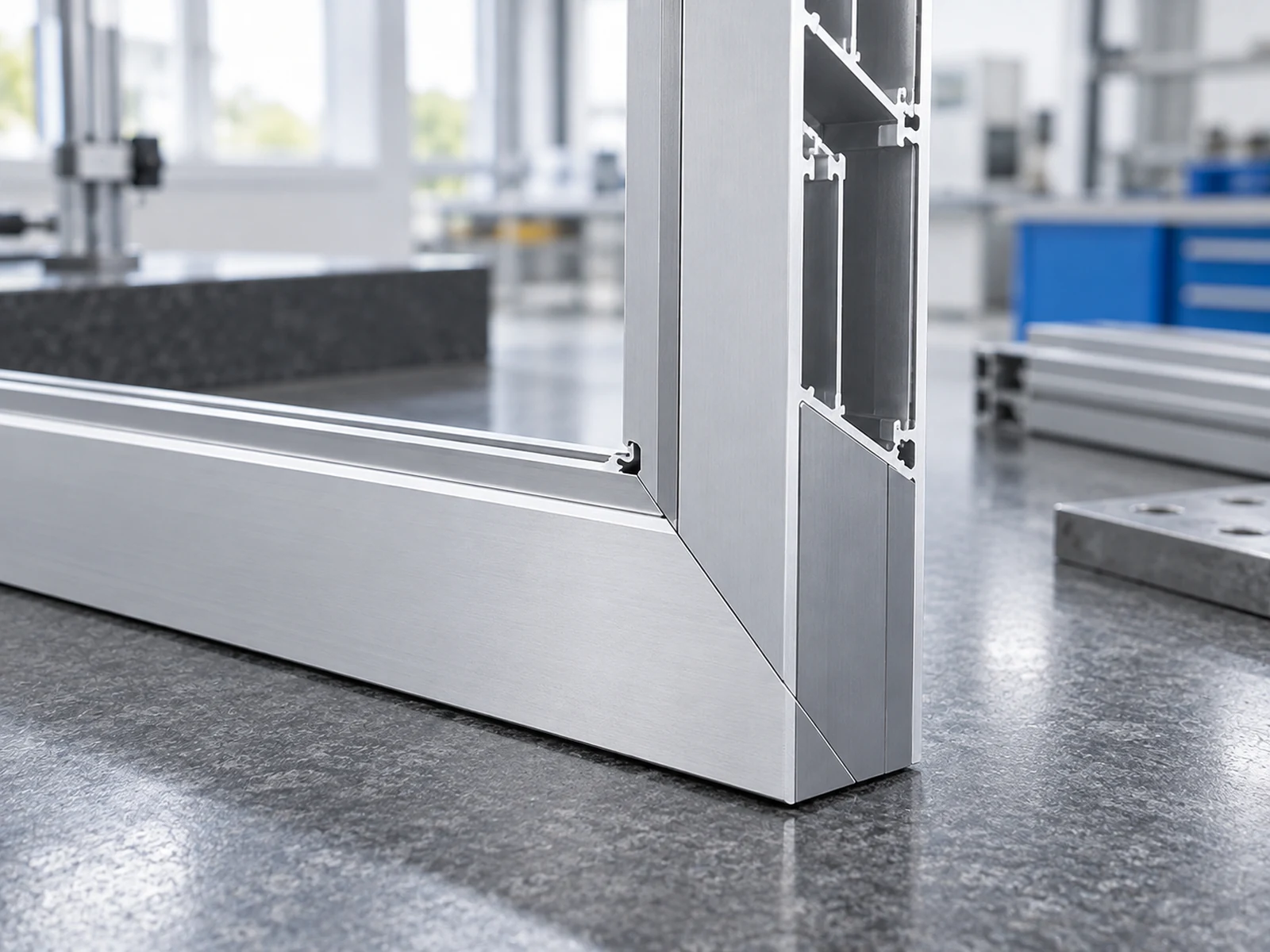
Decide what the joint is meant to hide
Legrand lists a cover joint for its 65 mm aluminum trunking cover that conceals cut edges. It also lists an end cap for a separate 50 × 85 mm snap-on trunking family. Those product examples must not be mixed into one proposed assembly. They show why the accessory identity belongs beside the cut length, not in a later site note.
A hidden edge still needs to let the correct accessory seat. A visible edge needs its own appearance criterion. At a device opening, the cover may be interrupted while the body continues. At a corner, the approved fitting may set the location of the cover end. Let the system designer define these interfaces; the saw supplier can then test whether its cut blanks meet the released end condition. Do not infer enclosure protection or electrical compliance from a clean saw cut.
Use a first-article fit, then decide the saw scope
Ask for a first-article record with the body and cover part numbers or approved section drawings, material and finish state, blank lengths, the reference face used at the saw, and photographs of both cut ends. Measure the bare parts against their own drawings. Then assemble the actual cover, body and specified joint or end fitting. The receiving team should record whether the cover engages along the whole trial length, where it lifts if it does, and whether it can be removed as required by the approved system.
If the order covers several widths or thicknesses, test representative ends of the approved range rather than one convenient profile. Include the shortest cover that is still practical to hold, the longest stock the feed and outfeed must support, and any finish or protective film that changes handling. The acceptance document should distinguish a conforming cut blank from a complete, approved cable-management installation.
For an aluminum trunking cover cutting equipment quote, identify whether the factory needs to cut only the aluminum body, only a separate aluminum cover, both, or a mixed queue. Some covers may be bought at catalog length or trimmed by the system installer. Our cable tray machine purchasing guide covers the larger member-production decision; this guide addresses the cover’s local engagement and cut-end handoff.
Watch a related feeding operation, then ask for your own trial
The Jiurun video below shows an automatic saw feeding and cutting straight aluminum profiles. It can help a buyer discuss reference faces, support and part collection. It does not show this trunking cover, Legrand hardware, an approved snap-fit assembly, a customer installation or evidence of the end condition described above.
Send the release package that answers the fit question
Send the approved body and cover section drawings, accessory references, cut list with separate datums, stock length and finish, the intended assembly sequence, visible-edge criteria and a known-good reference sample if available. Specify who approves the snap fit and finished installation. Ask the saw supplier to return measured cut blanks, end photographs, setup orientation and a clear statement of what was actually tested.
When a cut aluminum trunking cover will not snap on, the useful decision is whether the failure follows the cut end, the chosen product combination or the assembly stage. Send Jiurun the released aluminum cutting requirements for an equipment-scope review. The trunking system owner remains responsible for the matching parts and final electrical installation approval.