
Aluminum sneeze guard post cutting should begin with a released food-shield system drawing, not an isolated saw length. The same-looking square post can be a finished member in an approved kit, a prepared extrusion awaiting base and cap assembly, or a bare blank for a fabricator. Those are different purchasing responsibilities. A good RFQ states which one the buyer needs before anyone quotes cuts per hour or chooses a machine.
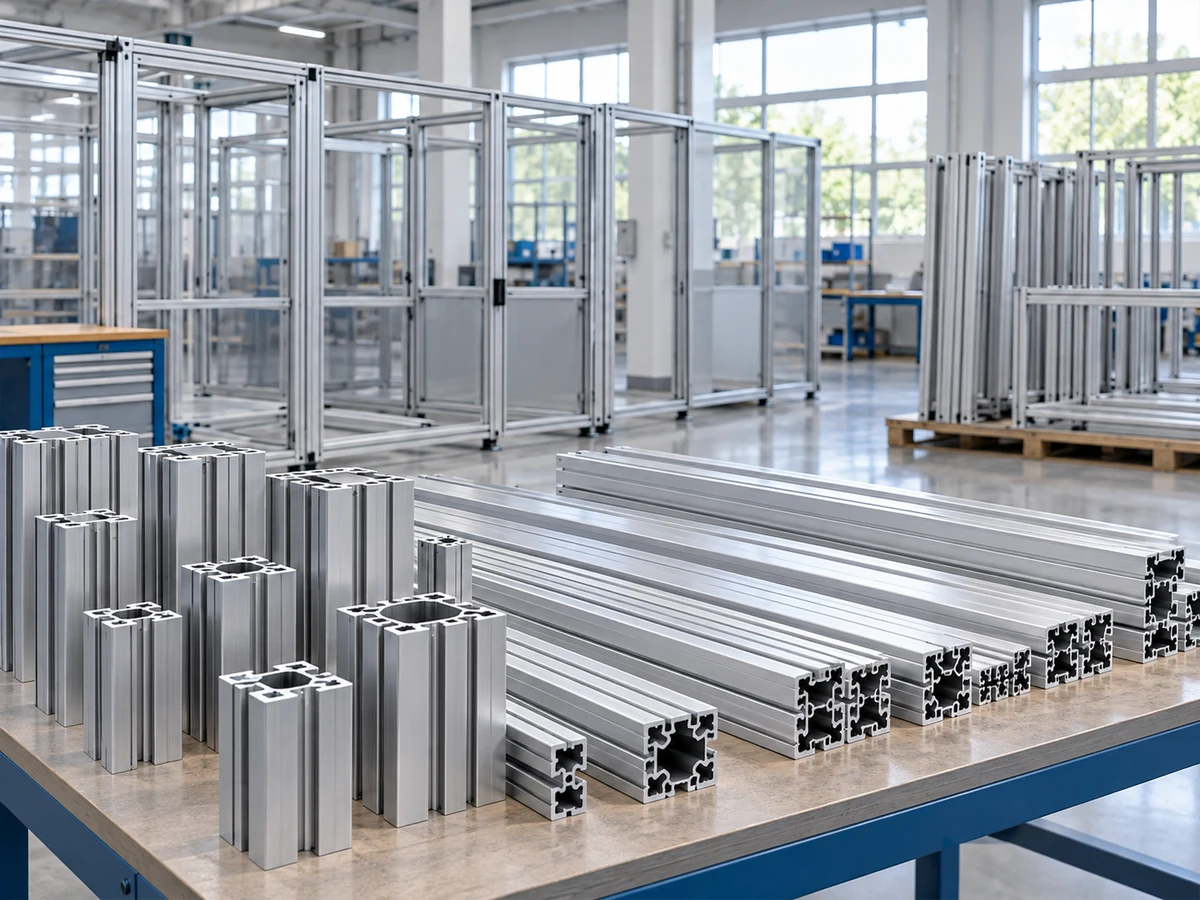
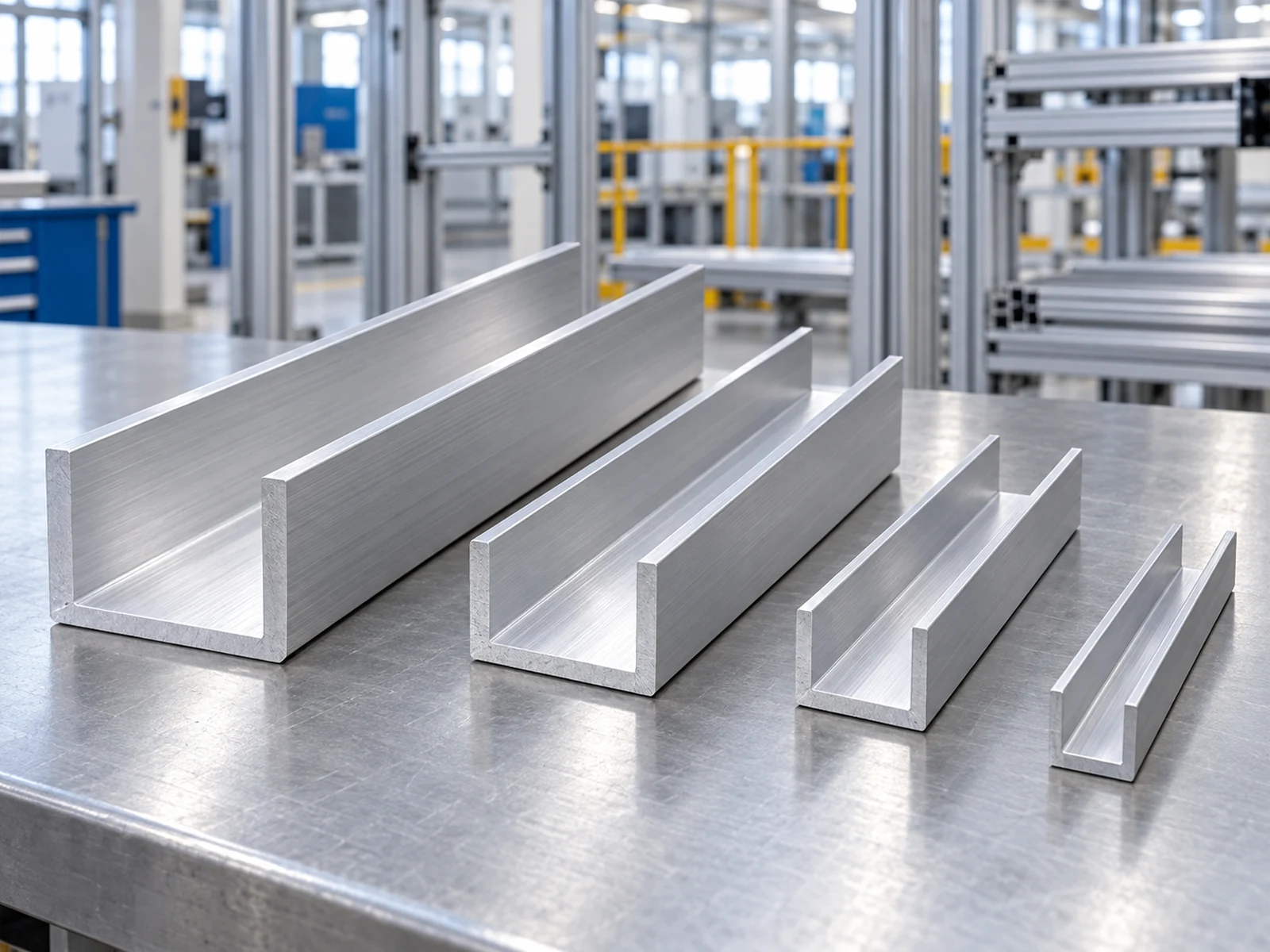
Use the five checks below to turn a post-length request into a trial that a buyer, fabricator and machine supplier can actually review. The equipment and profile photographs here are related illustrations only; they are not evidence that the pictured material is a specified sneeze-guard component.
1. Aluminum sneeze guard post cutting: system, kit or blank?
A complete system quote may include glazing, posts, bases, top caps, channels, brackets and installation details. A post kit quote may include cut posts plus identified hardware but exclude glass. A blank quote covers a defined extrusion cut to a defined reference length; the buyer still owns drilling, hardware, glazing fit and installation. Put the chosen scope on the drawing and purchase order. Otherwise two suppliers may price apparently identical “posts” while delivering different work.
Ask for the system or kit identifier, revision, finish, extrusion part number, hardware list and who releases the final glass and counter-interface dimensions. Do not infer a food-service design from a generic rectangular tube. The CRL food-shield and partition post guide illustrates why the post, channel and glazing belong to a named supplier system: its Design Series example specifies its own aluminum post section, U-channel interface and glazing assumptions. Those particulars are CRL’s, not a Jiurun machine specification or a universal food-shield rule.
2. Which post and glass interfaces control the cut?
Mark the finished post orientation and every functional face on a section drawing: glazing channel, cap seat, base connection, any accessory slot, and the face that must remain visible. State whether the post is a center, end or corner member. Those positions can use different hardware and expose different cut faces. Keep the post-to-post dimension separate from the glass deduction and from the extrusion cut length.
System-specific glass deductions must never be borrowed across suppliers. For example, the ADM Sneezeguards FAQ describes a deduction for its own post layout, while CRL publishes a different Design Series interface in its guide. Neither number is a default setting for another system. Request the approved shop drawing or supplier instructions and identify the owner who will sign off the glass size.
3. What does the length actually measure?
Label the dimension as raw extrusion blank, cut post before base and cap, or installed finished height. Show the reference faces and tolerance on the released drawing. A nominal counter-to-top height is not automatically a saw stop setting: bases, caps, gaskets and mounting details may change the relationship. Ask whether the length is common across every position or varies by center/end post, counter level or installation zone.
The RFQ should give quantity by length and revision, minimum and maximum blank length, profile wall and outside dimensions, finish protection requirement, end squareness and burr criteria, and whether further drilling or milling follows cutting. If hardware must fit at the end, define the cut-face quality needed for that next step. A supplier can then test the cut against an assembly-relevant acceptance method rather than a vague “clean end” request.
4. Can the actual released post be held and checked?
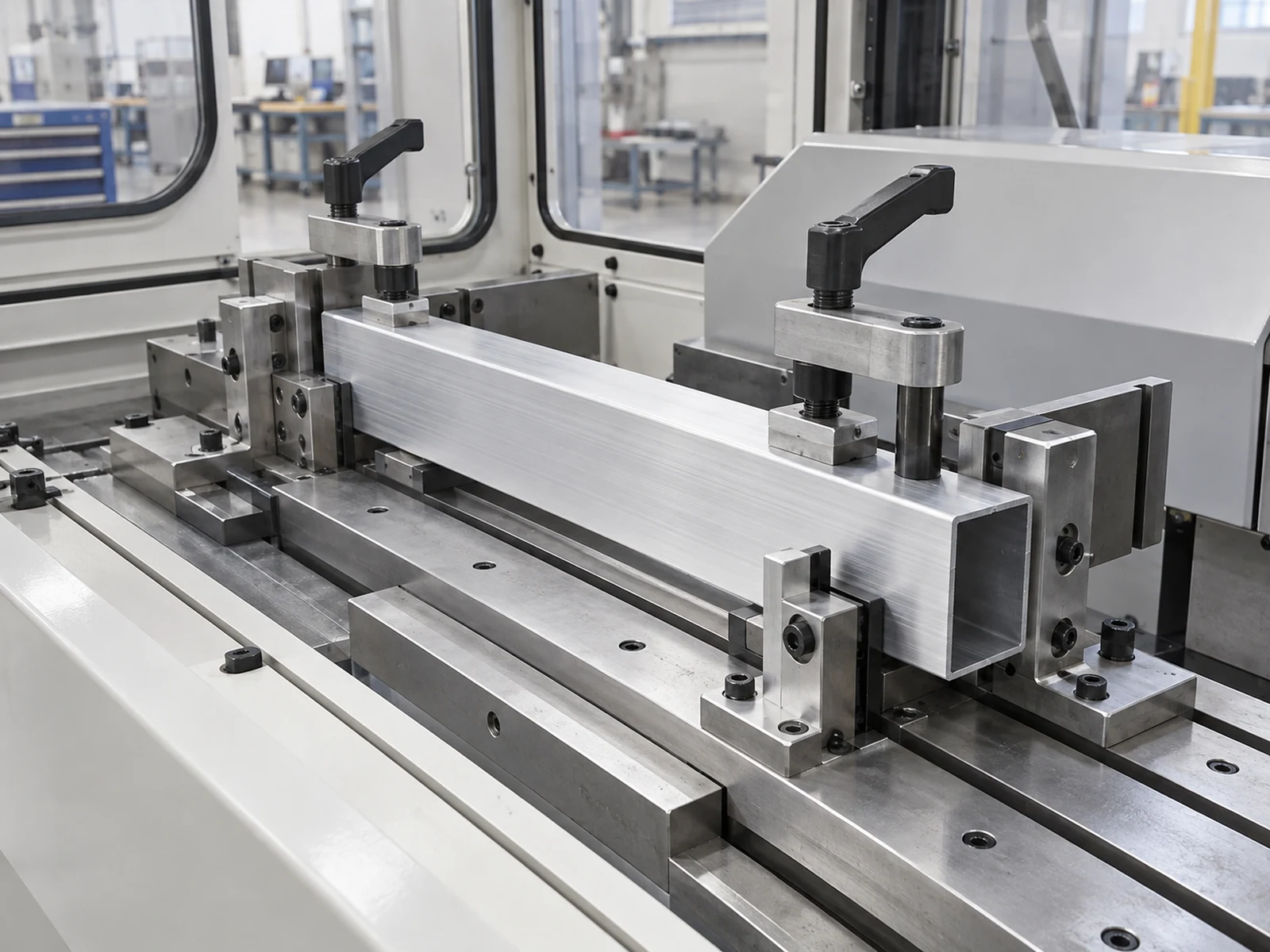
A machine trial should use the real released extrusion section, not an easier generic square tube. Before running, map the glazing-channel opening, unsupported lips, cosmetic face and base-connection region against the clamp pads, support table and stop. Confirm that pressure will not close the channel or mark the visible anodized surface. Document which side faces the fence and how long stock is supported at infeed and outfeed.
Trial pieces should include the shortest and longest released lengths, and at least one piece for every materially different post section or finish. After cutting, check length from the named datum, end condition, channel opening, visible surface, and dry fit with the actual cap/base or a released gauge. Record the profile ID, machine setup, blade, clamp contact, result and rejected pieces. The photo below shows a stopped generic tube setup only; it does not establish performance for a food-shield post.
5. Who owns system approval and the final acceptance record?
The machine supplier can demonstrate a cutting setup and report measurements on the submitted extrusion. The system designer or qualified project team must approve glazing, mounting, stability, installation and any applicable local requirements. The CRL guide distinguishes food-shield arrangements and advises checking with the relevant local authority; a saw trial cannot grant food-service or building approval. Keep these responsibilities visible on the RFQ so cutting evidence is not mistaken for system certification.
Ask the cutting supplier to return a sample log: approved drawing revision, extrusion heat or batch if traceability matters, measured lengths, channel and cosmetic checks, assembly-gauge result, setup photos and any exceptions. Ask the system supplier or fabricator to approve the complete post/glass/base build separately. If the first sample fails, correct the datum, clamp or downstream assembly assumption before estimating production rate.
What to send in a useful RFQ
- Named system or kit, position of each post, released drawing and revision.
- Actual extrusion samples or complete section drawing, alloy/finish if known, and cosmetic faces.
- Cut length datum, tolerance, quantity by length, and downstream drilling or assembly steps.
- Matching base, cap, channel and glass-interface documents from the system owner.
- Trial acceptance method, gauges or mating parts, and the person authorized to sign off the result.
For a broader machine-setup discussion, see aluminum saw clamping guidance. Send Jiurun the released post section and cut schedule through the contact page if you want a profile-specific cutting trial plan. For aluminum sneeze guard post cutting, a quote should state exactly which post, datum and acceptance record it covers.
Equipment demonstration context
The Jiurun video below shows general cutting equipment. It does not show the post, named food-shield system, quoted machine configuration, customer project or sample trial discussed above, and it is not proof of cutting accuracy or suitability for this application.