
An aluminum saw to parts washer transfer starts with the cut piece that actually leaves the saw, not an ideal clean sample. A profile can carry loose chips, a trace of the approved cutting fluid, or both. A short part may arrive loose in a container while a long member moves on a conveyor. If a buyer quotes the washer against the wrong incoming state, a successful saw trial and a successful cleaning trial can answer different questions.
Use this guide when you are buying or integrating an aluminum cutting station upstream of an existing or proposed parts washer. It defines the saw-to-washer input and the evidence to request from both suppliers. It does not prescribe a wash chemistry or claim that a Jiurun saw includes cleaning equipment.
Draw the aluminum saw to parts washer boundary on one route sheet
Begin with one released part family and one route. Identify the last point controlled by the saw supplier, the first point controlled by the washer supplier, and any handling between them. For a direct conveyor link, specify transfer height, part orientation, arrival rate, stop and restart behavior, and the way a rejected or short part is diverted. For a batch route, name the container, maximum fill, part separation, travel time, and who loads the washer basket. The same drawing should show where stock becomes a cut piece and where the washer accepts custody.
Ask each supplier to mark the equipment it is actually quoting. A saw outfeed is not automatically a washer infeed. A basket or tote that transports parts may be unsuitable inside a washer. The agreed transfer method should be visible in the quotation and the trial plan rather than left to an installation assumption.
Describe the incoming load, including its worst ordinary case
A washer supplier needs a representative contaminated part, its geometry and the required cleaned state. Ecoclean explains that cleaning trials use contaminated production parts because the process depends on the real cleaning task. The buyer can translate that principle into an incoming-load sheet for saw-cut aluminum.
- Part and surface: provide the released alloy or material designation, finish, cross-section, length range, cut-end condition, visible faces, and any holes or channels that can retain material. Do not assume a nominal outside size describes the internal path.
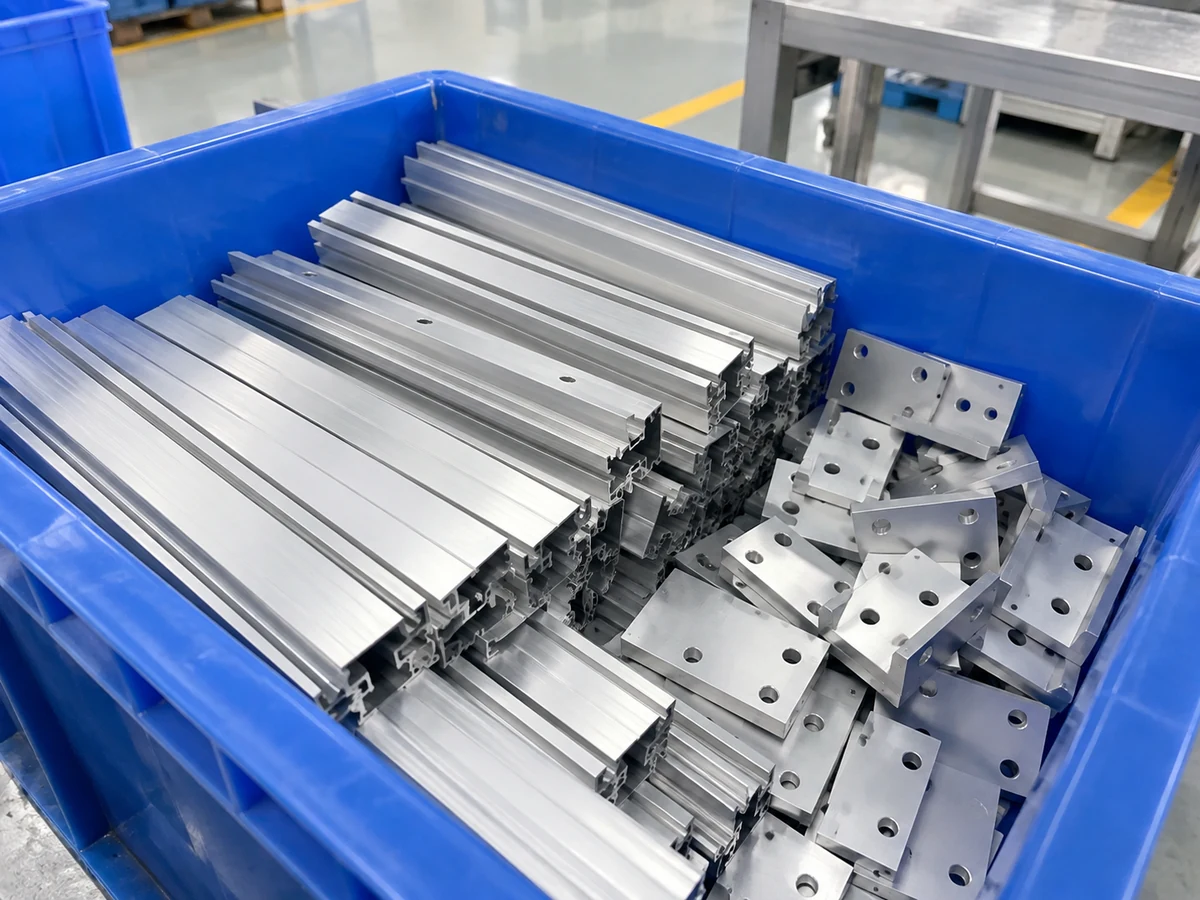
- Contamination: identify loose chips, fines, and the actual approved cutting lubricant or coolant, if used. Record where it appears and whether it drains, pools, or remains on a cut face. Do not substitute a generic “dirty part” label.
- Presentation: state whether parts arrive singly, nested, stacked, or mixed with offcuts. Define orientation, maximum batch, and the container or fixture that travels between machines.
- Variability: include the longest and shortest accepted pieces, the most chip-retentive approved section, a normal production batch, and a changeover condition. Agree which examples are within the purchase scope.
Separate saw exit condition from washed-part acceptance
Write two acceptance lines. At the saw exit, the question is whether the specified cut pieces are identified, safely transferable, and within the agreed chip and fluid input envelope. At the washer exit, the question is whether the washer supplier’s agreed inspection method and acceptance criteria are met. The second line cannot be inferred from a saw cut, and the first cannot be inferred from a clean sample that never passed through the saw.
For example, a supplier may offer chip collection near the blade, yet a hollow section can still retain loose material inside. A washer may be able to reach an exposed surface but need a different part presentation for a deep channel. ALMCO describes how immersion cleaning can reach recesses and internal passages; that is a description of a washer technology, not proof that any chosen washer will clean your particular extrusion. The actual part and agreed cleanliness test decide.
If the next operation is anodizing, bonding, coating, or assembly, have that process owner define its receiving condition separately. Our anodizing handoff guide addresses the later clean-part decision; this article fixes the input presented to the washer. For hollow tube chip checks before another operation, see the tube chip removal guide.
Run a joined trial with traceable saw output
Do not test the washer using a hand-cleaned coupon if production will feed it directly from the saw. Schedule a witnessed sequence that preserves the real upstream state. A useful trial record names the part drawing and revision, stock condition, saw setup, cutting fluid used, batch identity, transfer container, elapsed time, washer process and the downstream inspection method. Record what was observed; avoid turning a supplier demonstration into a universal cleanliness claim.
- Cut the agreed representative and difficult sections under the proposed saw process. Identify individual samples and retain the accepted saw settings.
- At the saw exit, inspect and document visible chips, retained fluid, cut-end burrs where relevant, and the transfer condition. Keep any containment or pre-cleaning step explicit.
- Move those same parts through the proposed transfer method. If parts are tipped, stacked, drained, or reoriented, record it.
- Let the washer supplier run its agreed process and inspect to the receiving owner’s written criteria. Include a failure disposition and retest rule.
- Repeat a normal batch and a changeover case when those conditions are within the purchase scope. Agree who signs each boundary.
Put the interface questions in both RFQs
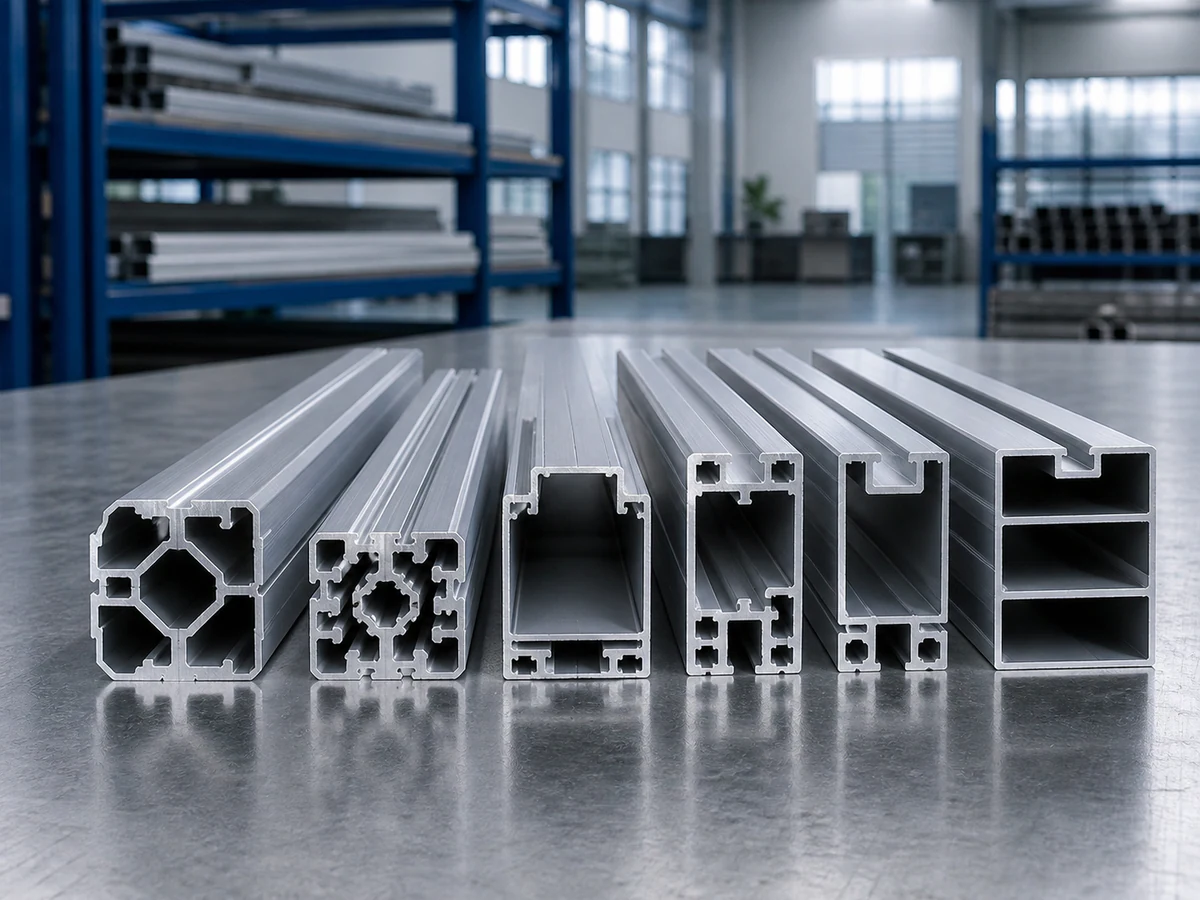
For an aluminum saw to parts washer RFQ, the saw supplier should identify the cut-piece families, output presentation, handling equipment, agreed chip-control scope, and evidence delivered at handoff. The washer RFQ should identify the accepted incoming contamination and geometry, loading method, wash process ownership, inspection method, and discharge condition. If a transfer conveyor or robot is separately supplied, give it a third boundary with its own stop, reject and recovery rules.
Ask who supplies and maintains containers or fixtures; who removes loose offcuts before wash; who owns rework after a failed cleanliness check; and what change in material, fluid or profile requires a new trial. These are procurement decisions, not performance figures. A priced line item and a signed sample record make the interface reviewable.
What the JiurunCut video can and cannot show
The following video is from JiurunCut’s own channel. It shows a related CNC aluminum saw and feed arrangement. It does not show a parts washer, the specified contamination load, a customer process, or a cleanliness test. Use it only to visualize the upstream cutting context.
Send a saw inquiry with the actual receiving condition
Share the profile drawing, material, finished lengths, planned saw process, expected batch mix, and a description of how parts will reach the washer. Include the washer supplier’s incoming-load sheet if it exists. Send JiurunCut your cutting inquiry and ask us to mark the saw output and sample-cut scope clearly in the quotation. Confirm the downstream cleaning and final cleanliness criteria with the washer and process owners.