
A familiar machine photograph or brand name does not identify the business selling the equipment. The person answering an aluminum saw inquiry may work for a manufacturer, a distributor or another commercial party. Those arrangements can be legitimate, but the buyer still needs to know who issues the offer, who can confirm it and which party makes the proposed service commitments.
Aluminum saw seller verification starts with that commercial identity. It connects the named parties and their evidence to one current quotation. It is separate from confirming the cutting task, reviewing a factory or deciding which offer has the best value. The practical record below helps purchasing staff expose unanswered identity questions without treating an unexplained difference as proof of fraud.
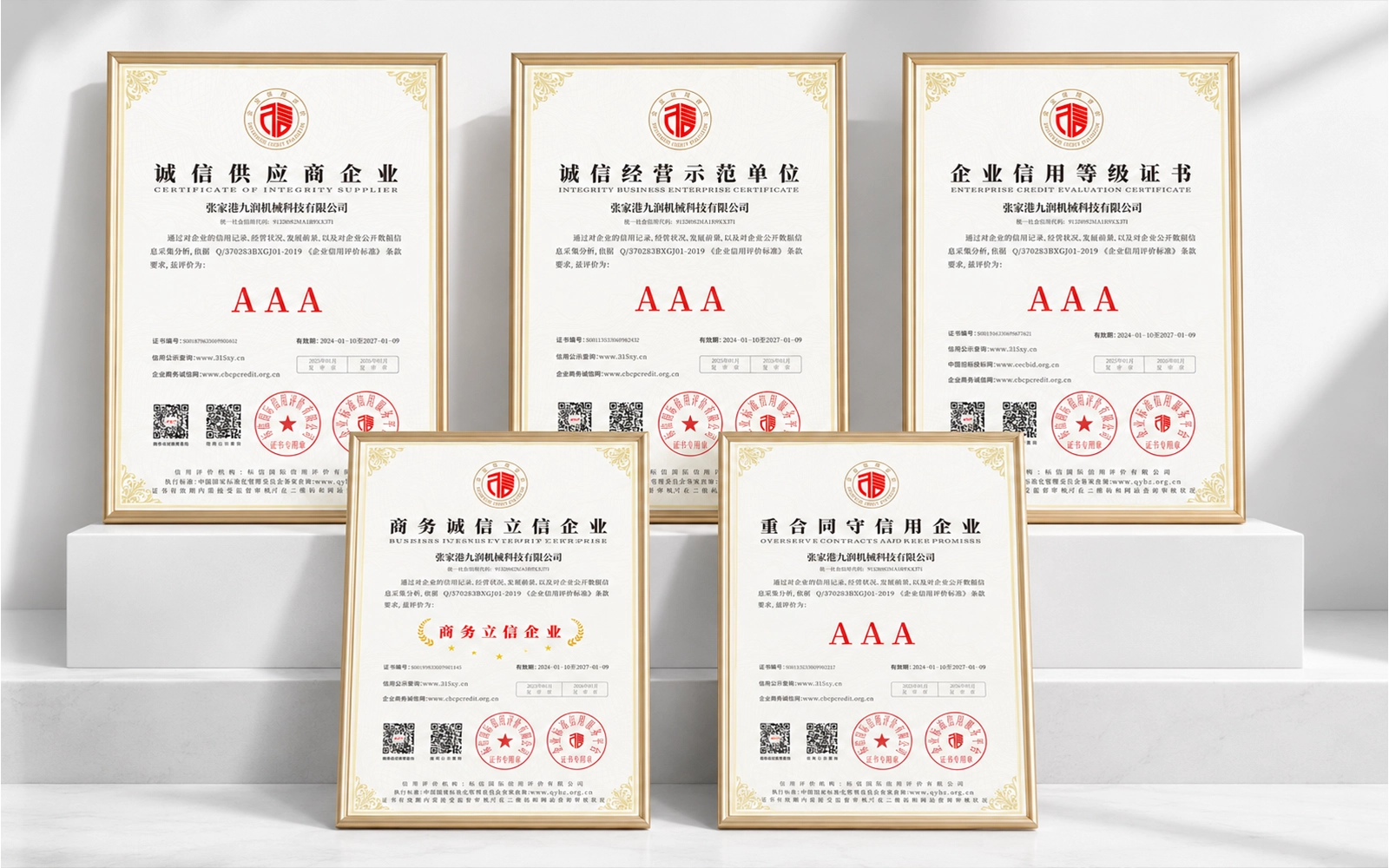
Begin with the seller named in the current offer
Record the seller’s full business name as shown in the quotation, its stated address, the quotation reference and the contact responsible for the response. Keep a trading name or machine brand in a separate field where it differs from the stated business identity. Similar wording and matching logos do not establish that two names refer to the same entity.
Ask which business would receive the purchase order and issue the corresponding commercial documents. Compare the answer with the actual offer rather than assuming that the company whose machine appears in a brochure must also be the seller. If the documents identify different parties, request a written explanation of their roles and the documents to which each explanation applies.
A spelling difference, translation or abbreviated address may have an ordinary explanation. Preserve the original information and ask the responsible party to resolve the discrepancy. Do not silently edit the seller’s identity in an internal table to make the documents appear consistent.
This record does not determine whether an entity is legally authorized to contract or satisfies a jurisdiction’s registration requirements. Apply the buyer’s own supplier onboarding and approval process to the actual transaction. Keep that decision separate from a sales contact providing a plausible explanation.
Distinguish the seller from the manufacturer and service provider
Ask who manufactures the proposed equipment, who sells it under this offer and who provides each named service. These roles may belong to one business or several. The question is whether the relationship and commitments are evidenced for the specific offer, not whether every buyer must purchase directly from a factory.
| Party role | What the buyer needs to establish |
|---|---|
| Quoted seller | Business issuing the current offer and identified purchase documents |
| Manufacturer | Business identified as making the proposed equipment |
| Commercial contact | Person and verified route for questions about the named offer |
| Service provider | Party named for each proposed service and evidence of that commitment |
| Buyer reviewer | Responsible person approving the supplier identity and unresolved conditions |
Keep any claimed manufacturer relationship specific. A distributor logo on a website or an old authorization document may not establish the relationship for the current product, territory or date. Where the relationship matters to your purchase, obtain current evidence and confirm it through an independently established contact with the relevant business.
Do not assume that a distributor’s promise automatically becomes a manufacturer’s obligation. Likewise, naming a service company in a quotation does not by itself show that the service company has agreed to the quoted work. Retain the actual confirmation and its scope. Where confirmation is missing, leave the affected commitment unresolved.
Use each document for the question it can actually answer
A business-registration record can help identify a registered entity within the relevant registry’s scope. It does not demonstrate that an email sender represents that entity, that a saw meets your part requirements or that a particular service is included. Record which registry and entity were checked, what information was actually returned and when the check occurred.
A quotation identifies the offer its issuer is presenting. A brochure describes products or capabilities within its own stated scope. A photograph may show equipment. None of those items independently validates every other item in the file. Avoid turning a large document folder into a single unsupported “verified supplier” label.
If you receive relationship evidence, note its issuer, named recipient, covered product or activity, date and any stated limits. Where the issuer’s confirmation is important, establish the issuer’s contact independently. Forwarding the same document back to the person who supplied it only records that person’s explanation.
Keep technical evidence separate. The factory-audit scope and the actual cutting-job assessment answer different questions from commercial identity. A satisfactory identity record does not prove equipment performance, while a convincing machine demonstration does not resolve an unexplained seller name.
Confirm the contact route before relying on unexpected instructions
The US Federal Trade Commission’s small-business phishing guidance explains that messages can imitate familiar contacts and corporate logos. It recommends checking a purported message by calling a number known to be genuine. For a machinery inquiry, that supports using an independently established contact route rather than treating a familiar-looking email as sufficient verification.
Use a contact route already established through the buyer’s supplier approval process to check unexpected changes. A new phone number supplied only in the changed message is not independent confirmation. Record the actual response and the affected document; leave an unanswered identity question open.
Refer sensitive instructions to the buyer’s authorized purchasing and finance process. This guide supplies no bank details or payment approval, and makes no finding about any actual Jiurun message.
An invented identity mismatch needs an explanation, not a guess
Imagine a fictional quotation displaying “River Machinery” as its trading name, identifying “River Equipment Trading Ltd” as the seller and showing photographs of equipment made by “Valley Manufacturing.” A service paragraph names “Local Service Partner.” These invented names are not actual businesses or Jiurun relationships.
The buyer should first ask the quoted seller to explain the roles and identify the exact business behind the offer. If the manufacturer relationship or service arrangement matters to approval, obtain appropriate evidence from the named parties through verified routes. Do not collapse the four names into one supplier identity because the quotation uses a single logo.
| Unresolved question | Useful next evidence | What remains separate |
|---|---|---|
| Who sells the equipment? | Current seller identity tied to the quotation and purchase documents | Manufacturer capability |
| What is the manufacturer relationship? | Current relevant relationship evidence and appropriate issuer confirmation | Cutting-job suitability |
| Who provides the named service? | Specific party and confirmed proposed service scope | Overall warranty interpretation |
A resolved explanation may show a normal commercial arrangement. An unresolved explanation leaves a purchasing condition. Neither result should be invented from the appearance of the documents. The buyer’s responsible reviewer decides what evidence is sufficient under its supplier approval process.
Follow the identity mismatch through two possible outcomes
Continue the fictional River offer. The buyer records three open issues: the legal business behind the trading name, the manufacturer relationship for this equipment, and the service party’s proposed role. These are separate rows because they need different evidence. One satisfactory answer should not change all three rows to confirmed.
In the first invented outcome, River supplies a corrected offer identifying the quoted seller consistently and explaining that the trading name is a brand used in that offer. The buyer’s responsible reviewer checks the relevant entity record through the appropriate established source. Valley separately confirms the stated relationship for the equipment under review, and the named service party confirms the particular proposed activity. Keep each result attached to its issuer and scope.
That outcome can close the identified discrepancies if the buyer’s approval process accepts the evidence. It still does not establish cutting accuracy, production capacity or the financial value of the purchase. The buyer returns to those separate questions with a more clearly identified offer. It should not advertise that the supplier is verified for every possible future transaction.
In the second invented outcome, River explains only the difference between its trading and seller names. No current manufacturer confirmation is available, and Local Service Partner has not confirmed the described work. The seller-name explanation may be usable, while the other two rows remain open. Describing the result as partially resolved is more informative than a single pass or fail label.
If the service commitment is essential to the buyer’s purchase, identify that dependency before comparing the offer with another one whose service scope has actual confirmation. A buyer may decide to request further evidence or review an offer that omits the unconfirmed service, but it should not count that service as an established inclusion. Record the actual decision rather than making one for the buyer from an illustration.
Neither outcome accuses any business of dishonesty. The names and responses are invented, and a missing confirmation is a missing confirmation. An unexplained inconsistency deserves a question and a responsible review, rather than a claim about the company’s motives.
Hand over the purchasing file without losing the evidence boundaries
Before another colleague takes over, identify the current quotation and keep a short list of what remains open. Link each party row to the original supporting document and the specific response that closed it. A recipient should be able to tell which business supplied a claim and which independently established source confirmed it.
A useful handover also states what has not been concluded: equipment suitability, the buyer’s commercial approval and any service question outside the checked scope. This is not extra paperwork for its own sake. It prevents the next reviewer from mistaking a note such as “seller name reconciled” for permission to treat the whole purchase as approved.
Keep aluminum saw seller verification attached to individual claims
Use a small evidence register. For each claim, record the named party, the supporting document, the independent confirmation where needed, the date and the reviewer. Show the result as confirmed for the stated question, inconsistent or unresolved. Include the reason a claim remains open and the next responsible action.
For example, confirming the seller name on a current document does not automatically close the manufacturer-relationship row. Confirming a contact route does not automatically close a service commitment. This prevents one successful check from spreading into unsupported conclusions elsewhere in the purchase file.
Retain original documents when a corrected version arrives. Identify the current version and explain which discrepancy the correction resolves. A new name, address or contact after review is a change to investigate, even if the proposed machine and price look unchanged.
Keep the evidence accessible to the people who actually approve the purchase. Collect only the information relevant to the decision and handle sensitive documents through the buyer’s agreed process. The register is a purchasing aid, not a request to publish another business’s private information.
Return to the equipment decision after identity questions are resolved
Once the relevant parties and communication routes are established, review the current equipment proposal against the actual cutting requirement. Check what is included, which statements are conditional and who supplies the evidence needed for the buyer’s evaluation. Commercial identity and technical suitability are both relevant, but neither can replace the other.
Keep unresolved service-provider relationships visible when comparing offers. Refer to the aluminum saw service questions for the separate scope discussion. A named contact alone does not establish available service coverage or a promised response time.
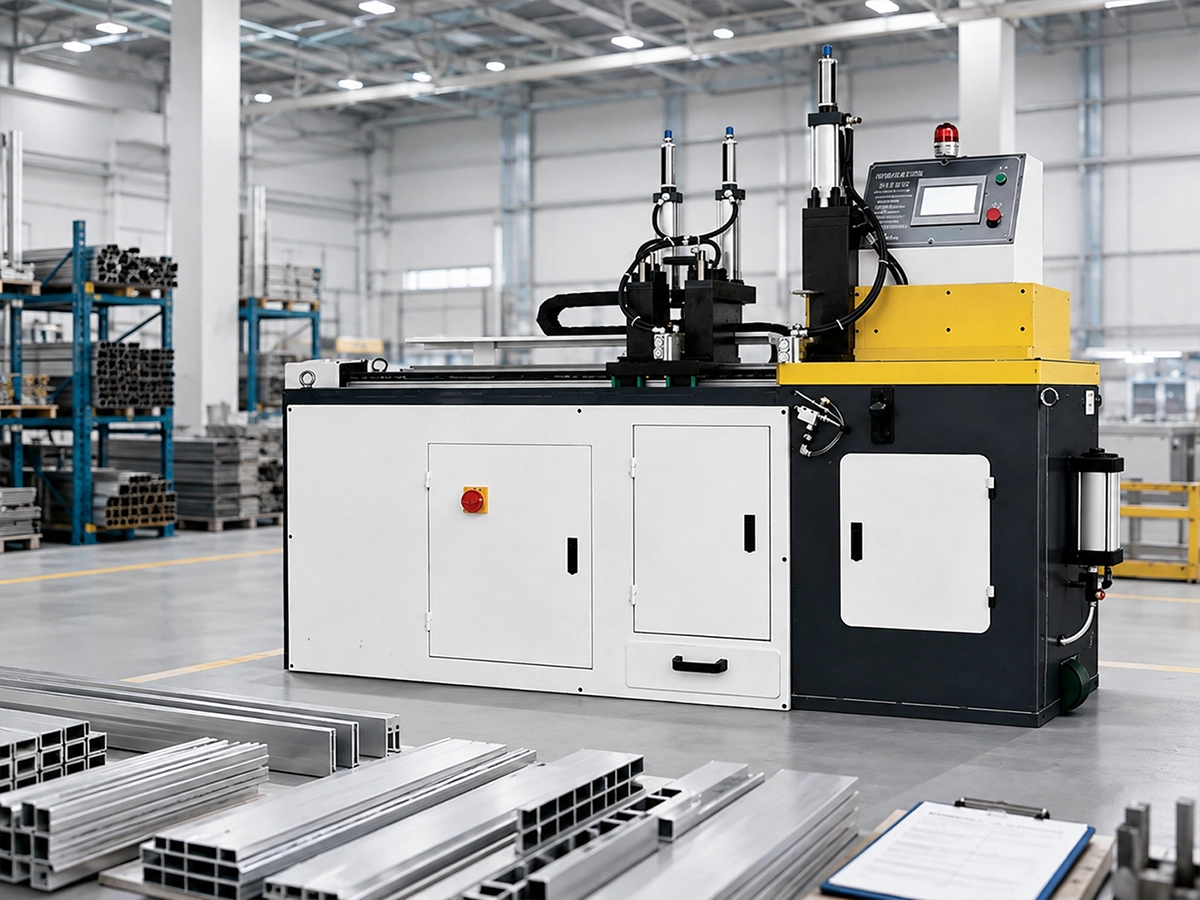
Equipment context does not establish commercial identity
This Jiurun cutting equipment video helps describe a proposed cutting job. It does not authenticate a quotation, establish a seller’s current identity or confirm the parties in the invented example.
Ask Jiurun for a clearly identified offer for your cutting job
When requesting an offer, provide the authorized profile drawing, alloy and condition, incoming lengths, required cut lengths and angles, accepted part requirements and quantities. Ask for the quotation reference, the seller identity and the parties responsible for the proposed equipment and named services. Keep identity questions specific to the offer under review.
Discuss your aluminum saw purchase with Jiurun and retain the relevant confirmations in your purchasing file. The result should be a current, traceable offer from identified parties, with technical suitability and commercial approvals reviewed on their own evidence.