
Aluminum saw protective earth is a handover question, not a feature that a photograph or a line in a quotation can prove. A buyer needs to know which conductive machine parts are in the protective bonding scope, where the incoming supply is connected, who verifies the installed path, and which records accompany the machine. This guide turns those questions into six checks for the RFQ, factory acceptance and site handover.
Safety boundary: This is a purchasing and documentation checklist. Only a competent electrical professional should inspect, connect or test the machine according to the applicable rules, manufacturer instructions and site procedures. Do not open an energized cabinet or use this article as a test method.
1. Define the aluminum saw protective earth boundary
Ask the supplier to identify the offered saw by configuration and drawing revision. The answer should show the machine’s supply connection point and any equipment supplied separately, such as a feeder, extraction unit or conveyor. A statement about “the saw” can hide an unclear boundary when an accessory is wired on site. The buyer’s first decision is which party supplies and connects each item, and which party documents its protective path.
IEC 60204-1 addresses electrical equipment of machinery starting at the point of connection of the supply to the machine. Its publication page also notes protective bonding requirements. Ask the supplier and your site electrician which edition and local requirements apply to this installation; a citation alone does not certify a particular saw. See the IEC publication page.
2. Request an as-built bonding map, not a general assurance
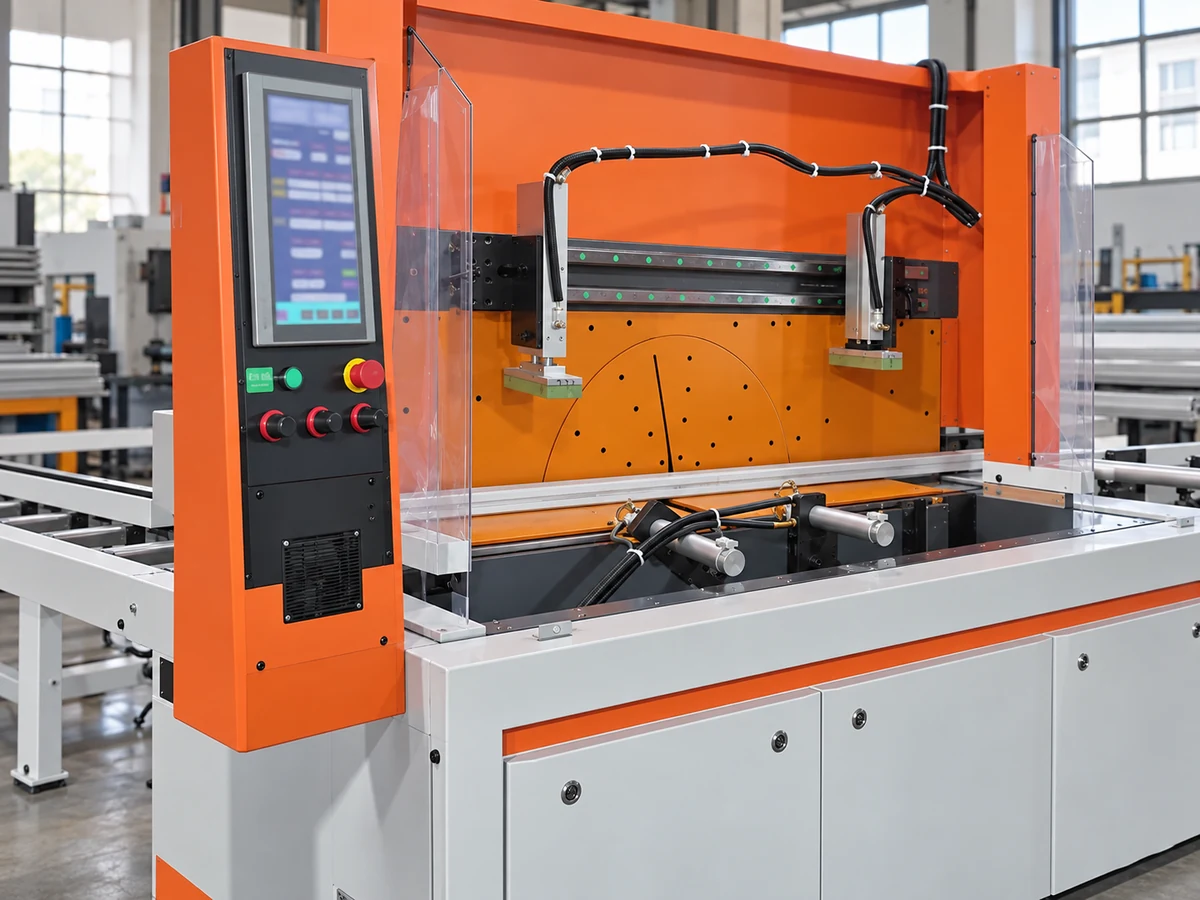
Ask for the current electrical drawing or equipment documentation that identifies the protective-earth connection point and the intended protective bonding path. The scope may involve accessible conductive panels, doors and machine sections, but the exact test points depend on the design. A closed door, bare metal contact or green-and-yellow conductor visible in a photograph is not a substitute for a controlled drawing and verification record.
For a multi-unit line, ask whether the feeder, saw, outfeed and auxiliary cabinet are covered by one documented boundary or separate connections. If a unit is optional, mark that distinction on the quotation and drawing. The buyer should be able to match the documents to the serial number and delivered configuration.
3. Define the factory acceptance record before shipment
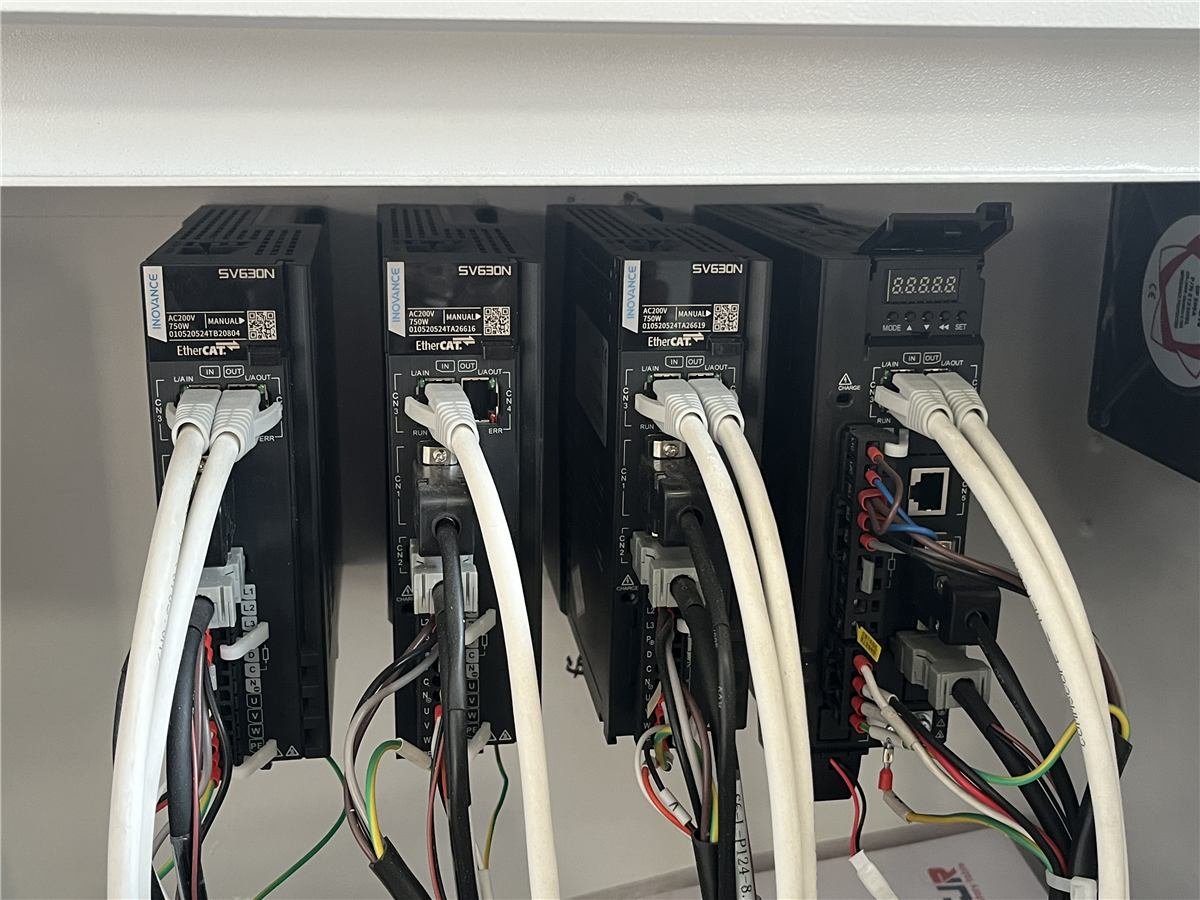
Agree on the evidence you expect at factory acceptance. A useful record identifies the machine, drawing revision, person responsible, instrument identification and status, points checked, applicable method and acceptance criteria, measured or recorded outcome, and any corrective action with retest. The relevant criteria should come from the applicable standard, manufacturer documentation and project requirements. Do not accept an unexplained “passed” cell as the whole handover.
Ask what cannot be verified until installation. Some factory checks concern the supplied machine, while the facility connection is completed at the buyer’s site. Put those two stages in separate columns so a factory result is not represented as proof of the installed supply protective earth.
4. Assign the site connection and release decision
For aluminum saw protective earth handover, separate the factory machine record from the installed supply connection. Before dispatch, name the person or organization that will provide the facility supply and protective-earth connection, and the competent person who will verify the installed arrangement. Record the required documentation, isolation arrangements and release sign-off. Local electrical requirements and the site’s risk assessment govern the final connection; a generic seller video cannot settle them.
In UK guidance, the Health and Safety Executive says work on electrical equipment should be carried out by competent people and that equipment should be made safe before work. Its work-equipment inspection guidance calls for inspection according to equipment, use, conditions and risk. These pages are useful questions for planning the handover, while the applicable local rules still need to be checked. HSE electrical work guidance; HSE inspection guidance.
5. Include service changes and retest in the handover
Doors, panels, cable assemblies or accessories can be removed during transport, installation or later service. Ask how the supplier identifies connections that must be restored, who checks them after reassembly, and how the record is revised. Keep the responsible person’s sign-off with the machine’s service history. A pre-shipment record should not silently stand in for a check after a relevant part has been disconnected.
For adjacent service planning, see our electrical cabinet handover guide and cable-routing guide. Those articles address access and moving-axis clearance; protective bonding evidence is a separate item in the acceptance pack.
6. Put six answerable questions in the RFQ
- Which delivered units and accessories are inside the supplied electrical boundary?
- Where are the protective-earth connection point and bonding paths shown on the current drawing?
- Which factory checks will be recorded, with identified points, criteria and responsible person?
- Which checks wait until the facility connection is complete, and who performs them?
- How are deviations, repairs and retests documented against the final configuration?
- What is the recheck and sign-off process after transport, installation or service changes?
For aluminum saw protective earth decisions, ask for a sample acceptance record before purchase. The response should make the machine identity, responsibility boundary and evidence trail clear enough for your electrical team to review. If the offer says only “grounding included,” request the drawing and handover record that explain what that means.
Video: general saw context only
The JiurunCut video below shows a saw and its general equipment layout. It is included as visual context for discussing the machine boundary; it does not demonstrate a protective-earth connection, continuity test, this article’s configuration, a customer installation or a performance result.
What to request next
Send your saw layout, supply information and accessory list to the supplier, then ask for the current electrical boundary drawing and an example of the factory and site acceptance records. Have your competent electrical team review the proposed checks and local requirements before energizing the installed machine. Contact JiurunCut with the configuration and handover questions.