
An aluminum saw for scaffolding manufacturing should be selected for the approved components entering your cutting station. A finished scaffold frame, a brace with attached ends and a platform containing several materials are assembly products. Their overall dimensions do not automatically describe the raw aluminum members your factory must cut. Define those members and their following operations before comparing a saw quotation.
The most useful purchase record connects each component drawing to an identified input, required cut output and receiving operation. It should show which items arrive prepared, which remain in-house and which cases need a representative trial. This guide compares frame, brace and deck-member work so that a manufacturer can review the complete cutting purchase without treating a general aluminum equipment description as coverage of an entire scaffold system.
Define the scope of an aluminum saw for scaffolding manufacturing
Use the approved component and assembly drawings for the system you manufacture. A layout showing an erected scaffold can identify what a project requires, but it is not a substitute for production drawings of tubes, rails, frame members or platform borders. Keep the application layout and the cutting release as separate records with a clear relationship.
For application context, Layher’s SpeedyScaf overview lists frames, braces, decks, guardrails and other system components. It also describes a deck combining an aluminum frame with a steel cap and a plywood board. These examples demonstrate why the material and fabrication scope of each component must be identified separately. They do not establish a JiurunCut configuration or approval of your scaffold product.
Record your factory’s actual responsibility for each family. A business buying complete decks but fabricating frames has a different saw workload from one producing aluminum deck borders as well. A supplier may provide prepared brace ends or complete brace assemblies. Decide which retained aluminum tasks the quotation must cover, then keep the purchased components in the assembly plan without counting them as saw output.
System design, structural evaluation, product conformity and field assembly requirements remain with the responsible parties. The cutting inquiry should use their approved requirements. Selecting a saw does not authorize a changed tube, shortened component or substituted connection detail. This article concerns factory equipment procurement, not modification of scaffolding in service.
Compare three retained manufacturing routes
For frame manufacture, identify the separate members entering the frame assembly process. State the material form, section, finished cut length and end details for each member, together with the next operation. If an assembled frame dimension includes joints, attached parts or other interfaces, have engineering release the member cutting dimensions rather than calculating them from the outside frame size.
For braces and guardrail members, distinguish the raw aluminum length from the completed component. Attached fittings can affect the relationship between the cut member and the overall finished item. Use the approved drawing to specify that relationship. Ask the saw supplier to review the retained cut task, and identify separately any end forming, hole making or fitting attachment required afterward.
For deck borders or other platform members, list the individual extrusions your factory retains. A composite deck can include purchased boards, caps or other parts that are outside an aluminum saw’s task. Do not place a completed mixed-material deck in the cutting scope merely because its border is aluminum. State whether the supplier is assessing loose aluminum stock, partly prepared members or another clearly defined input.
| Retained route | Quotation evidence | Boundary to clarify |
|---|---|---|
| Frame members | Approved individual member drawings and actual stock | Cut output versus frame joining and final assembly |
| Brace or guardrail members | Raw member requirements and attached-end interfaces | Cut length versus the complete fitted component |
| Deck border members | Extrusion drawings and purchased deck-part list | Loose aluminum cutting versus mixed-material deck manufacture |
These routes can coexist in one factory. They should remain separate review cases even when one proposed station is intended to serve all of them. A confirmed frame-tube trial does not silently confirm a different platform extrusion, and an excluded purchased component should not later be added to the machine’s accepted scope.
Specify the incoming stock and permitted contact
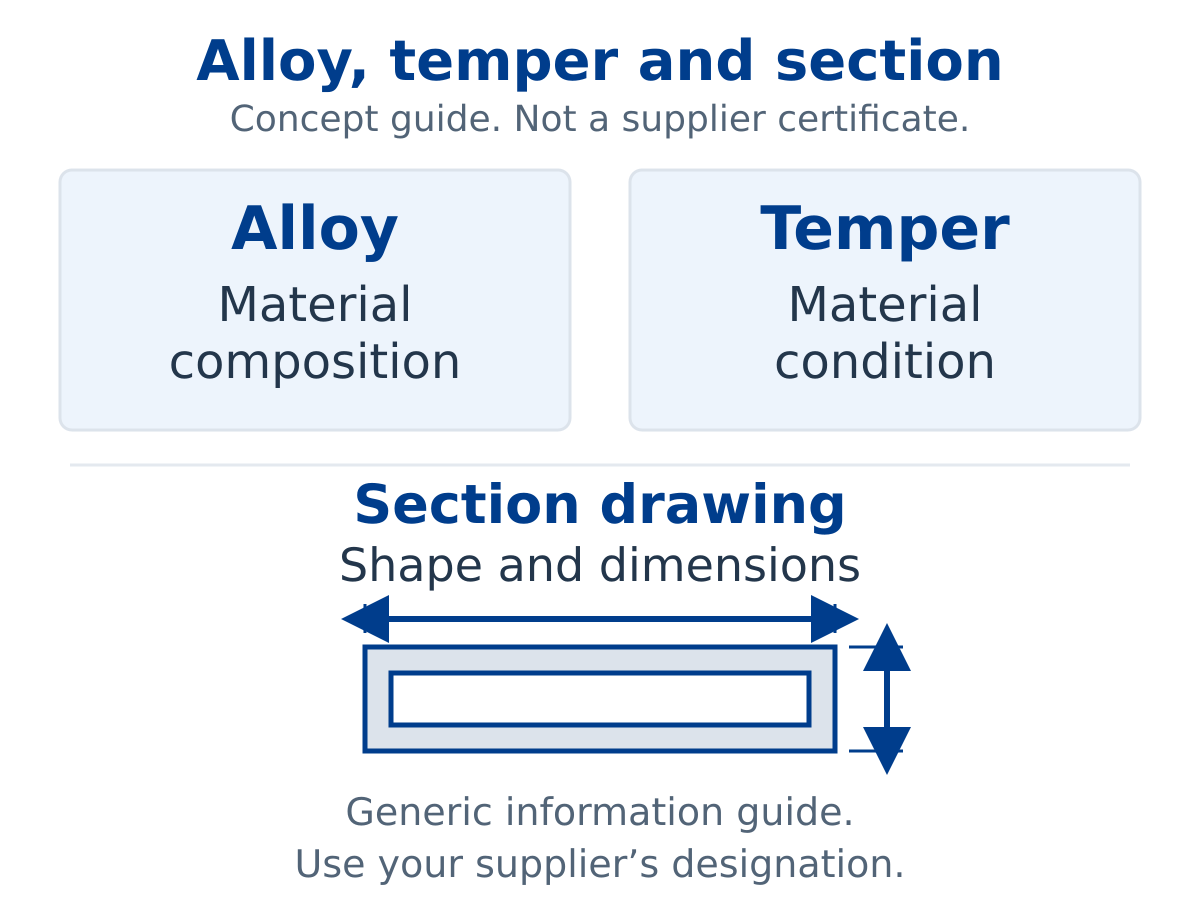
Provide the actual section drawing and material designation for each retained family. Include stock length, section dimensions, condition and any preparation already completed by the material supplier. Where material arrives in different forms or finishes, identify which form the trial sample represents. A polished sample and the normal production input may create different inspection and handling questions.
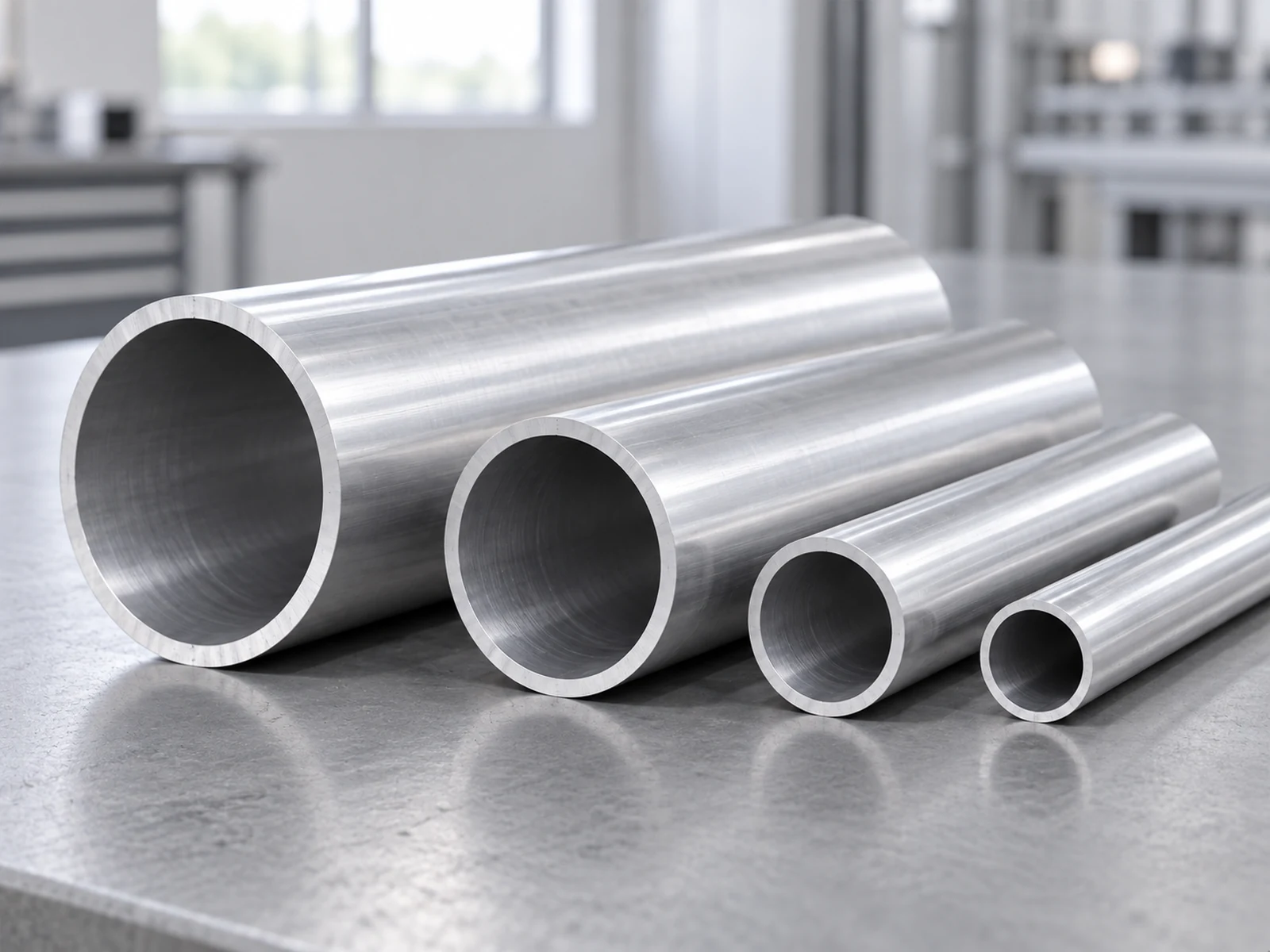
For tubes, supply the actual outside and wall dimensions from the approved stock information. Ask how the proposed arrangement supports and holds that section while addressing your cut requirement. Do not infer its suitability from a machine photograph showing a different tube. The review should identify relevant contact faces, support items and unresolved conditions without introducing an unsupported machine capacity number.
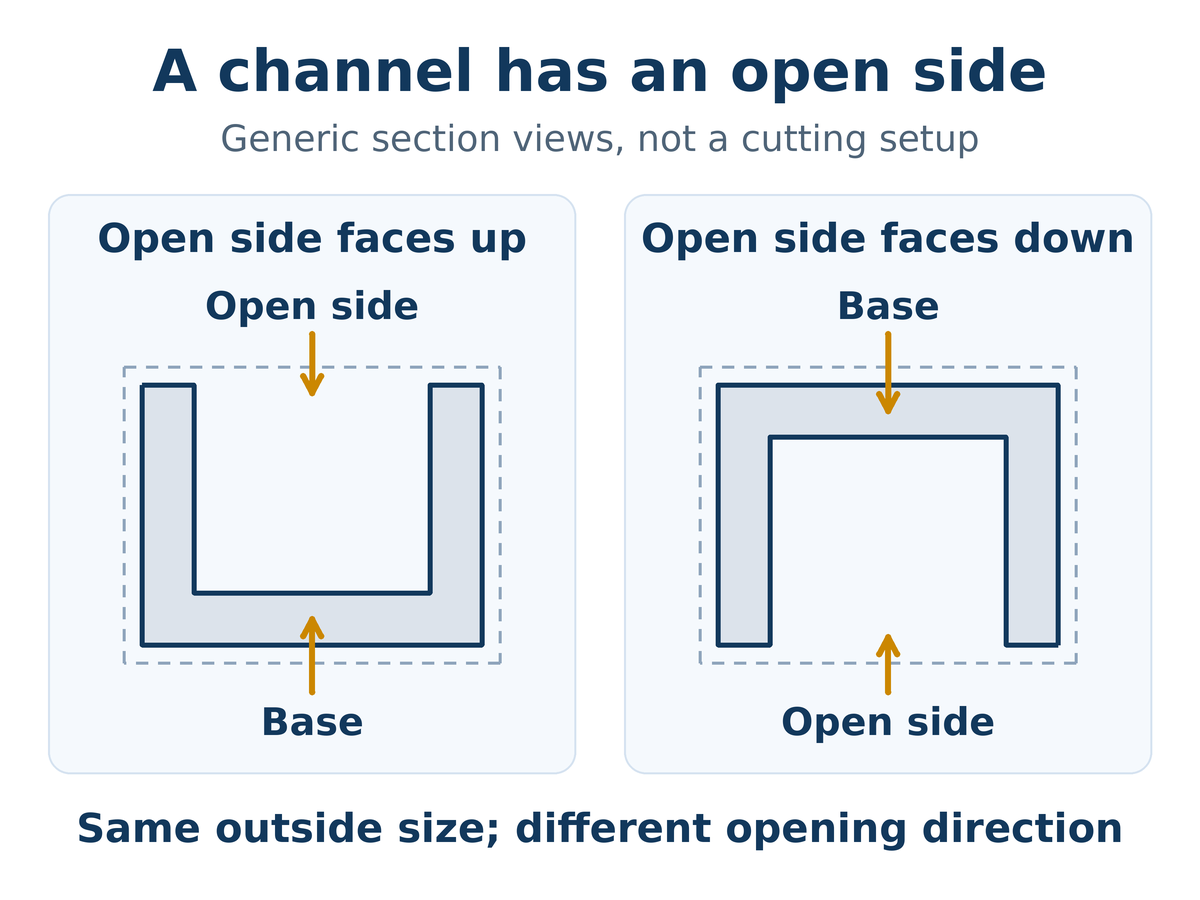
For open or asymmetric extrusion sections, show the orientation clearly. An outside width and height can describe more than one contact situation. Mark the opening and the features used to identify the section. Ask the supplier to explain the proposed handling of that case rather than leaving the interpretation to an operator after purchase.
Describe the surfaces that must remain acceptable for the following operation. Relevant questions can include marking, damage to a mating feature and the condition of the cut end. State the acceptance requirement from your drawing or inspection plan. A requested surface condition and a verified trial result are separate records; the request itself is not evidence that the proposed station achieves it.
Keep length, end geometry and the finished component separate
The saw inquiry needs a defined cut reference. Identify whether the required dimension is between the member’s cut ends or another reference in the approved drawing. If an attached connector changes the overall component dimension, retain that relationship in the manufacturing record. Do not use the finished component’s advertised size as a raw tube cut length without an approved basis.
List the actual end geometry needed from the cutting stage. A square end, an angled face and a shaped connection end are different requirements. Identify which end preparation belongs to the saw proposal and which belongs to another operation. An equipment description using the word cutting should not be read as including every form of connection preparation.
Where the next operation uses a particular end or orientation as a reference, include that requirement in the handoff. Ask how cut members will be identified and inspected before they enter the following process. The purchasing objective is a usable, traceable input to the approved manufacturing route, not simply a pile of pieces with similar lengths.
Published feeding information must not be treated as proof of finished-part accuracy for your members. Request the model and configuration proposed for the specified stock and ask for measured results against the agreed sample requirements. The JiurunCut industrial aluminum cutting range can start equipment discussions; acceptance still needs a defined component case.
Review order families and changeovers as production work
Describe the released component mix rather than only a daily piece target. A run of one frame member differs from alternating short and long brace members, different tube sizes and deck-border sections. Supply representative orders showing the families, quantities and changes your station will actually encounter.
Ask the supplier to distinguish the cutting demonstration from the complete working sequence assumed in the proposal. Include stock preparation, setting changes, material replenishment, identification, inspection and handoff where they are part of your factory’s work. Have the included equipment and buyer responsibilities stated in the quotation. A machine-only cycle does not establish the time needed to release accepted components.
In a hypothetical comparison, Order A calls for forty members of one tube family, while Order B calls for ten members in each of four families. Both orders contain forty members, but they do not describe the same changeover and material-handling workload. These invented quantities illustrate the comparison; they are not actual scaffold requirements, a staffing recommendation or a throughput claim.
Keep projected future families distinct from the accepted current scope. If a future platform section has no released drawing or sample, record it as pending review. You can ask how the equipment discussion might address it without describing it as confirmed coverage. This prevents a future product idea from becoming an unsupported purchase assumption.
Release accepted components to the correct assembly order
Define the unit used to report completed cutting work. Your station may release individual accepted members, a frame-member set or a batch tied to one assembly order. The record should show which unit is complete and which required members are missing or held. Do not count parts awaiting inspection as accepted output.
For a hypothetical manufacturing set requiring two members of family U and three of family C, twelve accepted U members and fourteen accepted C members provide four complete sets with remaining loose members. Five complete sets would require fifteen C members. This is arithmetic about an invented production list, not a scaffold design, approved component ratio or JiurunCut productivity result.
Keep cutting completion separate from completion of the scaffold component. A full member set can still await a purchased fitting, board or other assembly input. Record that dependency rather than calling the set a completed brace, frame or deck. Doing so makes the saw’s contribution visible and allows production delays outside the cutting stage to be assessed separately.
Connect each release to the drawing revision and material record required by your manufacturing system. Where nearly identical members serve different orders, make identification part of the handoff review. Choose identification methods compatible with the approved finish and following operations; do not assume a physical mark is acceptable on every member.
Compare quotations with explicit inclusions and open cases
Use one scope table across supplier replies. For each retained family, record the incoming stock, required cuts, handoff condition, proposed model and configuration, included support, exclusions and trial status. An unanswered case should remain open rather than being summarized as all aluminum work covered.
Distinguish a clarification from a changed offer. A supplier may explain an already included support arrangement, add an option or exclude a previously assumed family. Preserve that difference in the comparison. Otherwise, the purchasing summary can compare prices for packages that no longer cover the same work.
Ask how the proposal treats material transfer and accepted-piece collection. Identify supports, handling equipment and site responsibilities included in the price, along with preparation the buyer must provide. Keep the details tied to actual stock and output forms. A general statement about automation does not settle where the boundary between the saw and the rest of your workshop lies.
Compare the cost and scope of the retained route as a whole. If one proposal requires a separate operation for a member family, keep that operation visible. If a component arrives complete from another supplier, preserve its purchasing route instead of assuming an in-house saw replaces it. The useful decision is whether the offered package meets the work you have deliberately retained.
Choose samples that resolve the purchasing gaps
Prepare a representative trial using the aluminum sample cutting trial checklist. Select the tube family, end variation or asymmetric section that answers an open quotation question. Include a deck-border case if it remains in the proposed scope. Explain the reason for each sample and the following operation receiving it.
Record the actual equipment model and configuration, sample identity, drawing revision, requested cut output and observed result. Inspect the dimensions, ends and relevant contact surfaces against the agreed acceptance record. Include failed or unresolved cases as well as passes. Where the demonstrated configuration differs from the offer, obtain a clear explanation before accepting the demonstration as purchase evidence.
The trial evaluates an identified manufacturing cut. It does not validate the assembled scaffold’s structural behavior, its field use or conformity of a complete system. Keep those responsibilities separate and retain the component designer’s approved requirements throughout the purchase.
See JiurunCut cutting equipment in operation
This JiurunCut equipment video provides inquiry context. It is not a trial of your scaffold members, structural approval or evidence that the demonstrated configuration covers your proposed product range.
Discuss your retained scaffold member work with JiurunCut
For an aluminum saw for scaffolding manufacturing, send the approved component and member drawings, actual stock designation and section dimensions, cut lengths and end requirements, retained-versus-purchased scope, released order mix and receiving-operation requirements. Identify contact restrictions and the cases requiring samples.
Contact JiurunCut with your scaffold member cutting scope to discuss a proposed model and configuration, included support, exclusions and trial basis. A clear frame, brace and deck-member record connects the saw purchase to your actual factory work.