
Aluminum saw for roller shutter manufacturing is a purchase question about the components your factory actually retains, not every part in the finished shutter. A shutter order may arrive as a complete element, a prepared curtain with separate guide rails, or loose system components. Only some of those objects become saw-cut work. Before asking a machine supplier for capacity, establish the released component list, the construction of each incoming member, and the accepted output after cutoff. This prevents a quotation for a simple extrusion from being mistaken for a plan to produce an entire shutter system.
The available routes are visible in supplier portfolios. heroal describes system components, ready-made curtains and prefabricated elements, and lists slats, end strips, guide rails and covers as different component families. ALUTECH distinguishes formed, filled and extruded shutter profiles. These are examples of supply categories, not specifications for Jiurun equipment. Use the drawing and approved source for the system you manufacture; do not infer that every part called “aluminum” has the same cutting route.
1. Choose the purchase boundary before choosing a saw
Make one row for each shutter family and order type. Identify what arrives at your plant, what you make, and what you deliver. A complete bought element may require installation or final checking but no in-house member cutoff. A bought curtain with retained guides may create a repeatable guide-rail job while leaving slat production outside your plant. A component-led route may add end strips or an approved cover profile, but it also adds scheduling, inspection and assembly handoffs. Count only released members that your factory will cut from suitable stock. Sales volume for the finished shutter is not a saw workload.
| Supply route | Possible retained saw work | Boundary to record |
|---|---|---|
| Complete bought element | Usually none for the element itself | Receiving, installation and finished-system approval stay with their owners |
| Bought curtain, separate guides | Released extruded guide or end-member blanks, if produced in-house | Curtain construction and matching system parts are purchased separately |
| Loose components | Only the approved metal profile families and cut operations assigned to the plant | Forming, filling, coating, assembly and system testing need separate routes |
Ask purchasing and production to agree the boundary with actual part numbers. The same shutter size can be supplied through different routes at different times. A late change from loose components to a prepared curtain must remove the corresponding cut work from the saw forecast. Conversely, a shift toward retained guides adds stock procurement, material identification and inspection tasks. Compare proposals on the same accepted component set, not the nominal number of shutter orders.
2. Separate extruded guides from curtain and cover constructions
Names can hide important input differences. A guide rail or end strip may be an extrusion; a shutter slat may be roll-formed, filled or otherwise constructed; a cover may be formed sheet, extrusion or an assembly. A complete curtain is not a loose profile. The supplier’s catalogue and your own approved bill of materials should state the actual form and condition of each item. If construction is uncertain, mark the item for engineering review rather than adding it to an aluminum-extrusion saw quote.
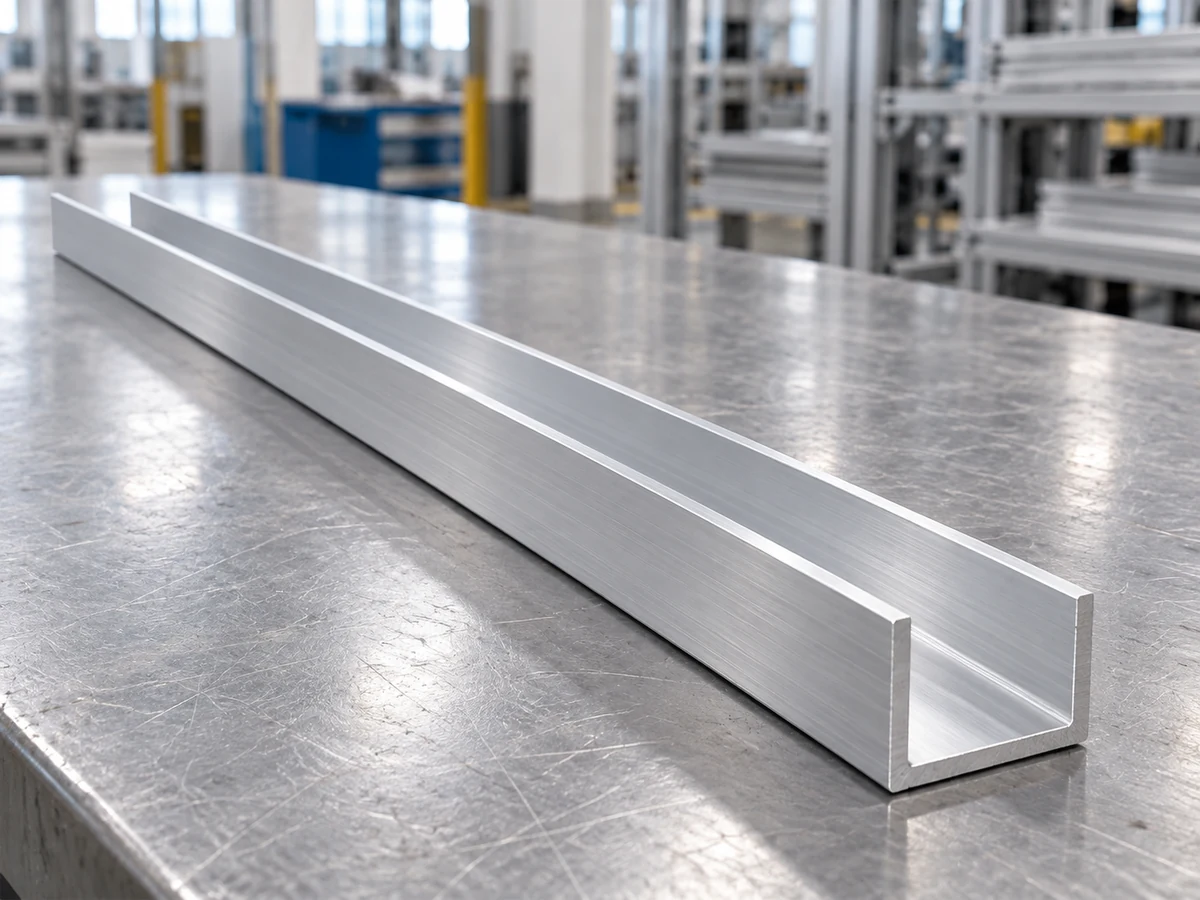
For each retained member, specify incoming stock length, cross-section drawing and revision, material and finish, wall distribution, visible surfaces, any liner or insert, and whether downstream drilling or machining occurs. Check whether the stock is straight, bowed, nested, film-covered or prefinished. A machine demo on a solid bar does not qualify an open guide channel with thin lips and visible faces. Nor does a trial on a bare extrusion automatically cover a filled or mixed-material member. Ask the saw supplier to assess the exact stock and proposed configuration before promising suitability.
System functionality remains separate from cutoff. Rail-to-curtain compatibility, drive and cover selection, wind or security performance, and installation acceptance belong to the approved shutter-system owner. The saw trial can inspect a released blank and its cut end. It cannot establish that the complete shutter meets those requirements.
3. Release a member-level cut list tied to each order
Do not program the machine from a finished opening width alone. The approved system may use guide offsets, end caps, retainers and mounting details that change the blank length. Create a controlled cut record containing the order or batch, system family, component part number and revision, incoming stock identity, required blank length, measurement datum, end condition, finish side and quantity. Distinguish left and right members when their later features differ. If an end needs subsequent machining, state the allowance and the owner of that operation.
A useful receiving matrix relates the cut part to the bought curtain or other supplied package. Record which guide pair, end strip and cover set belongs to which order. This prevents a good-looking cut member from entering the wrong configuration. Put an explicit stop on an unreleased drawing, unknown stock construction or changed supplier profile. A new cut length copied from a sales schedule is not approval to alter a system component.
Order variety matters more than a single headline length. Compare the shortest part that must be held safely, the longest member that needs infeed and outfeed support, and any section whose open cavity or delicate lip is hard to clamp. If the order mix includes multiple finishes, measure changeover, stock identification and protection work. Decide whether rare variants are better ordered as prepared components rather than programmed into the main saw station.
4. Test the actual guide-profile job
Build a trial around representative retained components, especially the open sections and finished faces that create handling difficulty. Provide the machine supplier with identified stock and the released drawing. Agree the blade and condition, clamp contacts, support arrangement, operator loading sequence, chip control and inspection gauge before the cut. Take enough samples to reveal setup and repeat behavior; record rejects, not only the best piece. If a component is outside the saw’s practical scope, a conditional quotation is better than a demonstration on a convenient substitute.
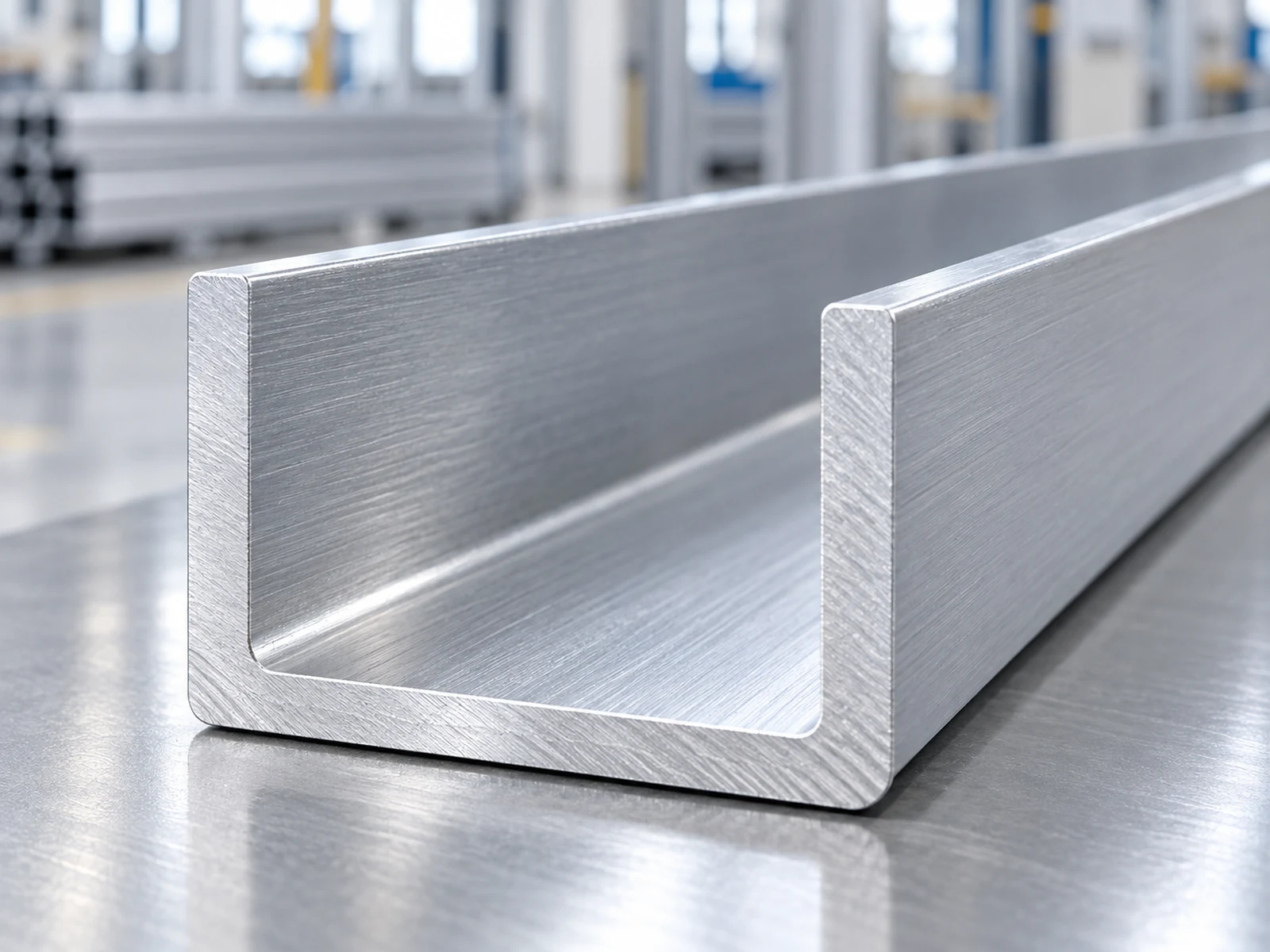
Inspect length from the specified datum, squareness or angle where required, burrs, cavity chips, surface marks and distortion of lips or other mating features. Agree what is measured at the saw, what is checked after deburring or cleaning, and what is tested only after assembly. A saw trial that meets its blank criteria does not replace curtain fit, finished-system movement or field acceptance. If later operations must repair the cut, include that time and cost in the route comparison.
Photograph or label every sample against its stock batch, machine setup and drawing revision. The record should let a second reviewer see whether the tested part is the part in the quote. If the extrusion die, finish or inserted material changes, decide whether the prior sample remains representative. Never turn a single unmeasured demonstration into a general claim for all shutter families.
5. Compare complete production routes, not just saw cycle time
The buying decision involves more than a machine’s cut speed. For retained production, estimate incoming stock handling, setup by profile and length, first-off checking, repeat cutting, deburring, cleaning, identification and delivery into the assembly or dispatch flow. Include scrap from short remnants, rejected surfaces and changeovers. For bought prepared components, include price, lead-time exposure, minimum order quantities, revision control and receiving checks. Use the same period and the same accepted order mix in both calculations.
If only guides are retained, a compact, well-supported station may be more valuable than a broad promise to process slats, covers and finished elements. If multiple profile families truly remain in-house, ask how the quoted setup handles their different sections, finishes and lot sizes. A machine proposal should state exactly which blade, clamps, stops, infeed, outfeed and automation are included. It should also state which operations remain with the buyer or other suppliers.
6. Aluminum saw for roller shutter manufacturing: send a testable RFQ
- Product boundary: Which shutter families and order types use complete bought elements, prepared curtains or retained loose components?
- Retained components: Which exact guide, end-strip and cover part numbers are assigned to the proposed saw?
- Incoming construction: Is each item a plain extrusion, formed or filled profile, mixed-material part, or assembled object?
- Cut record: What are the approved lengths, datums, end conditions, finishes, quantities and revisions?
- Trial stock: Which actual batches represent the shortest, longest, most delicate and most visible members?
- Acceptance: Who signs the blank measurements, downstream processing and finished shutter-system result?
Attach the released drawings and a sample order mix rather than a photograph of a finished shutter alone. Ask suppliers to return a process boundary and a witnessable trial plan alongside the machine quotation. An open issue should appear as an assumption with an owner and closure date, not as an undocumented guarantee. The purpose is to buy a station for a defined, retained cut job and to keep the remainder of the shutter system under its actual designer and manufacturer.
Related Jiurun equipment footage
The following Jiurun Machinery channel video shows an aluminum saw as equipment context. It does not show these shutter components, a customer installation, the proposed material or verified performance for a quoted setup. Use it to frame questions for a trial of your released stock.
What to send JiurunCut
To discuss an aluminum saw for roller shutter manufacturing, send JiurunCut the retained metal component list, approved section drawings and revisions, incoming stock photos and construction, finish and protected faces, batch and length mix, trial material, and blank acceptance criteria. Identify who owns the bought curtain, downstream features, assembly and complete-system approval. We can review the defined aluminum cutoff task and the samples needed to evaluate equipment; the finished shutter remains under the responsible system owner’s design and testing process.