
An aluminum saw for prototype production should help a workshop deliver small, changing jobs with clearly defined blanks or members. The best purchase is not automatically the machine with the largest quoted output. A prototype team may need a different cut length tomorrow, a different section next week, and only a few accepted pieces from each setup. Those changes belong in the buying decision.
Start with the work the saw must enable: a machining blank, a frame member for a fit check, or a specified part used in a process trial. Then test how the proposed station moves between representative jobs and hands its output to the next operation. A future production program can be included as a separate scenario, but it should not turn an unapproved design into today’s committed workload.
This guide gives equipment buyers a practical way to compare that whole task. It does not prescribe cutting settings, machining allowances or a safe operating procedure. Use the responsible engineers’ released requirements and the offered machine’s instructions. The worked time example below is invented to explain a comparison worksheet, not measured Jiurun performance.
1. Define what your prototypes are meant to answer
The word prototype describes a purpose, not a single manufacturing route. One project may need members for checking how an enclosure assembles. Another may need solid blanks that will be milled into functional parts. A third may need specimens from the intended stock to investigate a later manufacturing process. These jobs do not become interchangeable because each starts with aluminum.
Write down the question each job should answer. For an assembly fit check, the cut-stage dimensions and ends may already be important to the result. For a machining project, the receiving machinist needs an agreed blank envelope and references. For a process investigation, the person running that investigation should define the material identity, sample condition and preparation they will accept.
For context, Protolabs’ CNC milling overview identifies functional prototypes, jigs and fixtures, and lower-volume components as uses of its service. It describes milling from a held block of raw material. That supports keeping a saw-prepared blank distinct from the machined component. It is not evidence that Jiurun supplies those milling services or meets another company’s dimensions, tolerances or certifications.
Do not assume the first prototype represents the final product route. A team can deliberately use a different input or preparation method to answer a limited design question. Record that limit. A demonstration part can be useful without establishing that the same stock and cutting sequence will support a later series order.
The saw inquiry should state the present output, its receiving operation and the requirement that makes it usable. Product development goals belong in the explanation, while the supplier’s equipment assessment needs the actual cutting task.
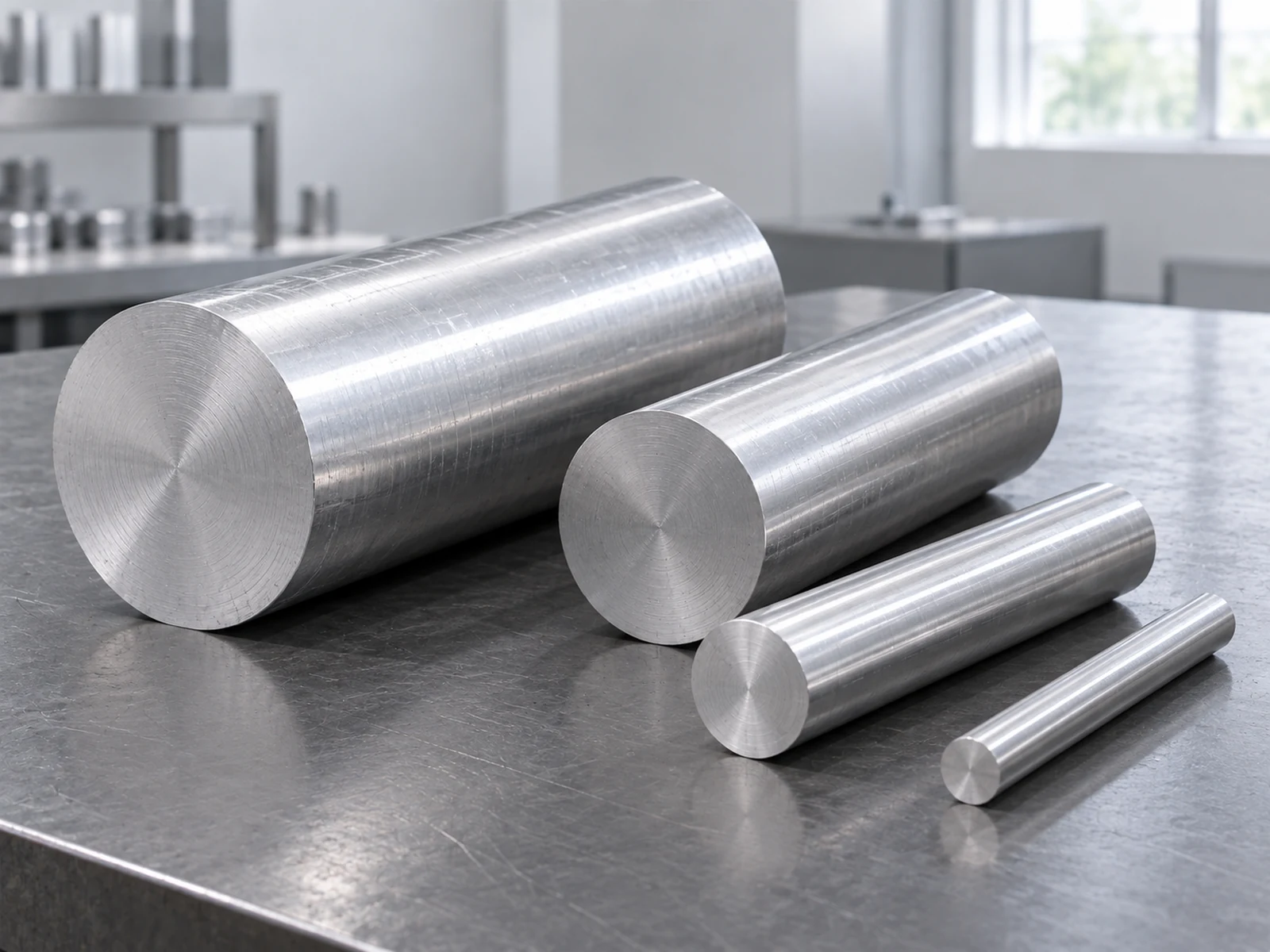
2. Divide the workload by input and handover, not project name
Build a short job portfolio from work that recurs in your workshop. Include typical jobs and the awkward jobs that currently delay a project. For each, record incoming stock form, section or overall footprint, material designation and condition, required output, accepted quantity and receiving deadline. Keep unknown fields visible.
A long profile shortened into frame members is a different input from a solid bar divided into machining blanks. A broad plate requiring cuts in two directions is different again. Show the complete physical input, not just the longest finished-part dimension. The supplier should identify which jobs fit the proposed configuration and which require separate equipment or prepared supply.
| Prototype task | Output to specify | Receiving decision |
|---|---|---|
| Frame or fixture fit check | Identified members with agreed length and end form | Can the assigned assembly check proceed? |
| Machined functional component | Approved blank envelope, input identity and references | Will the blank support the planned machining setup? |
| Manufacturing process investigation | Recipient-defined sample condition and preparation | Does the sample represent the question being investigated? |
| Early repeated build | Released member or blank families in the required mix | Are all families available for that build? |
The table is a purchasing organizer rather than a material recommendation. A particular design may use purchased prepared parts, another manufacturing process or no saw work at all. Include only the work your business retains.
Also distinguish available long stock from short material left after another operation. Ask the supplier to assess the actual incoming length and presentation. A machine proposed for an assessed long-bar task has not automatically been assessed for every short leftover piece.
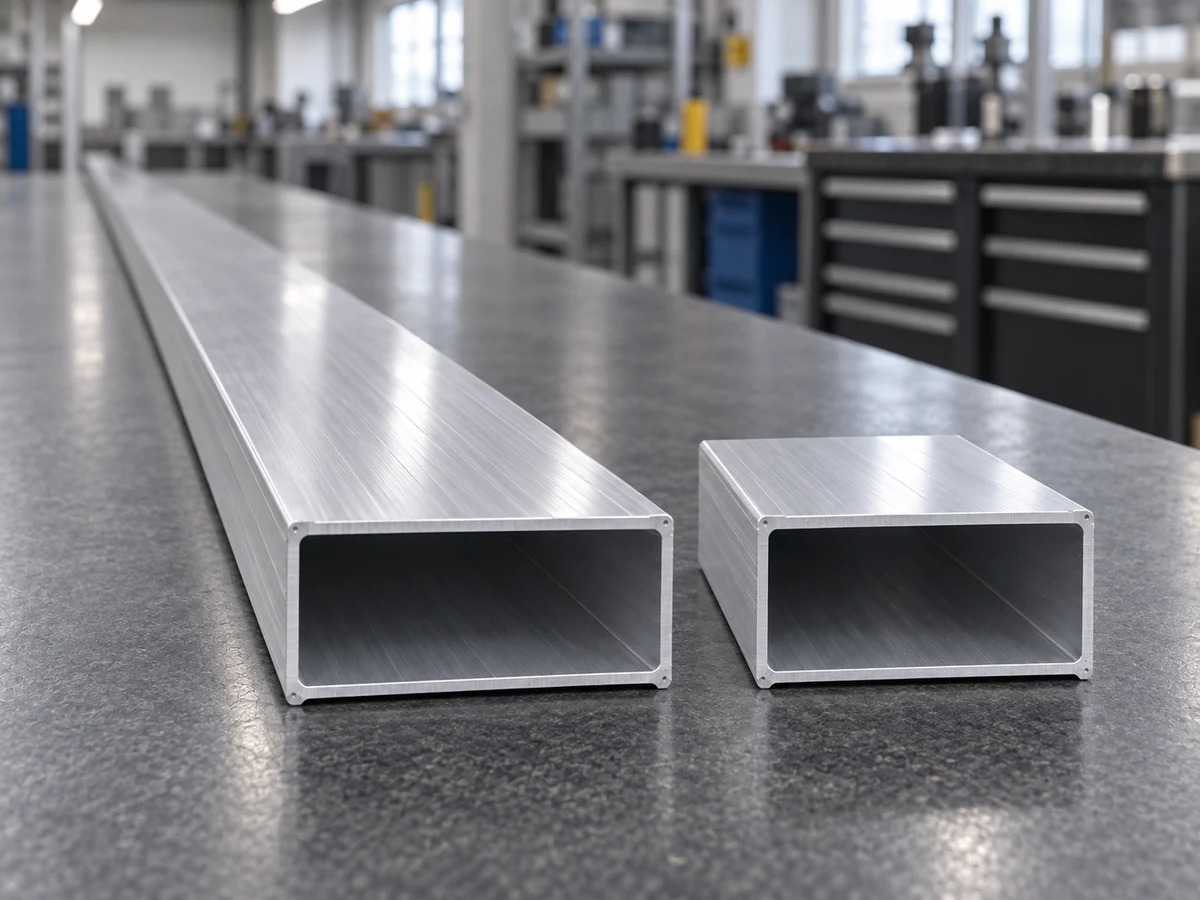
3. Evaluate job changes as part of the normal production task
For a prototype workshop, changing the job is often routine work rather than an occasional interruption. Ask what the operator must do when the next job changes length, section, material or end requirement. Request a demonstration for the agreed families, with the supplier following the offered configuration’s approved operating method.
Record the steps from receiving a released job to transferring accepted output. That can include reviewing the instruction, presenting stock, selecting the agreed job information, preparing the station, making the cut, checking the result and identifying the pieces. Some work may occur away from the saw; assign it to the person or department actually doing it.
Compare the amount of repeated work as well as its duration. A workflow that is easy for one experienced demonstrator may depend on information your workshop has not prepared. If a program or job setting must be created, ask what inputs are needed and what training or documentation is included. Do not assume that a stored setting makes a revised job ready to run.
Ask about first-piece access and receiving checks. The person authorizing the next operation needs an agreed result, not simply a completed machine cycle. Describe how a held job is resolved when its first output is unsuitable. The assessment should stay within the offered procedure; buyers should not improvise control changes or bypass protective functions to shorten the trial.
A quoted automatic function can still be useful for prototypes. Its value depends on the actual jobs it removes, the changes it requires and the work left with your staff. Compare those consequences rather than treating automatic and manual labels as a complete selection rule.
4. Compare time to a usable job, not only time per cut
Define a fair start and finish before taking observations. For example, begin when the cutting station receives the released instruction and available stock, and finish when the receiving department accepts the specified pieces. Separately record any earlier design waiting and any later machining or assembly time.
Keep fixed job work separate from repeated piece work. This helps explain why an option that performs well on a long repeated run may not lead on a small changing portfolio. It also identifies whether the difference arises at cutting, preparation, checking or transfer.
Here is an invented arithmetic example for one six-piece job. Option A is assigned 45 minutes of fixed preparation and transfer work, plus 8 minutes of total recorded work per accepted piece. Option B is assigned 12 minutes of fixed work plus 12 minutes per accepted piece. The numbers describe complete worksheet categories; they are not cutting speeds or machine specifications.
On those assumptions, A needs 45 + 6 × 8 = 93 minutes and B needs 12 + 6 × 12 = 84 minutes. A has the smaller repeated-piece term, but B reaches the six-piece handover sooner. For a separate twenty-piece job with the same assumed fixed and repeated terms, the totals become 205 and 252 minutes. The order size changes the comparison.
The crossover in this simplified example is 45 + 8n = 12 + 12n, giving n = 8.25 pieces. That does not establish a universal purchase threshold. Actual jobs may have different checks, changes, interruptions or accepted quantities, and the fixed work may not remain constant. Use observations from your own assessed portfolio instead of adopting these numbers.
Include the interval in which staff cannot use the output. Six blanks completed at the saw but waiting for an unresolved inspection are different from six accepted blanks released for machining. A purchase promising faster cutting should be tested against the delay you are actually trying to remove.
5. Control the amount you commit before the design is settled
A prototype team’s material decision is linked to what has been released. Buying long stock, cutting blanks and making finished prototype parts are different commitments. Ask how much material each proposed workflow requires you to prepare for a job, and how unused input remains available for a later decision.
Do not make a large number of the current version merely because a demonstrated run is convenient. The responsible project owner should authorize the trial or build quantity. Additional pieces can become stranded when a requirement changes, even though they met the earlier cutting instruction.
Use a simple example: a project authorizes four blanks for an initial check and reserves a possible twelve-piece build for later approval. The saw assessment should cover the four-piece job and the later build separately. Cutting sixteen immediately would convert an unapproved possibility into committed material. It should not happen implicitly through a machine-capacity assumption.
Where a later revision can use the same untouched stock, retain the identifying information needed for the new decision. Where a previously cut blank might be reusable, obtain a recipient’s assessment before treating it as suitable. More apparent stock is not the same as more accepted input for the revised job.
This is a purchase-level question about work commitment. The workshop still needs its own cut-list revision control. The new equipment should fit that release process rather than create a second, informal authorization route.
6. Keep a successful prototype separate from series readiness
A prototype can answer a design question while leaving production questions open. Record what was actually demonstrated: the incoming stock, drawing, offered configuration, operator work and accepted output. Do not turn one successful result into an unlimited statement about the future range of parts.
A later series route may use another supplied section, different quantities, a different receiving process or further operations. Describe those changes in the buying file. If the project has not released them, label the series case as provisional and state the information still needed for assessment.
Compare present and future tasks side by side. Identify which provisions remain useful, which require reassessment, and which are optional rather than supplied. A supplier can discuss an expansion path without promising an unidentified future job. Likewise, a workshop can buy for current needs without claiming that the purchase completes every later process.
Be precise about acceptance. A positioning or feeding figure is not the finished blank or member result. A cut-stage result is not proof of the prototype’s function, and a functional prototype is not proof of an untested series process. Keep each conclusion attached to its actual evidence.
Ask what happens if the proposed series does not proceed. The same machine may serve other assessed workshop jobs, or the investment may depend too heavily on that one project. The purchase review should disclose that dependency instead of hiding it inside a large forecast piece count.
7. Build the supplier trial around a changing job portfolio
Agree a bounded trial with more than one meaningful job if flexibility drives the purchase. Select actual families that exercise the intended changes. Provide material identity, physical input dimensions, released cut-stage requirements and the receiving checks. Avoid requesting an impressive assortment of unrelated materials with no connection to your work.
Ask the supplier to show the complete assessed sequence, including the agreed change between jobs. Record where the machine completes work, where the operator acts and where an external preparation or inspection step occurs. Note which demonstration provisions are included in the offer and which belong to the supplier’s demonstration environment.
Use the same start and finish for competing offers. Record actual elapsed time, accepted quantities and unresolved cases separately. If one offer cannot evaluate a family with the available information, retain that open result. It should not disappear inside a successful total from easier jobs.
For machining blanks, involve the receiving machinist in defining suitability. Do not invent a universal allowance from a finished-part drawing. For frame members, identify the end and dimensional references that the assembly check uses. For process samples, obtain the recipient’s preparation requirements. These are different outputs requiring different evidence.
Request the resulting record, not only a video. A useful record identifies the assessed setup and inputs, output disposition, observations and remaining questions. A general factory video can show context but cannot replace your prototype-job trial.
8. Compare ownership with prepared supply using the current workload
Compare buying the saw with the alternatives available for your real portfolio. These may include continuing an existing cutting route, buying specified blanks or members, or purchasing completed components when your business does not retain their manufacture. Make each alternative deliver the same agreed stage of output.
Include the work left with your workshop. Prepared blank supply may still require identification and receiving checks. In-house cutting needs staff time, material handling and the supporting provisions actually quoted. A finished machined component includes work that a saw-only purchase does not include, so its price needs a different comparison boundary.
Use actual costs and documented observations where available. Separate recurring prototype work from optional future series demand. Identify the amount and duration of demand required to support the purchase conclusion, and show what changes if that demand does not arrive. Do not apply an invented saving percentage to every project.
If responsiveness is a major reason for ownership, define it. State which delay in the current route matters and how you will observe its replacement. Owning a saw does not remove unreleased drawings, unavailable stock or a bottleneck in the next operation.
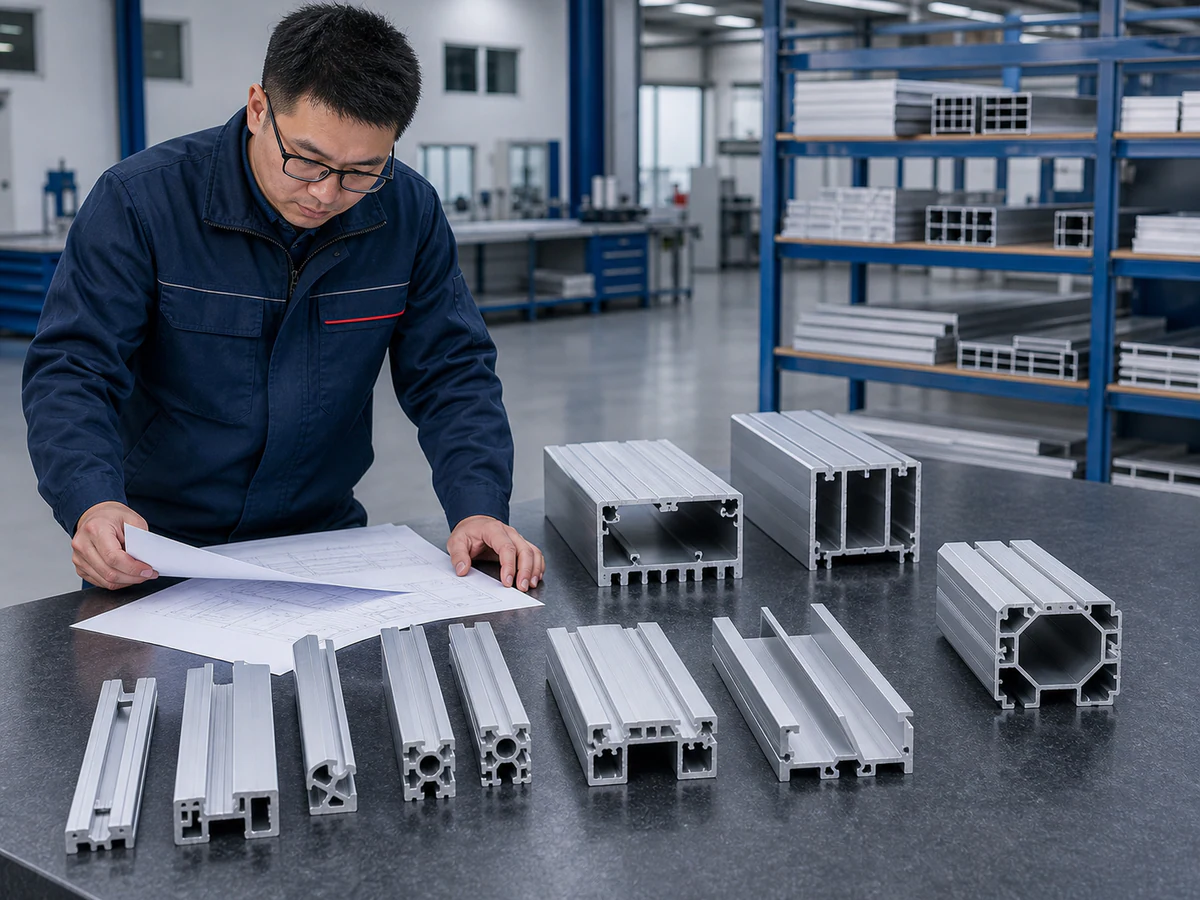
9. Send a useful aluminum saw for prototype production inquiry
Send Jiurun a representative job portfolio, not only a maximum section size. Include the stock forms and conditions, the accepted blank or member requirements, typical job quantities, important changes, available workshop inputs and the receiving operations. Describe the delay the investment should address.
Ask for a proposal covering the assessed jobs, the operator work, included support and collection provisions, site requirements, training, and the documentation actually supplied. Keep unassessed families and provisional series work separate. Review Jiurun aluminum cutting equipment against that defined workshop task.
Send your prototype cutting portfolio to Jiurun for a configuration assessment. An inquiry can begin with the jobs and questions you have now; unresolved requirements should remain explicit until they are confirmed.
Purchasing questions from prototype workshops
Is automatic feeding unnecessary for small prototype jobs?
No general rule settles that. Compare the work removed by the offered function with the setup, job changes, checks and handling remaining for your actual portfolio. Small quantity alone does not establish which configuration is suitable.
Can a prototype drawing be used as a blank drawing?
Only when the responsible receiving process has defined the cut-stage requirements. A finished-part model does not automatically establish stock form, machining allowance, end references or the blank’s receiving condition.
Should forecast series volume justify the purchase?
Keep released prototype demand and provisional series demand separate. State the dependency in the investment comparison, and assess the later job when its input and output requirements are known.
What should a flexibility demonstration include?
The agreed jobs, their meaningful changes and the path to accepted output. Record configuration, inputs, operator work, receiving checks and unresolved cases. A high piece count from one convenient job does not answer that complete question.
Watch an aluminum cutting example
This Jiurun video provides general cutting context. It is not a trial of the prototype portfolio or evidence for the invented worksheet times. Confirm the exact offered configuration against your own released jobs.