
An aluminum saw for pool enclosure manufacturing should be specified against the aluminum parts a factory actually cuts, not the finished enclosure shown in a catalog. A telescopic pool cover may include framed moving modules, panels, rails, hardware, seals and on-site installation. The plant might fabricate every frame member, cut only selected straight stock, receive pre-cut kits, or buy finished modules. Those routes create different saw workloads. Confirm the production boundary before comparing equipment.
This is a purchasing framework, not a claim that any pictured frame, machine video or supplier example is a Jiurun pool enclosure trial. For a concrete product reference, Alukov’s technical overview describes aluminum profiles, panels and telescopic sections; its Parade page describes a single-side track arrangement. These are third-party examples of enclosure architecture, not specifications for a Jiurun saw or an endorsement.
1. Map the retained work before naming a saw
Ask the production team which operations stay inside the factory. Does it receive long aluminum extrusions and cut side members, cross members and track-related straight stock? Does a profile supplier deliver cut and labeled lengths? Are curved members, panel glazing and moving-module assembly handled elsewhere? A purchase list that simply says “pool enclosure” hides those boundaries. Draw a simple flow from incoming stock through cut, downstream machining, finishing, kitting, assembly and dispatch. Put an owner beside each step.
The saw belongs at the straight-member cutting step only when that step is real and recurring. It cannot by itself establish whether a finished module will slide, seal, withstand local loads or fit the installed track. Those outcomes depend on the whole design, other processes and site installation.
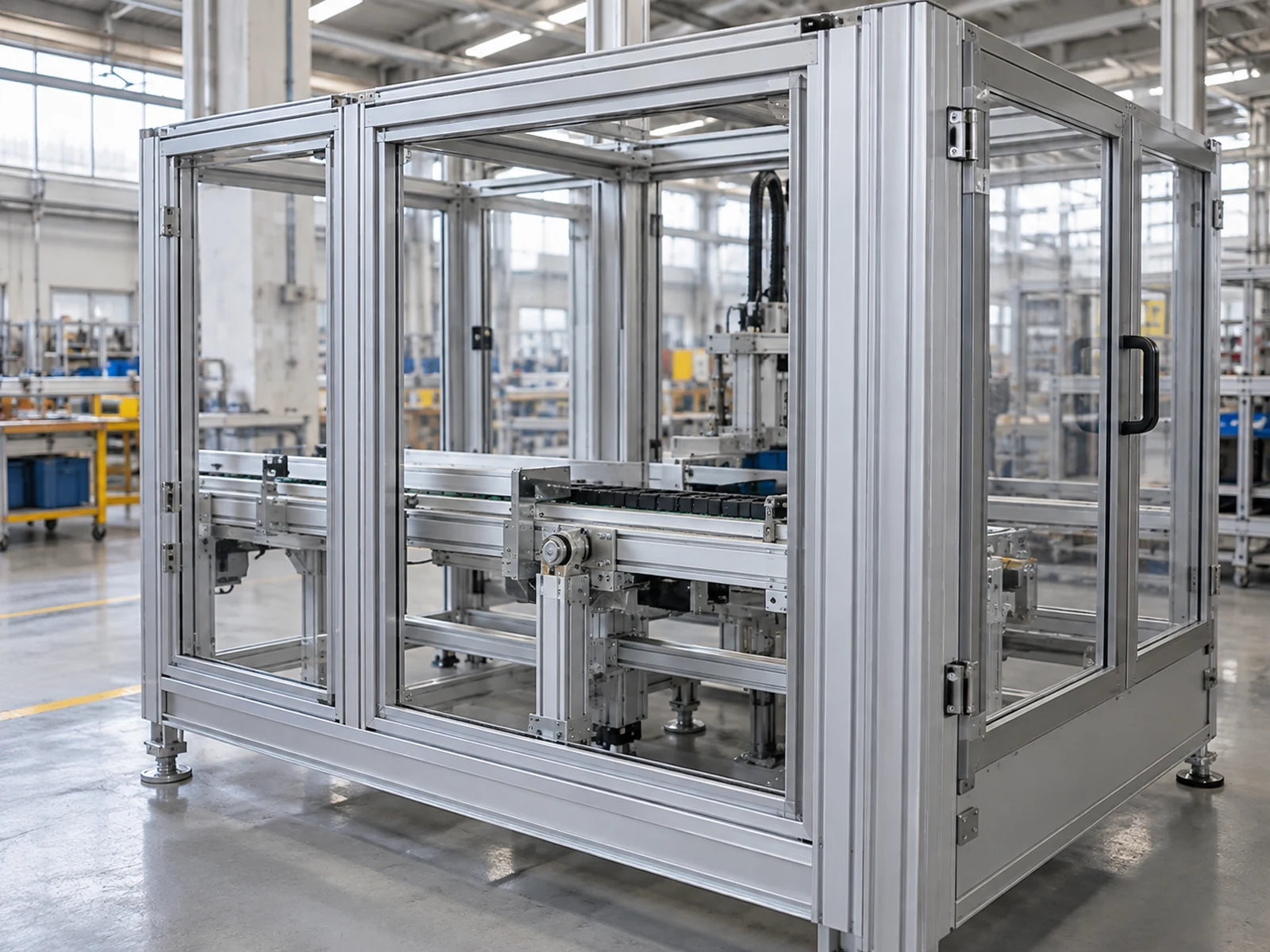
2. Separate straight frame stock from curved and purchased parts
Many enclosure designs mix stock families. A released bill of materials should identify each extrusion by section drawing, alloy/temper when known, supplied length, finish, protection film, and whether its production route involves straight cutting. Keep curved or formed profiles, glazing sheets, seals, wheels, fasteners and bought assemblies in separate columns. That prevents a saw evaluation from silently absorbing processes it will never perform.
For straight stock, record whether the end is square, angled or deliberately left overlength for later fitting. Record any orientation mark and which face is visible after assembly. A dimension in the assembly drawing may refer to an installed clear opening rather than the extrusion cut length. The saw trial needs a released cut drawing and a named datum, not a number copied from a marketing dimension.
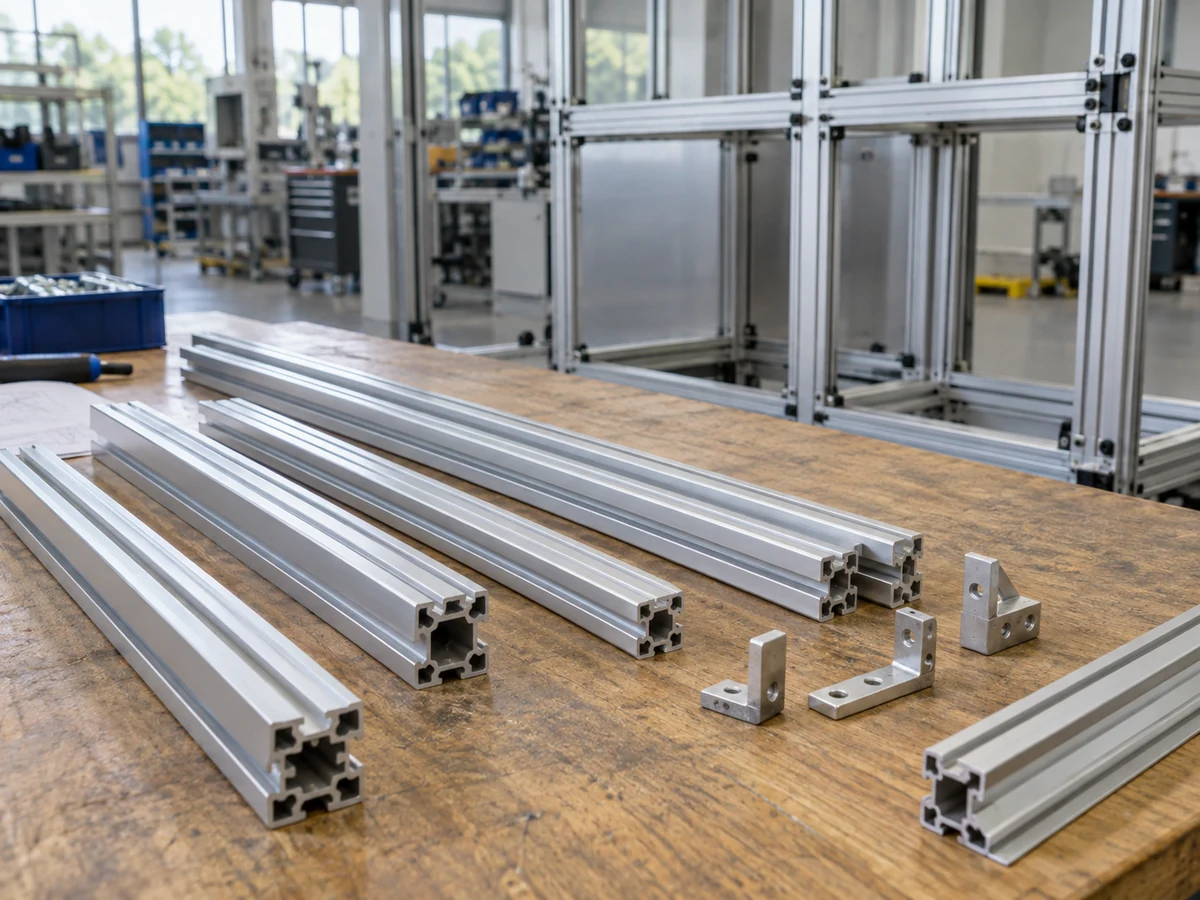
3. Identify the track supply route separately
Track arrangements vary among enclosure products and installations. A track may arrive as a finished proprietary kit, as straight extrusion requiring cutting and drilling, or as another supplier’s installation package. A single-side or two-side track decision affects design and site work, but does not automatically mean the factory needs to cut track stock. Confirm the make-or-buy route and the division of responsibilities with the enclosure designer.
If track profiles are retained for cutting, add their actual section, length, support points and visible-surface requirements to the trial set. Ask where any holes, joints, end caps or alignment features are made. If tracks arrive finished, exclude them from the saw’s capacity justification even when track installation is prominent in the sales offer.
4. Build a trial set from real released parts
Gather several representative parts rather than one convenient profile. A useful set includes the smallest delicate straight extrusion, a larger or more awkward frame member, a long piece where support and handling matter, and any track stock the plant truly cuts. Include the finishes and packaging condition expected in production. For each part, supply a drawing, material identification, target cut length, end condition, quantity and the downstream assembly reference.
During a witnessed trial, document the blade and clamping arrangement actually used, the support arrangement, a sensible batch sequence, first-off inspection and repeat samples. Look for end-face quality, burrs, visible surface marks, handling damage and the ability to identify each cut part. Do not infer universal accuracy, throughput or suitability from a short machine demonstration. The acceptance method should be agreed for the actual section and process.
5. Follow the cut part into the moving module
Cutting is only one source of dimensional variation. Hole locations, brackets, panel fit, joints, rollers and installation conditions can change whether a module assembles and moves as intended. At the cut-part handoff, specify which surfaces and dimensions the saw operator must inspect, which features downstream machining controls, and who decides whether a part can be reworked. A traceable first-off and a labeled kit reduce confusion when several similar module sizes are in production.
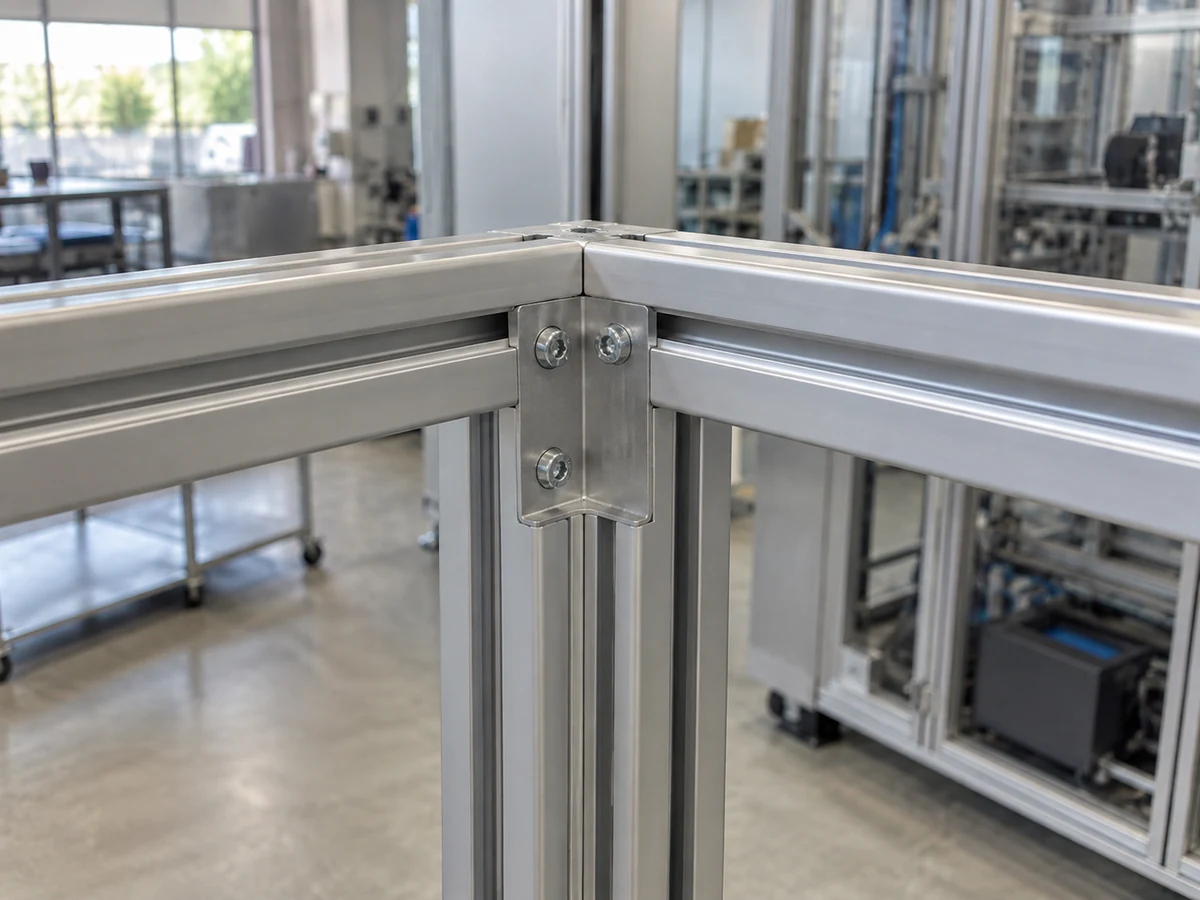
6. Compare supply routes before calculating capacity
At least three routes may be economical. The factory can cut long stock and kit the parts; a profile supplier can deliver cut-to-length sections; or a partner can supply assembled modules. Compare them using the same demand forecast and the same acceptance scope. Count stock handling, setup changes, scrap, inspection, packaging, supplier minimums, lead time and the cost of correcting a short or damaged member. Capacity is meaningful only for the volume the factory retains.
Short runs with many section changes may spend more time on setup and verification than on the cut itself. High-volume repeat modules may justify a different feeding and labeling workflow. Ask for the changeover and first-off process for your part mix instead of borrowing a cycle time from unrelated stock. Include space, material flow and safe handling for the longest retained pieces.
7. Aluminum saw for pool enclosure manufacturing: write the RFQ
A useful RFQ attaches the released section drawings and a cut-list sample, then states which profiles are supplied as long stock. Identify finish protection, length range, end-angle needs, expected batch pattern, required inspection, part labeling, and the boundary with downstream drilling, glazing and module assembly. Request a trial plan using your representative set and an agreed way to record results. Ask the saw supplier to state assumptions, exclusions and the support equipment included in its proposal.
| RFQ field | Buyer evidence to provide | Decision it supports |
|---|---|---|
| Retained scope | Process flow and make-or-buy list | Whether a saw is needed |
| Profile family | Released section drawings and stock condition | Clamping and support trial |
| Cut requirements | Lengths, angles, datums and visible faces | Inspection and acceptance |
| Track route | Finished kit or retained straight extrusion | Whether track stock belongs in the trial |
| Production mix | Batch sizes and changeover frequency | Feeding and labeling workflow |
Machine footage is context, not a pool enclosure trial
The Jiurun video below shows a saw in operation. It is general equipment footage only. It does not identify the pool enclosure sections described here, a customer installation, a specific machine configuration for this order, or verified cut quality or throughput for those parts.
Request a review around your actual cut list
Before selecting an aluminum saw for pool enclosure manufacturing, send Jiurun the retained straight-profile drawings, representative lengths, expected batches and the cut-part acceptance points. State whether tracks, curved members and finished modules arrive from other suppliers. We can discuss a trial and proposal around that defined cutting scope, while your design and installation teams retain responsibility for complete enclosure performance. Contact JiurunCut with the part set and the questions you need answered.