
An aluminum saw for floating dock manufacturing should be selected for the frame members a factory actually cuts, not for the complete dock pictured in a sales brochure. A floating module can include perimeter and cross members, connectors, flotation, decking, fasteners, anchoring interfaces and access equipment. Only some of those items are straight aluminum stock suitable for a saw trial. Define the retained work before comparing machine quotations with prepared frames or complete dock modules.
Dock builders use different construction routes. Alumadock describes channels, square tubing, flotation and connections in one of its own systems. AccuDock separates frames, floats, decking and hardware in its construction overview. Those are manufacturer-specific examples of why a dock bill of materials is wider than a saw cut list; their dimensions and performance claims do not transfer to a Jiurun machine or another dock design.
1. Choose the deliverable before choosing the saw
Start with a released module drawing and a make-or-buy record. Route A buys long aluminum sections and cuts members in-house. Route B receives a prepared or welded frame and adds other components. Route C buys a complete floating module or system. A supplier may quote by bar, cut member, framed module or installed dock. Compare offers at the same delivery and acceptance point. Otherwise a low cost per cut can be mistaken for the cost of a finished module.
| Supply route | Factory work retained | Evidence to request |
|---|---|---|
| Cut structural members | Stock buying, cutting, identification, inspection and later joining | Released cut list, representative stock and accepted member criteria |
| Buy prepared frame | Frame receiving, assembly boundary and component integration | Frame drawing, joint details, inspection and repair responsibility |
| Buy complete module | System receiving, deployment and supplier coordination | Configuration, flotation, connection and installation documentation |
Do not assume that a forecast of finished dock sales equals a forecast of saw cycles. Count only the aluminum members that the factory will cut, by section family, length, quantity, batch and revision. Keep future insourcing as a separate scenario until it is funded and documented. Include labor, material yield, changeovers, inspection, additional machining, joining, packaging and rework in the route that owns them.
2. Build a member register by module and section
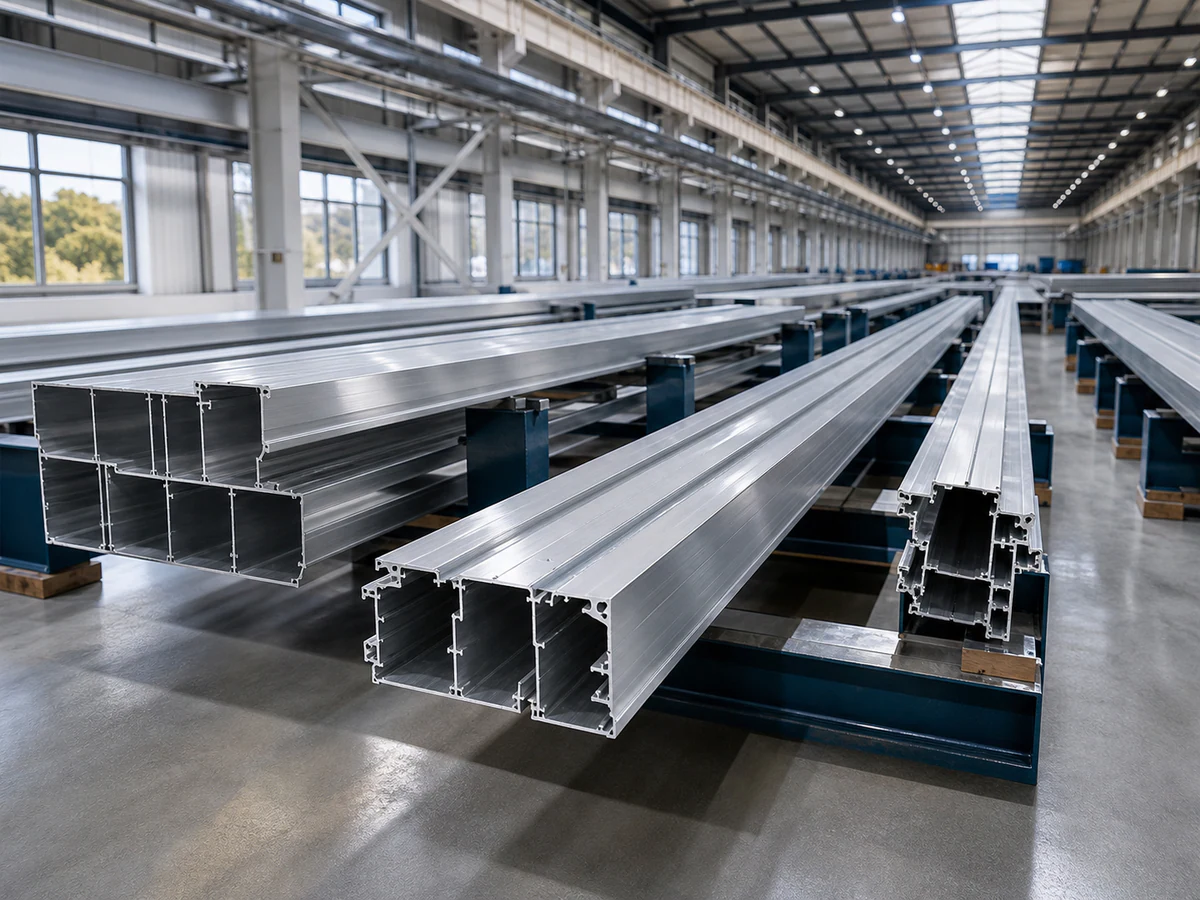
For every retained member, record its module identifier, drawing revision, material and temper specified by the designer, section drawing, incoming length, intended cut length, finish, protected face, orientation and next operation. Separate perimeter members, cross members, edge or connector pieces and any access-ramp members. They may look similar in a rendering but differ in wall geometry, contact faces or downstream joints. If flotation or decking is purchased separately, identify its owner rather than putting it on the aluminum cutting list.
Ask which components are supplied as straight extrusions and which arrive drilled, welded, coated, fitted or assembled. A saw can prepare a blank to a specified datum. It cannot establish the final hole pattern, weld quality, float attachment, deck fit or mooring configuration merely by producing that blank. An aluminum profile cutting machine is relevant only to the retained straight-cut portion of the work.
3. Separate deck footprint from cut length
The overall dock footprint is not automatically the length of a perimeter rail. Corner construction, joint gaps, connector allowances, weld preparation and the designer’s tolerances determine the released member dimension. Request a cut list with its datum, revision and acceptance method; do not calculate a saw stop position from a marketing drawing. If multiple module sizes share a profile family, keep the labels and travelers distinct so a correct length is not assigned to the wrong module.
Define the end condition that matters to the next operation: square cut, approved angle, deburred edge, protected surface, or a separately machined interface. State which station performs holes, slots, welding or coating. A clean-looking cut face does not validate the downstream joint. The frame designer should decide the dimensional chain and whether inspection is first-off, sampled or full-count for each member family.
4. Trial the actual stock and support problem
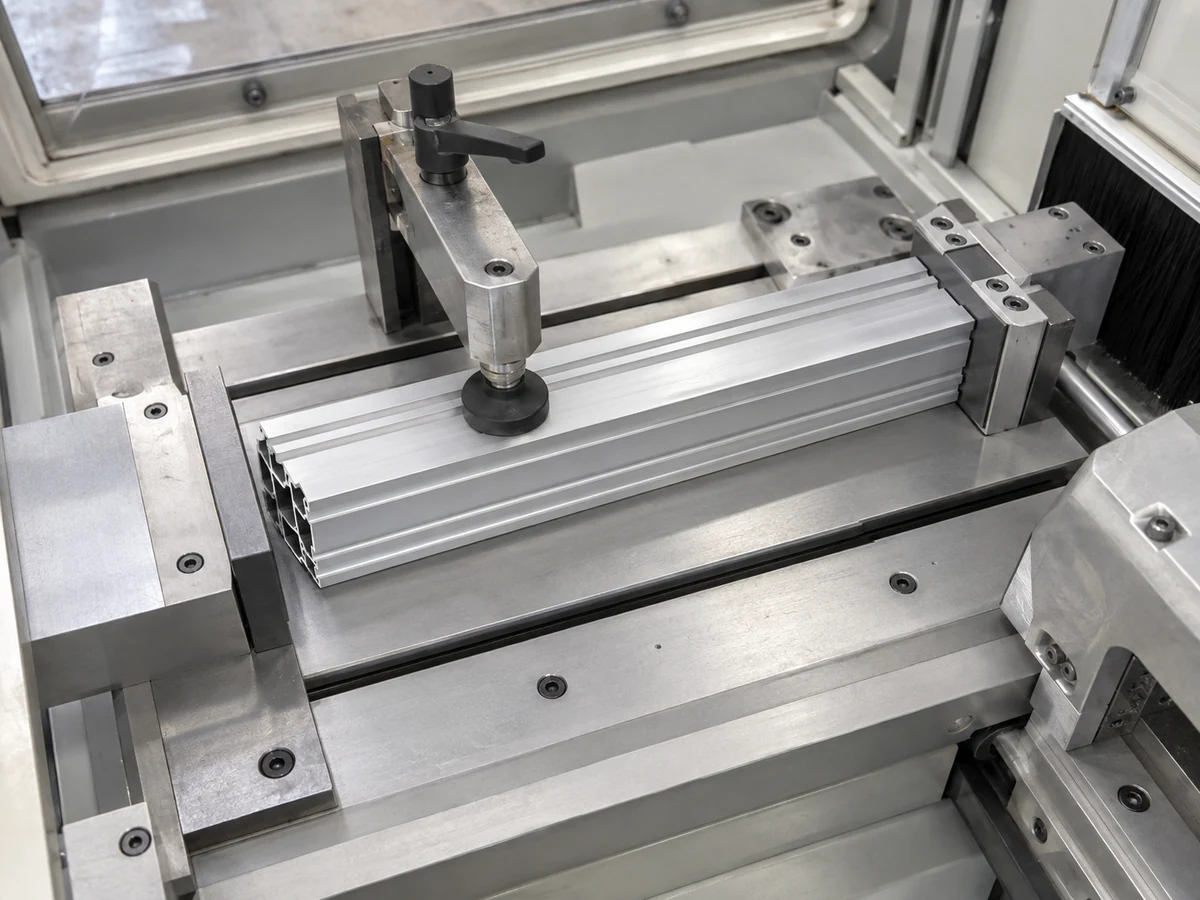
A useful trial includes the longest section the factory will retain, the most difficult cross-section to support, a shorter member that tests repeat setup, and any finish whose visible or contact face needs protection. Bring the released drawings and representative stock. Agree the blade, feed and support configuration, clamp contact, operator, quantity and measurement method before cutting. Record first-off and repeat pieces against the specified datum, plus burrs, visible damage, chip control and transfer to the next process.
Long hollow members can need outfeed support and stable reference faces. Thin walls or unusual internal webs can alter how a profile reacts to clamping. Those are trial questions, not claims that every dock section needs the same fixture. Ask the supplier to show which profiles were physically tested and list untested sections as exclusions. A machine’s feed-position figure is not proof of finished dock-frame accuracy. Qualified operators should use the site’s safe machine procedures.
5. Define the frame-to-module handoff
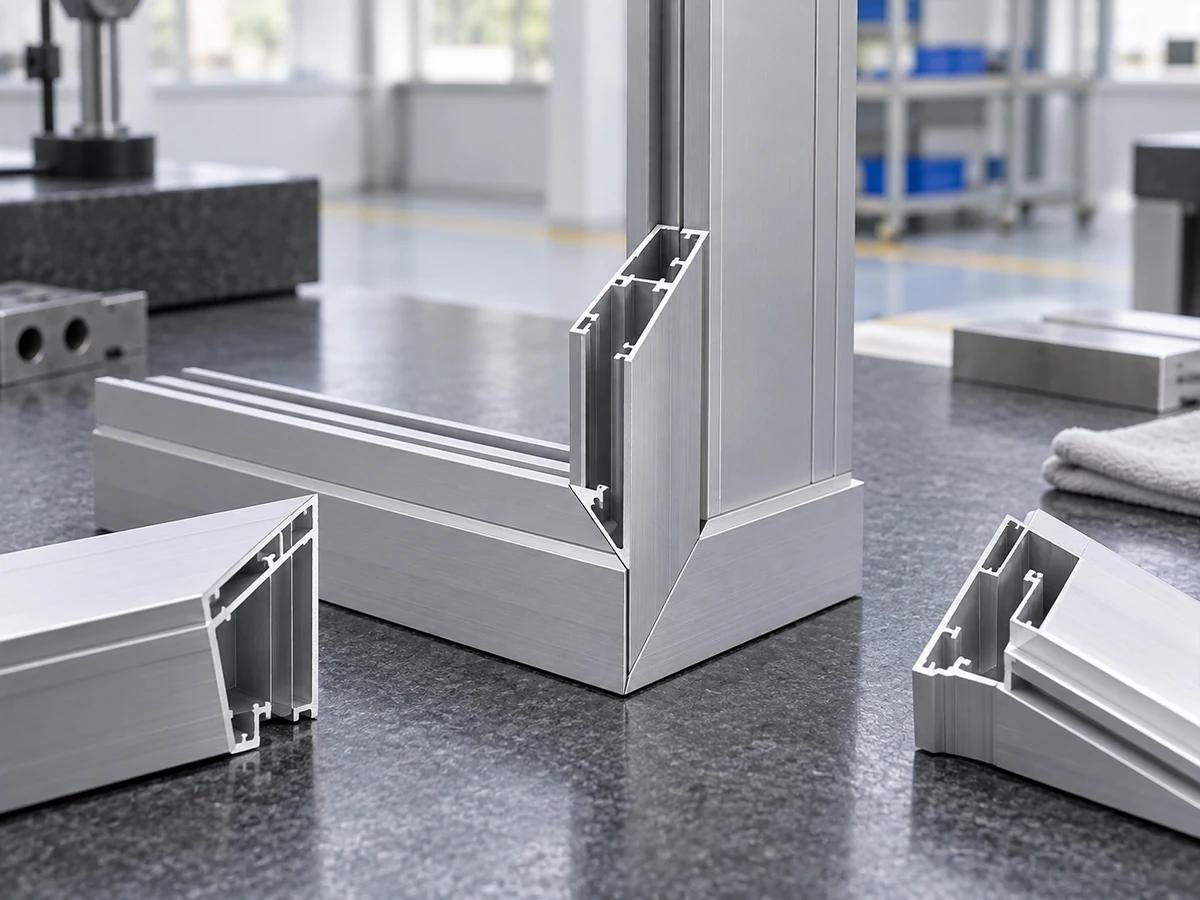
The cutting cell may release labeled loose members to welding or mechanical assembly. A prepared-frame supplier may release a joined frame. A module supplier may deliver the frame with decking and floats installed. Name the incoming inspection for each stage. On loose members, inspect the cut length and end condition. On a frame, inspect the approved geometry, joints and required connection interfaces. On a complete module, the responsible system team must evaluate the finished package.
AccuDock’s section-connection instructions illustrate that joining modules involves connectors, alignment and hardware outside a simple cross-cut. They describe that maker’s system, not a universal dock joint or a Jiurun process. Carry module and connector identity through cutting, packing and assembly so correct parts arrive together. Decide who replaces a damaged rail, missing connector or mismatched deck piece and how the drawing revision is checked.
6. Keep flotation and site qualification with their owners
Buoyancy, stability, load capacity, freeboard, mooring, anchorage, access, corrosion exposure and local approvals are system-level decisions. A saw quotation must not be treated as their certification. The dock designer and competent installer should specify those criteria for the intended water body and use. A successful cutting trial proves only what was measured on the trial parts under the recorded conditions.
Flotation units, decking and connectors can be separate purchased items, and their interfaces may determine where a frame member needs holes or welded attachments. Pass those obligations to the relevant process owner. If a buyer purchases complete modules, ask the module supplier for its configuration and acceptance evidence. If the buyer cuts only loose aluminum sections, keep the saw RFQ limited to those sections and their specified receiving condition.
7. Send a scope-based RFQ and compare capacity honestly
An RFQ for an aluminum saw for floating dock manufacturing should include the released member register, actual stock samples, section drawings, stock lengths, finished blank lengths, angles, finish protection, quantity per module, realistic batch mix, labeling and inspection method. Identify the longest unsupported span and all planned downstream operations. Ask for a witnessed trial on the retained profile family and a written list of exclusions and assumptions.
- Member scope: Which perimeter, cross and connector pieces are cut locally?
- Input groups: Which section, wall, finish and incoming-length combinations require separate setup checks?
- Accepted output: Which datum, end face, burr, surface and label criteria apply to each blank?
- Next operations: Who drills, joins, welds, coats and integrates the frame?
- System boundary: Who supplies and approves floats, decking, connectors, mooring and site installation?
- Commercial basis: What are the representative batches, tooling, yield, labor, maintenance and remaining-work costs?
A prepared-frame or complete-module route may be preferable for the actual order mix. The quotation should expose that possibility rather than assume a saw purchase. If in-house cutting is justified, the trial record and member register give the factory a defensible capacity and acceptance basis.
Equipment view: a general Jiurun cutting example
The following video is from Jiurun Machinery’s own channel and shows general aluminum-cutting equipment. It does not demonstrate a floating-dock section, a named model configuration for this work, a customer project, a qualified dock frame or flotation performance. Use it to frame questions for a trial with your own released stock.
Request a frame-member review
Send the retained cut list, module drawing, actual stock sections, batch pattern and receiving criteria through JiurunCut’s contact page. Ask us to scope a machine proposal and representative cutting trial for the straight aluminum members your factory will own. Keep frame engineering, flotation, mooring, installation and completed-dock approval with the responsible specialists.
Reference context: Alumadock’s frame, flotation and fastener overview; AccuDock’s dock-parts overview; and AccuDock’s section-connection example. Each describes that manufacturer’s system and is used only to distinguish component and acceptance boundaries.