
An aluminum saw for flashlight manufacturing can make sense when the factory receives aluminum stock and cuts housing blanks before turning or other machining. It is not the machine that makes a complete flashlight. A buyer should first establish whether the planned supply route starts with tube, solid bar, an extrusion, a near-net blank, or a finished housing. The answer determines whether a saw belongs in the process at all.
Commercial flashlight product pages illustrate why that distinction matters. Fenix describes an aluminum body and separate flashlight components; Ledlenser describes a hard-anodized aluminum housing. Neither public product description establishes the incoming stock form, blank length, cut allowance, or saw configuration for a buyer’s own housing. Those details must come from the buyer’s drawing and supplier route.
Aluminum saw for flashlight manufacturing: where it fits
A typical RFQ boundary is stock receipt → blank cut → deburr/inspect → downstream machining → finishing → assembly. This is a planning sequence, not a claim that every flashlight follows it. If a supplier already delivers prepared or machined housings, an in-house blank-cutting saw may add handling instead of value. If a plant cuts many cylindrical aluminum blanks for subsequent turning, blank length control, stable clamping, and repeatable handling become relevant.
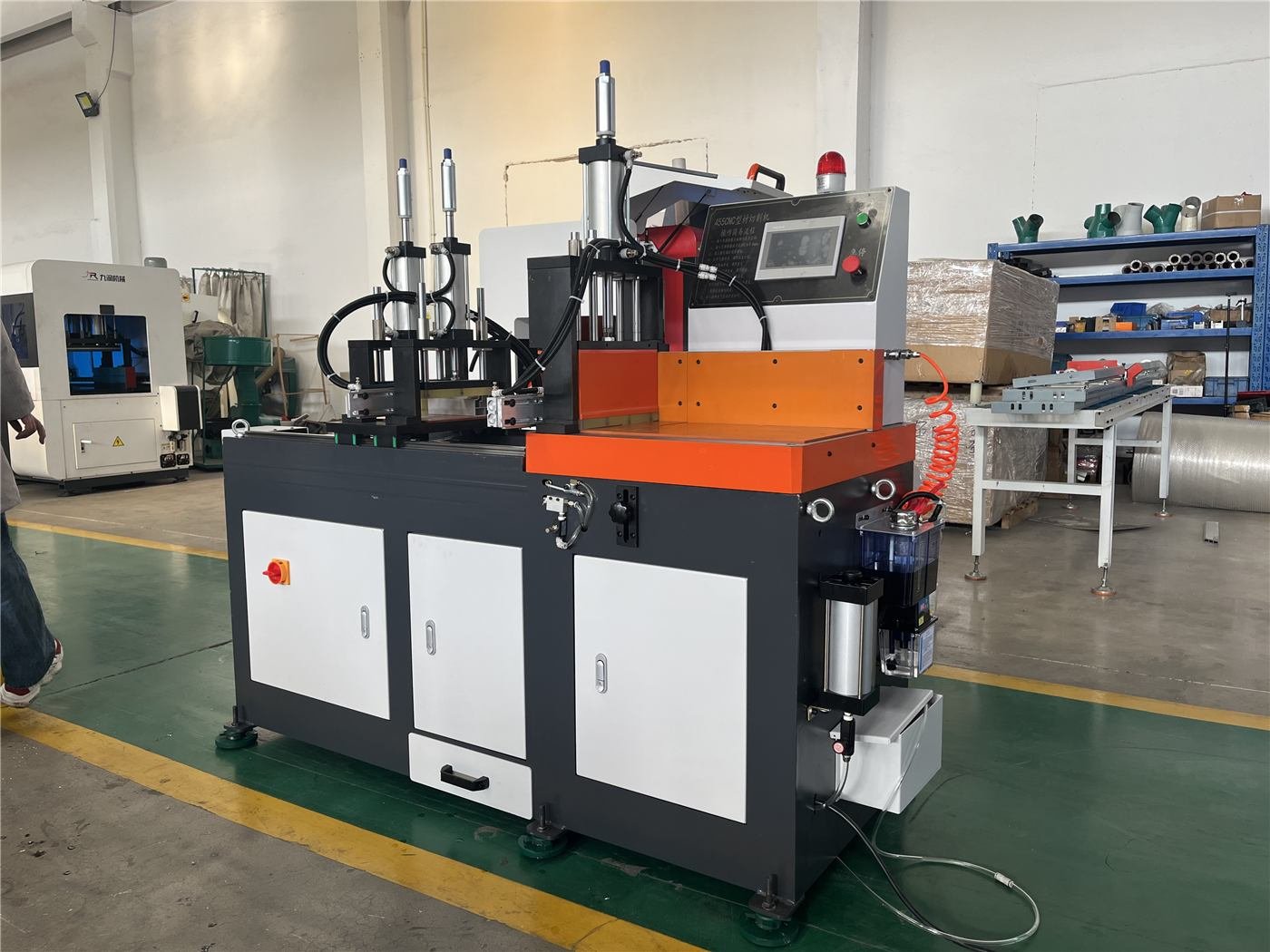
Seven checks before requesting a quotation
1. Identify the actual incoming material
Ask the material supplier for the form and drawing revision before specifying a saw. Record whether the part begins as hollow tube, solid round bar, an extrusion, or a purchased blank. For a tube, document outer diameter, inner diameter or wall thickness, ovality allowance, alloy and temper. For solid stock, state diameter, straightness, and surface condition. A finished flashlight’s outside shape does not prove which stock produced it.
2. Separate blank dimensions from finished dimensions
The final housing length is not automatically the saw cut length. A machining engineer should assign face-cleanup and workholding allowances, define the cut datum, and state the acceptable blank-length range. Share a controlled drawing or sample, plus the intended downstream turning or milling sequence. Let the proposed machine trial measure the blank against those requirements rather than comparing it with consumer-product dimensions.
3. Protect thin walls and cosmetic surfaces
A hollow housing blank may deform under an unsuitable clamp, while cosmetic stock can pick up marks during feeding or collection. Ask how the proposed fixture supports the specific diameter and wall, how clamping force is set, and which surfaces may touch guides or stops. These are questions for a sample trial, not assumptions about any machine. If the outside is later machined away, the surface constraint may differ from a prefinished tube.
4. Define the next operation’s cut-face requirement
Specify what the next operation needs: acceptable burr, squareness, surface condition, chip control, and handling direction. A sawed face may be a locating surface or merely a sacrificial allowance for subsequent facing. State which. Ask the supplier to show measured samples from the actual material and to separate the saw result from later deburring or facing.
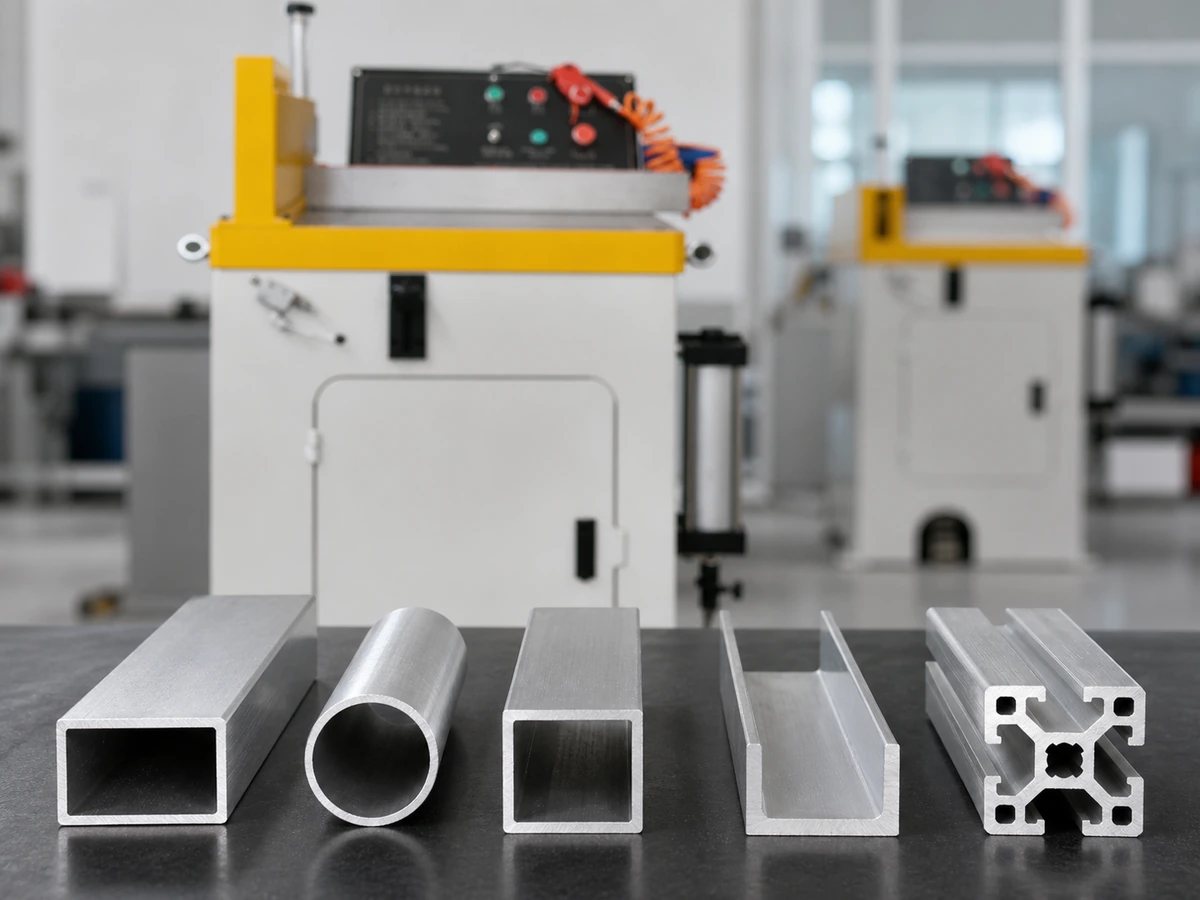
5. Give the vendor a real production mix
List each blank family, annual or weekly demand, batch size, changeover frequency, stock length, and target piece length. Include how remnants are handled and who loads and unloads the stock. A single nominal diameter is not enough when several body and head components share a line. Ask for a cycle breakdown that distinguishes cutting, feeding, loading, checking, and changeover; do not extrapolate a quoted cutting speed into completed-housing throughput.
6. Agree on trial evidence before comparing machines
Arrange a trial with the buyer’s own stock and controlled drawings if the purchase decision depends on a specific part. Agree on sample count, setup method, measurement tools, acceptance limits, and who records results. Inspect the first and later cuts, marks on contact surfaces, and any tube deformation. A video of a different profile proves that a saw operates, but it is not evidence for this housing’s tolerance, finish, or output.
7. Compare the full route and ownership of work
Put the saw quotation beside alternatives: outsourced cut blanks, purchased machined housings, and in-house blank cutting followed by machining. Include material utilization, setup, fixtures, blade and service items, inspection, scrap, handling, floor space, and labor assumptions. Mark which party owns programming, tooling, trials, transport, installation, and operator training. A lower machine price alone does not settle the route decision.
What a useful flashlight-housing RFQ contains
For an aluminum saw for flashlight manufacturing inquiry, send the vendor a concise package: part drawing and revision; incoming stock specification and photos; required blank lengths and tolerances; allowance for downstream machining; surface-contact restrictions; demand and batch mix; sample material for testing; and acceptance criteria. If important facts are unknown, label them unknown. The vendor can then propose a cutting method and identify open questions without implying that a published product example is your part specification.
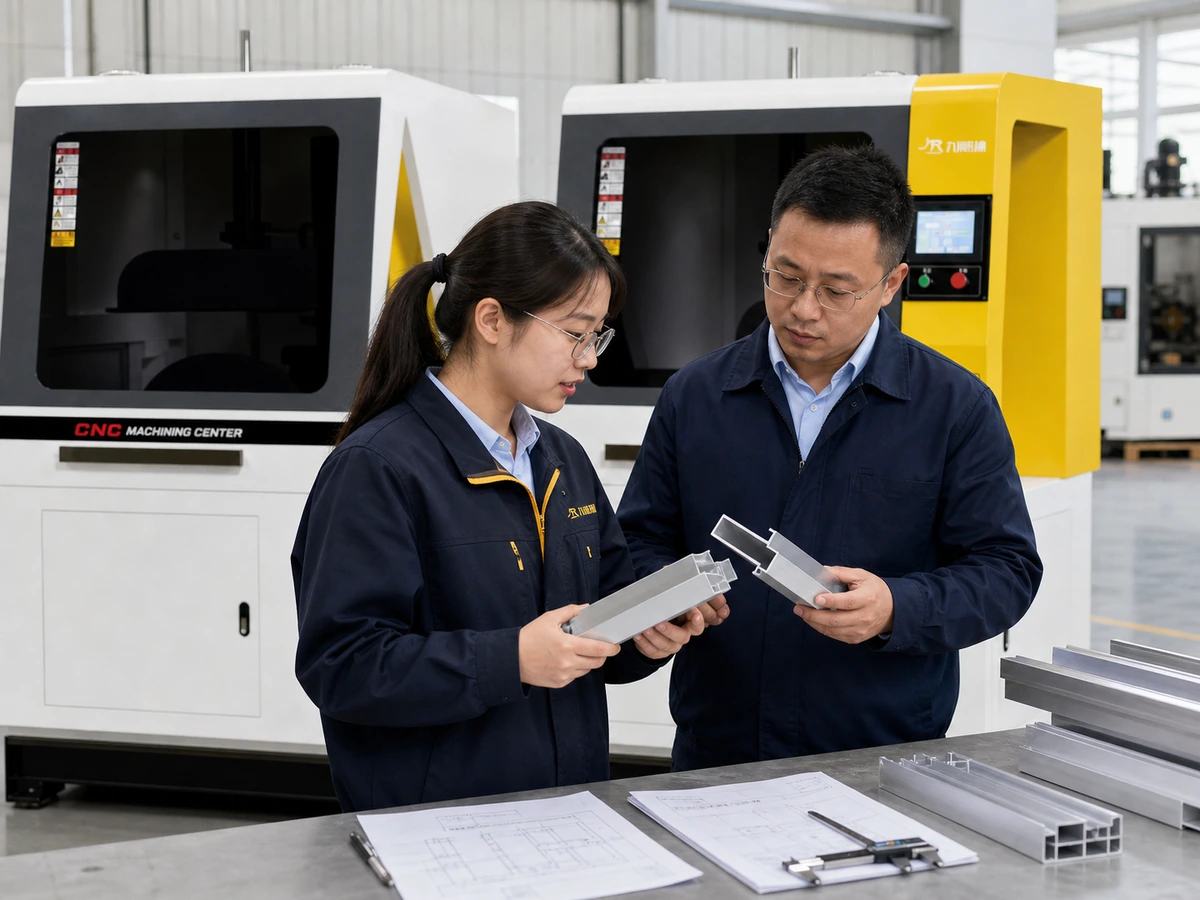
Related machine video
The following video from Jiurun Machinery’s YouTube channel shows an aluminum-cutting equipment view. It is general machine context, not a flashlight housing trial or proof of a particular stock, fixture, tolerance, finish, or production rate.
Questions buyers often ask
Does every aluminum flashlight housing need a saw?
No. The need depends on the incoming stock and the manufacturing route. A company buying ready-to-machine blanks or finished housings may not need a separate in-house cutting step.
Can one machine cut both hollow tube and solid bar?
Potentially, but suitability cannot be established from the two shapes alone. Provide dimensions, alloy/temper, blade and cut-face requirements, batch mix, and actual samples. Request a configuration and trial for each materially different family.
Is a clean-looking photo enough to approve a cut?
No. A photograph can show general geometry, but measured length, squareness, burr condition, surface marks, and downstream fit need defined methods and acceptance limits.
Discuss the blank-cutting boundary with Jiurun
If your route starts with aluminum stock, send Jiurun the stock form, part drawing, blank schedule, and trial acceptance criteria. Ask for a proposed cutting setup and a clear list of what the quotation covers. Contact Jiurun with the material and process details; keep turning, finishing, and flashlight assembly requirements separate from the saw specification.