
A dry block heater may contain an anodized aluminum module, yet the finished product does not tell a factory whether it should buy a saw. The purchasing decision begins with the work the factory actually retains: incoming aluminum stock, a released cut blank, a prepared block, or a complete module bought from another supplier. An aluminum saw for dry block heater manufacturing earns a place in the quotation only if an approved aluminum cutting job remains between those stages.
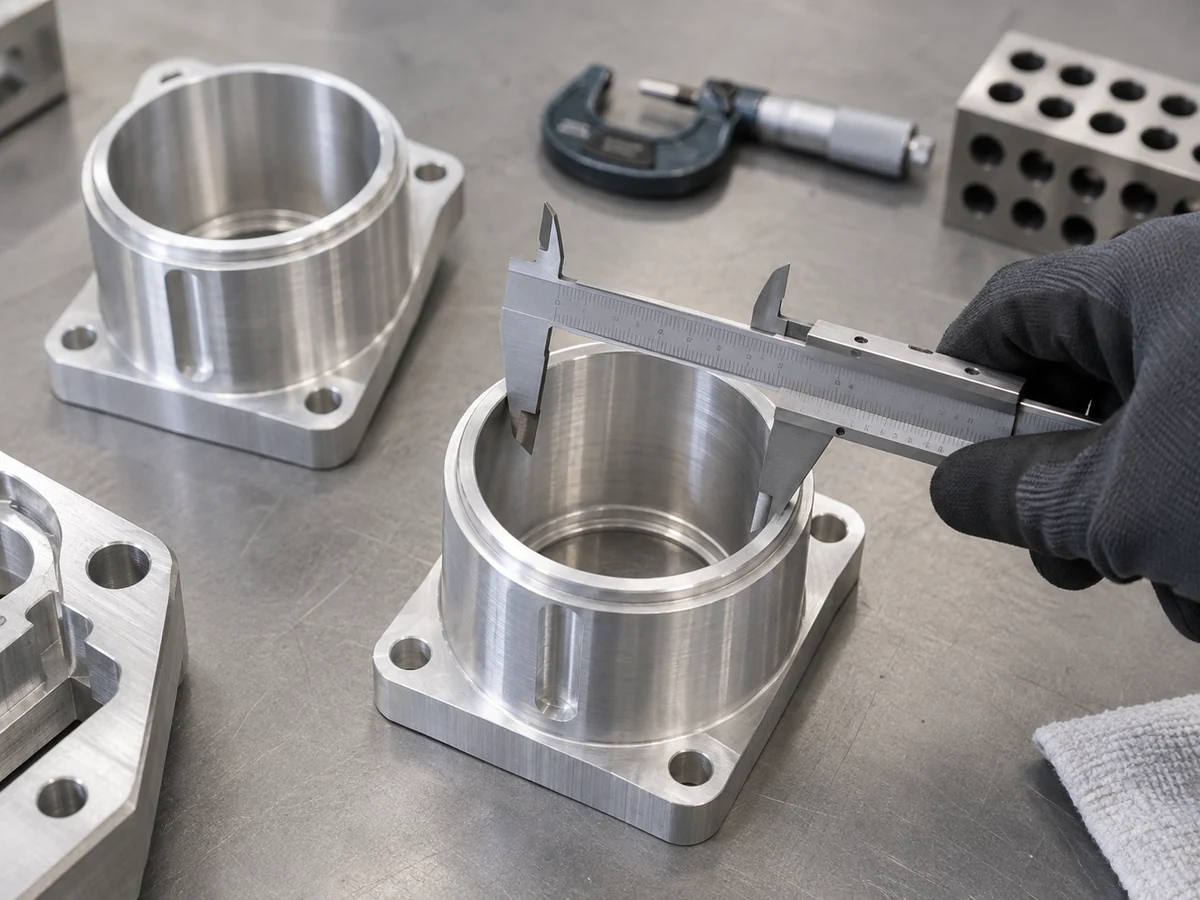
For example, OHAUS lists a dry block heater accessory made from anodized aluminum. Its catalogue also identifies sample and well features. Those finished-product references do not disclose the raw stock form, blank allowance, factory routing, or which organization makes the block. A saw RFQ needs those separate records.
First map the supply boundary
Put four possible receiving stages on one sheet. A bought finished block arrives with its approved features and finish. A bought prepared module may include a block plus other agreed components. An in-house blank route starts with an actual released aluminum input and ends at a defined cut-piece handoff. A complete heater purchase includes further mechanical, heating, sensing and control responsibilities. Name the stage your factory intends to accept before comparing supplier prices.
A production forecast for finished heaters is not automatically a forecast for saw-cut blanks. Some product variants may use bought modules, while others may retain a stock-preparation step. List each member family, revision, expected quantity and receiving owner. Count replacement work separately from new production. If the factory cannot identify an eligible cuttable input and a released blank drawing, a saw capability claim would be premature.
Aluminum saw for dry block heater manufacturing: define the blank
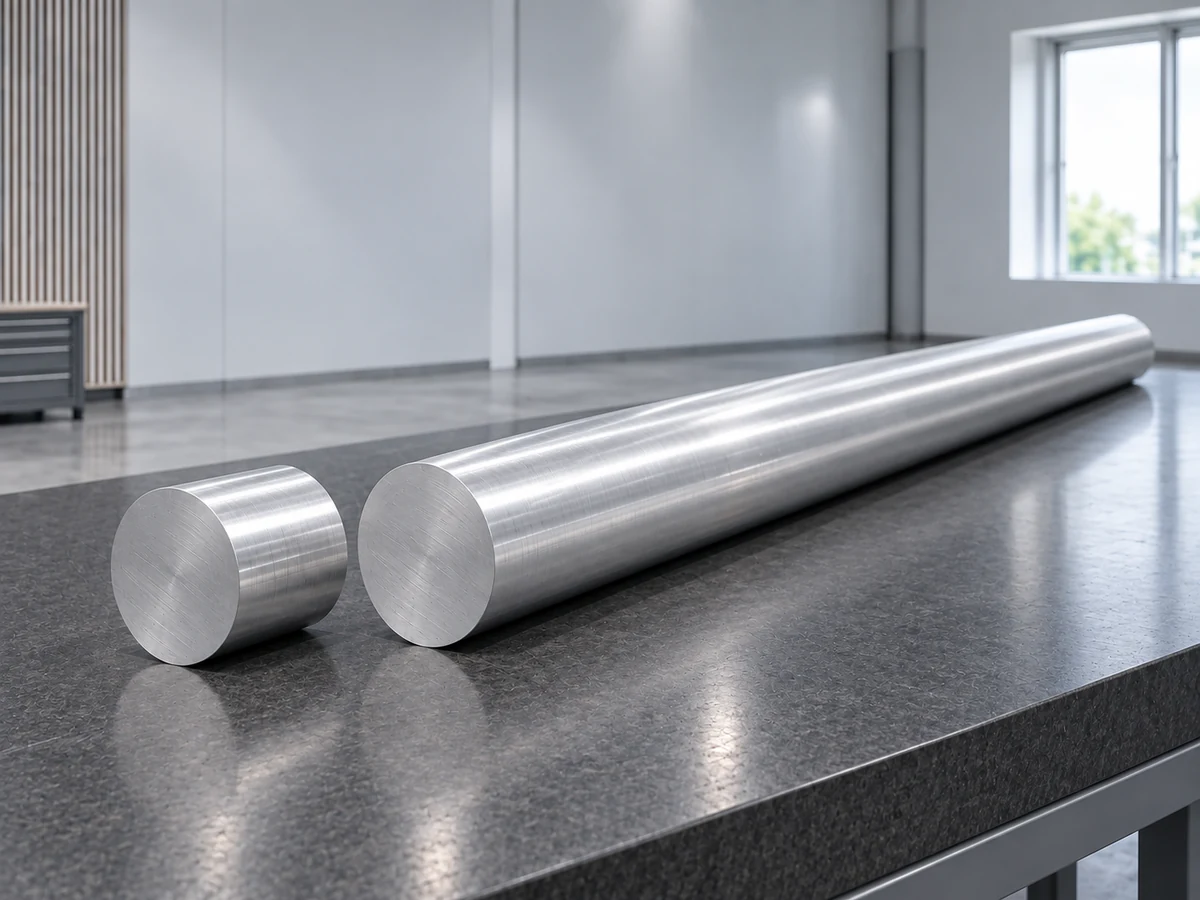
A finished module drawing can contain sample wells, a thermometer opening, surface treatment, mating faces and markings. The saw supplier needs the physical stock section and the two end faces that would be made by the cut. Identify the approved blank length or thickness reference, tolerances, datum method, material condition, end-face requirement and any allowance reserved for later operations. Let the responsible product and process engineers approve these values; do not infer them from an online catalogue dimension.
Show where the saw operation stops. Drilling or milling wells, finishing the block, fitting a cover, adding heaters and wiring controls are separate jobs unless the quotation explicitly assigns them. A finished block can look suitable for a saw photograph while its real factory input is a casting, forging or already prepared component. Ask the supplier to quote against the actual incoming form rather than the finished shape.
Test the member family that carries the decision
Choose a small trial set from the retained cut work. Include the longest or most awkward stock section that is actually released, a shorter high-volume member if one exists, and any different finish or handling condition that changes acceptance. Send physical sample stock with its material identity and drawing revision. Confirm stock support, clamping contact, blade selection and inspection responsibilities with the proposed machine supplier. A sample demonstration on unrelated profile stock can explain the equipment sequence; it cannot release a heater-block blank.
Record each trial piece against its incoming lot and approved blank reference. Inspect the agreed cut faces and dimensions after the specified handling stage. If a later machining supplier needs an allowance or a particular datum, obtain that supplier’s acceptance criteria before the saw trial. Reject, rework and hold routes need named owners so that a first accepted cut does not silently become approval for a complete heater module.
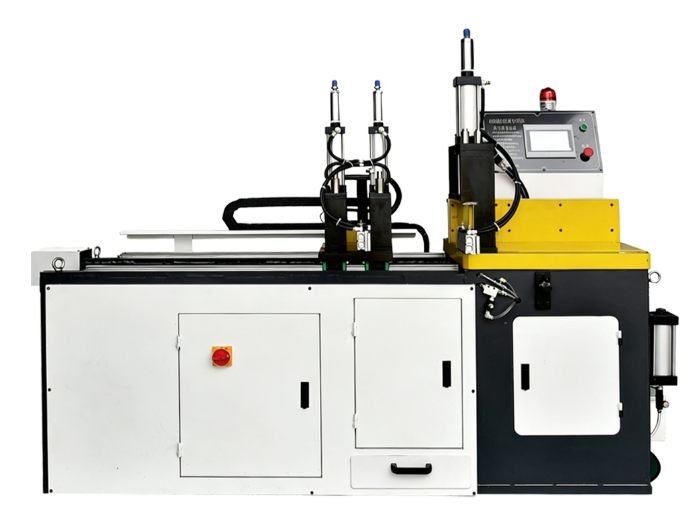
The following video comes from Jiurun’s own channel and shows a related automatic aluminum cutting machine. It is useful for discussing feeding and cutting access. It does not show dry block heater manufacture, the module in the OHAUS listing, a specific Jiurun configuration for this job, or laboratory product performance.
Compare the full route at one receiving stage
Quote the retained blank route and the bought prepared-block route to the same accepted receiving point. For the blank route, include stock purchase and scrap, handling, saw labor and tooling, first-off inspection, remaining feature manufacture, surface finishing, outside processing, transport and the final verification needed by the next operation. For bought blocks, include the supplier’s stated exclusions, incoming inspection and any missing components. A low saw-cycle cost cannot be compared with a delivered finished-block price without that reconciliation.
The bottleneck may sit after cutting. A factory that still has to create wells, qualify a surface and assemble a heating package may gain little from a faster blank station if those downstream operations set the release rate. Ask for a representative mix of product families and a complete elapsed route to accepted modules. Keep sample count, shift assumptions and rework rules visible in both options.
What to send with the saw inquiry
- The actual aluminum input form and condition, with sample stock available for a supplier trial.
- A released blank or cut-member drawing that identifies the saw-made faces and acceptance method.
- The family mix, expected blank quantities and the operations retained after cutting.
- Named owners for first-off inspection, downstream features, finishing and module acceptance.
Send those records to JiurunCut and ask which offered saw configuration, if any, can be assessed on the real stock and blank criteria. The response should identify the cutting evidence to witness and the work left outside the saw supplier’s scope. That gives the factory a defensible choice between making blanks and buying prepared modules.