
An aluminum saw for bus body manufacturing should be selected around a defined component supply responsibility. A factory buying ready-to-fit members has a different cutting requirement from one that receives long extrusions, prepares vehicle kits, and performs the following fabrication operations itself. Start with that boundary before comparing saw capacity, automation, or price.
The purchase succeeds when approved members reach the correct body assembly at the required time. A faster cutting cycle alone does not establish that result. Profile orientation, model variants, machining allowances, surface condition, inspection, and kit identity all affect what the assembly team receives. The saw quotation should describe the retained cutting work and its interfaces with the rest of the route.
This guide helps a bus manufacturer or component supplier compare three procurement scopes: receiving prepared components, retaining a defined cutting station, or developing a wider component preparation route. It does not provide a vehicle design specification or certify structural performance. Those requirements belong to the approved vehicle drawings and the responsible engineering team.
Define the bus component supply boundary first
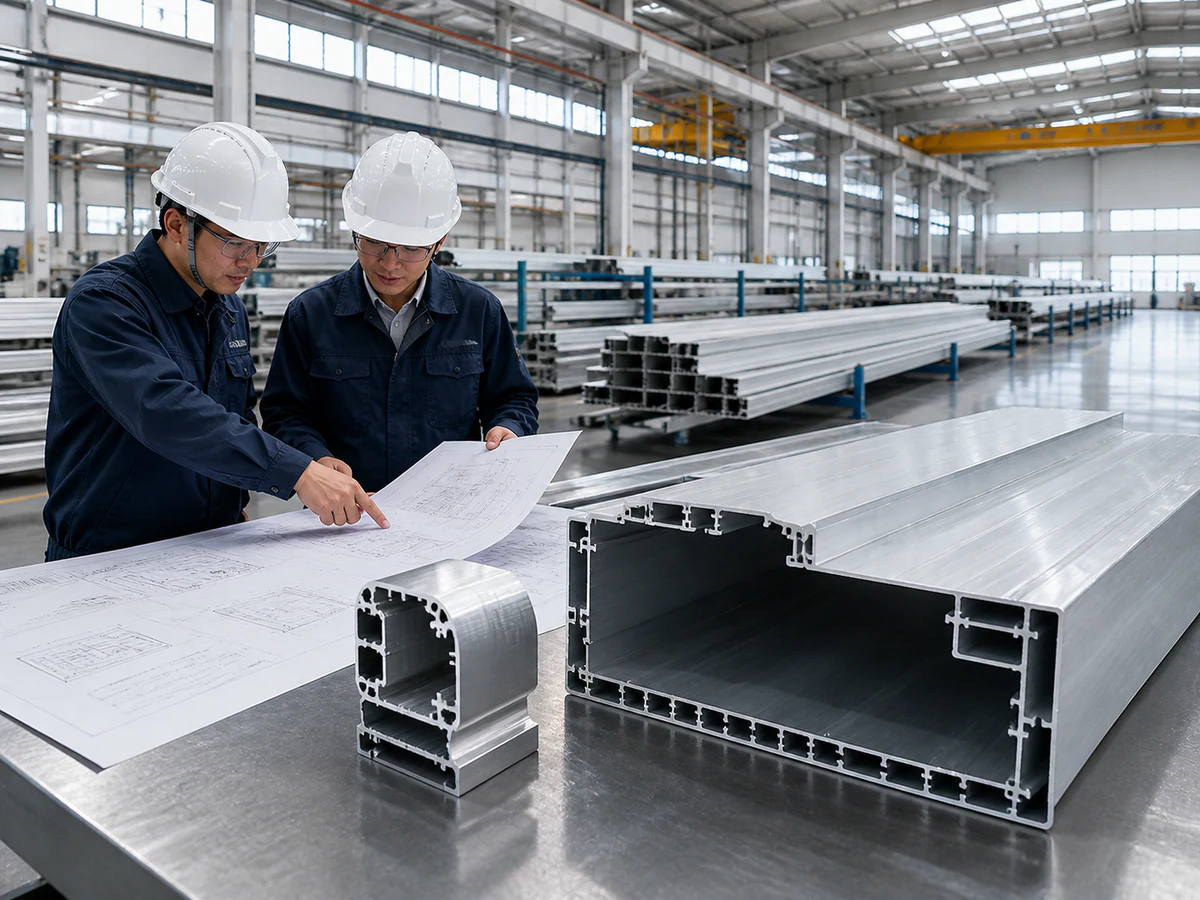
List the actual aluminum members in your production responsibility. Use part numbers and drawing revisions rather than the broad description “bus profiles.” For each family, state what arrives from the supplier and what must leave your factory. A long extrusion, a cut blank, a machined member, and an assembled structure are different deliverables.
For application context, Hydro describes bus extrusion components such as cross members, side sills, and roof supports. Its examples combine cutting with other fabrication processes, including machining, punching, bending, welding, or surface treatment. These examples help identify process boundaries; they do not establish a JiurunCut machine configuration or an approved design for your vehicle.
A purchaser might retain straight-member cutting while buying complex fabricated parts from a specialist. Another may keep cutting and subsequent machining under one production responsibility. Both can be sensible scopes. The important question is whether the quotation matches the work your factory will actually perform, including the preparation needed before the next operation accepts a part.
Document exclusions as carefully as inclusions. If curved members arrive already prepared, do not add them to the saw workload because they contain aluminum. If a purchased assembly includes several cut extrusions, do not count those individual members again in your own cutting demand. This avoids paying for capacity associated with work assigned to another supplier.
Compare three complete procurement scopes
| Scope | Your factory retains | Evidence needed before selection |
|---|---|---|
| Prepared components | Receiving, verification, assembly, and agreed minor finishing | Supplier delivery format, drawing control, accepted component quality, and change response |
| Defined cutting station | Approved long-stock conversion into specified blanks or members | Actual stock families, cut list, orientation, support, inspection, and downstream handover |
| Wider component preparation route | Cutting plus separately specified fabrication and kit preparation | Responsibilities and acceptance criteria at every retained process, including equipment outside the saw scope |
Compare total responsibilities, not isolated machine prices. The prepared-component option may reduce internal operations but leaves dependence on delivery and revision response. A cutting station adds stock management and part release work. A wider route adds further equipment, skills, and coordination. None of these costs can be represented by a quoted cutting cycle alone.
If two suppliers propose different scopes, give them the same retained-work statement before making a commercial comparison. Ask each to identify what its offer includes and what another party must provide. A low saw price can still be the appropriate offer when the boundary is clear; an extensive offer can still be unsuitable when it assumes operations you intend to outsource.
Convert vehicle demand into a retained member schedule
Vehicle output is not a saw specification. Translate the planned vehicle mix into the members that remain within your cutting responsibility. Include the quantity of each part per vehicle, approved variants, required release dates, and the next operation. Keep forecast demand separate from released production orders.
For example, suppose a hypothetical weekly plan contains four vehicles of model A and three of model B. Each A vehicle requires six internally cut members from one approved family, while each B vehicle requires eight from another. The retained requirement is 24 A members and 24 B members, or 48 in total. This is a scheduling illustration, not a production rate or a bus design recommendation.
Those 48 members are not automatically interchangeable work. If one family has a different section, length range, orientation, or following process, the schedule must preserve that distinction. If the B members arrive as purchased prepared components instead, remove their 24 pieces from the internal saw requirement. Do not leave the same work in both the supplier delivery plan and the cutting capacity calculation.
Then add separately identified development pieces, approved replacements, and rework. Avoid hiding these inside a general allowance that nobody can trace. A small urgent replacement may interrupt a long production batch, but it should retain its own drawing and vehicle identity. Discuss the resulting job mix with the machine supplier rather than treating every piece as one average cycle.
Select an aluminum saw for bus body manufacturing from real stock
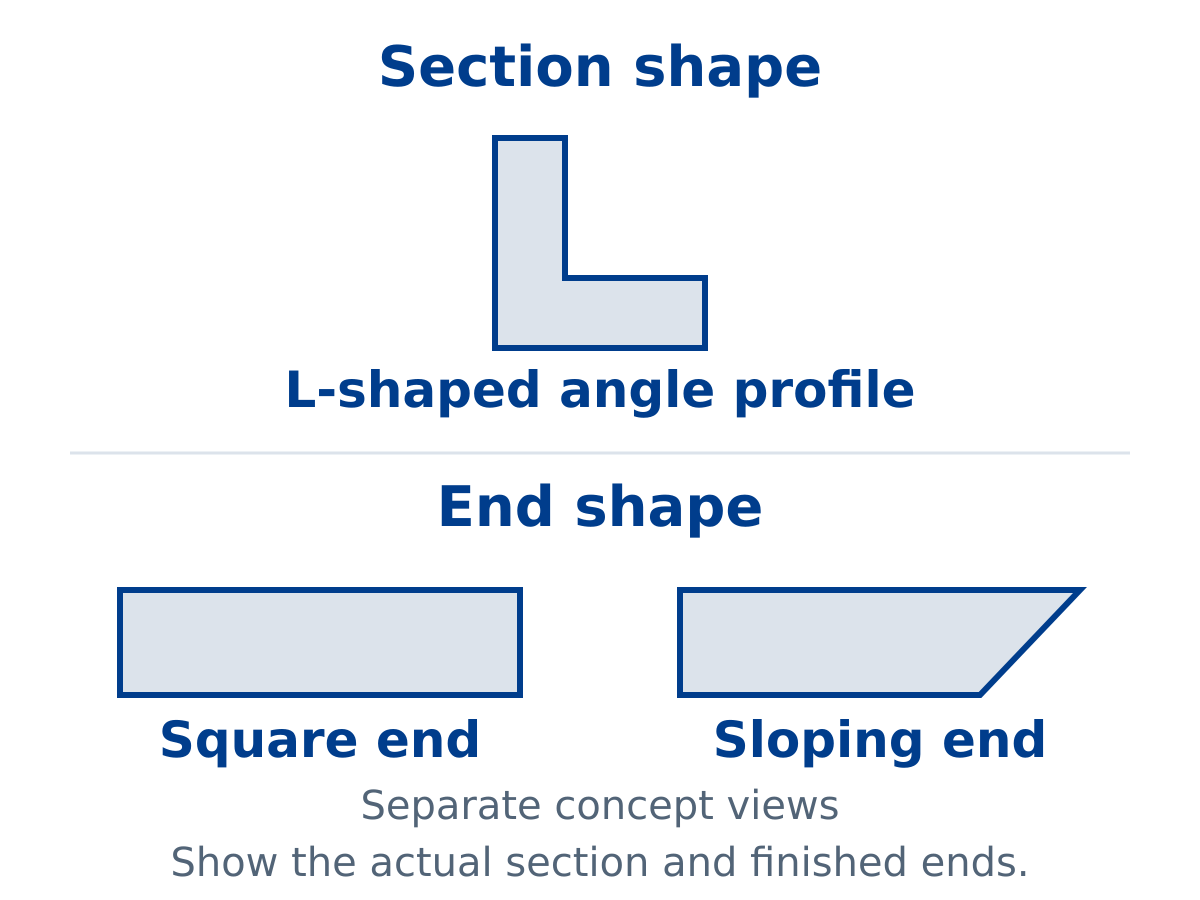
Provide actual extrusion section drawings and representative stock information. The external dimensions alone may not describe the support and clamping requirement. Hollow cavities, ribs, uneven walls, and designated appearance surfaces can influence the proposed setup. The supplier should explain its proposed arrangement for the particular section and orientation.
Specify whether the incoming stock is uncoated, finished, or otherwise protected. Identify the surfaces that must remain acceptable for the next process and the surfaces that become visible in the assembled body. Do not assume that a protective film makes any support or contact arrangement suitable. Require a review of the actual material condition and the agreed inspection standard.
Long stock and long finished members also need a defined handling arrangement. Describe incoming lengths, receiving space, support requirements, unloading method, and where released parts will wait. A machine envelope that accommodates a section does not, by itself, prove that the whole member can move through your workstation as planned.
Use the JiurunCut aluminum cutting machine range as the starting point for a drawing-based configuration review. JiurunCut supplies industrial circular-saw cutting equipment for aluminum and nonferrous material applications. Machining, welding, bending, and complete vehicle assembly require their own scope; an aluminum saw quotation should not be read as a promise to perform all of them.
Preserve the drawing datum through the fabrication route
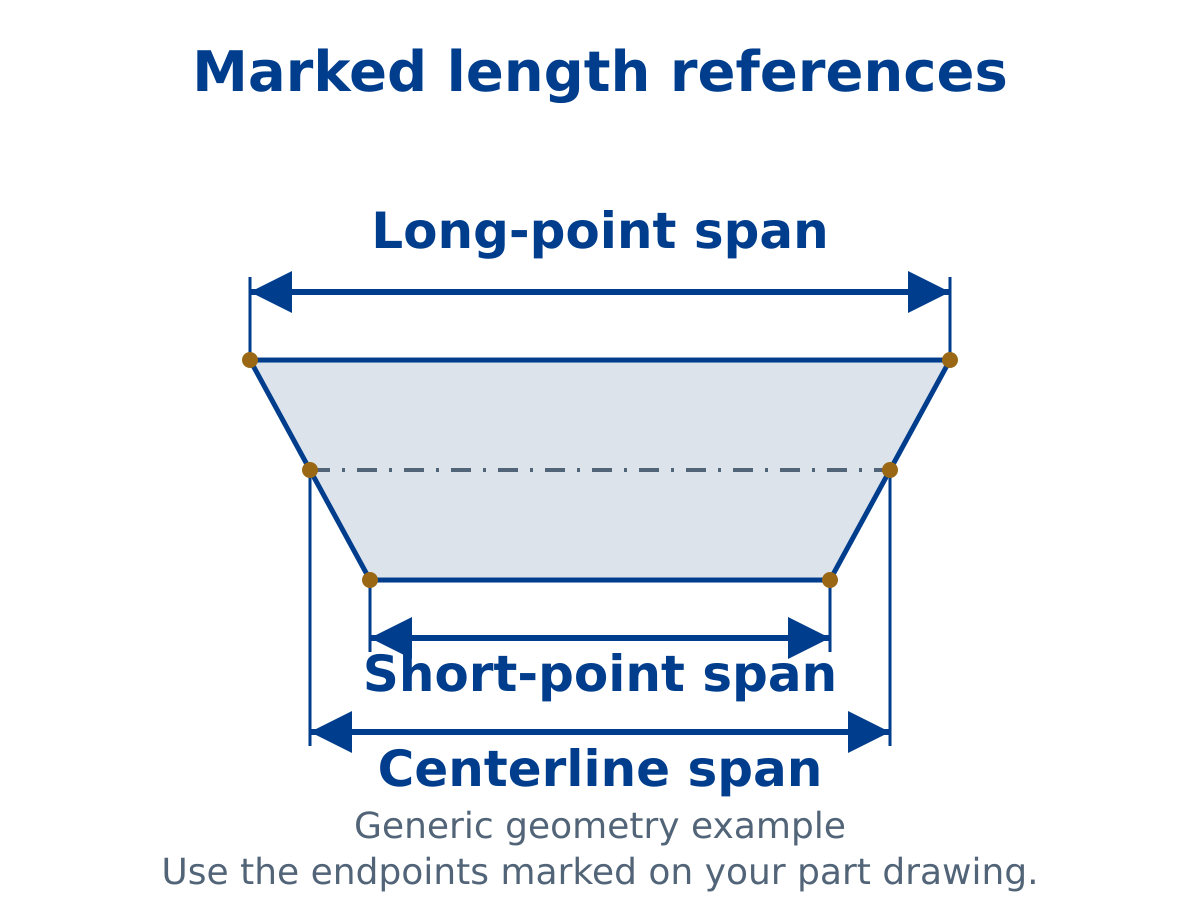
Explain what the following operation uses to locate the member. A cut blank that will later be machined may need a different defined delivery condition from a member used directly in assembly. Put the required cut length, angle convention, reference end, and any approved finishing allowance on the controlled part documentation.
Do not replace the finished drawing dimension with an informal operator note. If the cut blank intentionally includes stock for a later operation, make the blank dimension and the final dimension distinct. The cutting supplier needs the former to assess the saw task; the assembly team needs the latter to verify the completed component.
For angled members, specify the drawing orientation and how each end is identified. Left and right parts may share an external section while differing in end geometry or assembly position. Describe the approved pair or set using actual drawings. Avoid purchasing on the assumption that a generic angle range resolves every member orientation.
Keep positioning specifications separate from finished-part acceptance. A quoted feeding repeatability value does not establish final cut length or assembled vehicle accuracy. The complete result also depends on the material, support, clamping, blade condition, measurement method, and following processes. Ask for an agreed part verification plan using representative members.
Plan the vehicle kit, not only the pile of cut parts
A cutting batch should have a defined release destination. Parts can be dimensionally acceptable yet arrive at the wrong vehicle build, in an incomplete set, or under an obsolete revision. Include identification and kit completion in the retained-work scope so that counting pieces does not become the sole measure of output.
Specify how the part number, revision, model, and intended kit remain associated with a member after cutting. Use the method your production system can actually maintain. The information may travel on a container, a traveler, or an approved label; the appropriate arrangement depends on the material and factory workflow. The machine quotation should state any included identification function explicitly.
Consider another hypothetical case. Two vehicle kits each need four left members and four right members. The saw produces eight left members and six right members. Fourteen pieces have been cut, but only one complete eight-piece kit can be released; the second lacks two right members. Reporting fourteen as fourteen assembly-ready pieces would conceal the shortage.
Define who reconciles that shortage and how replacement work enters the queue. Keep held or rejected parts out of accepted kit quantities. If the following process rejects a member, the cutting replacement should refer to the original approved identity rather than create an untracked extra piece. These rules matter when assessing whether extra automation changes useful assembly output.
Review surface condition and downstream readiness together
State the delivery condition expected by the next operation. Depending on the approved route, that may include permitted end condition, cleaning requirements, retained identification, or protection during movement. These are purchaser-defined requirements, not universal values that a supplier can infer from the phrase “bus body.”
If a member will be welded or coated, the responsible process owner should define the acceptable condition before it enters that operation. If a visible trim component goes directly to assembly, appearance may be an immediate acceptance criterion. Do not use one vague description such as “good cutting quality” for both routes.
Inspect representative parts before promising that the saw will eliminate all subsequent finishing. A clean-looking photograph cannot show that every specified surface and dimension is acceptable. A useful trial record connects the actual drawing, stock condition, setup, measurements, and handover decision. It should also identify any finishing that remains necessary.
Keep vehicle qualification responsibilities with the appropriate engineering and approval process. Acceptance of a cut member does not certify the finished vehicle or its structural assembly. The saw trial verifies the agreed cutting task; it cannot substitute for the broader product requirements.
Build the quotation around the whole station
Request an itemized offer for the proposed saw configuration and every included interface. Cover incoming support, clamping arrangement, cut-part discharge, handling provisions, tooling supplied, agreed controls, documentation, and commissioning responsibilities. Mark buyer-supplied items separately so that they are not discovered after delivery.
Ask how job changes occur for the actual model mix. Establish whether the proposed control arrangement handles the required cut list and how the operator verifies the active drawing and orientation. If an identification or production-system interface is important, obtain its actual supported scope in writing. Do not infer software integration from the presence of a touchscreen.
Discuss staffing from the complete route rather than an unsupported one-person claim. Stock loading, setup, part inspection, container movement, and kit reconciliation still need assigned responsibility. A supplier demonstration with one visible operator does not establish the labor requirement for your vehicle schedule.
Compare operating inputs on the same basis across offers. Request the applicable tooling, consumables, utility requirements, maintenance information, and service scope for the proposed configuration. Obtain delivery and support terms from the actual quotation. Avoid turning a general company statement into a guaranteed response time or commissioning date.
Use a representative acceptance package
Prepare a trial package that includes the families responsible for the purchase decision. Select actual retained sections, long and short members within the intended work, relevant orientation changes, and an example kit or release set. The goal is to reveal how the station handles your production boundary, not to assemble an impressive assortment of unrelated aluminum samples.
Before the trial, agree which drawings, material condition, measurement method, and decision owner apply. Record the proposed configuration and any special support or tooling used. If the demonstration uses an arrangement different from the offered machine, identify that difference and require a resolution before treating the result as acceptance of the purchase.
The record should distinguish cut completion from accepted handover. Include actual inspection results and the following operation’s acceptance decision where relevant. Document setup changes, held parts, and missing kit members. Do not discard inconvenient observations when estimating the workload or deciding whether the scope is practical.
Use the sample cutting trial checklist to discuss the actual members and the evidence required. A trial video can show a machine in operation, but only a documented trial on the agreed material and configuration can answer the specific acceptance questions for your project.
See JiurunCut cutting equipment in operation
This JiurunCut video gives equipment context for a supplier discussion. It does not establish performance on a bus component, the proposed material, or the configuration in your quotation. Request a representative documented trial when that evidence is necessary for your purchase.
Decide what to retain before issuing the purchase order
Choose prepared-component supply when that is the intended production responsibility and supplier performance can be assessed against the required delivery condition. Choose an internal cutting station when a clearly defined member workload justifies retaining that operation and the receiving, inspection, and kit handovers are workable.
Choose a wider preparation route only when the following fabrication work, equipment, skills, and release responsibility are also defined. Adding a saw does not automatically bring machining or assembly capability into the factory. Each retained stage needs an explicit scope and an appropriate acceptance basis.
If the vehicle program or outsourced boundary is still changing, separate confirmed retained work from possible future work. Ask the supplier to identify the configuration required for the confirmed scope and the assumptions behind any expansion proposal. This keeps a future possibility from becoming an unsupported current capacity requirement.
A defensible purchase decision connects five things: the retained component list, the released vehicle mix, actual stock and drawings, the accepted handover condition, and the complete quoted station. If one remains uncertain, resolve that uncertainty with the responsible party instead of compensating with a larger advertised machine.
Send JiurunCut a complete bus-member cutting inquiry
For an aluminum saw for bus body manufacturing, send the extrusion drawings, material and stock condition, cut lengths and angles, retained part families, model mix, and required release schedule. Explain which members arrive prepared from suppliers and which your factory cuts. Include the next operation and the required kit or component handover.
Also identify the available handling space, the desired automation scope, and the evidence you need from a representative trial. JiurunCut can review the cutting requirement and discuss a suitable proposed saw configuration; the agreed quotation and trial record should define the actual scope.
Contact JiurunCut with your bus-member drawings and production boundary to begin a focused equipment review. Clear retained work gives the supplier a useful starting point and gives your purchasing team a practical basis for comparing offers.