
An aluminum saw for battery tray manufacturing should be purchased for a defined component route, not for the outline of a completed battery enclosure. A supplier cutting extrusion blanks for another factory has a different acceptance boundary from a manufacturer machining those blanks and assembling a tray. Record where your own retained work begins and ends before selecting the saw configuration.
The buying decision should connect released component drawings, incoming extrusion condition, the next machining or joining operation and the product variants your factory serves. Plate or sheet processing, bought castings, finished brackets and assembly operations belong in the overall production plan, but they do not automatically belong in an extrusion saw proposal. This guide explains how to make those distinctions useful when comparing complete equipment offers.
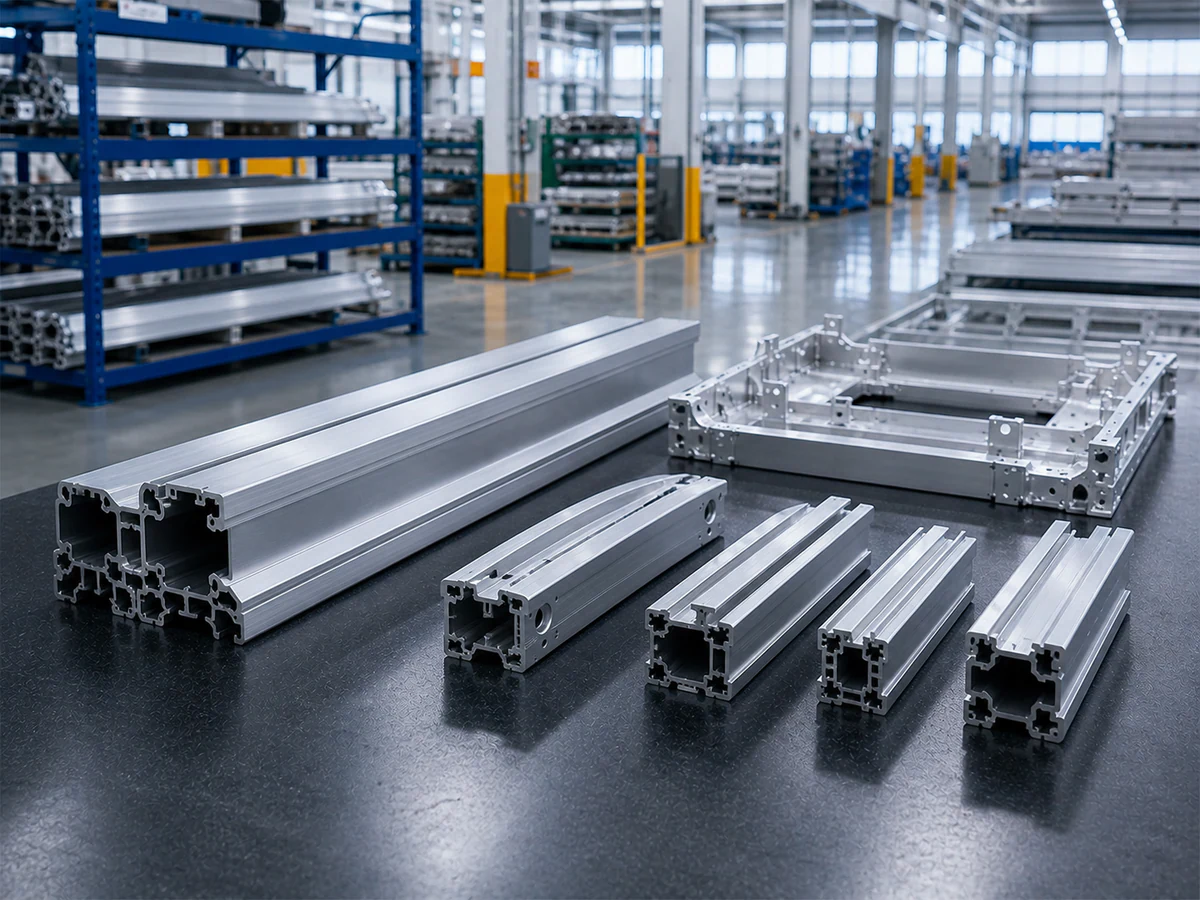
Choose the output of an aluminum saw for battery tray manufacturing
Start with the component supplied at your factory boundary. It may be an extrusion blank requiring further machining, a prepared side or cross member, a frame-member set for assembly, or a completed tray containing several kinds of input. Name the accepted output of the cutting station separately from the product shipped by the factory.
Hydro’s automotive battery tray page describes long extrusions becoming automotive components through additional fabrication and identifies machining, surface treatment and assembly within its manufacturing scope. The useful distinction for a saw buyer is that extrusion preparation and a functional component are different stages. Hydro’s manufacturing capabilities, material properties and automotive claims are not evidence for a JiurunCut configuration.
List the extrusion families your business actually cuts. Then list components delivered finished by another supplier and the non-extrusion work retained elsewhere. A tray can include items outside the saw’s agreed cutting input. Do not count the entire assembly’s material or finished tray volume as saw work merely because the assembly is described as aluminum.
Identify whether the purchased equipment must make only blanks or cover additional agreed operations. Cutting, machining, joining, inspection and assembly are separate functions unless the actual quotation explicitly combines them. A label such as production line does not close an omitted process or supply gap.
Compare three manufacturing boundaries
A blank supplier needs the correct material and section identity, the approved blank geometry and the acceptance condition required by its customer. The saw proposal should address those outputs. It should not claim that the blank is ready for final tray assembly when the receiving factory still machines or otherwise prepares it.
A manufacturer retaining blank preparation and machining needs to connect the two stations. The saw’s output must provide the references and condition specified by the released process record. Record what machining receives and how conformity will be judged. A machine offer that demonstrates a visually tidy cut still needs evidence for that actual handoff.
A tray assembler retaining extrusion work must coordinate it with other member families, plates or sheets, purchased parts and assembly responsibilities. Define the retained saw range separately. A complete frame-member set may be useful progress, but it is not a tested or released battery tray.
| Factory scope | Saw output to define | Boundary to preserve |
|---|---|---|
| Extrusion blank supply | Accepted blanks to customer requirements | Further component fabrication belongs to the receiving route |
| Blank preparation plus machining | Identified blanks meeting the approved machining handoff | The saw and machining station retain separate acceptance evidence |
| Tray-member manufacture and assembly | Accepted retained members or member sets | Other components, joining and completed-tray release remain visible |
Keep these boundaries consistent across competing quotations. If one offer includes more member preparation or handling, record the actual additional scope. If it only lists the saw, retain the buyer’s other tasks in the comparison. Equal machine names or different prices do not establish comparable complete production routes.
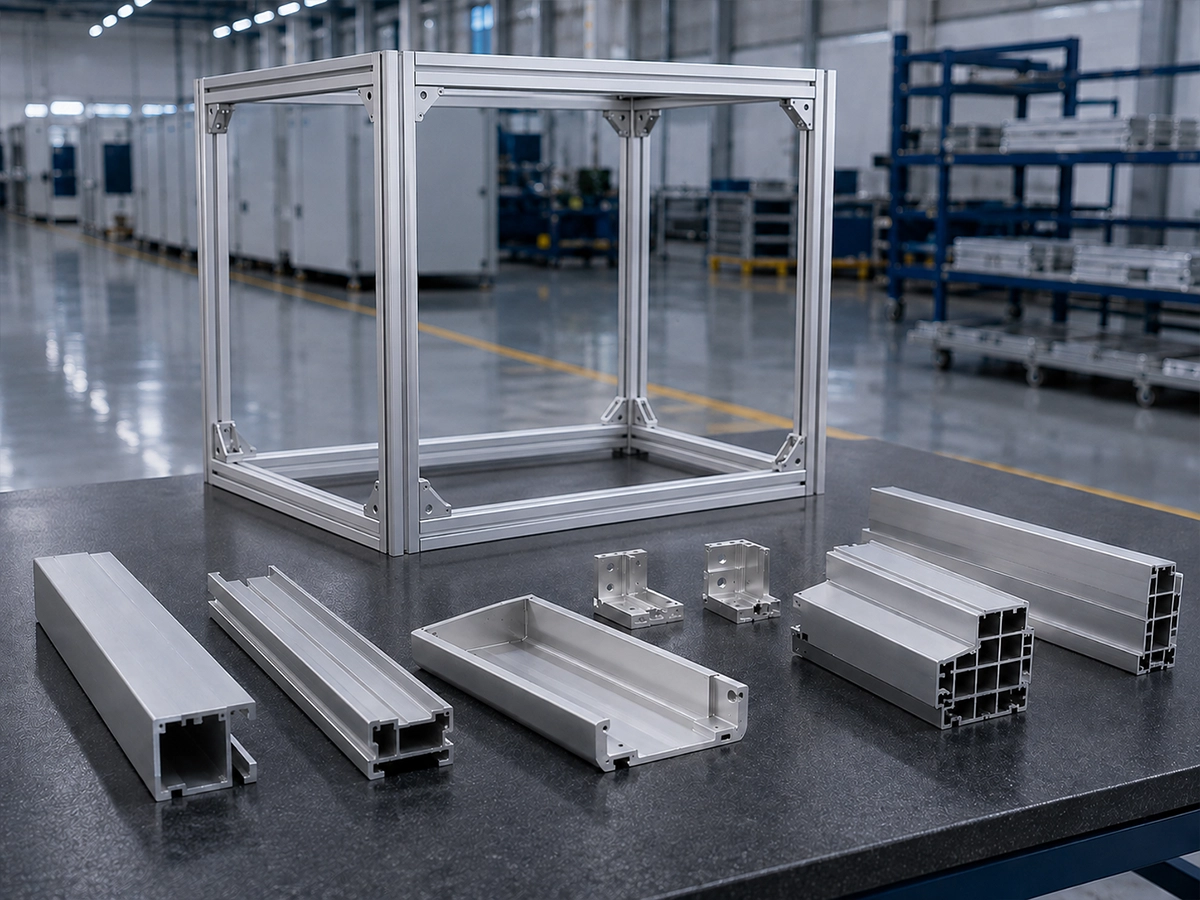
Separate blank dimensions from finished component geometry
Use the released drawing for the object that the saw actually produces. A finished tray-member dimension may differ from a blank dimension where later machining is part of the approved route. Have the responsible process owner define that relationship. Do not add an informal allowance or use the finished assembly outline as the saw setting.
Identify the reference at each end of the blank and the features establishing its orientation. A section with several walls or channels can look similar after it is turned, while the receiving operation requires a specific orientation. Record the part identity and references that allow the receiving station to distinguish it.
Where opposite members differ, keep their individual identifiers even if the lengths are equal. Where several product variants use the same section but different blank geometry, record those cases separately. Neither equal length nor shared material designation makes two component records interchangeable.
The existing battery tray side rail cutting review supports the member-level inquiry. A complete equipment purchase also needs the other retained extrusion families, the blank-to-next-operation boundary and the manufacturing mix. One reviewed side rail cannot represent the whole tray-component route.
Provide the complete incoming section and stock condition
Supply actual section drawings, material designation, stock lengths and delivery condition. Include the normal production-stock photographs with orientation identified. Describe which surfaces, openings and features matter to the reviewed holding and support arrangement. An outside width and height alone do not describe a multi-feature extrusion.
Ask the supplier to assess the actual contact case for each relevant family. Hollow sections, asymmetric members and profiles containing internal walls may present different questions. Require a response tied to the proposed configuration and representative samples. Do not transfer acceptance from a simple solid bar to a complex profile solely because one outside dimension is similar.
Keep incoming-stock conformity separate from saw performance. If supplied extrusion identity, straightness or other drawing requirements are unresolved, record them as material questions under the factory’s actual acceptance process. A cutting trial does not replace the required material release or establish that an unidentified stock sample represents normal production supply.
Confirm the finish sequence. Some components may be cut before later processing or treatment; other supplied stock may arrive with a specified surface condition. Use the released process route and surface acceptance basis. Do not assume a surface treatment sequence or describe an illustrative photograph as verified production material.
Define what machining and joining must receive
The following process should supply the handoff requirement. Record which blank dimensions, end conditions, reference surfaces and identification must be accepted before it receives the material. These requirements should come from the actual manufacturing record, rather than from the saw supplier’s general description of a clean cut.
Distinguish a requested condition from an observed result. A buyer may specify a particular blank requirement; the supplier must then report what the reviewed configuration actually achieved. An inquiry stating a requirement is not evidence of an accepted trial. Preserve the measured values and any unresolved conditions in the purchasing record.
Keep later hole making, machining, joining, sealing and assembly outside a saw-only claim. Explain their receiving interfaces without implying that the saw performs them. Where a quotation includes another operation, ask for the actual equipment and acceptance scope rather than treating a general capability list as part of the offered machine.
Do not use sawn blank accuracy as evidence for the completed tray’s dimensions or performance. Subsequent processes have their own acceptance responsibilities. Similarly, published feeding repeatability is not proof of finished-part accuracy on the battery tray sections you propose to cut.
Separate extrusion cutting from the bottom-panel route
If a tray design includes a plate or sheet bottom, identify its incoming format and processing route separately. A proposal reviewed for individual extrusion members does not establish the equipment or sequence needed for a broad panel. Describe whether that input is bought prepared or made by another retained process.
Keep the panel’s drawing and acceptance basis with the process that supplies it. If the overall investment includes both panel and extrusion work, compare each actual input, output and handling boundary. Do not transfer a section envelope or successful extrusion sample to a plate-format cutting claim.
The same distinction applies to purchased castings, finished brackets and other prepared items. Their availability can affect assembly release, but their volume should not be added to the extrusion saw workload. A clear production plan can coordinate those dependencies without blurring the equipment scope.
Compare the real development and series mix
Provide released examples of the product range and order mix. Repeated batches from a stable member list present a different planning case from several variants or developing component revisions. Explain which work is approved for production, which samples are for an unresolved review and how the relevant cases change between orders.
Development samples should remain tied to the drawing revision and configuration reviewed. A change to a wall, interface or blank reference can create a new assessment question even when the part name stays the same. Record what changed and ask whether the existing trial evidence still applies. Do not assume that all later revisions inherit an earlier acceptance.
In a hypothetical workload, two batches may each contain twenty blanks. One repeats a single approved component, while the other contains five different components in groups of four. The total is equal, but the change, identification and receiving-operation requirements differ. These invented counts explain a purchasing comparison; they are not saw output or cycle-time claims.
Ask how the proposed station handles the agreed mix within its actual configuration. Review loading, setup changes, cutting, identification, inspection and transfer where included. Separate one observed cutting cycle from accepted complete-order output. Confirm which positioning, feeding or collection options are actually included in the offer.
Keep component release distinct from completed tray release
Define the event that records a blank or member as accepted. Material awaiting inspection or disposition should stay visible as held work. Record the part, revision and order relationship required by the receiving process. Do not count all pieces on a rack as available components.
Report member-set readiness separately from completed tray readiness. A retained extrusion family may be ready while another family or a purchased panel remains unavailable. A completed assembly can still await its required inspection and release. These dependencies matter to the investment comparison, but they do not demonstrate the cutting station’s production performance.
Use the material and process traceability specified for your actual customer and manufacturing route. Ask what records or identification functions the proposed equipment supplies and what the buyer’s system must provide. A saw quotation does not establish the factory’s automotive approval, required quality system or ability to meet a customer’s complete product-release requirements.
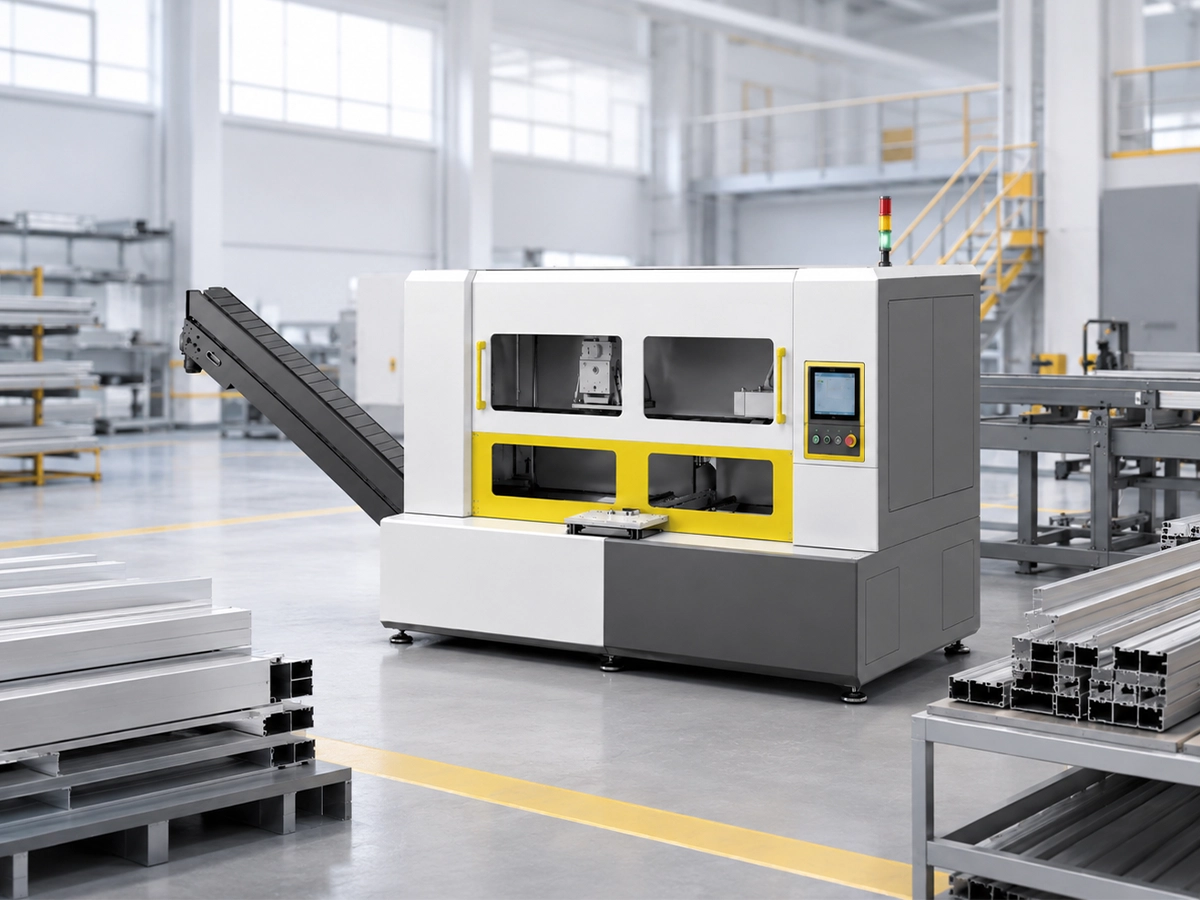
Choose samples that test the complete proposal
Select a representative side-member section, a different retained cross or accessory member where applicable and the blank case that creates an open machining-handoff question. Include the actual incoming condition and released drawing references. Explain the buying question each sample must settle instead of choosing only the easiest available extrusion.
Use the sample cutting trial checklist to connect stock identity, requested blank, machine model, configuration and acceptance evidence. Record dimensions relevant to the defined receiving operation and the observed end and surface condition. Keep exclusions and additional cases visible.
A trial of blank preparation does not establish enclosure sealing, crash behavior, thermal management, electrical safety or battery-system performance. Those requirements belong to the appropriate component, system and customer approval processes. The saw purchase should be accepted for its actual reviewed manufacturing scope.
See JiurunCut cutting equipment in operation
This JiurunCut equipment video provides inquiry context. It is not a trial of the proposed tray members, evidence of later machining or approval of a battery system. Agree the actual stock, quoted configuration and blank-acceptance evidence for your retained route.
Request a comparable battery tray component proposal
For an aluminum saw for battery tray manufacturing, send the factory-scope and make-or-buy record, approved extrusion and blank drawings, material and finish condition, incoming stock sizes, retained component families and representative order mix. Explain the machining or other receiving-operation requirements and identify the actual trial cases.
Review the JiurunCut aluminum cutting equipment range, then contact JiurunCut with your battery tray member cutting requirements. Ask for the actual model and configuration, included support and handling scope, exclusions and evidence needed for blank acceptance. This keeps the investment decision connected to the component route your factory actually retains.