
Choosing an aluminum saw for air diffuser manufacturing starts with a boundary question: which parts will your shop actually cut? A linear slot diffuser can contain an outer frame, internal vanes or pattern controllers, corners, and a plenum. Some buyers purchase the complete assembly. Others buy an approved profile kit and only cut straight frame or vane members. The saw decision changes with that scope.
This guide is for manufacturers and purchasing teams planning a repeatable profile-cutting step. It does not imply that a saw alone makes or qualifies an air diffuser. Air distribution, noise, finish, fit, and installation still depend on the approved product design and downstream assembly.
Define the retained cutting operation first
Ask the product owner for a released bill of materials and a drawing for every member that the shop will cut. Mark each item as a purchased finished component, a purchased extrusion cut in-house, or a fabricated/assembled part outside the saw cell. Keep the profile section, alloy and temper, coating condition, cut length, end angle, tolerance, and visible-face requirements on the same line. A broad label such as “diffuser aluminum” hides the differences that affect support and clamping.
For context, Halton’s SLL product description identifies an extruded aluminum outer frame, inner vanes, and T-profiles among its configurable elements. Price’s SDS/SDR description describes frame styles, adjustable pattern controllers, and mitered corner sections. Those are examples of why a buyer should inspect the actual approved section and product configuration; they are not Jiurun specifications or proof that one cutting setup fits every diffuser.
Separate the frame, vane, and corner decisions
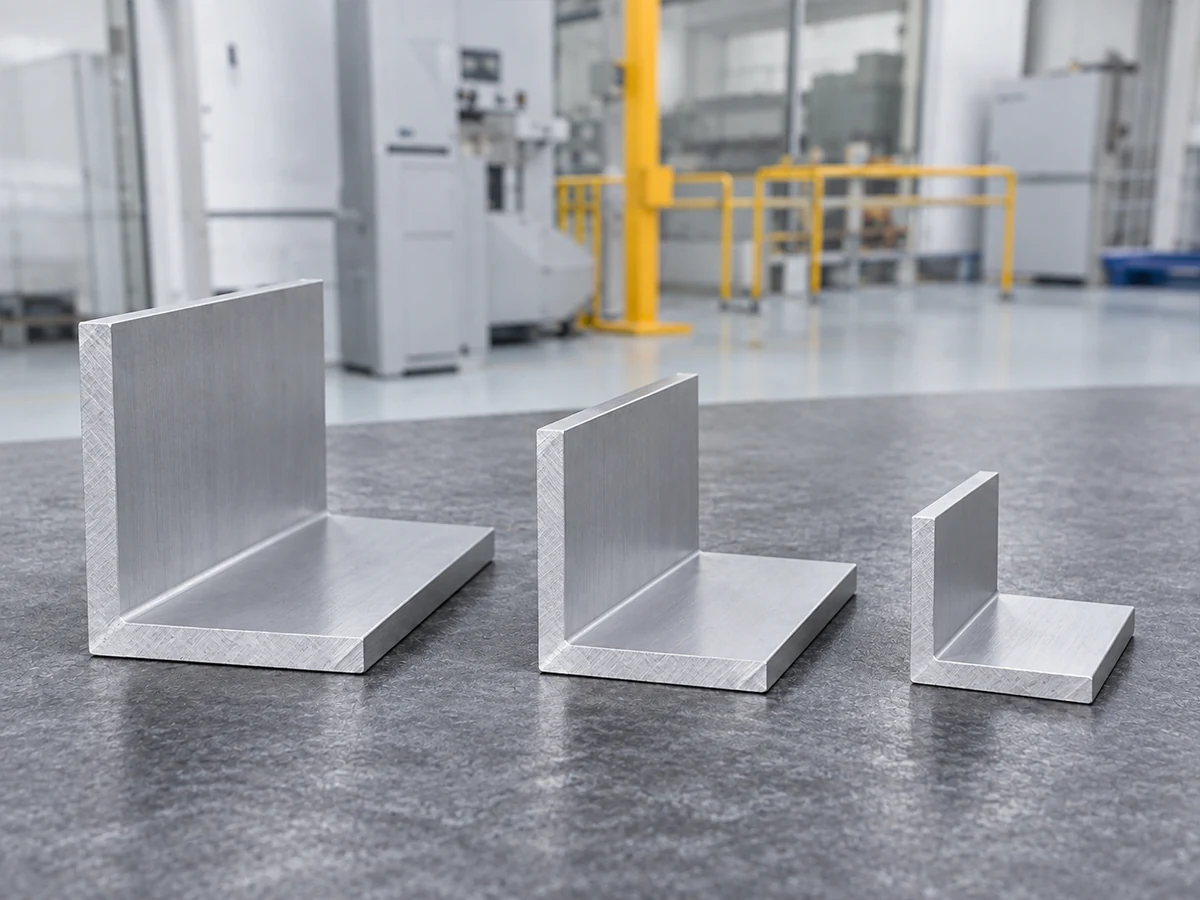
A straight frame member may be a simple extrusion, a narrow decorative section, or a profile with a return lip. A vane or controller may be thinner and more vulnerable to distortion. A corner may arrive as a purchased component, or the frame drawing may require a precise miter. Do not assume that the same blade, fixture, feed, and acceptance criterion can be copied from one member to another.
For each retained part, confirm whether the shop cuts from raw extrusion, prefinished extrusion, or a partially assembled kit. Cutting a finished visible face raises handling and surface-mark concerns. An internal member may permit a different appearance standard. If the supplier delivers a complete diffuser, there may be no economic reason to buy a saw for this product line at all. If the shop retains high-volume straight cuts across several approved sections, a dedicated or flexible aluminum-cutting cell may be worth evaluating.
Trial an aluminum saw for air diffuser manufacturing
Send representative stock and the latest drawing to the saw supplier. Include the longest and shortest cut lengths, the thinnest wall, the widest profile, and the most demanding visible finish. If there are both square and mitered ends, test both. A trial on an unrelated thick bar does not establish how a slender diffuser section behaves in the final fixture.
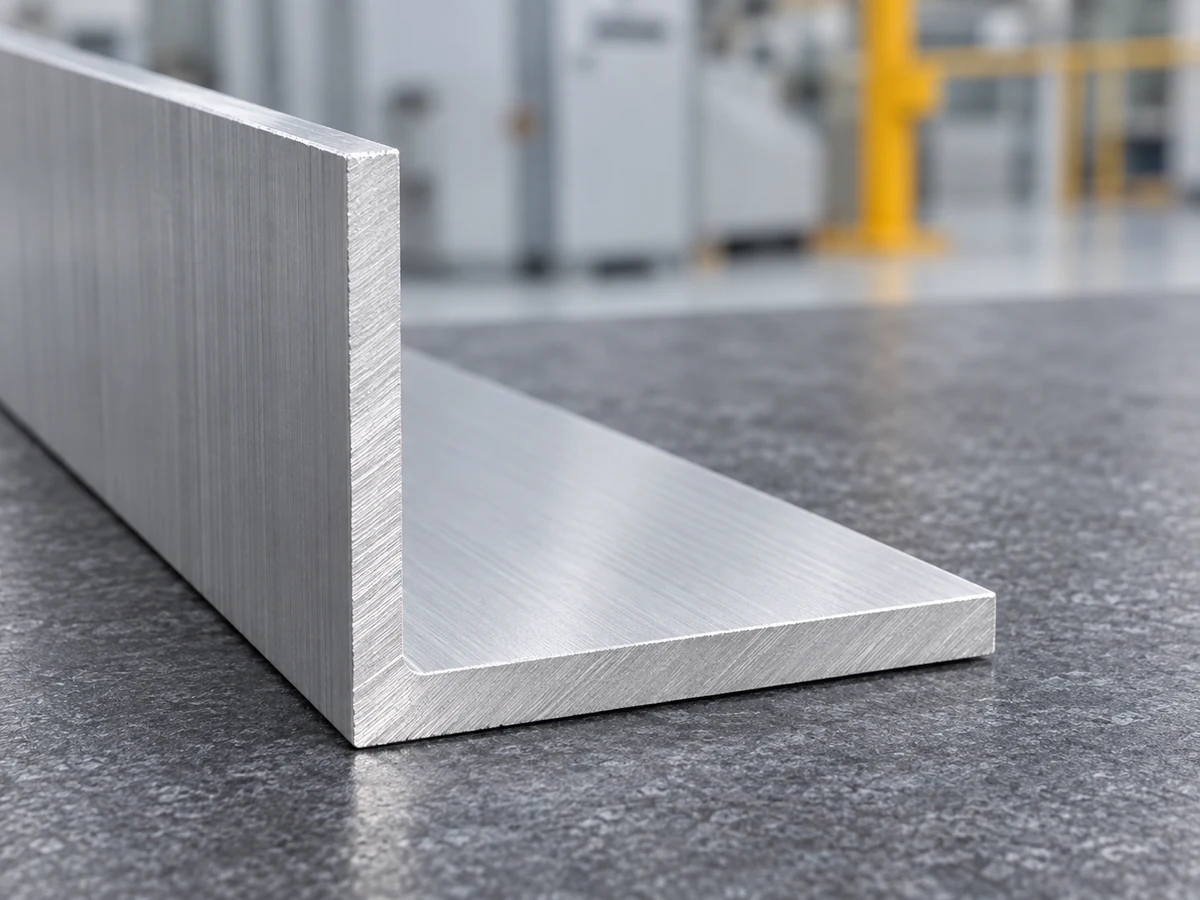
Observe stock support before, during, and after the cut. Check whether the profile twists, vibrates, rides up, or leaves the clamp with a mark on a visible face. Inspect the first and last pieces of a batch, not only the best sample. Record measured length and angle, the end condition, burrs, finish marks, and whether an operator can remove the part safely. The acceptance limits must come from your drawing and assembly process; a generic machine brochure cannot supply them.
Evaluate the complete cut-to-assembly route
The saw is only one step. Decide where extrusion lengths are stored, how they are identified, and how cut members are separated by variant. A frame and an internal vane can look similar in a bundle but have different orientation or surface requirements. Marking and kitting rules matter when several diffuser sizes share the same line.
Next, check how the cut ends meet at assembly. A square end that passes a ruler check may still interfere with a corner connector. A miter may look clean but open a visible gap when the frame is assembled. Verify the process at the mating interface, including any corner pieces, fasteners, vane positions, and plenum connection that the approved design uses. The saw trial should therefore produce parts for an assembly trial, not just isolated cut samples.
Do not turn cutting observations into claims about air throw, pressure drop, or sound performance. Those belong to the diffuser design and its separate qualification process. The cutting trial can support a narrower conclusion: whether the proposed equipment and handling route make conforming members at the required pace.
Questions to put in the machine RFQ
- Which exact profile drawings, stock lengths, finishes, and annual volumes are included?
- Which ends are square, which are mitered, and what are the drawing tolerances?
- Which faces are visible after assembly, and what marks or burrs are unacceptable?
- How will each section be supported and clamped without deformation?
- What blade and cutting parameters will be tested on the actual stock?
- How will first-piece, in-process, and end-of-batch checks be recorded?
- Who owns deburring, cleaning, identification, kitting, and the assembly fit check?
- What output and changeover time are required across the approved variants?
Request a documented sample-cut plan and a list of the actual stock needed for the trial. Compare suppliers against the same drawings and acceptance criteria. A fast cut on one easy section should not outweigh a repeatable fit on the most demanding retained member.
Equipment demonstration and its limit
The following video from Jiurun Machinery’s official YouTube channel shows an aluminum-cutting machine in operation. It is an equipment demonstration, not evidence that this machine has cut the diffuser profiles described above or met their drawing or airflow requirements. Verify the model and fixture against your own profile set in a supervised trial.
A practical buying decision
An aluminum saw for air diffuser manufacturing is justified only for the cutting scope your team retains and can validate against actual drawings and assembled parts.
If your team buys the complete approved diffuser, concentrate on supplier qualification and receiving inspection. If you cut only a small number of straight members, compare an outsourced cut-to-length service with the cost of an in-house cell. If you retain several high-volume profiles, use representative samples to evaluate support, changeover, accuracy, surface protection, and downstream fit together.
Share your released profile drawings, stock condition, required end cuts, output range, and assembly acceptance criteria with the JiurunCut team. We can discuss a trial plan for the cutting step and identify what still needs validation in your own diffuser production route.