
Aluminum saw fleet standardization should start with the work each factory must receive, not an instruction to buy identical machines. A group can standardize a complete supplied configuration, a documented common core with plant-specific equipment, or its purchasing and acceptance requirements while allowing different machines. The right level is the one the evidence supports.
A common model name is not a configuration record. Nor does a shared finished-part drawing establish that two plants need the same feeding, collection or operator arrangements. Before claiming a fleet benefit, identify exactly what will stay common and what each factory still has to provide.
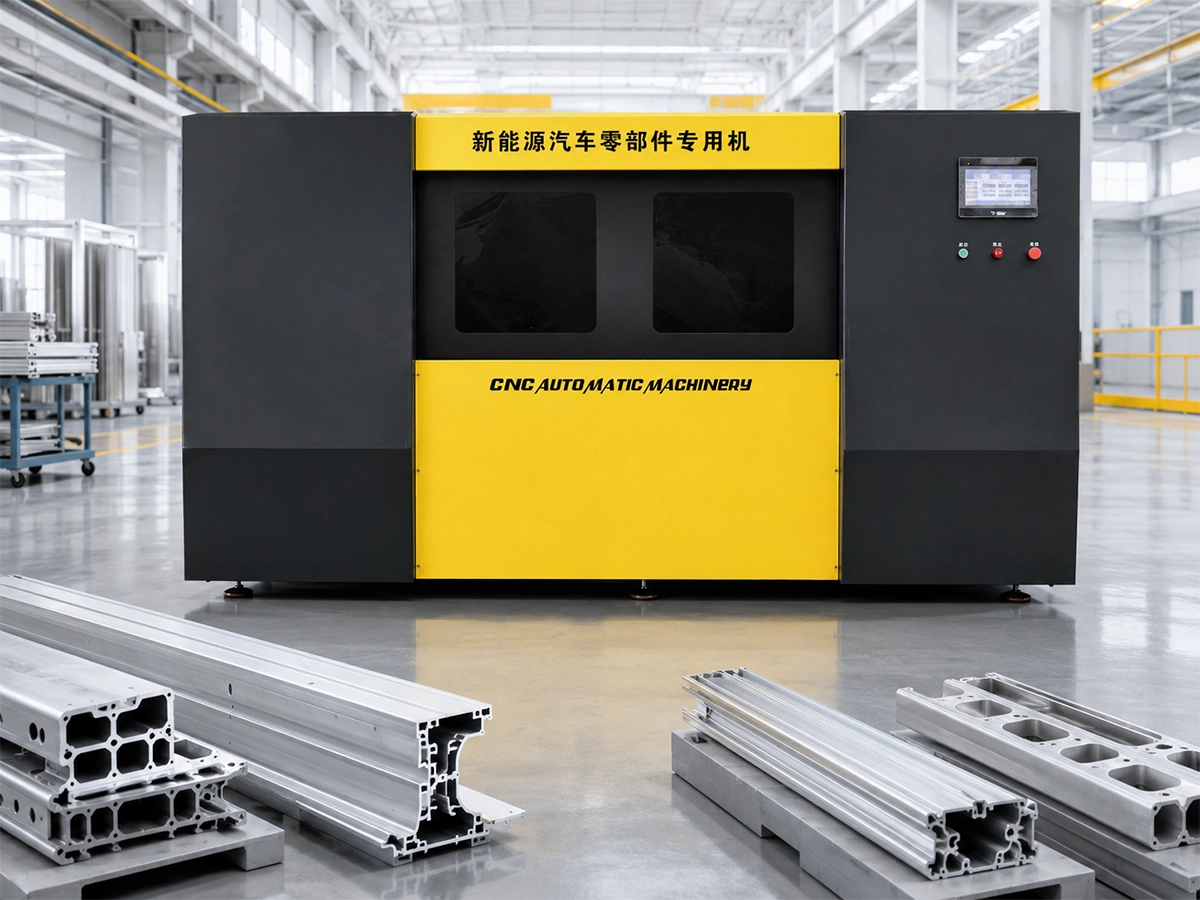
Start aluminum saw fleet standardization with shared requirements
Start with a group workpiece schedule: actual alloys and tempers, supplied sections, cut lengths and angles, required surface condition, and the recipient’s acceptance criteria. Separate genuinely shared parts from plant-only work. Use the finished component’s requirements, not a machine’s feed-positioning claim, as the acceptance target.
Then record how each plant makes that demand: repeat batches or changing orders, incoming-stock preparation, the required receiving state and staffing responsibilities. A shared part family can justify investigating a common machine, but it does not settle the complete purchase.
The UK Health and Safety Executive’s purchasing guidance recommends considering where and how equipment will be used, the work, users and risks, and discussing complex requirements with suppliers. This is a general UK reference, not worldwide legal advice or approval of any manufacturer’s equipment.
Classify requirements as group essentials, plant essentials or preferences. A local preference should not quietly become a fleet-wide specification; equally, an essential local requirement cannot disappear because another plant does not need it. Resolve that distinction before asking bidders to price identical packages.
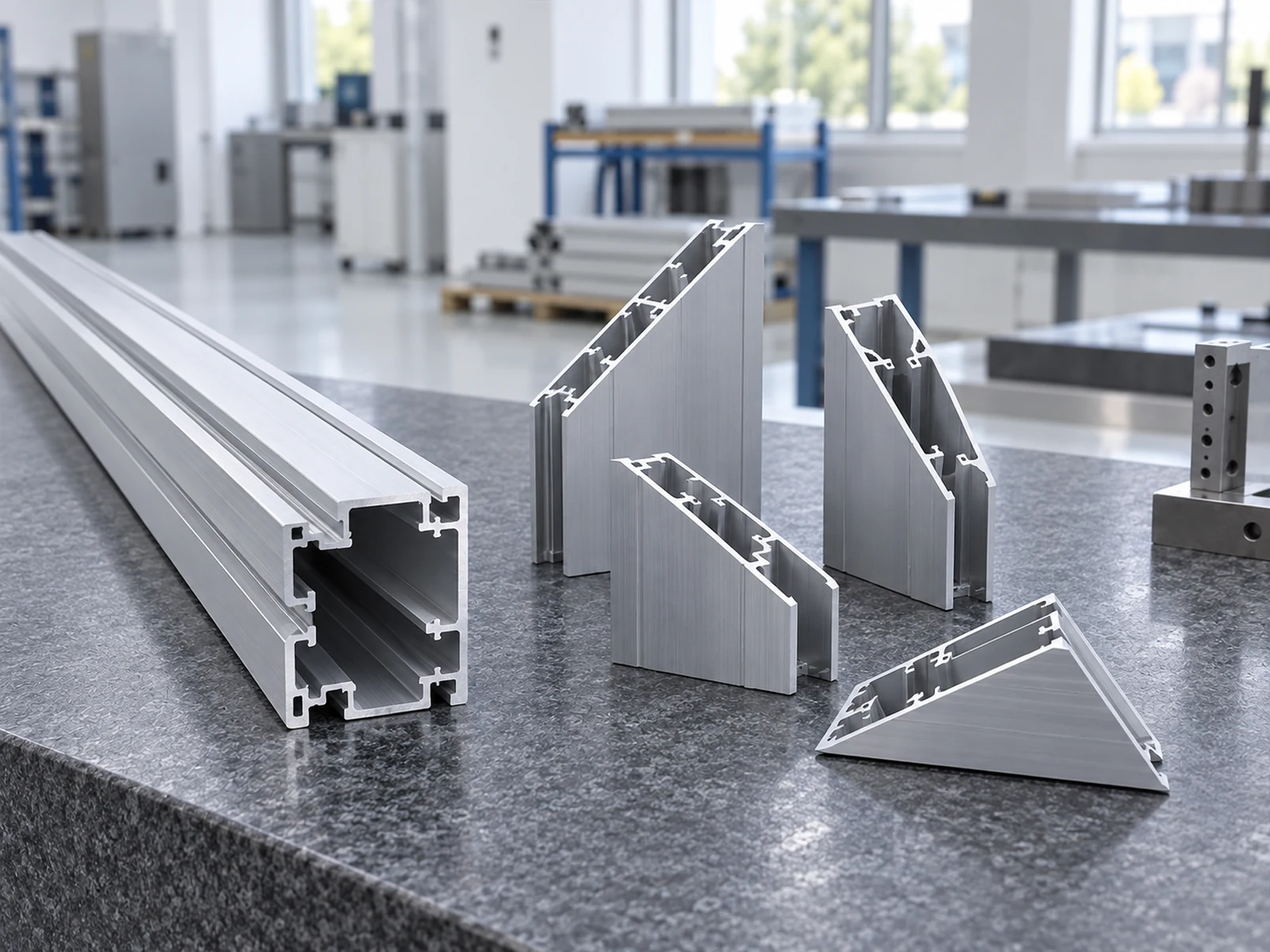
Give every claim of commonality a precise boundary
Ask the bidder which cutting, workholding, feeding and control assemblies are actually proposed as common, and at which configuration revision. Keep local equipment in named plant annexes. This creates a comparison between identifiable purchases, rather than between pictures carrying the same model badge.
| Proposed common element | Evidence to compare across factories | Treatment while unconfirmed |
|---|---|---|
| Workpiece acceptance | Controlled drawings and the same definitions of accepted output | Keep plant-specific requirements visible; do not average them into one easier target. |
| Machine core | Supplier-defined assemblies, configuration revision and application scope for each plant | Call it a proposed common core, not an established platform. |
| Interchangeable parts | Identified parts and supplier-confirmed applicability to each supplied configuration | Do not pool stock on appearance or a shared machine name. |
| Software and documents | Supported versions and instructions mapped to the delivered equipment | Do not assume programs, settings or manuals transfer unchanged. |
| Training scope | Common subject matter distinguished from local equipment and task instruction | Do not count attendance elsewhere as completion of local preparation. |
Parts deserve especially careful wording. The same catalogue description or a similar-looking component is not evidence of interchangeability. A fleet spare-parts enquiry should identify which installed configurations a proposed shared item actually serves. Keep unresolved items outside the claimed common stock pool.
The same discipline applies to controls. A familiar interface does not establish that software versions, stored jobs or settings can be transferred. Request the provider’s supported scope; this is not an instruction to copy files or alter machine controls. Common documentation can have a shared section, but its applicability and local supplements must remain identifiable.
A two-factory case: one product family, different handoffs
Hypothetical purchasing example: Factory A and Factory B produce the same family of aluminum frame components under group-controlled drawings. A receives individually prepared stock ready for its agreed feed entry. It runs repeat batches and releases inspected lots to a separate next operation.
B receives stock in transport groups that need preparation before its agreed feed entry. Its orders change more frequently, and its recipient needs batches kept distinct for assembly. These are fictional requirements, not Jiurun customer results or proof that any particular feeding or collection system is suitable.
Bid U offers the same complete machine, inlet and outlet package at both plants. Bid C proposes a common cutting core with separately specified local input and receiving packages. Neither bid has yet demonstrated its full application at both factories; the words common core do not establish a modular platform.
| Proposal | What could support the purchase | What could defeat the commonality claim |
|---|---|---|
| U: identical complete packages | Both factories can present the accepted input and receive the required output using that package. | B’s necessary preparation or batch handling is omitted and treated as though the machine already performs it. |
| C: common core, local packages | The provider identifies the shared assemblies and accepts each complete local combination. | B’s package requires an unassessed change to the claimed core, or its connection and function remain undefined. |
U may remain viable if B has a separately accepted preparation and receiving arrangement outside the saw package. Those people, equipment and responsibilities belong in B’s complete purchase comparison. They cannot be treated as free or already available simply to preserve an identical machine order.
C is a candidate to examine for the stated differences. Establish whether B’s local package leaves the claimed cutting and control assemblies unchanged. If it does not, redraw the common boundary. A shared badge on materially different packages is not the common core the group intended to purchase.
Neither proposal proves a staffing reduction, an inventory saving or faster production. Compare the complete arrangements, including the work each plant still performs outside the machine. Keep the accepted output fixed rather than relaxing B’s handoff requirement to make U appear equivalent.
Issue one group enquiry with explicit plant annexes
Use a single aluminum cutting machine RFQ package so suppliers answer comparable questions. Its structure should make differences visible without turning every plant preference into a mandatory feature for all machines.
- Group baseline: representative workpiece drawings, material identities and conditions, accepted output definitions, mandatory requirements, and the proposed boundary of standardization.
- Plant annexes: actual supplied stock, job mix, preparation and receiving arrangements, local operating requirements, available resources and relevant site conditions.
- Configuration response: the complete equipment offered to each factory, shared assemblies and revisions, local equipment, exclusions, and evidence behind any interchangeability claim.
- Acceptance and change response: representative jobs to be assessed, plant-specific completion conditions, applicable documents and training scope, and how later substitutions will be reported.
Do not replace the plant annexes with a worst-case summary that loses their differences. A bidder might meet the largest individual workpiece requirement yet leave the local handling or receiving task unanswered. The comparison needs to preserve each actual complete job.
Use an exception register for departures from the baseline. Each entry should identify the affected factory, quotation reference, reason, exact proposed item, relevant revision, required evidence, current status and decision owner. Open does not mean rejected, but it must not be counted as approved commonality.
| Exception | Record with the quotation | Gate before acceptance |
|---|---|---|
| B’s receiving package | Named local assembly, matched core revision and required batch handoff | Provider and receiving plant accept the complete combination. |
| Local training supplement | Which equipment and tasks differ from the common instruction scope | Local preparation is completed rather than inferred from another site’s course. |
| Revised part on a later order | Old and proposed identities, affected machines, documents and common-stock claims | Review the change before inheriting the earlier acceptance. |
A plant enquiry sheet you can send with the group RFQ
Complete one sheet for each factory and attach the referenced drawings. Use the same field names throughout the group; keep different answers visible. Blank answers should become questions for the plant or supplier, rather than an assumption that the other factory’s answer applies.
| Field | Plant response to attach | Supplier response requested |
|---|---|---|
| Workpiece schedule | Drawing references and revisions; material and stock condition; required cuts and accepted output | Which listed jobs the offered configuration covers, and which need further assessment |
| Incoming stock and handoff | Actual stock presentation; preparation already available; next operation’s receiving requirements | Included input and receiving equipment, exclusions and work left to the plant |
| Common scope requested | Assemblies, parts or documentation the group wants to share | Confirmed applicability per factory, configuration revision and unresolved differences |
| Local completion | Named plant owner; local requirements; evidence still needed before acceptance | Documents, assessment conditions and responsibilities included in this quotation |
| Commercial comparison | Equipment quantities and delivery destinations; proposed common stock; buying currency | Separately priced shared and local items, exclusions, quoted terms and validity |
Compare the replies against this sheet before comparing the headline price. If one bidder includes B’s receiving equipment and another excludes it, obtain a defined price and responsibility for the missing scope. Preserve the difference until it is resolved; an empty price cell is not a zero-cost item. Avoid counting proposed shared spare stock twice, once in the group package and again in both plant annexes.
Put conditional savings in a separate calculation. A proposed reduction in spare stock depends on confirmed part applicability; a training benefit depends on an identified common instruction scope. Neither belongs in the committed purchase comparison while those conditions are open. The sheet organizes a purchasing discussion; it does not approve a machine or prescribe how to operate it.
Accept each plant, then maintain the fleet baseline
Before placing orders, distinguish accepted requirements, evidence still due and conditions that prevent final acceptance. Group procurement can approve a common commercial package; it cannot turn an unresolved local application into an accepted one by signing the group schedule.
For any agreed demonstration or initial production assessment, identify the workpieces and supplied configuration covered by the result. Evidence from A may help evaluate a genuinely shared assembly under those stated conditions. It does not by itself establish B’s preparation, receiving package or local operation.
Each factory should confirm the delivered configuration, representative output, applicable instructions, agreed local equipment and its own acceptance conditions. Local operating and service requirements remain subject to the actual manufacturer’s documentation and competent site review. A common manual or training presentation cannot stand in for that plant’s completed acceptance.
Record changes against the baseline, not just against a model name. A later supplier substitution, local accessory change or software revision should identify affected machines, the original and revised configuration, and which earlier conclusions remain supported. Do not assume either that every change invalidates everything or that nothing needs review.
Before repeating an order, compare its proposed configuration with the accepted record. A machine purchased under the same name at a later date is not automatically a duplicate of the earlier delivery. Update the parts applicability list, documents and plant annexes where the accepted change requires it.
Know when to stop forcing identical machines
Abandon complete-machine uniformity when it can be achieved only by leaving a mandatory plant task outside the accepted scope, requiring unassessed local modifications, or silently changing what the next process receives. A similar control panel, supplier or frame does not resolve those conflicts.
A common-core proposal also loses its value as a standard when the provider cannot identify the shared assemblies or substantiate the interchangeability being used to justify the purchase. The group can still consider the equipment individually; it should simply stop budgeting on unsupported commonality.
Separate procurement can be the right outcome while group drawings, acceptance terminology, enquiry structure and change records remain common. Conversely, identical packages are defensible when both plants’ complete tasks are covered and their configurations are demonstrably the same. A verified common core sits between those choices; it is not a label to use before the comparison is finished.
Price the selected scope, including local equipment, training, support responsibilities and any proposed common stock. Do not book savings merely because offers share a model name. The decision should state what is common, what is local, which exceptions are accepted and what must be revisited on the next order.
Compare a filmed setup with each plant’s requirements
Jiurun’s machine video gives an example of a material path and equipment arrangement to discuss with the supplier. It does not establish that two factories receive identical configurations, shared parts or transferable software.
Watch the Jiurun machine video on YouTube.
Discuss the group and plant requirements
JiurunCut, Zhangjiagang Jiurun Machinery Technology Co., Ltd., manufactures industrial aluminum and nonferrous circular-saw equipment. For an aluminum cutting machine enquiry, contact Jiurun with each factory’s representative workpieces, working requirements and configuration exceptions. Request a defined response for each proposed arrangement. This article does not establish a Jiurun common platform, interchangeable components, transferable software, cross-factory training approval or delivery and service guarantees.