
The purchase order says “coolant filter,” but the proposed flow drawing does not show where chip-laden liquid goes before it reaches the pump. That missing route matters more than a filter name. For a buyer specifying aluminum saw coolant filtration, the first decision is whether the exact saw and process use a recirculating liquid system at all. If they do, define the return, separation, clean supply, cleaning access and acceptance evidence as one working circuit.
This article concerns a proposed wet, recirculating aluminum cutting arrangement. A dry saw or minimum-quantity-lubrication setup has a different fluid path; do not copy this specification into either without checking the quoted machine. Nothing below establishes that a particular Jiurun model includes a tank, filter, separator or wet-cutting option. Confirm those items against its actual quotation and drawings.

Aluminum saw coolant filtration: trace the return
In a wet process, liquid leaving the cut zone can carry aluminum chips and fine debris. Ask the supplier to mark the flow direction from each cutting area to the return, from the return to any screen, settling zone or positive filter, and then to the pump suction and nozzle. The drawing should identify the point where collected solids are removed. A photograph of a filter housing cannot answer this routing question.
Master Fluid Solutions’ system sizing bulletin treats chip removal as a design priority and distinguishes media filtration from settling, which needs enough quiet time and suitable tank layout. That is general metalworking-fluid guidance, not a performance claim for any Jiurun saw. Use it to ask where the separation step sits in the proposed circuit, rather than assuming that a tank alone delivers clean liquid.
Keep this decision separate from the coolant return connection. A buyer connecting a saw to a central system must define who accepts and transports the returning fluid and chips. A buyer retaining a local tank must still define how solids are separated before recirculation. One answer does not automatically settle the other.
Choose the separation method for the actual chip load
Compare at least three possible quotation outcomes: a local arrangement relying on a screen and settling space; an added separator or replaceable media filter; or a plant-level system that receives the return and sends conditioned fluid back. These are comparison categories, not a claim that every choice is available on every saw. The supplier should say what is standard, optional, excluded and supplied by the factory.
A filter element should be specified only after the required flow, expected solids, fluid compatibility and maintenance method are known. A smaller advertised particle rating is not automatically a better purchase: the selected element and housing still need a workable pressure drop, service interval and safe way to remove accumulated material. Ask the equipment and fluid suppliers to state their assumptions for the intended alloy, blade and duty. Do not invent a universal micron rating or change the fluid supplier’s recommended care plan to suit a catalogue filter.
Make cleaning and fault response part of the quote
Ask where chips collect in normal production, how an operator reaches that point, and whether a screen or element can be cleaned or changed without spilling fluid into an electrical or walking area. Identify who supplies replacement media and who decides when service is due. If the design uses a pressure indicator, level alarm or flow signal, request the proposed sensing point and the action after a warning. A signal that nobody sees, or a blocked element that silently starves the nozzle, leaves the buyer with an incomplete operating plan.
Haas describes a chip separator maintenance valve as a point used to evacuate built-up chips in its service documentation. That example shows why removal access belongs in a filtration discussion; it is not a Jiurun component specification. The exact access, isolation and disposal steps must come from the quoted system’s documentation and the plant’s procedures.
Filtration also cannot solve every fluid problem. Foam, concentration, tramp oil, staining or bacterial control may need separate fluid-management decisions. If the symptom is foam, use the coolant foam assessment as a separate question. Avoid promising that a filter alone will fix a cut-face defect or extend tool life without a witnessed test on the actual process.
Witness the circuit, not just a clean sample
For factory or site acceptance, agree a representative stock, blade, fluid and operating sequence before the run. Observe the actual return path during cutting, the solids collection point, the pump supply and nozzle delivery, and the condition that triggers cleaning. Record any bypass route and what the machine does if flow is restricted. A short demonstration with an empty tank does not establish how the system behaves once chips accumulate.
Keep the test claim narrow. A visually clear sample does not prove a particle count; a clean cut end does not prove a filter rating. If particle cleanliness, fluid life or cut quality is a contractual acceptance target, define the measurement method, sampling point, operating state and pass criterion in advance with the responsible specialists. Otherwise document what was actually observed and leave unmeasured performance unclaimed.
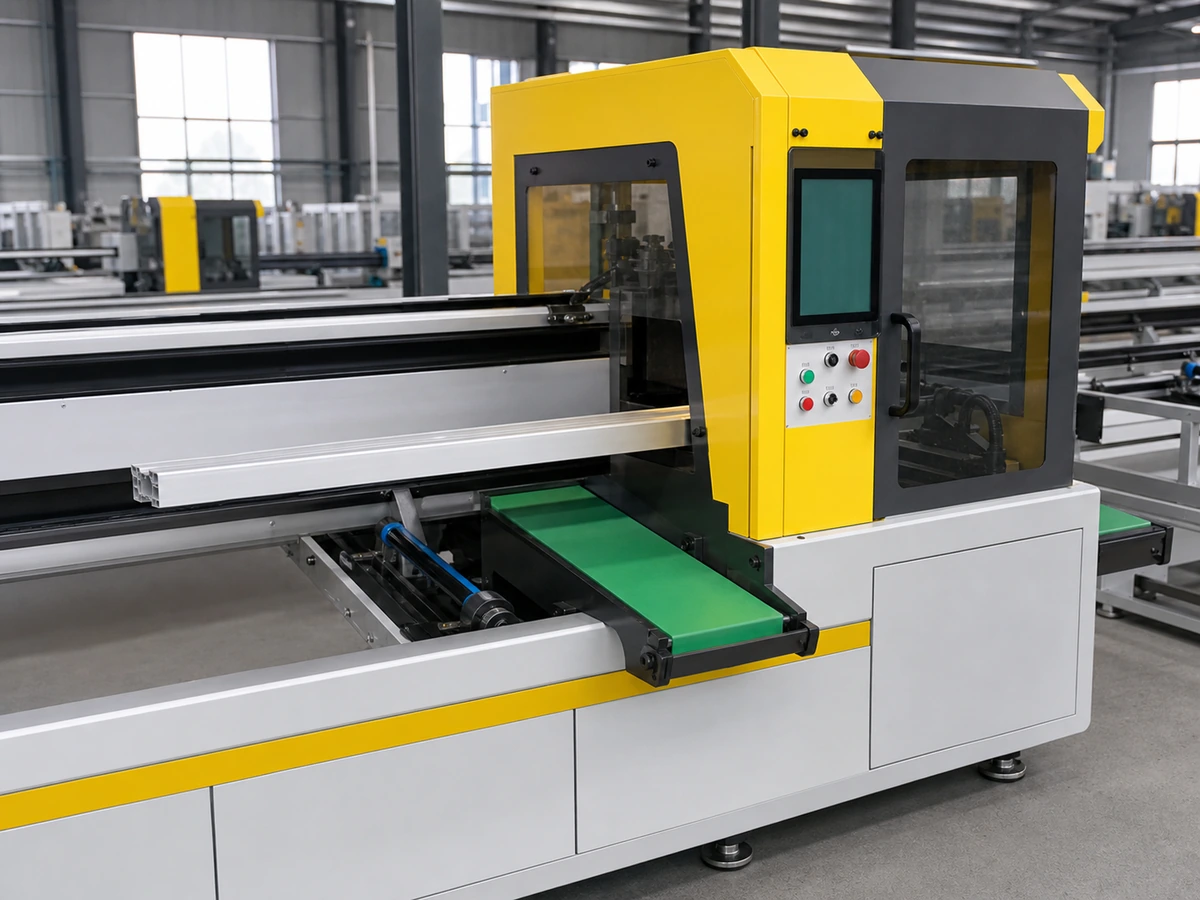
The Jiurun channel video below shows a related automatic aluminum saw and material movement. Watch it to frame questions about the cutting sequence and where any proposed fluid return would fit. It does not show a filter, coolant measurement, customer trial, the configuration discussed here or a filtration acceptance result.
Send a circuit question with the RFQ
For aluminum saw coolant filtration, ask whether the proposed saw uses wet recirculation for your material and blade. If yes, send the profile or tube section, alloy, intended duty, fluid choice and any central-system interface. Request one marked flow drawing, a list of supplied and excluded filtration parts, chip-removal access, replacement-media plan, warning response and an acceptance demonstration. If a supplier proposes no additional filter, ask how the local or plant system keeps solids away from the pump and nozzle under the stated duty. Those answers let you compare complete circuits rather than isolated filter names.
Send Jiurun your stock and operating details and ask for the coolant and chip-handling scope of the exact proposed machine. Agree the fluid and site interfaces with your plant team before releasing the purchase specification.