
Aluminum saw blade imbalance is a plausible explanation for new vibration, but it is not a diagnosis by itself. A blade that wobbles in a running saw can also point to a dirty mounting face, excessive flange runout, a worn spindle bearing, unsuitable blade geometry, or a clamping problem. Replacing a blade before separating those causes can leave the same fault in place. This guide gives buyers and production engineers seven evidence requests to make before they approve a replacement blade or a machine service visit. It does not prescribe a hands-on adjustment while the saw is running.
Featured image: a generic AI-generated blade inspection illustration from the existing JiurunCut media library. It is not a photograph of the blade or a measured balance result discussed here.
1. Record when the vibration appears
Ask the operator to describe the first repeatable event: idle rotation, entry into the aluminum profile, a particular feed segment, exit, or only one profile family. Note the blade ID, machine, RPM setting, material section, clamp setup, feed program and first affected shift. A no-load symptom deserves a different investigation from vibration that appears only when a thin wall is unsupported. Stop production and use the site’s isolation and maintenance procedure when abnormal vibration, blade damage or unsafe guarding is suspected. Never reach into the cutting zone to “feel” a vibration.
For a purchase decision, request two short, comparable records: one before the issue and one after it appeared, with the same stock and settings where safe. A sound clip alone is weak evidence if the machine, profile and feed conditions are unknown.
2. Confirm the blade actually matches the saw
Record outer diameter, centre bore, plate thickness, kerf, pin-hole pattern if fitted, tooth count, rated maximum speed and intended non-ferrous application. Match each to the saw maker’s approved mounting and operating limits. Similar looking blades can have different bores or plate stiffness. A replacement quote should identify the exact blade specification and the machine configuration, rather than promising that any blade with the same diameter will run smoothly.
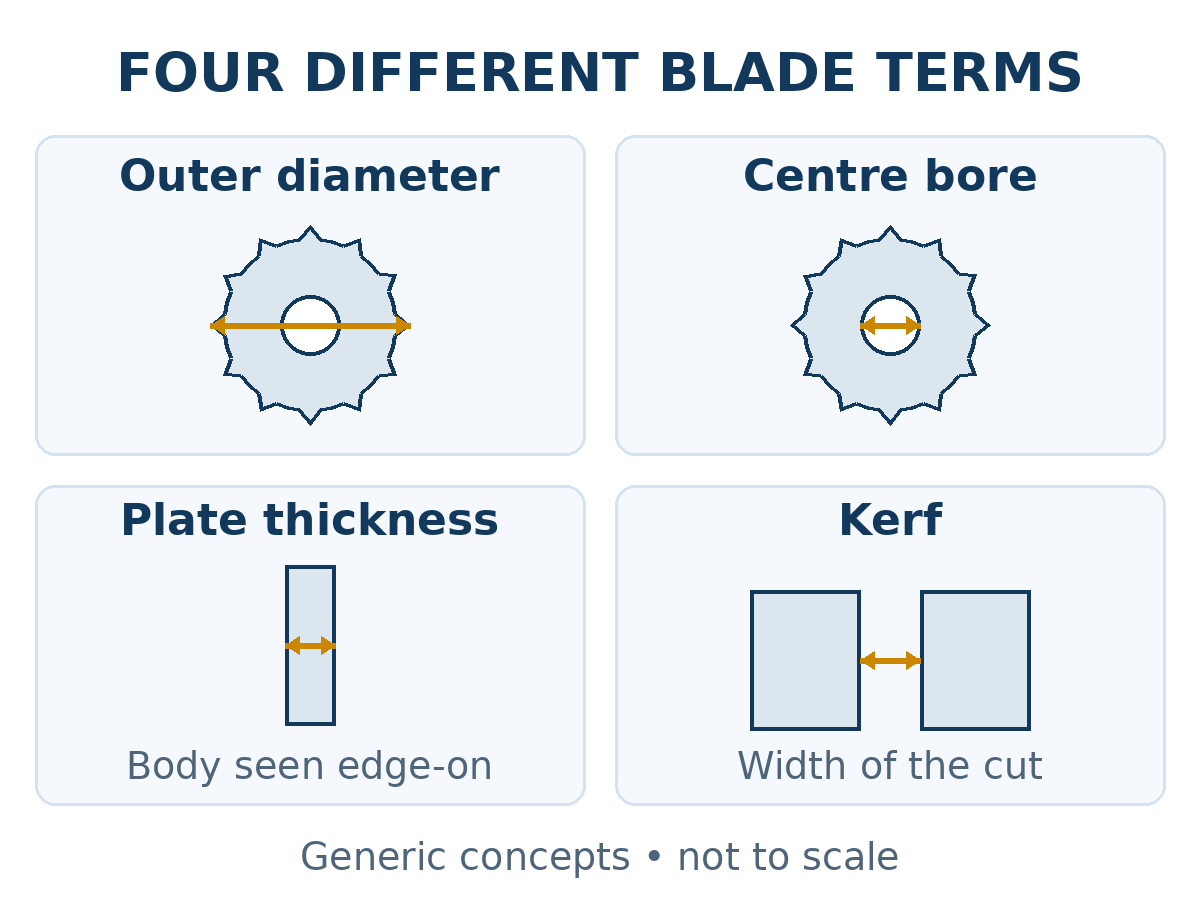
Non-ferrous blade catalogs often distinguish bore, plate and cutting width as separate dimensions. For example, Kanefusa’s non-ferrous Sash Pro listing publishes these fields for aluminum profile applications. The listed sizes are examples from that manufacturer, not specifications for a JiurunCut saw.
3. Separate blade condition from mounting condition
Ask a qualified maintainer to document the removed blade’s tooth and plate condition and the condition of the mounting faces under the machine and blade manufacturers’ instructions. The relevant question is whether the same blade was stable before it was removed and remounted. Chips or residue at the flange, inconsistent seating, a damaged bore or incorrect fasteners can change the result without any change to the blade’s inherent balance. Do not grind, drill, weight or retension a blade on the shop floor as an improvised fix.
Leitz’s sawing troubleshooting chart lists unbalanced blades alongside flange contamination, excessive flange runout, spindle bearings and blade selection as distinct possible causes of wobble. That is a useful diagnostic structure; it is not a test result for this machine.
4. Measure suspected aluminum saw blade imbalance
For suspected aluminum saw blade imbalance, a supplier statement that a blade is “balanced” should be tied to a blade ID, measurement method, acceptance limit and test condition. If a technician reports runout, ask where it was measured, whether it was the blade plate or cutting edge, what indicator and setup were used, and what limit the saw or blade maker specifies. Do not compare numbers collected at different locations as if they were the same property. A video of a spinning blade, by itself, cannot establish a numerical balance grade or runout value.
The same record should separate static blade condition from the complete installed system. A blade can pass a supplier inspection yet run poorly if the arbor, flanges or bearings need service. Conversely, a noisy cut does not prove the blade is unbalanced.
5. Check stock support and the cut result
Review the actual aluminum section and its support, clamp contact and overhang. Hollow, thin-wall and asymmetric profiles may flex during entry or exit. Compare the cut face, burr position, angle and length variation across several parts, not a single best sample. If the defect follows only one stock orientation or clamp location, investigate the setup before attributing it to blade balance. Keep any trial within the saw maker’s safe operating procedure and the agreed test plan.
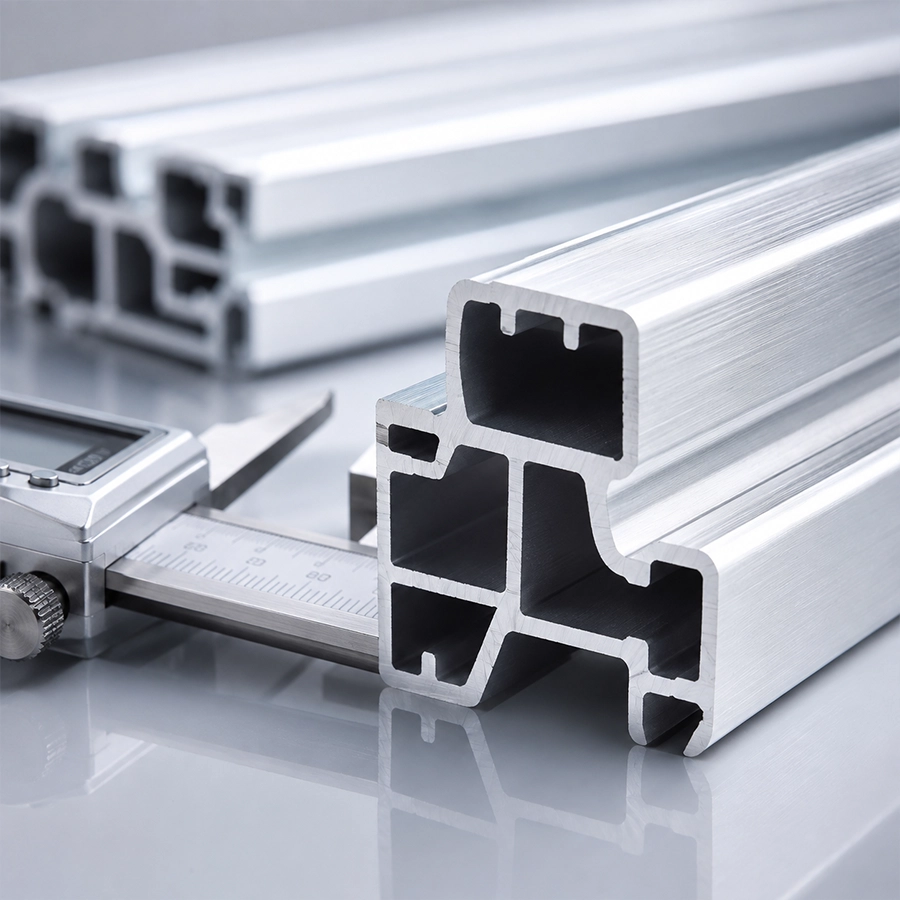
For a controlled buyer trial, connect this check to a written acceptance sheet: same profile drawing, stock lot, orientation, blade and clamping state. Our blade-change length guide explains why a first-piece release should include length evidence rather than relying on appearance alone.
6. Decide who owns corrective work
If the evidence points to the blade, ask the blade maker or an authorized specialist whether inspection, professional service or replacement is appropriate. If it points to the saw, ask the machine service provider to assess the spindle, flange and mounting system against its manual. Keep the two scopes separate in the quote. Request a written return-to-service check for the assembled machine, including guarded operation and a documented sample cut.
Leitz’s circular sawblade operating instructions reserve servicing and modifications for the manufacturer or authorized professional workshops and call for experienced specialists for sharpening or repair. Follow the instructions for the actual blade and machine on site. A buyer should not infer that an unrelated blade maker’s service limits are the exact limits of every aluminum saw.
7. Write the RFQ as a diagnosis, not a guess
Send the supplier a compact evidence pack: machine identification, approved blade dimensions and speed, installed blade ID and service history, aluminum profile drawing and alloy/temper, clamp photos taken with the machine safely stopped, symptom timing, measured values with methods, and representative rejected cut parts. Ask for a response that marks each possible cause as confirmed, excluded or still open. Request one named owner for the blade, one for the machine and a release test after correction.
Use a decision rule: replace the blade when inspection and the supplier’s criteria support that action; service the mounting or spindle when those components fail their checks; revise the cutting setup when the issue follows a profile or clamp condition. If evidence remains incomplete, hold the conclusion and obtain a controlled inspection. This avoids converting a symptom into an unsupported equipment claim.
Equipment video: what it does and does not show
The following video from Jiurun Machinery shows another aluminum cutting equipment scene. It helps a buyer visualize an aluminum saw workflow and moving stock. It does not demonstrate the blade, aluminum profile, model configuration, vibration level, balance result or trial described in this article.
Send a useful blade and machine question
For a JiurunCut machine discussion, send the blade specification, profile drawing, expected throughput and the recorded symptom through our contact page. We can discuss the cutting workflow and what evidence a supplier trial should collect. A machine or blade compatibility claim needs confirmation against the actual configuration and manufacturer documentation.
Source context: The diagnostic categories above draw on the Leitz sawing troubleshooting chart, Leitz service instructions, and published Kanefusa non-ferrous blade specification fields. These references support general procurement questions; they do not certify a JiurunCut blade or test.