
Water visible in an aluminum saw air filter bowl at the end of a shift is a useful observation, but it is not a diagnosis. A bowl that fills only during production, one that remains wet after shutdown, and one that refills almost immediately after draining point to different questions. Record when the water appears before ordering a replacement bowl, drain, regulator, or complete filter unit.
This guide is for maintenance planning and equipment acceptance. Identify the installed drain type and follow its maker’s instructions; have a qualified technician isolate and depressurize the air system before any disassembly. A photograph of water in a bowl cannot establish the compressed-air quality at the machine inlet or prove which component has failed.
What the aluminum saw air filter bowl tells you
The bowl separates and collects liquid carried with compressed air. Its level can show that moisture is reaching the point of use, that the drain is not clearing at the expected moment, or both. It does not, by itself, show whether the compressor, receiver, dryer, piping, filter element, or drain is responsible. Nor does a wet bowl prove that water has reached the saw’s cylinders or valves.
Start with a time-stamped record: bowl level before the first cycle, after a representative run, immediately before shutdown, and at the next start. Note whether the drain discharged and whether other machines on the same supply show the same pattern. A short video of the bowl and drain during a normal cycle is more useful than a single close-up taken after production.
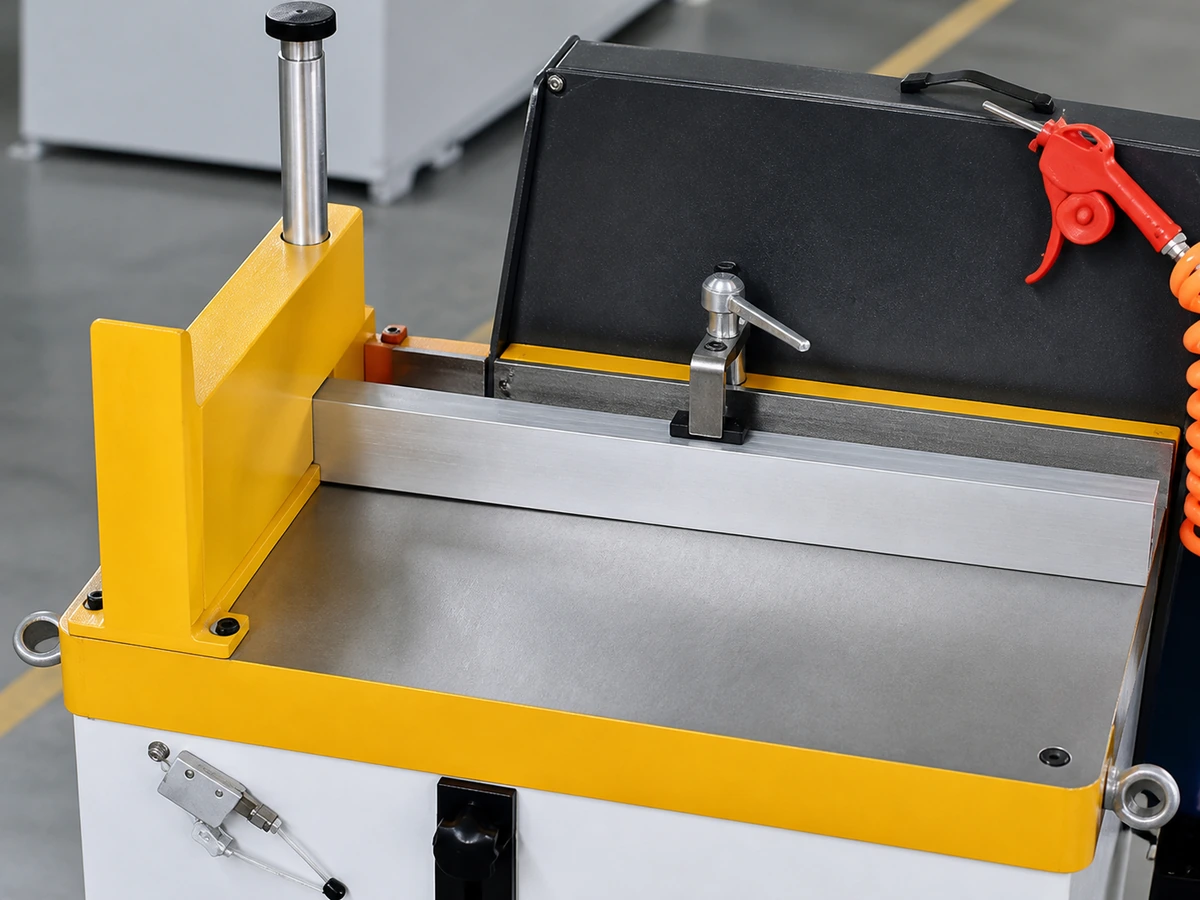
Read the timing before naming the fault
Water is already present before startup. First confirm whether the particular drain is expected to empty when pressure is removed. Some semiautomatic drains are normally open when air is off; other designs operate differently. If the expected discharge did not occur, the drain outlet and its discharge path deserve inspection. If it did occur and water returned quickly, investigate the upstream water load. Do not label the bowl defective from the startup photo alone.
The level rises during repeated clamp cycles. Compare the rise with actual drain events and the manufacturer’s maximum level mark. A drain that cannot keep up and a supply delivering an unusually high volume of condensate can look similar at one instant. Record the pressure and workload at the same time. Recheck at a comparable production rate rather than comparing an idle reading with a busy-shift reading.
Water or erratic motion appears downstream. Treat this as an operating issue, not merely a cosmetic bowl issue. Stop the affected process under the site’s procedure and ask a qualified technician to check the air preparation path, downstream components, and the machine’s own instructions. Do not bypass a filter or drain to keep cutting. The symptom may have more than one cause, so verify the air path before assigning a machine fault.
The drain design changes the interpretation
“Automatic drain” is not one universal behavior. Festo’s drain overview distinguishes manual, semiautomatic, and automatic variants. Depending on the design, discharge may depend on bowl level, pressure release, startup, or shutdown. An observed lack of discharge is meaningful only against the actual installed part number, pressure state, and discharge arrangement.
Ask for a clear photo of the air preparation assembly with its label and drain connection visible. Check the installed part’s documentation for its expected trigger and mounting requirements. A blocked or misrouted discharge tube may make a sound drain appear to fail; an upstream supply problem may make a sound drain cycle too often. If the bowl is damaged or leaking, take it out of service under the manufacturer’s procedure rather than attempting a pressurized repair.
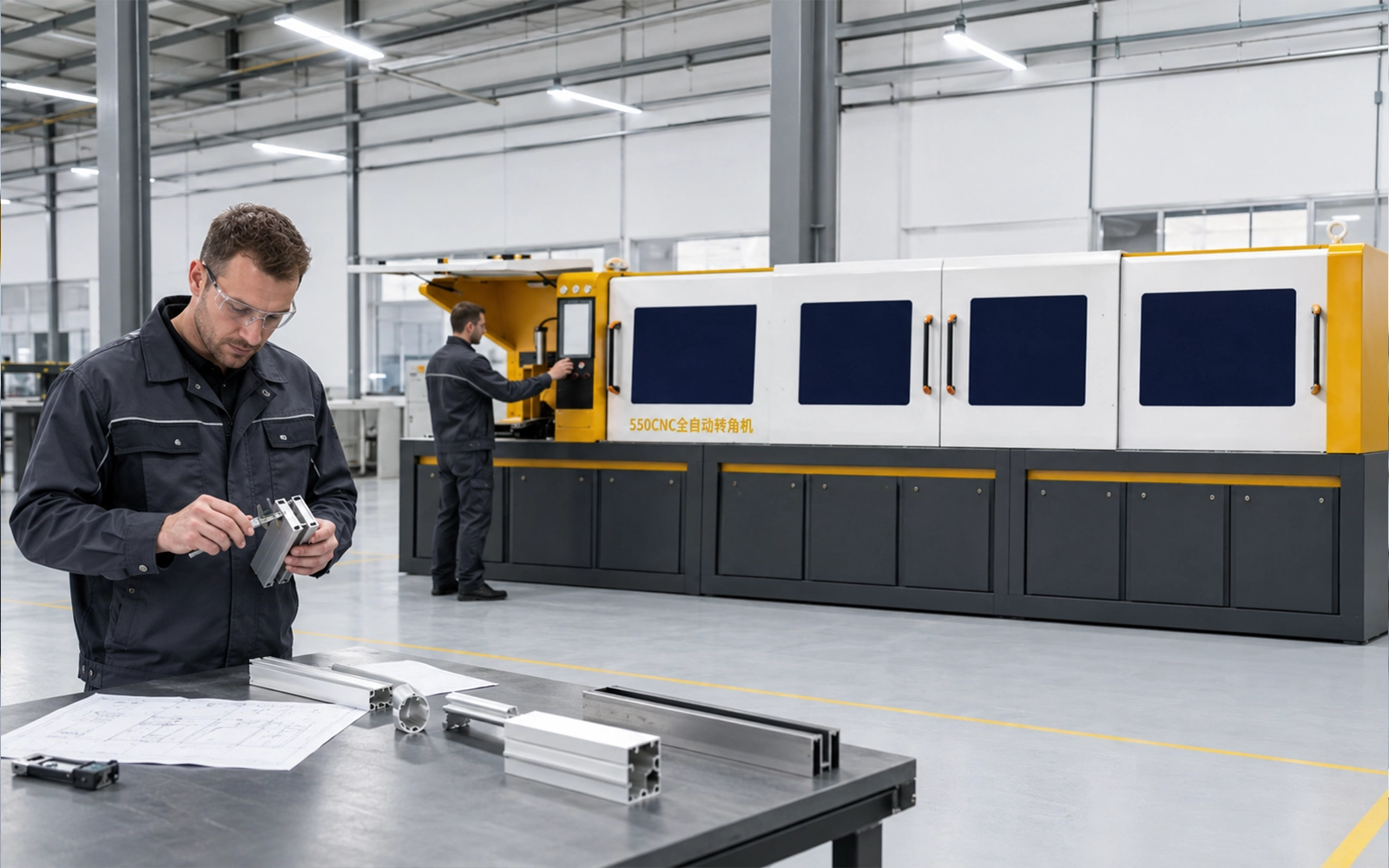
Separate inlet air quality from a machine-side drain issue
If several machines fed by the same compressed-air header accumulate water, the shared supply deserves attention before replacing individual saw parts. Have the air-system owner check the compressor, receiver drainage, dryer, and piping against the documented supply specification. If only one saw shows the pattern, compare the branch line, local filter, and drain with similar machines under comparable duty. These are investigation routes, not proof of a particular failed component.
Pressure dew point is a useful air-quality measure, but a number measured at a dryer outlet is not automatically the condition at the saw inlet. Record measurement location, load, ambient conditions, and the requirement for the installed equipment. Our pressure-dew-point guide explains how to frame that check. For the separate question of who supplies the drain and discharge route in a quotation, see our condensate-drain scope guide.
What a useful acceptance record looks like
A buyer comparing saw quotations should ask for the air-preparation assembly actually included, its drain type, and the required inlet-air specification. At commissioning, agree who owns the upstream dryer and pipework, who connects the condensate discharge, and where the drain can be inspected. Photograph the installed unit and record the label. These details prevent a wet bowl from becoming an argument over an unspecified accessory after delivery.
Use a short observation sheet: date and ambient condition; saw duty; bowl level at start and finish; drain event; supply pressure during a representative clamp cycle; and whether another machine on the same header behaved similarly. If water returns after a verified drain, attach that sequence to the service request. If a supplier proposes a new bowl, ask what failure it addresses and what observation will confirm the fix. The answer should name an observable result, not simply a replacement part.
Parker’s FRL service instructions illustrate why inspection and service must follow the specific unit’s manual, including isolation and depressurization before disassembly. Do not transfer a level limit or maintenance interval from one vendor’s filter to an unidentified saw assembly.
Related saw demonstration
The following video from Jiurun Machinery shows an aluminum saw operating. It provides equipment context only. It does not show or verify the filter-bowl design, condensate level, compressed-air quality, customer installation, or performance discussed above.
Make the next decision from a sequence, not a snapshot
When an aluminum saw air filter bowl holds water, first identify what its drain should do, then compare water accumulation with operating time and the upstream supply. A replacement is justified when inspection identifies the failed part and the acceptance check is agreed. If you are specifying a new aluminum saw, send JiurunCut the inlet-air specification, expected duty, and your proposed air-preparation scope so the quotation can state what is included and what the plant must provide.