
Aluminum grease filter frame cutting starts with a purchasing boundary: a saw can prepare aluminum border members, while a working range-hood filter also needs its specified mesh or media, corner construction, retention features and an exact fit in the intended hood. A cut frame is not a complete replacement filter. Before asking for a machine or subcontract quote, define which of these deliverables the supplier must provide.
This distinction is visible in real replacement products. S. W. Hart describes an aluminum mesh rangehood filter with mesh held inside an aluminum frame. Broan-NuTone identifies a replacement aluminum mesh filter by the hood models it fits. These are external product examples, not Jiurun customer jobs or interchangeable specifications. They show why frame cutting, filter assembly and model fit should have separate checks.
Aluminum grease filter frame cutting begins with three dimensions
Request the approved filter drawing, revision and hood model reference. Keep the finished filter’s outside width and height separate from the clear opening that receives the mesh, and keep both separate from the individual profile blank lengths. A corner joint can change the relationship among these values. An angle at the end of a member may be measured to its long point, short point or datum face. The purchase order must say which measurement controls, including the permitted variation.
Also record the frame section, wall thickness, finish, corner joint, any handle or latch interface, and orientation of each member. If an existing filter is the only sample, have its fit and drawing established before turning its measured outside size into a cut list. A worn or bent sample alone is an uncertain master.
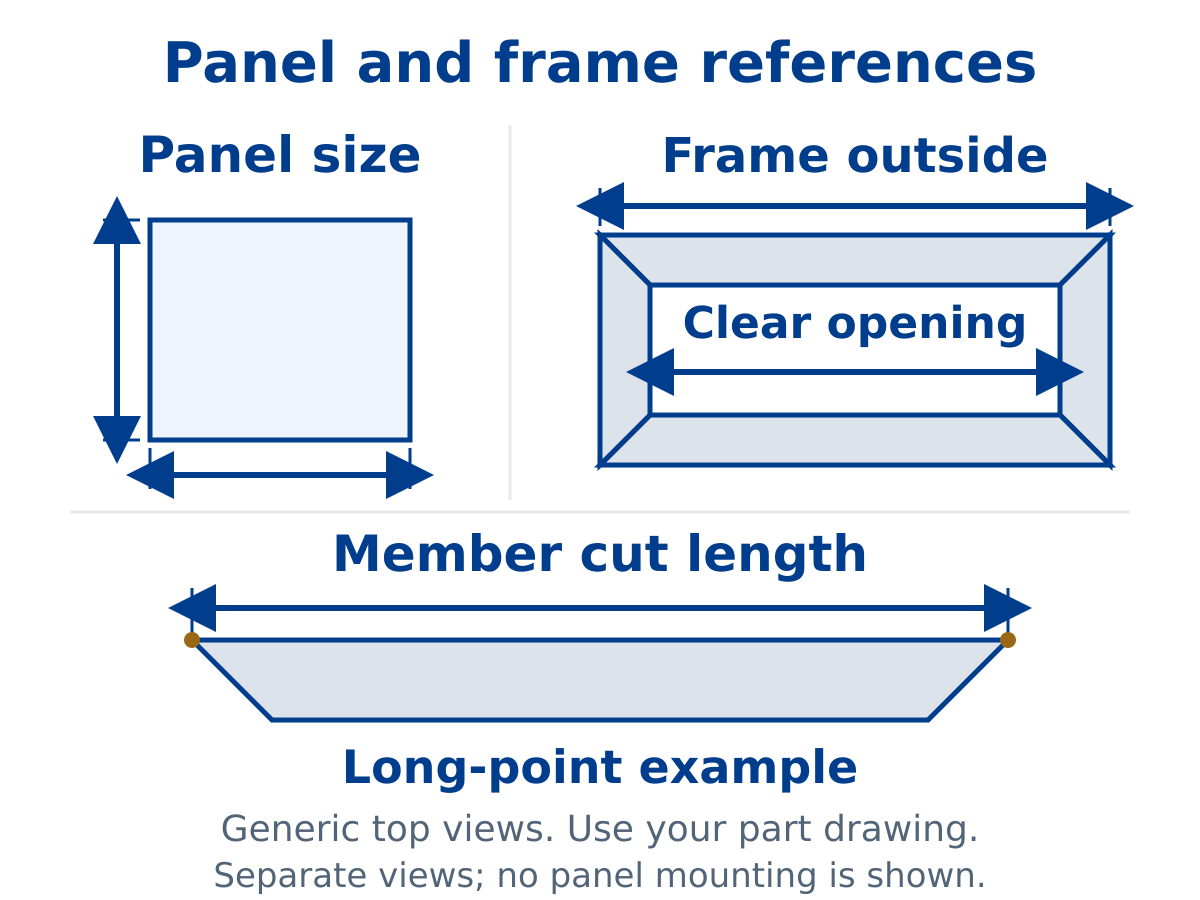
Which border operations belong at the saw?
A saw setup can be reviewed for straight member blanks and, when its actual configuration permits, approved full-end angles. The machine, blade, fixture and feed arrangement must be checked against the real aluminum section. Thin or narrow borders may need support close to the cut to control movement and avoid crushing a visible face. Protect the chosen finish during infeed, clamping, outfeed and packing; do not infer acceptable surface quality from a catalog photo.
A small latch notch, local relief, handle feature, hole or fastening detail is a different operation from cutting the whole end at an angle. It may require another process or a validated attachment. Ask suppliers to identify each feature by drawing callout and state whether it is included in the proposed route. Likewise, a mitered frame in one manufacturer’s product does not mean every filter uses miters. AMFCO’s filter construction sheet gives an example of a frame enclosing media with joined corners; its design, ratings and application are specific to that product and must not be copied into another filter specification.
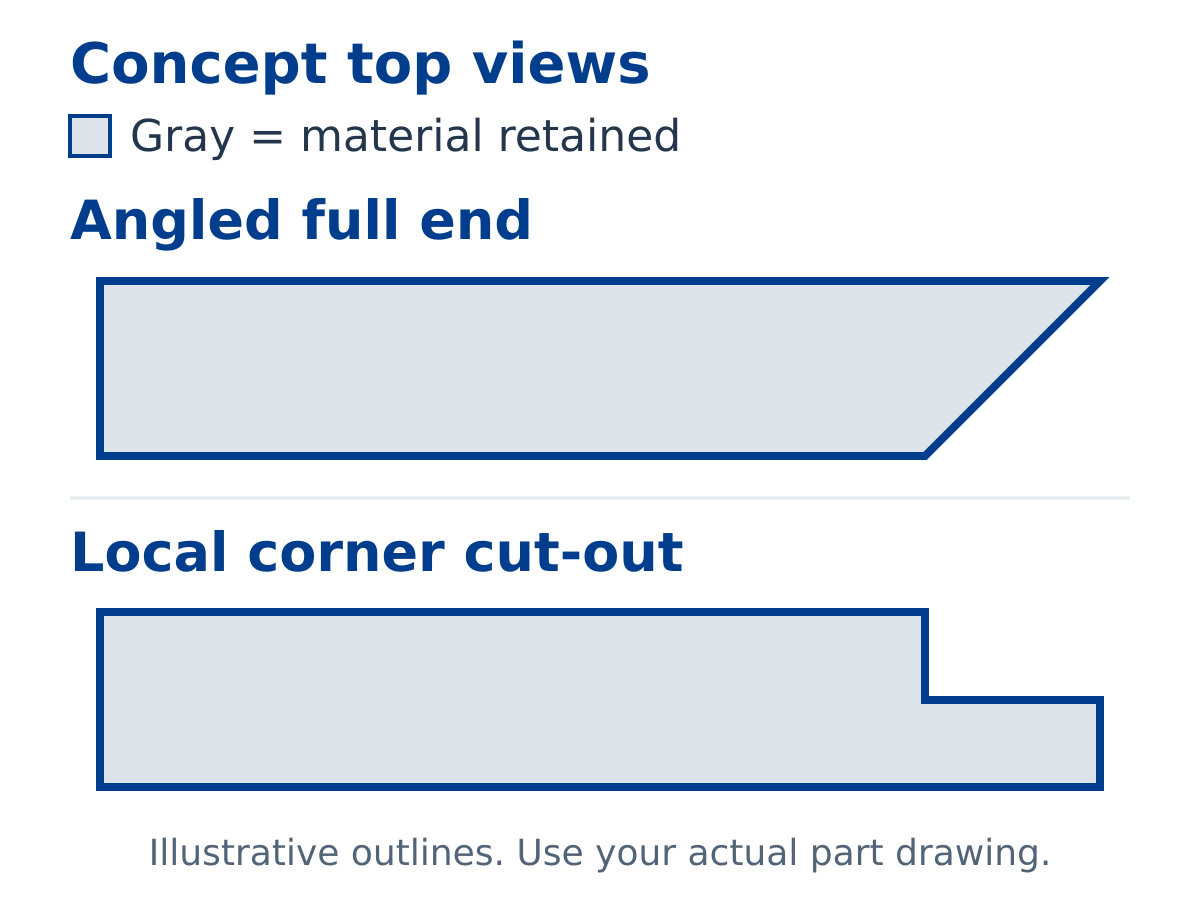
Keep mesh, assembly and fit acceptance on their own checklist
After border members are cut, the filter maker may still need to join the corners, retain the mesh or other specified media, add a handle or latch, and inspect the complete unit. The metal-cutting quote should say whether these steps are excluded, separately priced or performed by an assembly partner. Specify the media construction and any treatment through the filter designer or applicable product requirements, rather than assuming that aluminum mesh in one replacement product suits another hood.
Fit acceptance is more than four outside measurements. Confirm the hood model and filter location, insertion direction, clearance, latch engagement, flush seating and removal access using an approved gauge or actual housing. If a complete filter is being sourced, acceptance should include the assembled part and its retained media. A stack of accurate frame blanks does not prove a complete filter fits or performs as intended.
Compare three sensible supply stages
- Cut blanks: the supplier delivers labeled aluminum members to drawing, with agreed length, end geometry, burr and finish checks. The buyer owns joining, mesh and fit validation.
- Prepared frame kit: the supplier includes specified secondary features and possibly corner hardware. Both parties agree who assembles and inspects the frame.
- Complete replacement filter: one party is responsible for media, frame assembly, hood-model fit and the applicable product acceptance. This needs a broader qualification than a saw trial.
Compare quotes at the same stage. A low unit price for a blank is not directly comparable with a finished filter that includes assembly and fit checks. List packaging, identification and scrap handling in the same scope sheet so visible aluminum faces and thin members are not damaged after cutting.
What to ask during a machine or subcontract trial
Send representative profile stock and the current drawing. Ask for a trial plan that covers the shortest and longest members, corner angles if any, clamp marks, burrs, length consistency, clear identification and safe offcut handling. Decide in advance how measurements will be taken and how many samples must pass. If the production filter requires a latch notch or handle feature, include those in the route review but keep their process and acceptance separate from the saw-cut result.
Jiurun lists aluminum profile cutting equipment for process discussions. A product family page does not establish that a particular machine, fixture or blade has been approved for this frame. Review the real section and trial requirements before selecting a configuration.
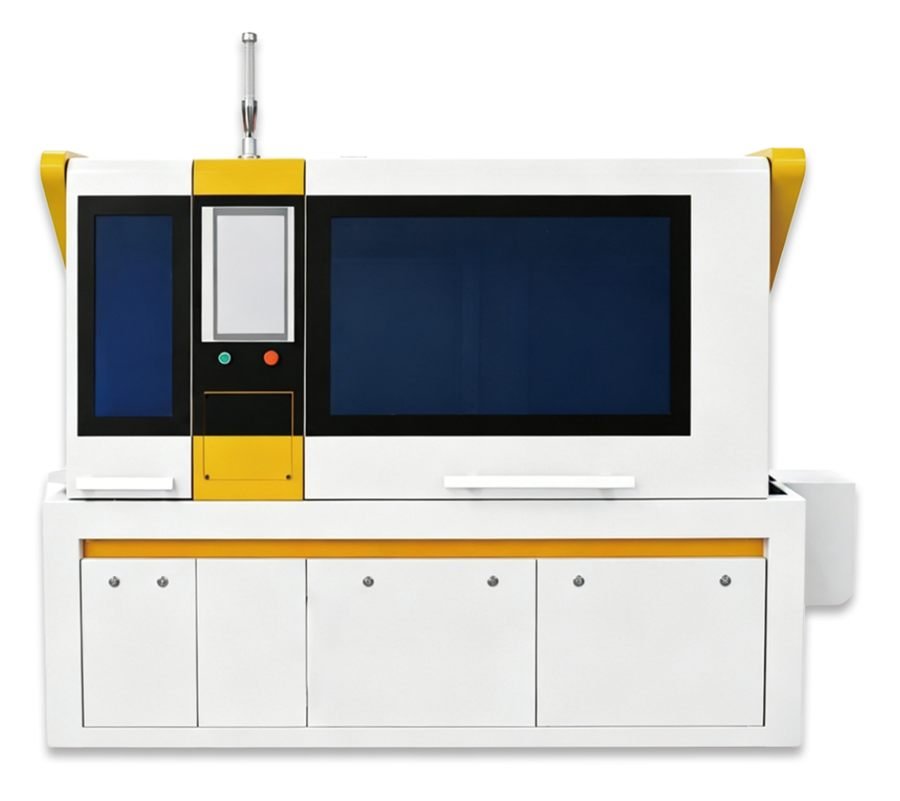
The following video from Jiurun Machinery’s own channel shows related aluminum cutting equipment. It is an equipment illustration, not footage of the grease filter discussed here, and it does not establish a frame specification, completed filter fit or output rate.
RFQ checklist for aluminum grease filter frame cutting
Provide: (1) the filter and frame drawings with revisions; (2) the target hood model and fit reference; (3) aluminum section and finish; (4) outside filter dimensions, clear opening and cut-length datums; (5) corner joint and end geometry; (6) latch, handle, holes and other downstream features; (7) mesh/media and assembly responsibility; (8) quantity, labeling and packing; and (9) inspection method for blanks, assembled frames and complete filters as applicable.
Need a drawing-led cutting review? Contact Jiurun with the actual profile and approved drawing. Request a clear boundary between saw-cut members, secondary features and final filter qualification, plus a part-specific trial plan before committing to equipment or volume.
Common questions
Can a saw produce a complete aluminum grease filter?
A saw can prepare cuttable frame members. Mesh retention, corner assembly, latches and hood fit remain separate work unless the supplier explicitly includes and validates them.
Is the finished outside size the same as every cut member length?
No. Corner geometry and the measurement datum determine the member length. Use the approved drawing, rather than subtracting a generic allowance from the outside dimension.
Does a mitered example set the corner design for my hood?
No. Follow the specified filter drawing and hood fit. The illustrated corner and notch comparison is conceptual only.