
Aluminum display rack spare members are a procurement decision before they are a cutting job. A retailer may need one damaged member by Friday; a fixture supplier may need the same part across dozens of stores; another rack may have a different connector revision even though its extrusion looks alike. This guide helps buyers choose between stocking finished spare kits, holding approved long profiles for later cutting, and ordering a verified member only when demand appears. It also explains when a cutting cell belongs in that plan.
Identify approved aluminum display rack spare members
Identify the fixture maker, product family, drawing revision and installed configuration before treating a loose profile as a spare. Record the position of the failed member: upright, cross rail, shelf support, panel carrier or trim. Photograph both ends and the connector interface. Note which face is visible, the finish or color code, the original length datum and any machining after sawing. A member with the correct outside dimensions may still fail to accept the approved fastener, support the intended shelf, or match adjacent visible parts.
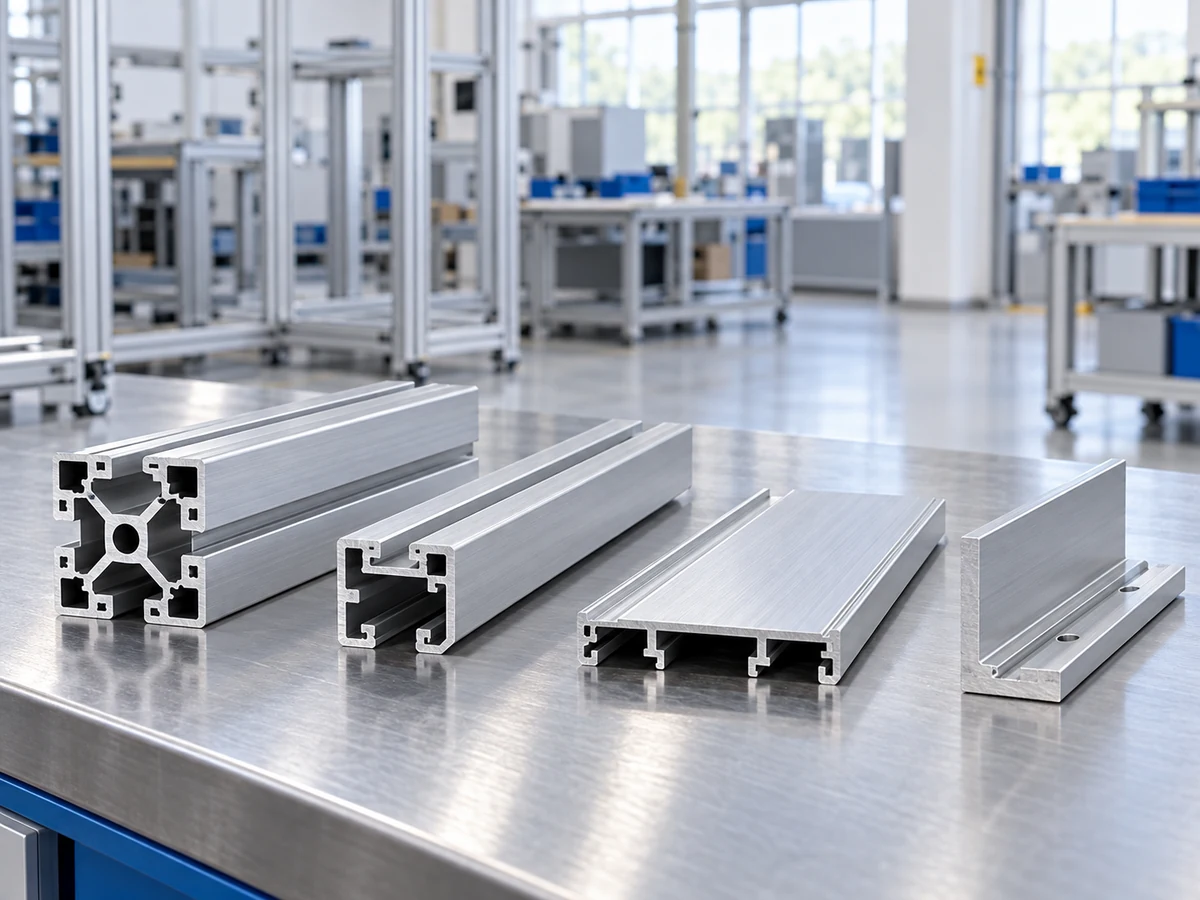
Use the system owner’s part number or an approved drawing wherever available. If the rack’s load path or connector is uncertain, have the fixture designer or responsible engineer confirm the replacement design before procurement. A cut profile is not an automatic substitute for an approved assembled spare. The OCTANORM octaclassic system is one example of a modular upright-and-beam family designed for repeated reconfiguration; its stated combinations apply to its own system, not to an unidentified rack or to Jiurun equipment.
Three supply routes for spare members
1. Stock finished, approved kits
A finished kit contains the exact members, connectors and protection needed for a known repair or store change. Choose this route when the same rack version is installed repeatedly, response time matters, the part is hard to finish or machine locally, and demand history justifies inventory. The kit should be labeled by rack family, revision, member position and finish. Count fasteners and joint parts as well as cut pieces; otherwise the “spare” may arrive without the part that makes it fit.
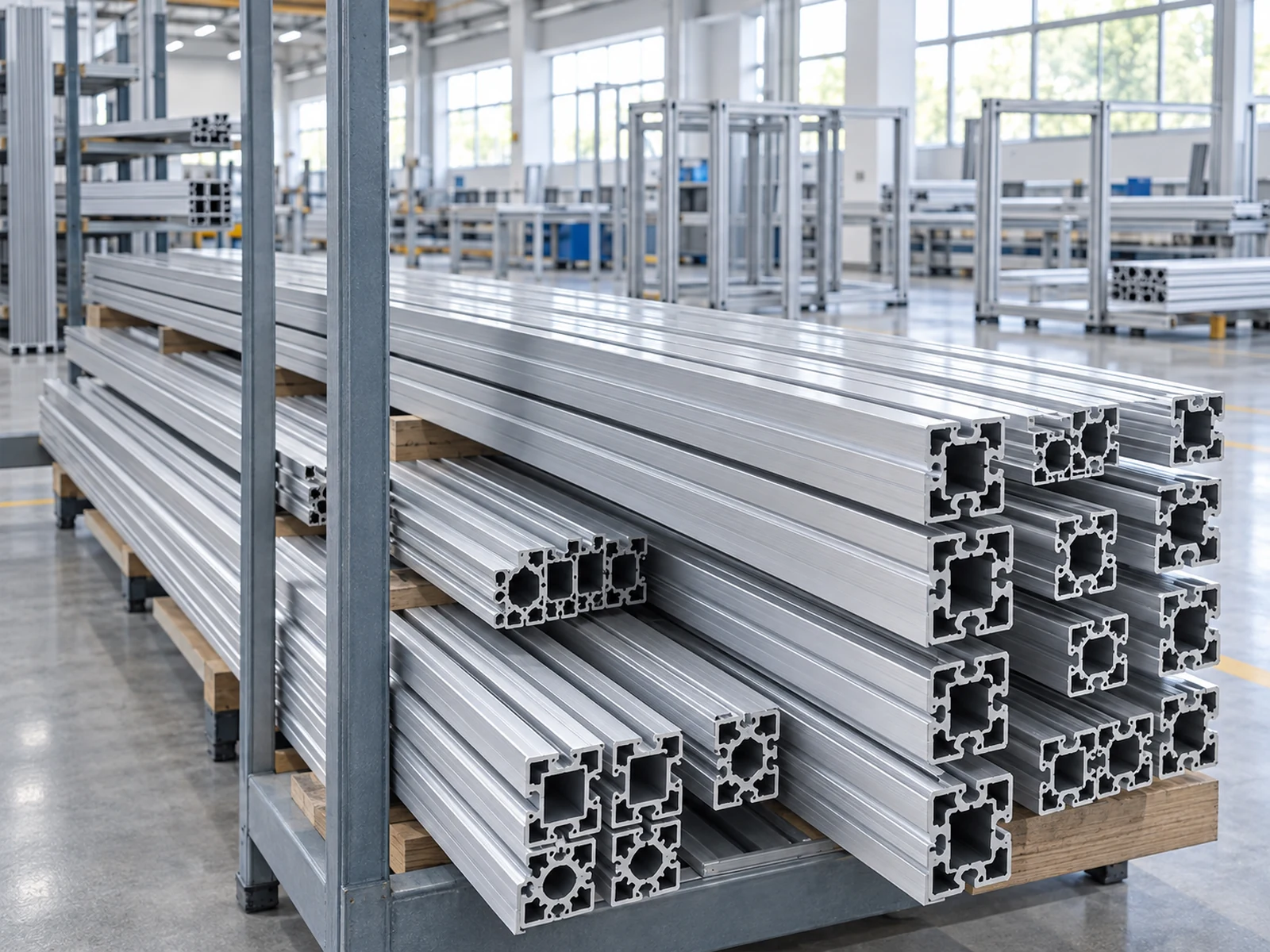
2. Stock approved long profiles, then cut against an order
This route can serve several approved finished lengths from one profile family, but it only works if the organization controls the profile specification, finish, straightness and storage condition. Reserve a safe cutting method for that section, then define the drawing’s length datum, cut orientation, end-face quality, burr removal and any downstream drilling or tapping. Do not assume a saw completes a member that also needs end machining, coating or a special connector insert. Segregate profile revisions so visually similar stock is not mixed.
3. Order a verified part on demand
For a low-frequency rack version, a branded finished member from the fixture maker may be simpler than carrying inventory or qualifying a local cut. Ask for the current approved replacement number, compatibility with the installed revision, included hardware, finish and lead time. If the original supplier has discontinued the part, seek an approved redesign or replacement kit rather than buying a near-match by photograph.
The distinction between make-to-stock and make-to-order is a standard planning choice, as ASCM’s supply-chain strategy overview explains. For display racks, a practical hybrid can keep common, approved profiles on hand while finishing rare lengths after an order. The right mix depends on your own demand and response requirements; the article does not claim one route always costs less.
Compare the routes on the cost of a complete repair
For each rack family, compare more than the price per meter or the saw cycle. Include profile minimum order quantity, finished-kit holding cost, damage or obsolescence risk, change-control effort, cutting and secondary operations, inspection, packing, shipping to the right store and the cost of an unresolved fixture. Separate emergency replacements from planned rollouts. A low unit price is not useful if a connector revision causes a site visit or a visible finish mismatch.
Build a small decision sheet with four inputs: installed rack count by revision, historical replacement frequency by member position, maximum acceptable service lead time, and the approved supply route for each part. Mark uncertain data as uncertain. Decide who may release a non-identical alternative; a purchasing team should not infer structural compatibility from a sales photo.
When does an in-house cut-on-demand cell make sense?
Start with the approved part list, not a machine brochure. Group members by extrusion cross-section, finished length range, end condition and batch size. Ask whether the same profile is used in enough spare variants to avoid many slow-moving finished SKUs. Then test the actual long stock: how it is supported at infeed and outfeed, whether the clamp holds that geometry without marking visible faces, how short replacements are handled, and what the operator does with offcuts. A saw quotation is relevant only after those conditions are written down.
Specify the cut and the finished part separately. The saw may be responsible for length and end-face quality; another station may drill, tap, deburr or insert hardware; a finishing supplier may match a visible coating. Feeding or positioning repeatability, if a machine offers it, must not be presented as finished-part accuracy. Ask the supplier to explain the measurement datum and the full process that achieves the approved part drawing. Our related guides cover how to define a display-rack member kit before selecting a saw and what to check in a rack-member saw trial; this article addresses the different decision of where spare inventory should sit.
Write an RFQ that compares complete supply paths
Send a controlled pack to the fixture maker, finished-kit supplier and any cutting-cell bidder. Include the rack family and revision; the approved drawing and member position; the profile cross-section and alloy/temper if specified; finish and visible-face rules; length and end-preparation requirements; connector and hardware list; annual and emergency demand by SKU; packaging and delivery destination; and the inspection and release authority. Separate confirmed requirements from options or missing information. If the installed system has no trustworthy drawing, price the identification and approval work explicitly rather than silently shifting it to the saw vendor.
Request comparable quotes for (a) finished labeled kits held in stock, (b) approved long-profile stock plus cutting and downstream completion, and (c) supplier-made parts on order. Ask each party to show minimum order quantities, replenishment or production lead time, revision controls, tooling or fixture charges, scrap assumptions, packing protection, and what happens when a part fails a fit check. A quote for loose cut bars is not comparable with one that includes connectors, finish, inspection and store-ready packing.
Prove the route with a controlled sample, then release it
Choose a representative upright or rail from a known rack revision and record the blank profile, drawing, material lot and planned downstream steps. For a cut-on-demand proposal, inspect the first cut for length from the stated datum, end condition, burrs and visible-face damage. Complete any other specified operations before checking connector engagement and a sample assembly. The fixture owner should approve functional fit and any load-bearing or site requirements; do not infer those outcomes from a saw running on video.
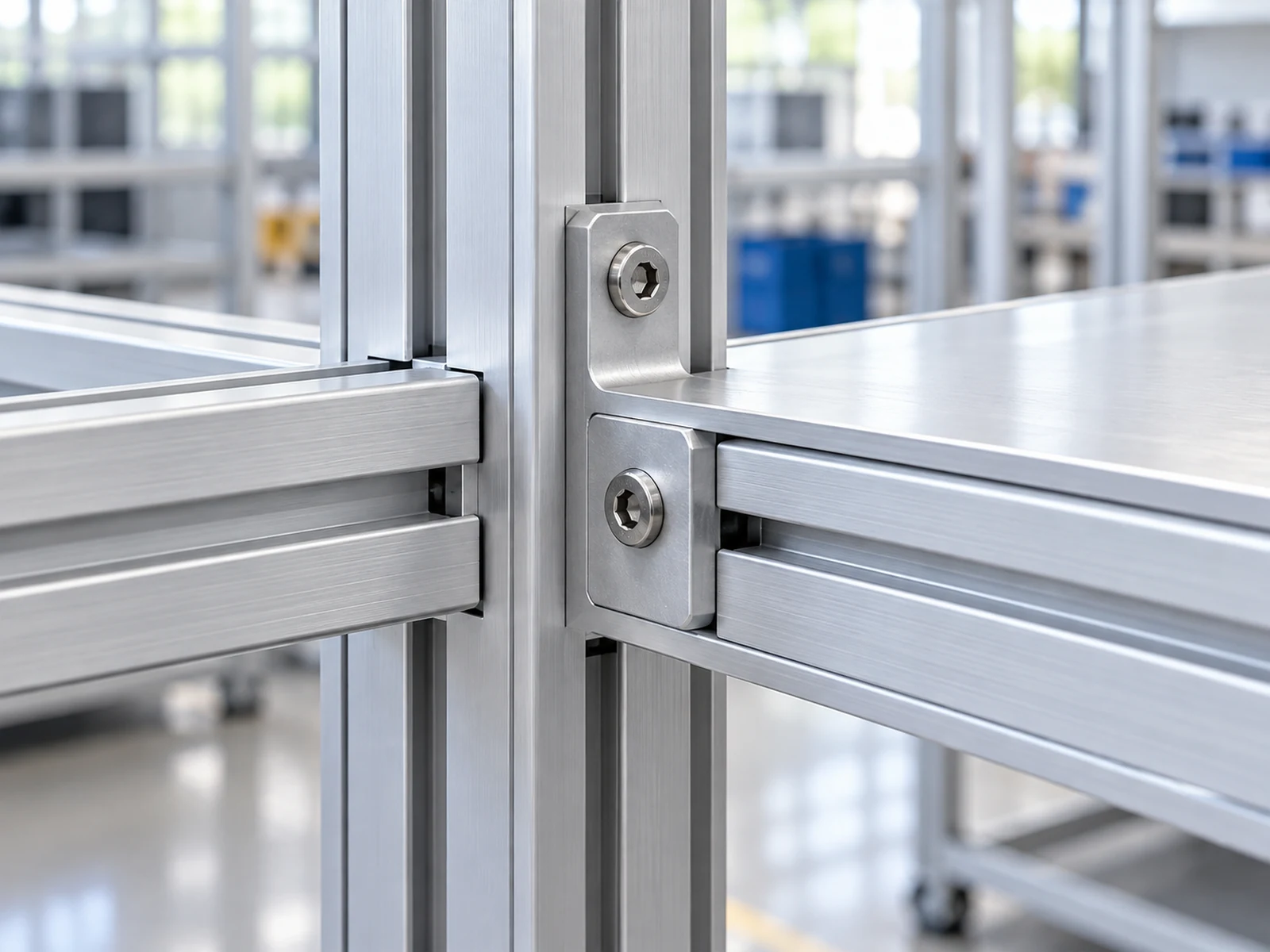
Keep the approved sample and its revision with the packing specification. After an order, inspect the member label, finish and included hardware against the repair ticket. If a new rack revision changes a connector or shelf interface, stop shipping the old spare as “universal” until compatibility is reviewed. This simple release discipline prevents inventory from becoming a collection of visually similar but unusable profiles.
Buyer decision worksheet
- Known installed system? Record the fixture maker, family, revision and approved spare number before requesting a cut.
- Recurring common member? Compare the cost and service benefit of stocked finished kits with long-profile stock and controlled completion.
- Rare or uncertain member? Request an approved finished replacement or redesign rather than guessing from an extrusion photo.
- Considering a saw? Trial the actual profile, drawing and complete part route, including downstream work and a sample assembly.
- Ready to release? Confirm responsibility for compatibility, inspection, labeling, finish, protection and delivery.
Share the rack drawings, profile list, expected spare mix and response targets when asking Jiurun Machinery to discuss a cutting process. We can review the saw-related portion of a documented application and identify which part requirements need confirmation by the fixture owner or another process supplier. A video below shows general Jiurun cutting-equipment footage only; it does not demonstrate this rack material, a particular configuration, a customer installation, a spare-part trial or achieved performance.