
An aluminum cylinder tube cutting machine can only be specified well after the buyer defines what arrives at the saw and what leaves it. “Cylinder tube” may mean a general hollow extrusion, a tube supplied with a controlled inside diameter and surface, or a blank that still needs boring, honing, coating, end machining and assembly. Those are different purchase boundaries. A saw quote for one route should not be treated as proof that it can deliver the finished barrel for another.
This guide helps a cylinder-component buyer turn the barrel supply route into a cutting-machine inquiry. It focuses on stock definition, blank length, workholding, inspection, downstream ownership and acceptance evidence. It does not specify pressure capacity, seal design or a hydraulic or pneumatic cylinder rating; those belong to the cylinder engineer and the relevant component suppliers.
1. Define the barrel route before choosing an aluminum cylinder tube cutting machine
Start with a flow map from the tube supplier to the completed cylinder assembly. One route buys tubing with agreed inside dimensions and surface condition, then cuts blanks and performs only defined end work. Another starts with a less finished tube and leaves substantial bore processing or surface treatment after sawing. A third buys finished barrels and may not justify a dedicated saw at all. Compare these routes using the same drawing revision, annual mix, demand pattern and acceptance boundary.
Ask the tube supplier to state the production route and supplied condition for each family. For example, adexco’s aluminum tube description distinguishes extrusion routes and lists inside/outside dimensions, straightness, eccentricity and surface condition as separate characteristics. Its published dimensions and performance claims describe its own products, not the input stock available to your line or an output guarantee from a Jiurun saw. The Aluminum Association’s extrusion tolerance guide also separates straightness and hollow-profile dimension concepts. A mill tolerance for incoming tube does not establish finished bore or cut-blank accuracy.
2. Put the incoming tube condition on one controlled schedule
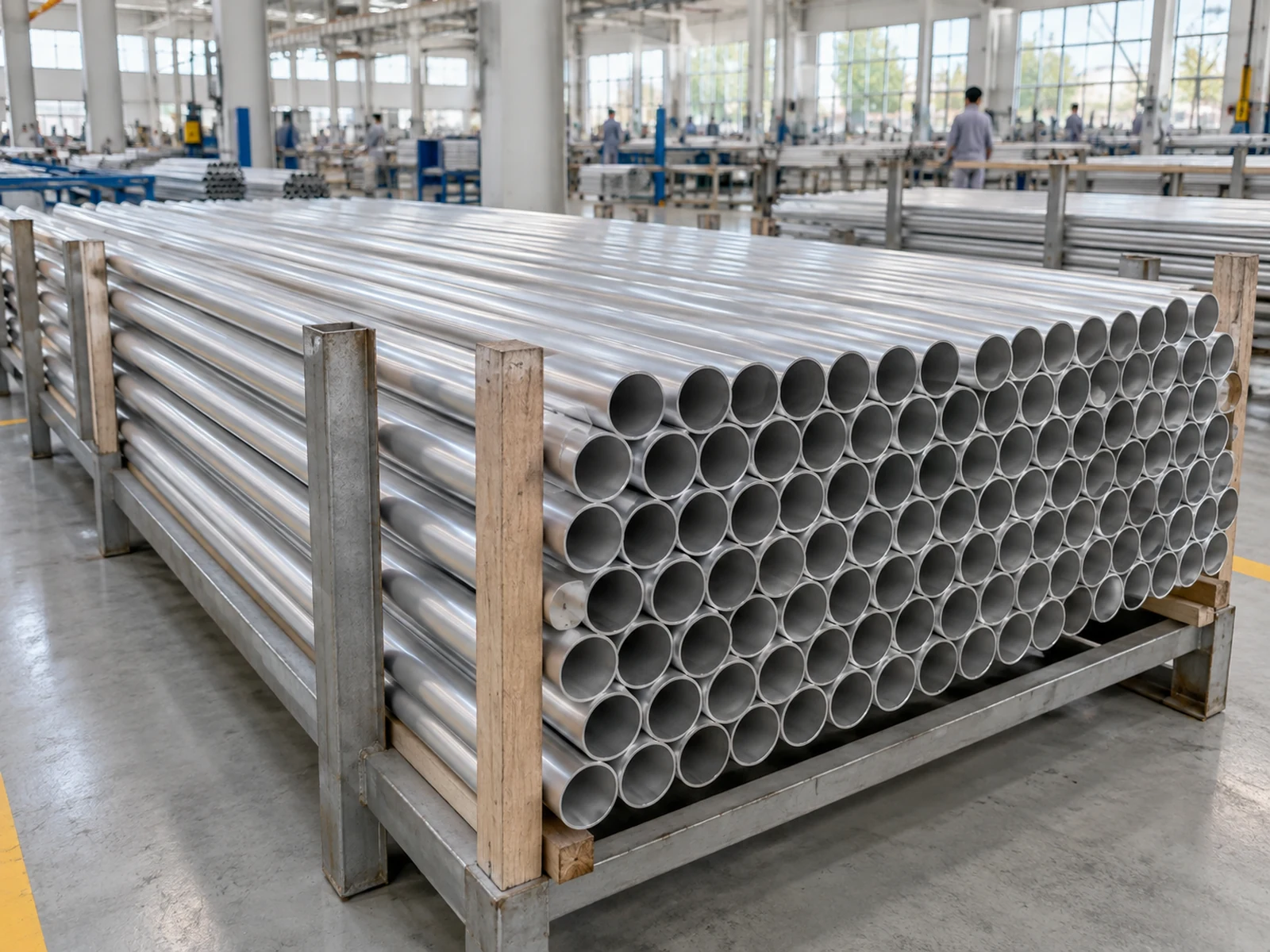
A useful schedule has one row per real stock family, not one row per marketing name. Record the drawing and revision; supplier and product form; alloy and temper as certified by that supplier; outer diameter, inner diameter or wall basis; straightness and ovality requirements if relevant; bar length and its variation; delivery bundle and protection; and whether the inside surface has already been finished or treated. Mark unknown values as items for supplier confirmation. Do not substitute nominal cylinder size or stroke for the actual length of a cutting blank.
Identify the most difficult family as well as the largest-volume family. A long, relatively light tube may create a different support problem from a short, thick-wall tube. A treated bore may make contamination and end protection more important than raw throughput. If the purchase decision covers several families, attach physical samples and supplier data for each representative boundary rather than assuming one trial tube qualifies the whole range.
3. Separate the saw’s cut blank from the finished cylinder barrel
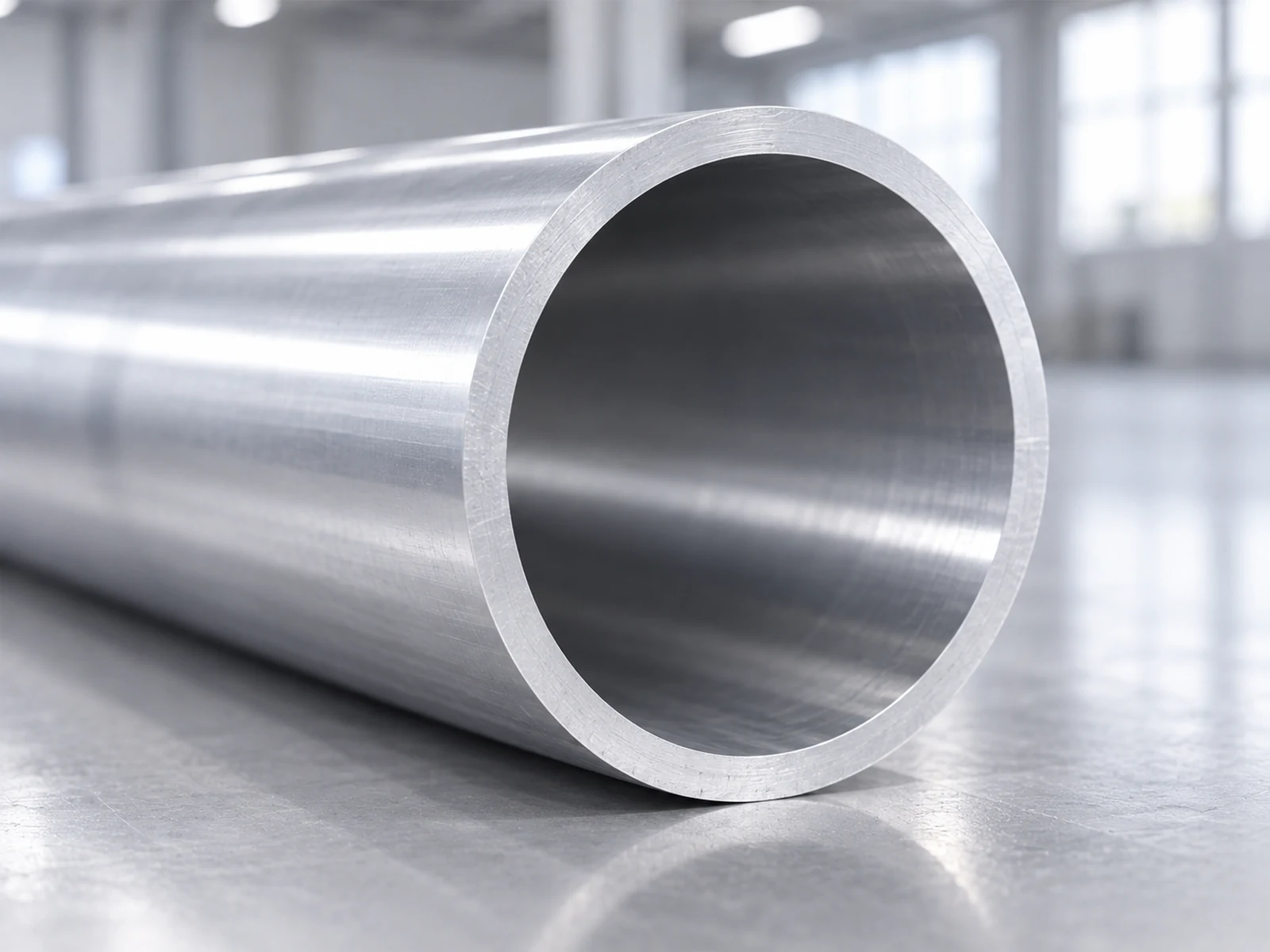
Write the cut-blank requirement as a measurable handoff. Specify the blank length and datum, allowed end condition, how cut ends are protected, whether a trim or end-machining allowance remains, and who performs that later operation. When a finished assembly requires an exact bore condition, define the downstream inspection and finishing stage separately. Saw feed positioning is not a statement of finished cut length, bore size, concentricity, surface finish or pressure performance.
For each proposed tolerance, name the part state in which it will be checked: incoming stock, as-cut blank, after end machining, or assembled barrel. Then name the instrument, sampling rule and responsible party. This prevents a quote from silently borrowing a tolerance that belongs to a later process. If a sample fails, the team can tell whether the cause was incoming tube variation, support, cutting, handling, or downstream machining.
4. Review support and workholding against the actual stock
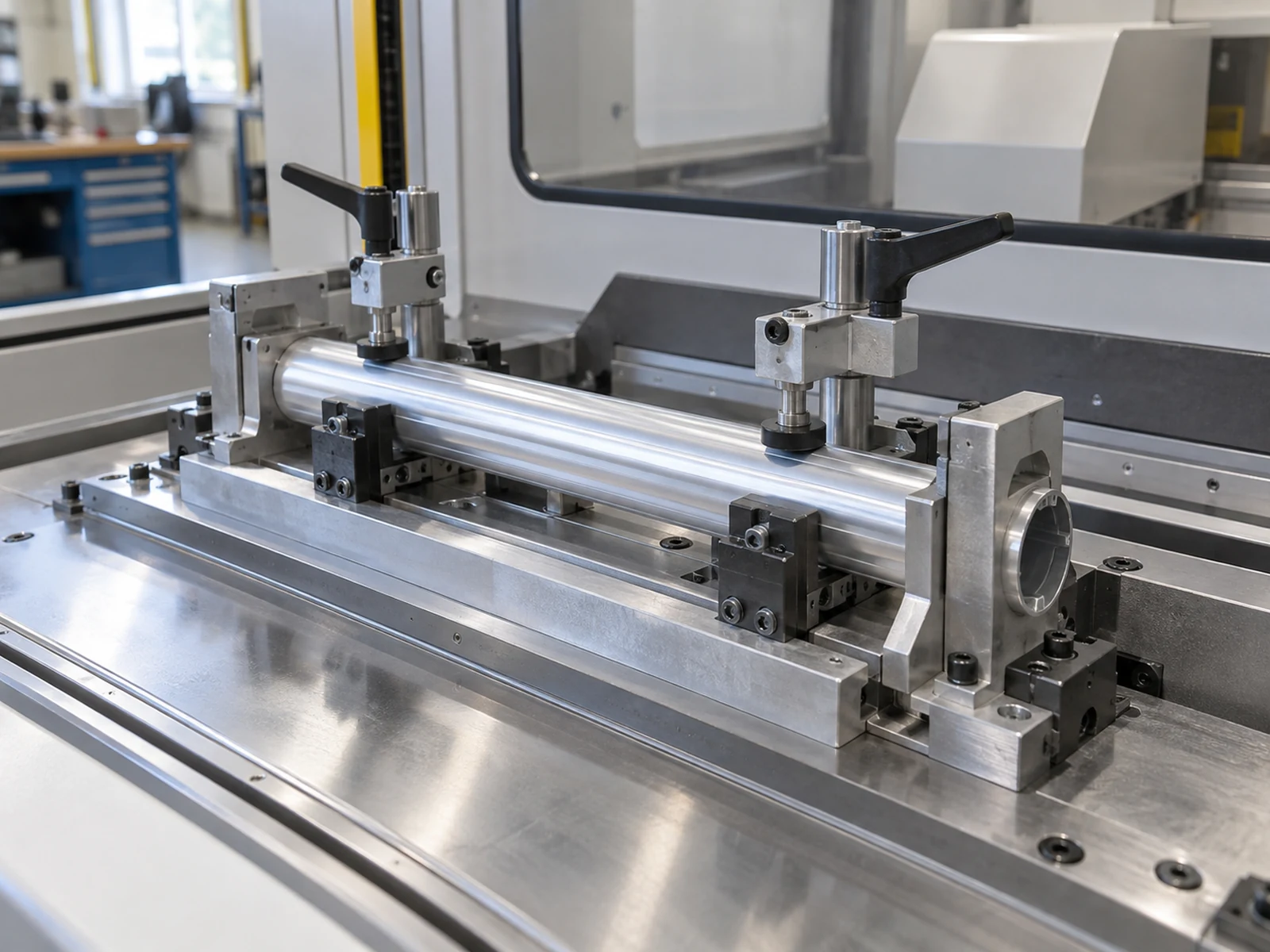
Request a layout showing how the selected tubes arrive, are supported before and after the cut, are located and clamped, and are removed without damaging protected surfaces. Ask which contact surfaces touch the outside and whether any device contacts the inside. For a long bar, the infeed support and remaining-bar condition matter as much as the immediate cutting area. For a short blank, the exit and collection method may drive edge damage or traceability loss.
Have the supplier explain the proposed blade and fixture approach for each material family, while leaving final settings to a witnessed sample and the agreed configuration. Ask how a change in outer diameter or wall thickness is handled: change parts, adjustment, recipe, or a separate setup. Record the changeover boundary in the quotation. Do not assume a catalog photo proves the supplied machine includes a specific support rack, clamp or automated unloading device.
5. Make a trial that protects the whole barrel route
The trial should answer a purchase question, not merely produce one clean-looking sample. Use tubes from the agreed suppliers or documented equivalents and identify the actual family, lot and supplied condition. Include the longest and shortest required blanks, material or wall extremes that affect cutting, and the surface condition most vulnerable to handling. Agree the trial matrix before the supplier chooses a convenient demonstration piece. If the real stock cannot be supplied, label any run as a limited feasibility demonstration and keep the final acceptance open.
At the saw, record the machine configuration, blade and consumable identity, fixture, support, setup and measurement method. Inspect the as-cut blank for length, end condition and handling damage under the agreed criteria. Then send selected blanks through the intended bore or end-finishing route and ask the downstream owner to report fit-for-process, rework and rejects. A clean cut face is useful evidence, but it cannot prove that later bore, seal or assembly requirements are satisfied.
Make the trial decision explicit: accepted within the stated sample envelope; accepted subject to a documented configuration or process change; or not yet demonstrated. Keep the records with the purchase specification so sales language, engineering observations and final acceptance do not drift apart.
6. Compare the full route, not only saw price or cycle time
Ask for an itemized quotation: base saw model and its actual scope, tube supports, workholding or change parts, blade and consumables, chip and fluid arrangements if applicable, unloading and protection, installation requirements, training, spares and trial conditions. Confirm which features are standard, optional, supplied by the buyer or outside scope. The suitability of any Jiurun model requires review of the real stock, cut range and chosen configuration; this article does not promise a particular machine capability.
Alongside price, compare purchased tubing cost, finishing effort, stock loss, changeover work, inspection labor, rejected or reworked blanks and the responsibility for traceability. The cheapest saw offer may shift cost into bore work or handling. Conversely, a higher-specification tube may reduce downstream effort. Use actual supplier prices and your process records for the calculation; do not treat a generic percentage saving as a result.
7. Fix the acceptance and responsibility boundaries in the purchase record
Attach a document register that links the tube drawing, saw quote, sample matrix, fixture or support layout, cut-blank acceptance plan and downstream barrel operation. State who owns incoming material conformance, the as-cut result, bore finishing, end machining, transport between stations and final cylinder validation. For a change in tube supplier or surface treatment, define whether the same trial remains valid or must be repeated. Any change to scope should be reflected in the quote and acceptance record before it is treated as approved.
Useful questions for the final review are: Which tube family is outside the tested envelope? Which blank attributes are guaranteed at the saw handoff, and which remain downstream? What sample will verify the hardest family? Who records rejected pieces and why? Which option or change part is required for each family? These answers make offers comparable and make the eventual handover auditable.
Jiurun equipment footage: general illustration only
The following video is from the Jiurun Machinery YouTube channel and shows general equipment footage. It is included only to illustrate a machine environment; it does not show or prove the cylinder tube material, barrel route, quoted model or configuration, customer application, trial result, cut quality or performance discussed above. Request a trial against your actual approved stock and criteria.
Send a complete RFQ for the tube-cutting stage
Send Jiurun the incoming tube family schedule, relevant drawings and revisions, planned blank lengths, annual mix, material and surface condition, acceptable as-cut criteria, downstream bore/end operations, handling constraints and the representative trial stock. State whether you need only a cut blank or a later processed barrel, and identify who owns each stage. Review Jiurun’s industrial aluminum cutting machine range, then use the sample cutting trial checklist to define evidence. Contact Jiurun for a configuration and sample review before relying on any quotation for cylinder-barrel production.