
An outsourced aluminum cut-part short shipment is a quantity exception, not a reason to treat every number on the purchase order as interchangeable. A supplier may report 500 pieces dispatched while the receiving team counts 498 and inspection accepts 496. Those are three different events. Before closing the order, the buyer needs to establish what left the supplier, what physically arrived, what is usable, and which balance remains open.
This guide covers a shortage found at or after receipt of an outsourced cutting order. It does not replace an agreed partial-shipment plan, and it does not turn damaged or rejected pieces into a transport shortage. The practical goal is to keep production supplied while preserving a traceable quantity and commercial decision.
Separate six quantities before calling anything “missing”
Start with the released order line, not the total value of a blanket agreement. Record the released part number and revision, specified cut length, approved quantity, ship-to location, and any agreed split. Then put six numbers on one exception record:
- Ordered or released: the quantity the buyer actually authorized for this delivery.
- Declared shipped: the supplier’s packing list or dispatch notice quantity.
- Carrier handoff: packages or handling units documented at pickup; a carton count is not automatically a piece count.
- Physically received: pieces actually counted at the receiving point, by identifiable package and line.
- Accepted: conforming pieces released for use after the agreed receiving checks.
- Invoiced: the quantity and charges presented for payment under the contract.
In a hypothetical 500-piece order, the supplier’s notice says 500, receiving counts 498, and inspection accepts 496 because two of the 498 fail the agreed check. The physical shortfall against the shipping claim is two; the usable supply gap against the release is four. The two rejected pieces need a quality disposition, while the two never found need a shipment investigation. Combining them into one “four short” claim loses the cause and can lead to the wrong credit, replacement, or inventory entry.

Freeze the evidence while the package history is still clear
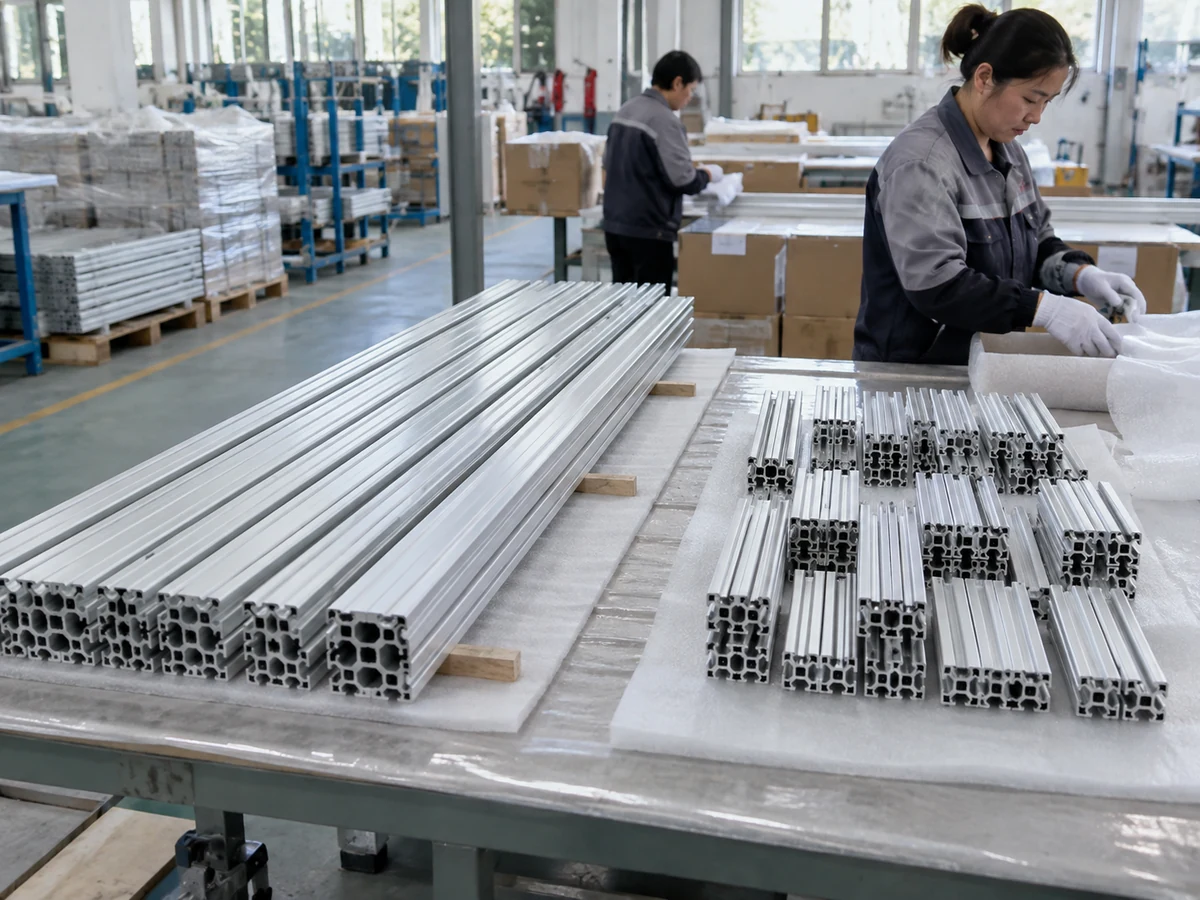
As in a controlled cut-part receiving check, when a discrepancy appears, photograph the outer package, seal or strap condition, labels, and the as-opened contents before repacking. Retain the packing list, delivery receipt, supplier dispatch notice, purchase-order release, and receiving count sheet. Link each physical bundle or container to a part number and revision. Record who counted, where, when, and by which counting method. If the carrier paperwork records only packages, avoid describing it as proof that the stated number of pieces was handed over.
Where mixed lengths or profiles share a container, count each line separately. A visually full bundle can still contain the wrong length or a mixed revision. The receiving team should keep unidentified pieces segregated until they can be assigned to the correct order line; do not silently use them to cancel a shortage on another line. The GS1 Logistic Label Guideline describes identification of logistic units; the buyer’s own order and package records still determine the actual contents and accepted quantity.
Trace the point where the numbers diverged
Compare the supplier’s final pack count with the dispatch notice and the physical package IDs. A supplier counting error, a package omitted before pickup, loss or damage in transit, and an incomplete receiving count require different remedies. Ask the supplier for the pack-stage count record and the names or IDs of the affected containers. Compare that with carrier pickup and delivery records, then recount any intact package whose contents are disputed. The aim is a documented explanation, not a quick assignment of blame.
Do not reopen sealed containers indiscriminately if doing so would compromise a carrier claim or traceability. Have receiving, purchasing, quality, and logistics agree who will witness a recount and how evidence will be preserved. If the lot identity cannot be reconstructed, hold the uncertain pieces apart from accepted stock until disposition is authorized.
Keep the usable supply decision separate from the claim
A short shipment can interrupt assembly even while the carrier and supplier investigate. Determine the latest date the missing accepted pieces are needed, the available conforming stock, and whether another approved lot can cover the demand. Ask for a replacement shipment date, quantity, shipping method, and whether its parts will follow the same drawing revision and inspection route. If the replacement will arrive too late, evaluate an approved alternative source, an authorized schedule change, or a controlled partial production release. None of these choices should be assumed from the original promised date.
Where the original order was intentionally split before dispatch, treat the remaining release under that approved schedule. A newly discovered short count is different: it needs an exception record and an explicit decision about the missing balance. Keep the original released quantity visible so the supplier cannot make the shortage disappear by simply reducing the order line after the fact.

Close the order and invoice only after the disposition is agreed
Record whether the missing pieces will be replaced, credited, or left as a formally accepted reduced quantity. Record freight responsibility and any expedited-cost approval separately from the unit price. Do not pay a disputed quantity just because it appears on the supplier’s invoice; use a separate invoice reconciliation record, and do not presume that payment is always based on physical receipt: the contract’s acceptance and invoicing terms govern. The SAP Help explanation of quantity variance illustrates why received and invoiced quantities must be reconciled; it does not imply that either party uses SAP.
In the 500/498/496 example, keep the two absent pieces and two rejected pieces as separate open items until each is resolved. If four conforming replacements arrive and pass inspection, update the accepted total under the agreed release and link the replacement delivery to the original exception. If a credit is chosen instead, record which portion of the purchase-order balance is closed and whether a new release is needed for production. A credit memo alone does not put missing parts on the line.
How to prevent another aluminum cut-part short shipment
To prevent another aluminum cut-part short shipment, ask the supplier to state the counting unit, pack quantity, label fields, cut-part revision, and dispatch evidence for each line. Define the receiving count method and the time allowed to report a discrepancy. State who can authorize a recount, replacement, credit, or quantity amendment. If replacement lead time is critical, identify the escalation contact and the minimum information required for an urgent decision. These are buyer and supplier agreement points, not guarantees that every shipping loss can be prevented.
A useful closure note answers five questions: What was released? What was declared shipped? What was physically received and accepted? What evidence explains the difference? How and when will the remaining obligation be closed? Once those answers are linked to the purchase order, receiving can keep accurate stock, purchasing can resolve the commercial balance, and production can plan with the quantity actually usable.
General equipment video
The following video from the Jiurun Machinery channel shows general aluminum saw equipment footage. It is only a process illustration. It does not document this shortage, a customer shipment, the material or model configuration in this article, a trial cut, measurement, accuracy, or throughput.
Request a cut-part supply review
If you are comparing outsourced aluminum cutting supply with an in-house saw process, send JiurunCut the profile drawing, revision, material and stock form, length and quantity mix, acceptance rules, packing format, and delivery cadence. We can discuss what the cutting and handling scope would need to cover. Request a documented proposal and a trial plan for your actual material before treating any equipment example as evidence for your job.