
Air cargo pallet edge rail cutting is a component-manufacturing decision, not permission to substitute a rail in a flying unit load device. A pallet maker may buy an approved complete pallet, source an approved prepared rail, or retain cutting of a released extrusion blank. These routes differ in tooling, traceability, remaining operations and acceptance responsibility. The useful saw inquiry begins by naming the exact rail family and the point at which the receiving process accepts the cut blank.
Public product examples show why a generic “pallet rail” is insufficient. PalNet describes a PLA pallet with an aluminum plate, four edge rails and a continuous seat track, joined to corners and the plate. Taiwan Fylin describes a PAG pallet with extruded aluminum edge rails. Those are different manufacturers’ products, not Jiurun customer projects, interchangeable drawings or authorization to reproduce their parts. Their published finished-pallet dimensions and ratings are not blank-length or cutting-machine specifications.
Decide whether cutting belongs in the retained scope
Start with three purchasing routes. A complete approved pallet transfers the finished unit and its documented acceptance from its supplier. A prepared rail or approved spare has its own configuration and receiving requirements. A raw cut blank is only the output of one operation in a controlled manufacturing route; profiling, corner preparation, holes, surface treatment, joining, identification and final product verification may remain. Compare cost only at the same accepted handoff. A low cut price cannot be compared directly with a delivered and approved pallet.
If the question concerns repair of an in-service pallet, use the applicable OEM and operator maintenance documents and authorized repair process. A photograph or a measured old rail cannot establish a qualified replacement. This article addresses how an authorized manufacturer or approved component supplier can specify a potential stock-cutting step; it does not provide a repair instruction or an aviation approval route.
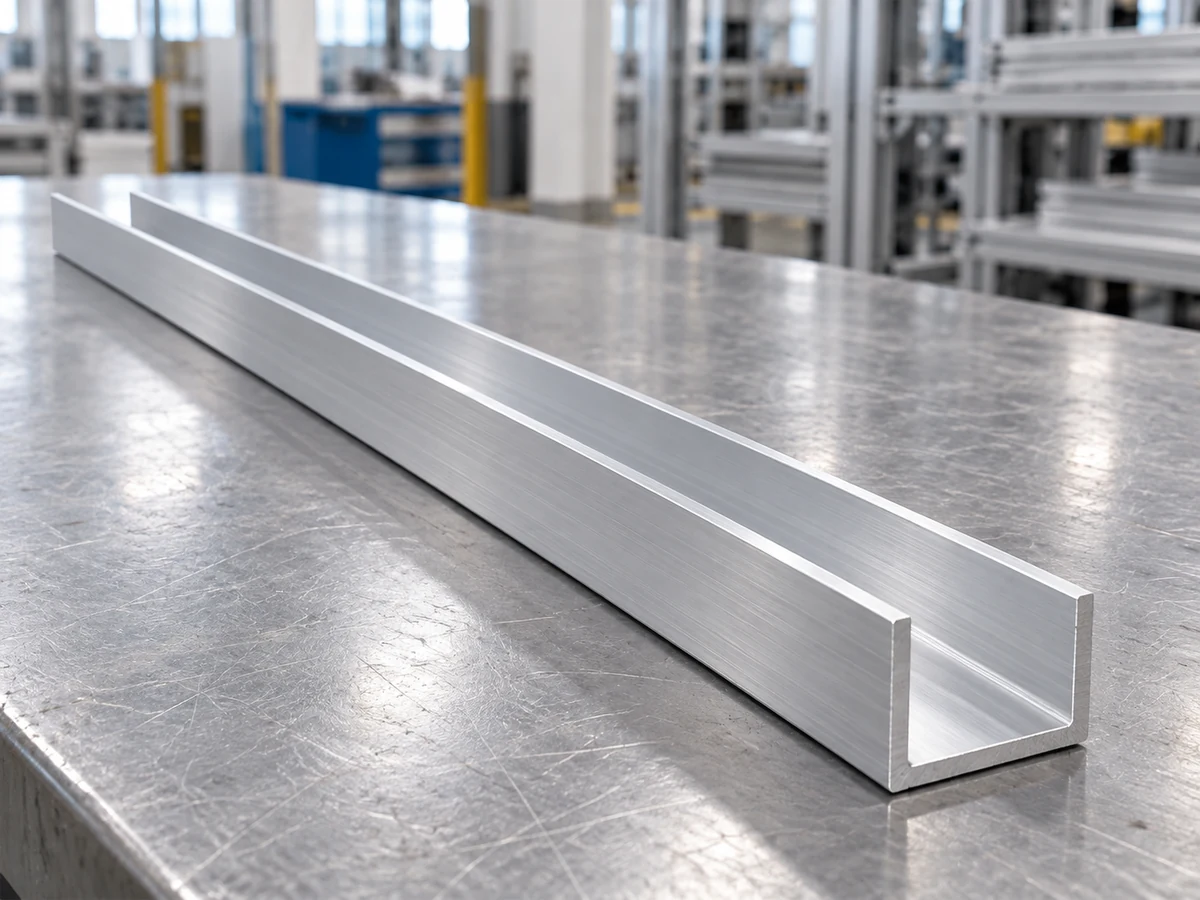
Seven checks for an air cargo pallet edge rail cutting RFQ
1. Identify the approved input, revision and part family
Provide the controlled drawing and part number for each rail family, not only the pallet code. State the approved alloy, temper, extrusion section, stock condition and revision exactly as released by the responsible engineering authority. Do not transfer an alloy from a public PalNet or Fylin example to a different pallet. List long and short sides separately if their stock, features or length references differ. Include whether the input arrives bare, anodized, coated or otherwise prepared, because surface condition changes contact and appearance acceptance.
2. Define blank length from the receiving datum
Show which end face is datum A, which face is cut, the allowed end geometry and the way length is measured on the blank. Do not derive saw length by subtracting a guessed corner dimension from overall pallet length. Corners, side locks, track features, plate overlap and later machining can change the relationship between the finished outside envelope and a raw member. If the rail is supplied with machining allowance, mark the allowance and the operation that removes it. A representative part drawing or approved sample is more useful than a finished-pallet brochure.
3. Map seat-track and corner interfaces without claiming the saw makes them
A profile with a continuous track and attachment interfaces can have asymmetric support faces. Mark the orientation in which the released extrusion may be handled, the surfaces that must remain clear, and the end region reserved for corner connection. State which later operations create any holes, recesses, identification or attachment points. The saw trial should demonstrate its own cut and handling scope only. It cannot prove the track, corner joint or complete pallet conforms to an aviation specification.
4. Trial the actual support and clamp contacts
Ask the equipment supplier to review the longest stock, shortest accepted cut piece, available infeed space, support spacing and discharge route on a stopped machine setup. An open or thin wall can deform or mark where a generic clamp contacts it. A long extrusion can also move if its overhang is not supported. Require a representative trial using the released section and finish, with the buyer’s approved contact restrictions. Do not infer suitability from a machine name or from footage of a different profile.
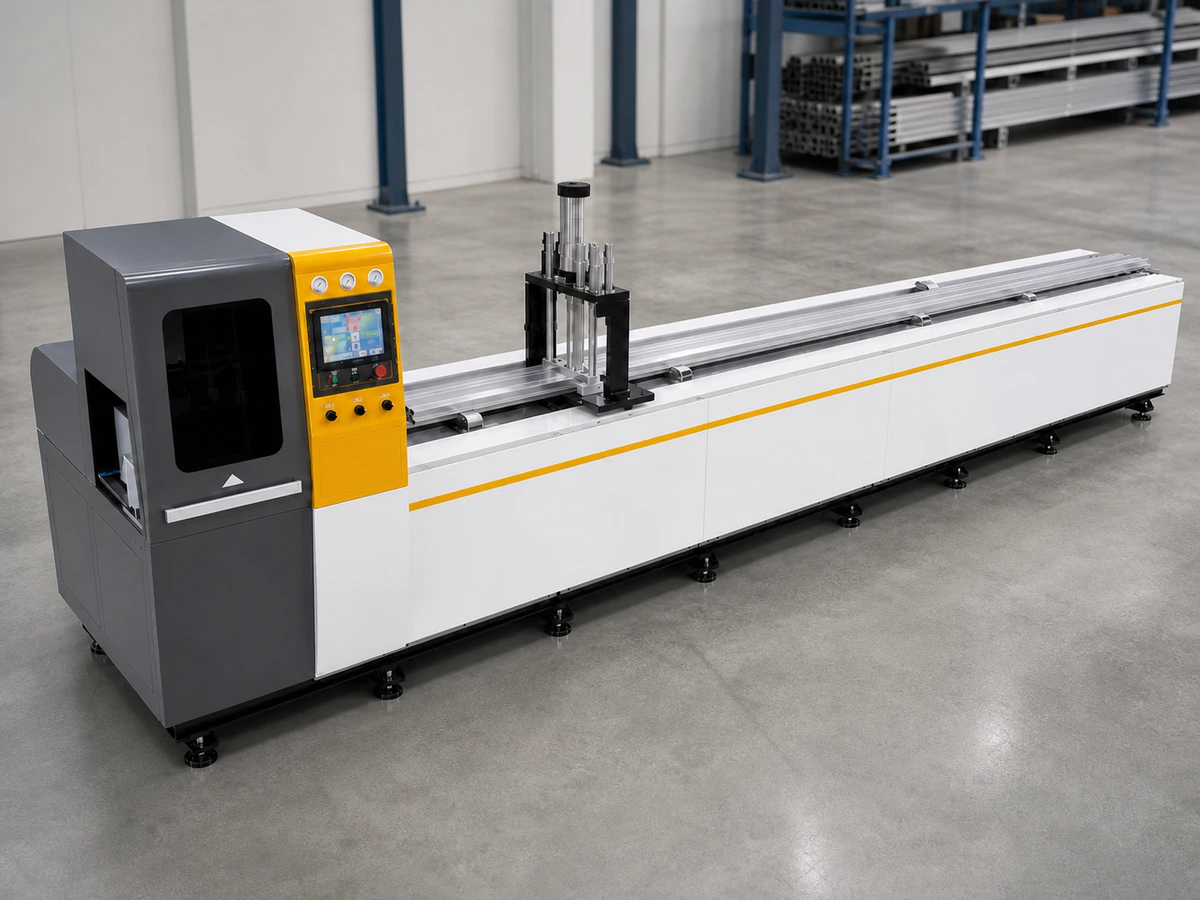
5. Record first-off cut quality separately from product approval
For each meaningful rail section and finish, identify the first-off piece by lot, drawing revision, program and operator record. Measure the released datum-to-end length and end angle. Inspect burrs, sharp edges, wall movement and damage to the visible or functional faces against the buyer’s actual criteria. The receiving team should check whether the cut blank can enter the next controlled operation. That evidence supports acceptance of a cutting step; it is not evidence of a complete pallet’s strength, restraint function, airworthiness or certification.
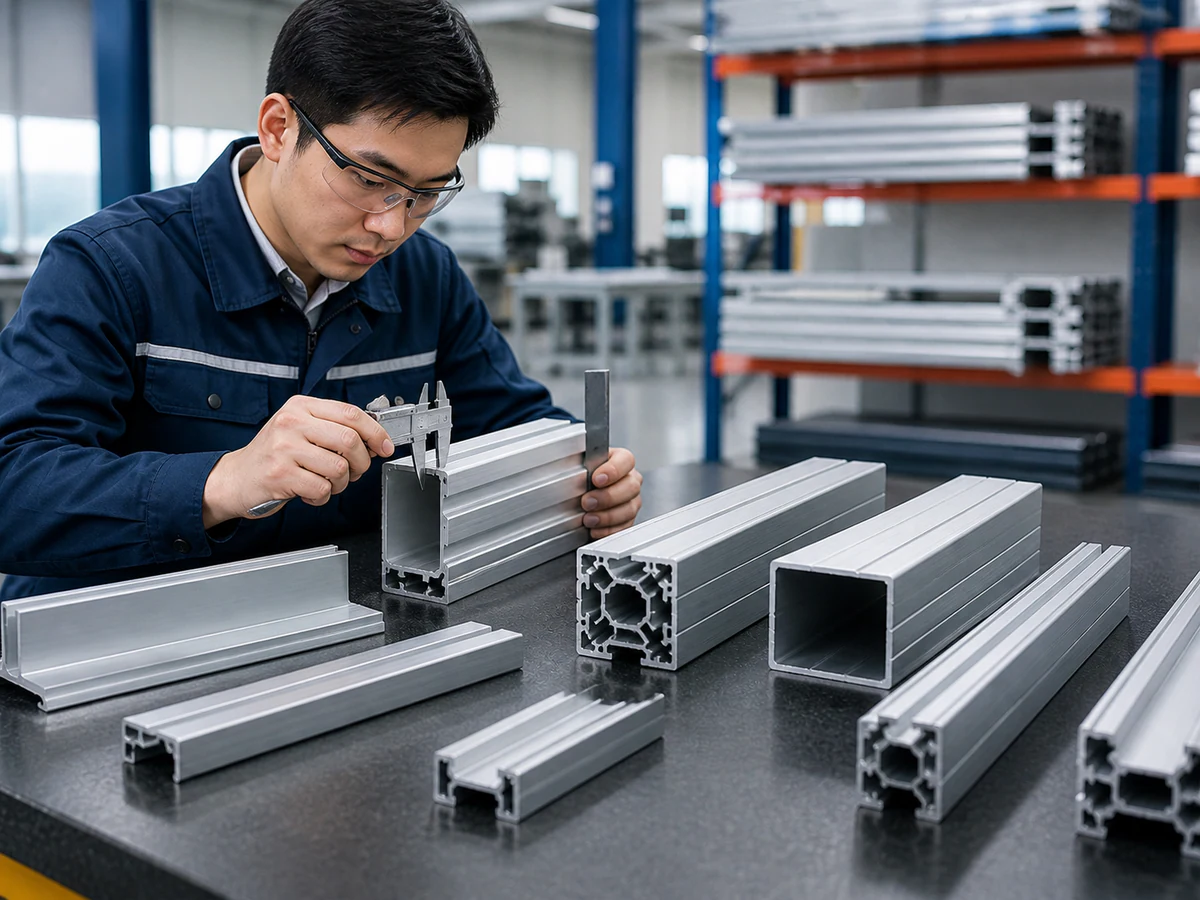
6. Keep the cut pieces linked to the correct assembly set
A four-sided frame may need more than four visually similar blanks. The approved bill of materials decides the quantity, orientation, handedness and associated corner or attachment parts. Label long and short rails, revision, input lot and first-off approval status before a batch is mixed with bought plate, corners and fasteners. Agree who controls a changed rail revision and what happens to previously cut inventory. Sorting only by finished length can hide a wrong section or an obsolete interface.
7. Compare alternatives at the same accepted stage
For in-house cutting, count approved input stock, setup, representative trial, cutting, inspection, rejected pieces, labeling, packing and the downstream operations needed before the receiver accepts the rail. For a bought prepared rail, include supplier qualification, receipt checks and any remaining assembly work. For a complete pallet, compare the finished-unit price and its applicable supply documentation. Include the expected mix and batch size, not merely an annual total. The decision is whether owning this controlled cut operation improves the approved manufacturing route; no generic savings percentage follows from these examples.
What to send a saw supplier
- Controlled rail drawings and revisions for each long- and short-side family, with released stock section, material and finish.
- Cut-blank datum, length range, end shape, later machining allowance and first-off acceptance criteria.
- Current stock lengths, batch sizes, annual and peak-period quantities, and expected changeover mix.
- Protected track and appearance surfaces, permitted support and clamp contact areas, and available floor space.
- The exact receiving stage: cut blank, prepared rail or complete pallet; identify who owns subsequent joining and product-level verification.
- A representative material set for a documented trial and the person authorized to accept the cut-operation result.
Jiurun supplies industrial circular saw equipment for aluminum and other nonferrous stock. A machine or fixture recommendation for a particular edge rail requires the released material, section, cut geometry and acceptance criteria. Review the aluminum profile cutting equipment category as a starting point, then verify the real application rather than treating a generic catalog image as qualification.
Related machine view
The Jiurun JR-455Q video below is a related view of aluminum-cutting equipment. It does not show the pallet rail, material, machine configuration, customer, first-off cut or performance described in this guide.
Next decision
If the organization buys complete approved pallets, keep that route unless the authorized manufacturing program has a reason to retain rail work. If it owns a released edge-rail blank, send Jiurun the controlled section, cut dimensions and trial criteria for a machine discussion. The separate guide to cutting finished aluminum profiles can help frame surface-handling questions, but it cannot replace the pallet program’s own acceptance documents.