
3003 aluminum sheet needs a complete material description before an order can be compared or released. Keep the alloy, temper, thickness, size and product specification together. Then identify the condition of the blanks required by the next operation.
A line that says only “3003 aluminum” leaves several purchasing decisions open. This guide explains the material’s basic context and three checks that help turn that short label into an understandable inquiry.
An order line to complete
Please quote 3003 aluminum sheet in [approved temper], [specified thickness and permitted range], supplied as [sheet or defined blanks], to [applicable product specification]. Include [required material records], [surface requirements] and [quantity]. List proposed alternatives separately.
The brackets are fields for your released requirements. They are not suggested values. Add the part drawing and revision if the order includes cut blanks, holes or formed features.
What 3003 aluminum sheet represents
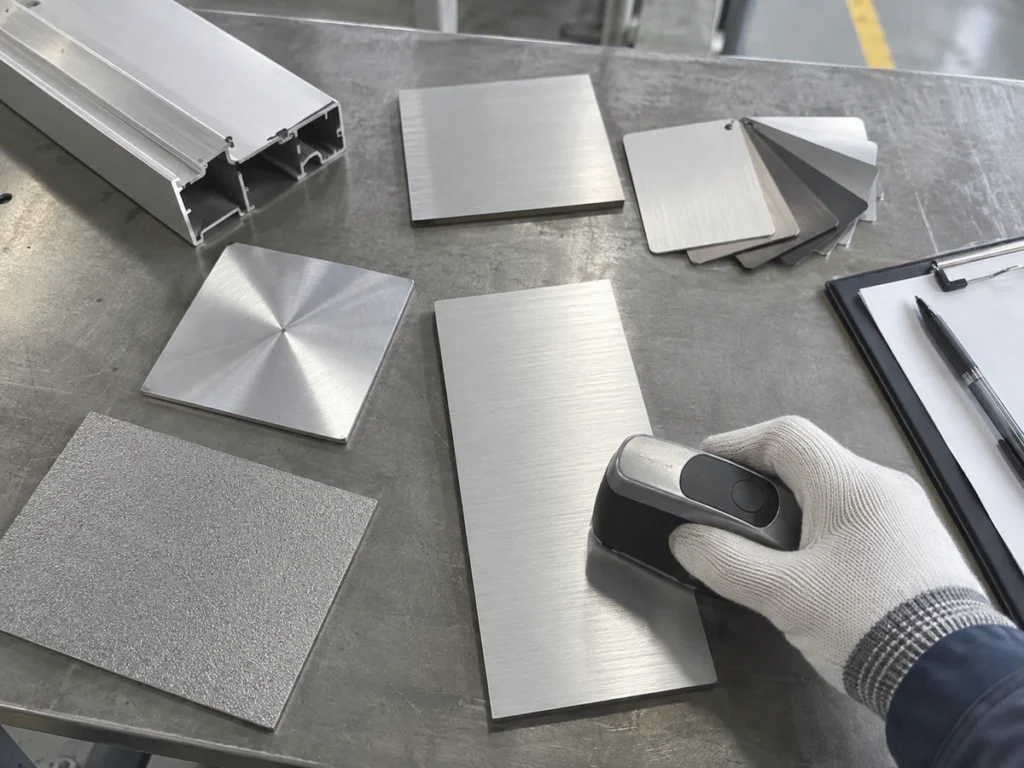
Atlas Steels’ 3003 data sheet describes an aluminum-manganese alloy available in flat-rolled coil, sheet and plate. It is not hardened by heat treatment; cold working produces H tempers, and an annealed O condition is also available.
The supplier describes useful corrosion resistance and forming characteristics, with applications including decorative trim, awnings and storage equipment. Those broad uses do not approve a material for a particular load, chemical exposure or part geometry.
Atlas also distinguishes the flat-rolled product scope of its property table from other product forms. Its bending recommendations depend on thickness and temper and are not guaranteed for every equipment and tooling arrangement.
Use that context to ask better questions. The alloy number is the beginning of the material definition, while the actual supplied condition and approved drawing determine what the buyer should order.
Check 1: preserve the temper and product form
Compare the required material line with the supplier’s offered line. If the drawing specifies a temper and the quote omits it, request the complete offered identity before evaluating price. Do not infer the condition from a photograph of the stock.
A supplier may offer a different temper because it is available sooner. Record that proposal as a difference requiring the responsible material and manufacturing review. Similar outside dimensions do not establish that the alternative supports the same next operation.
The H14 vs H32 temper guide explains why the condition code belongs beside the alloy number. Keep the approved complete identity through the purchase order and the receiving record.
Clarify the supplied form too. A coil, a full sheet and a package of separated blanks involve different delivery scopes. Ask what preparation the quotation includes and what condition the next supplier will receive.
If the order needs flat blanks, specify those blanks rather than leaving the receiving team to turn an unspecified stock offer into the part requirement. State whether the supplier’s scope stops at stock supply or includes the identified preparation.
Check 2: define the dimensions at the supplied stage
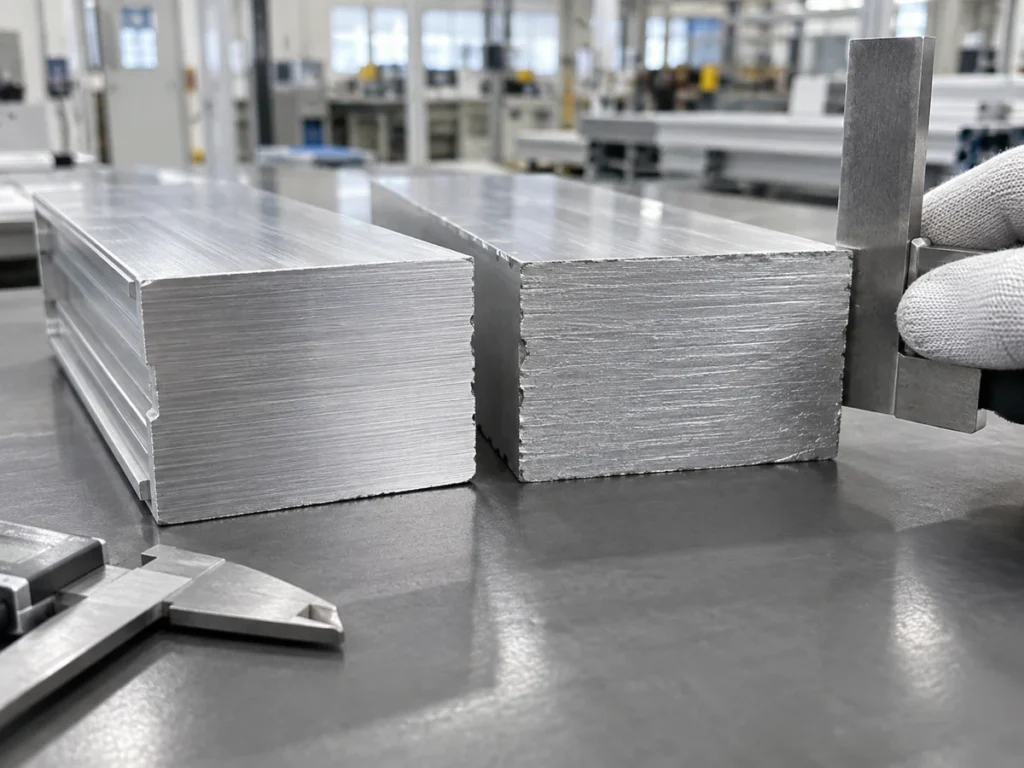
Keep stock dimensions and finished-part dimensions clearly labeled. A drawing of a bent cover describes a later shape; the cutting supplier needs the approved flat blank or flat-pattern requirement for its own delivery stage.
List thickness, width and length with their units and permitted variation. Where an outline contains local details, send the controlled drawing instead of describing it only as a rectangular panel in a purchasing spreadsheet.
Include orientation and face requirements where the design calls for them. Our aluminum grain direction guide explains how a source-material direction and a cosmetic finish direction can require separate records.
Do not select a bend radius from the alloy name alone. Give the forming team the material identity, thickness, geometry and drawing requirements. Have it approve the actual forming plan and the flat pattern used upstream.
A fictional document mismatch
Imagine an invented cover drawing that specifies 3003-H14 and identifies a later bending operation. The RFQ contains the correct material note, but the supplier’s quote says only “3003 sheet, blanks included.” There is no stated blank revision or temper.
The buyer can separate the two open items: the offered material condition and the included blank geometry. Ask for both fields to be completed. Neither should be guessed from the fact that the supplier has quoted the same alloy number.
If the supplier then proposes O-temper stock, send that specific alternative to the responsible reviewer. Keep the original requirement visible until an approved decision establishes which material and blank drawing to issue.
Check 3: connect the delivered blanks to their records
At receipt, match the package identity to the order line and accompanying material documentation. If the requirement includes a particular inspection or certificate, confirm that the delivered record addresses the actual supplied item.
Keep catalog information separate from batch evidence. A data sheet describes a product and its stated scope; it is not a measurement report for the blanks in the receiving area. A supplier’s general material description should not be relabeled as a test result.
Agree how the material reference remains with separated pieces. Where visible faces must stay unmarked, define an acceptable labeling or packaging arrangement. Keep similar-looking stock with different approved identities distinguishable.
Also state the required surface and edge condition at delivery. If deburring, protective film or another preparation is included, identify its scope in the order. Describe any area that must remain suitable for the next process.
Three questions before comparing the total price
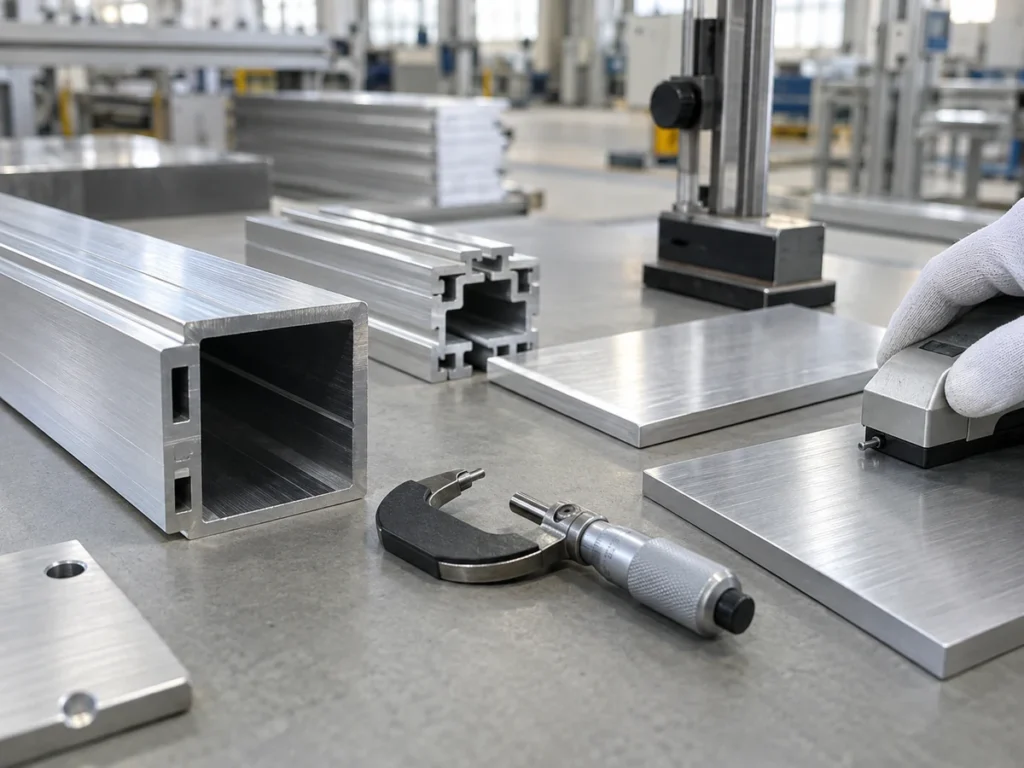
- Is the offered alloy and temper the approved material identity?
- Does the price include the required supplied stage and blank drawing?
- Are the documentation, surface condition and handling requirements included?
List exclusions beside the offer so they remain visible when choosing a supplier. If a later operation is quoted elsewhere, keep that handoff and its incoming requirements explicit.
Common buyer questions
Does a 3003 label identify the complete sheet requirement?
Keep the temper, dimensions, product reference and delivery condition with it. The short alloy label leaves those fields unresolved.
Can a general application list approve my component?
Have the responsible team assess the real drawing and service conditions. A listed use is background information, not a completed project assessment.
Can this guide confirm a saw configuration for sheet blanks?
No. Send the actual supplied form, geometry and cutting scope for an equipment review. A material name alone does not establish a compatible feeding or cutting arrangement.
Contact JiurunCut with your cutting-stage drawings, material identification and quantities. Explain the downstream forming or machining requirement when it constrains the incoming blank.