
Acoustic emission monitoring for aluminum saws can sound like a shortcut to knowing when a blade needs attention. A sensor may register changes during cutting, but a buyer still needs to know whether those changes distinguish a worn edge from a different extrusion, feed setting, clamp condition or chip load. The purchase decision is therefore a trial design: what signal would cause an operator to inspect the blade, and what evidence would justify that action?
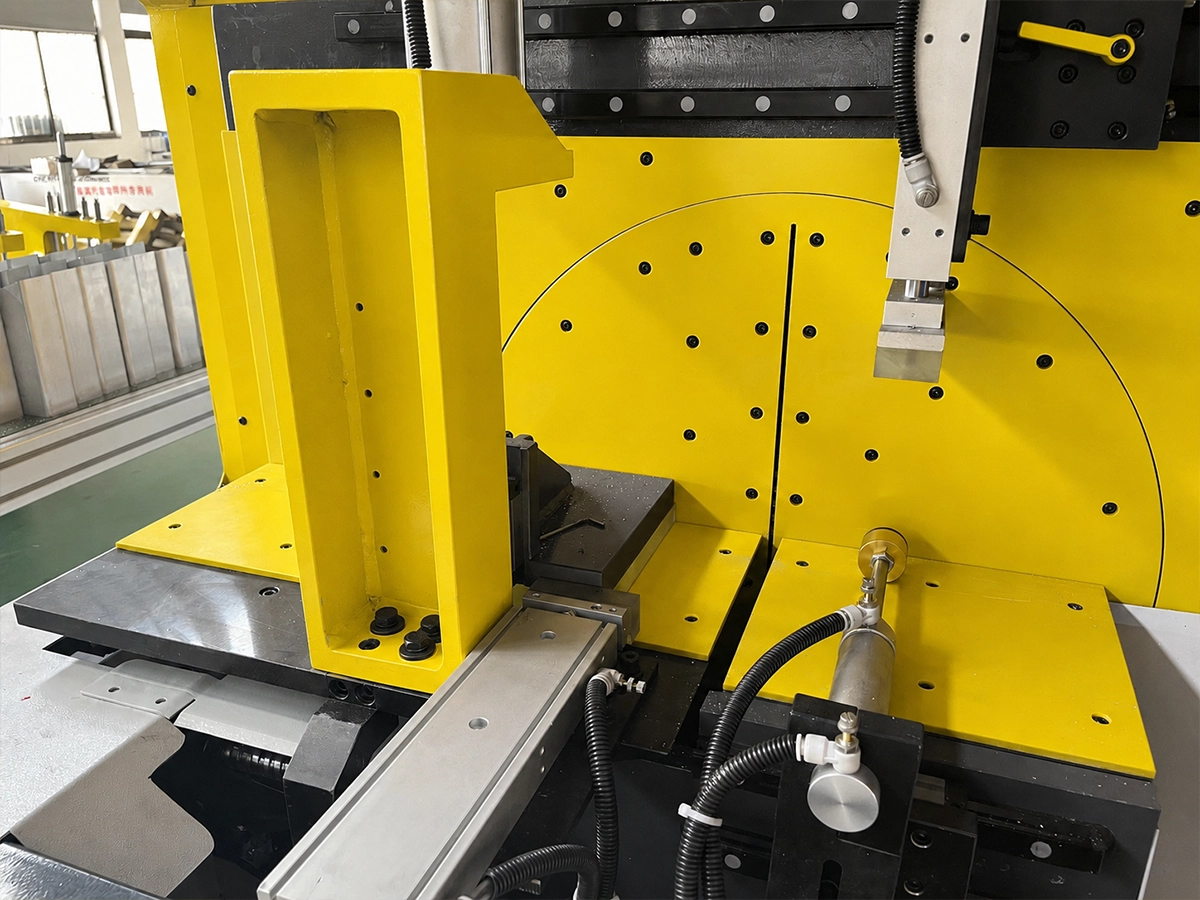
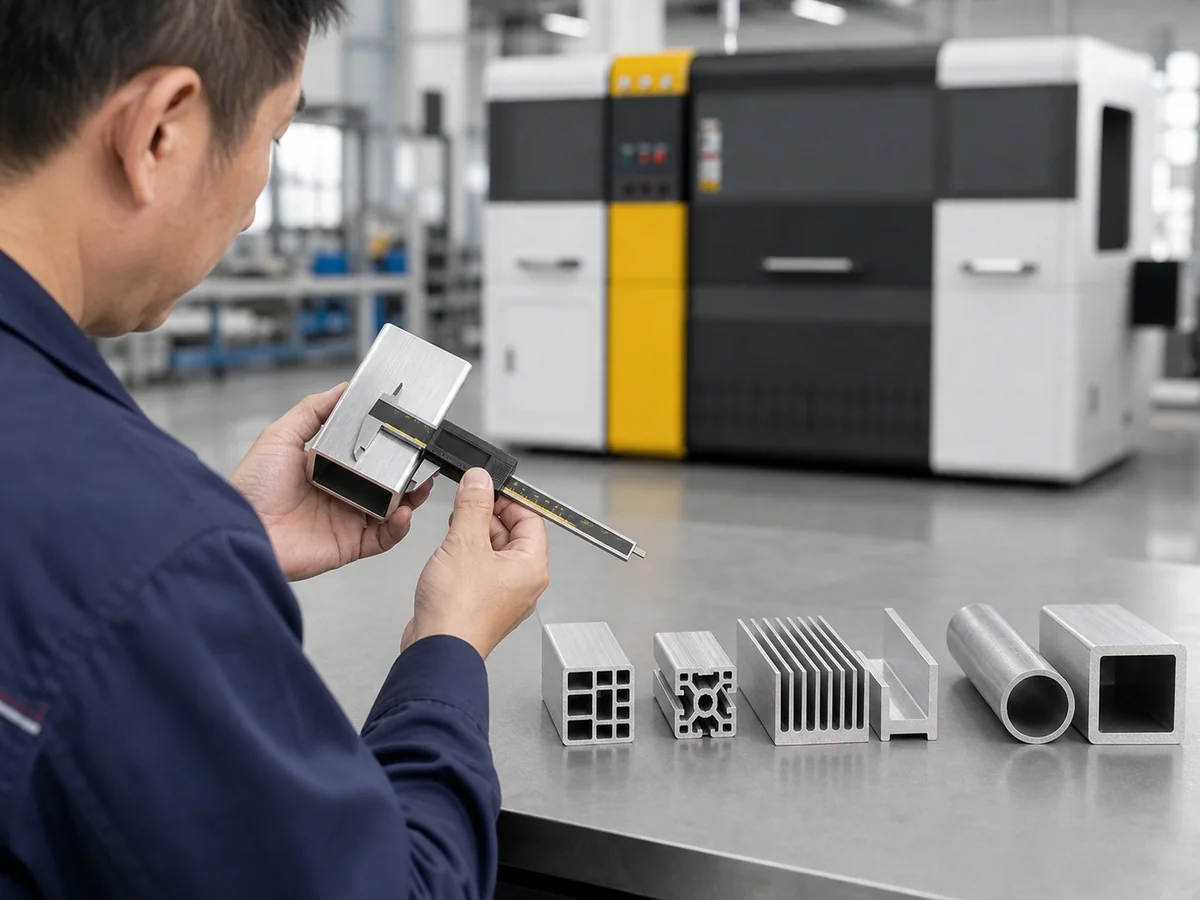
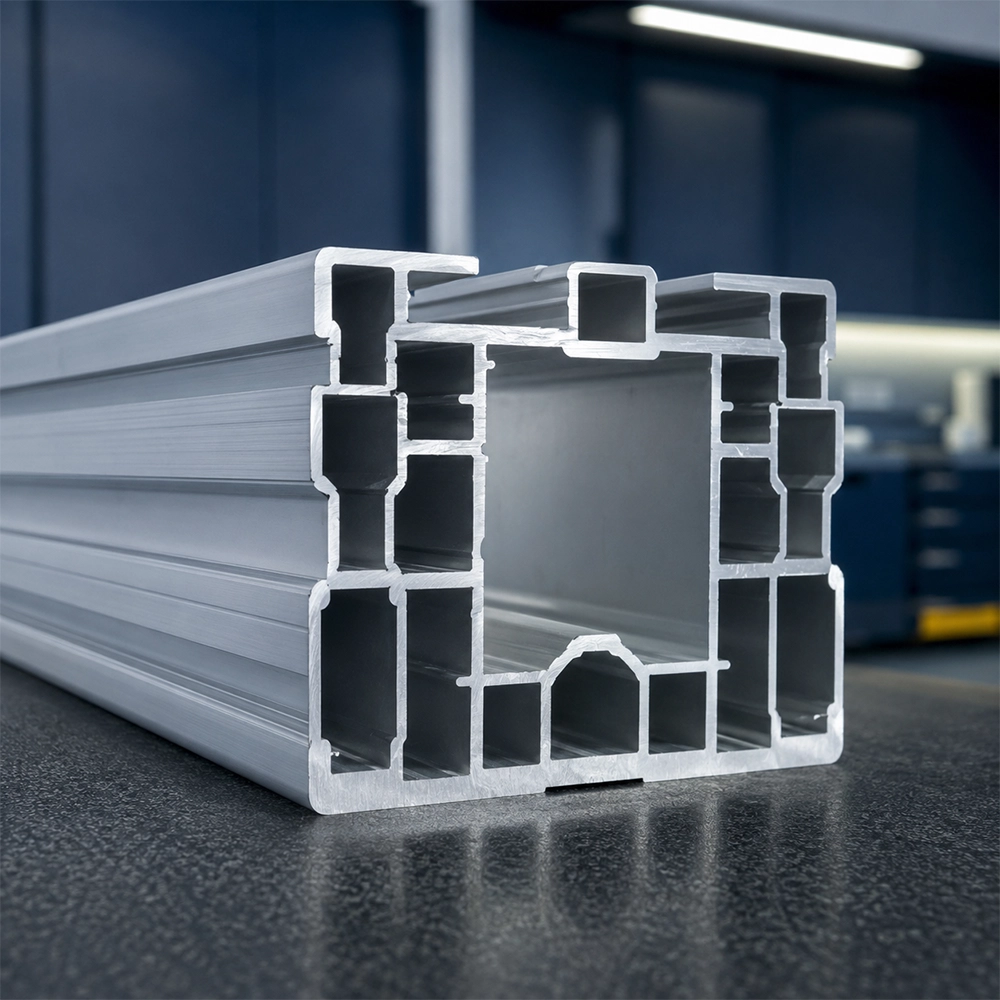
The machine and sample photographs below are related illustrations. They do not show an acoustic emission sensor, a Jiurun monitoring option, a tested customer profile or a measured result.
Define the decision before choosing a sensor
Write down the event the system is meant to catch. A missing tooth, gradual edge wear, chatter and an unacceptable cut face are different outcomes. They may not generate the same signal or need the same response. If the aim is to avoid scrapping parts, define the observable part defect and the inspection interval first. If the aim is to protect the machine, define which event should stop the cycle and who can restart it.
Do not treat acoustic emission (AE) as ordinary audible noise. AE sensing captures stress-wave activity associated with cutting and tool-workpiece contact; its interpretation depends on the sensor location, measurement chain and operating conditions. A 2026 review of saw-process monitoring research describes AE as one possible sensing method and notes environmental sensitivity, signal noise and calibration challenges. It is research context, not evidence that a particular aluminum saw has a validated AE package.
Acoustic emission monitoring needs a repeatable baseline
Ask a supplier to log a baseline cut with a known blade condition and one approved aluminum profile. Record the blade identity, alloy and temper, section orientation, feed and speed settings, lubrication state, clamp arrangement, and the sensor mounting position. Repeat cuts before changing one variable. Without these notes, a later alarm may be impossible to interpret.
Make the trial include your demanding production cases: a thin wall, a heavy section or a different cavity pattern where applicable. The point is not to claim that one sensor threshold fits all profiles. Cutting variables can affect AE measurements; published metal-cutting research on 6061-T6 aluminum reported dependence of AE signal energy on cutting conditions. That study used controlled orthogonal cutting, so its numbers cannot be transferred to a circular saw quote. It supports the need to control and record conditions during your own test.
Demand labeled events, not a clean-looking trace
A screen plot alone is not an acceptance result. For each trial cut, retain the recorded signal, the blade inspection, the cut-part inspection and the operator action. Mark when the blade enters and leaves the material. Separate normal startup, idle rotation, stock contact and actual cut time. Then compare a known-good condition with a documented suspect condition that your team would normally investigate.
Agree what constitutes a false alarm and a missed event. An alarm during a harmless profile change can cost operator time; a quiet signal during a bad cut can cost parts. Ask how the threshold is set, who may change it, whether changes are logged, and how a shift handover preserves the accepted baseline. A supplier should be able to show the rule and the evidence behind it, rather than promise a universal blade-life number.
Put the response and ownership into the quotation
Specify whether the system only displays a trend, alerts an operator, prevents the next cut, or stops a running cycle. These are materially different integrations. The quotation should identify the sensor, mounting, cabling, controller or data interface, dashboard, retained records, training and spare parts. Ask who will re-establish the baseline after a blade change, sensor replacement or program revision.
For a small number of stable jobs, disciplined blade inspection and cut-part checks may be simpler than an automated AE package. For high-volume or difficult-to-observe cutting, a tested monitoring system may be worth evaluating. Compare the extra system cost with the actual cost of inspections, rejected parts and interruptions in your plant. A blade-life counter answers a different question: what has been counted, not whether today’s cut signal identifies a defect. A spindle-load display trial also measures a different input. Ask which measurement changes the decision you need to make.
A practical acceptance record
Before releasing an AE option, require one record containing the job and blade identifiers, sensor position, configuration version, labeled signal for each cut, physical inspection results, alarm decision, response time, reset authority and unresolved exceptions. Witness both a normal production sequence and a deliberate change that should trigger investigation. If the demonstration cannot separate the two under the agreed conditions, keep the option open rather than accepting a threshold because the graph looks different.
Do not use the monitoring signal to bypass guards, blade run-down checks or the normal inspection procedure. Agree the alarm’s place in the existing safe operating sequence with the machine integrator. The acceptance criterion should state what the system has actually demonstrated on the buyer’s parts and what remains a manual check.
Related Jiurun saw video
The Jiurun machinery video below shows general automatic aluminum profile feeding and cutting. It does not show an AE sensor, the three photographs’ machines, a blade-wear comparison, a customer trial or monitoring accuracy. Use it only to understand the cutting sequence that a monitoring trial would have to label.
Send a testable RFQ
Send JiurunCut your profile drawing, alloy and temper, blade and job mix, rejected-part definition, inspection method, planned cutting volume and the event you want to detect. Ask whether a monitoring option can be integrated for the specific machine configuration, who supplies and validates it, and what witnessed cuts would establish an acceptable alarm rule. Keep the requested result tied to your parts and operating conditions.