
The cut face is where a factory-filled profile becomes a purchasing question. An aluminum window or door member may look like an ordinary hollow extrusion from the outside, yet its chamber could already contain a fire-protection filler before it reaches the saw. If the drawing, filler specification and accepted end condition are missing, a clean aluminum edge alone cannot release the part.
This guide treats foam-filled aluminum profile cutting as a controlled stage in a window or door system. It helps a fabricator and a saw supplier agree on what enters the machine, what must remain visible at the end, and which authority can approve the result. It does not turn a saw demonstration into a fire-resistance claim.
Establish whether filling happens before cutting
Start with the system owner’s approved profile drawing and process route. Mark the chamber containing the filler, the required member length, the location of the final joint, and whether a cut is permitted after factory filling. Ask whether the part arrives as an empty extrusion, a filled stock length, or a pre-cut component. These are different workpieces for clamping, chip control and end inspection.
Fraunhofer ICT’s fire protection construction note describes one route in which fire-protection foam is placed in aluminum or steel profile chambers at the factory and the foamed profiles can then be cut to length. That example establishes a possible sequence; it does not approve every filler, profile or saw. The same source discusses application-specific material behavior, so the actual system documentation must govern any proposed process.
If the manufacturer instead requires a strip or insert to be fitted after cutting, use that sequence. Do not change the order to simplify the saw operation without written approval from the system owner.
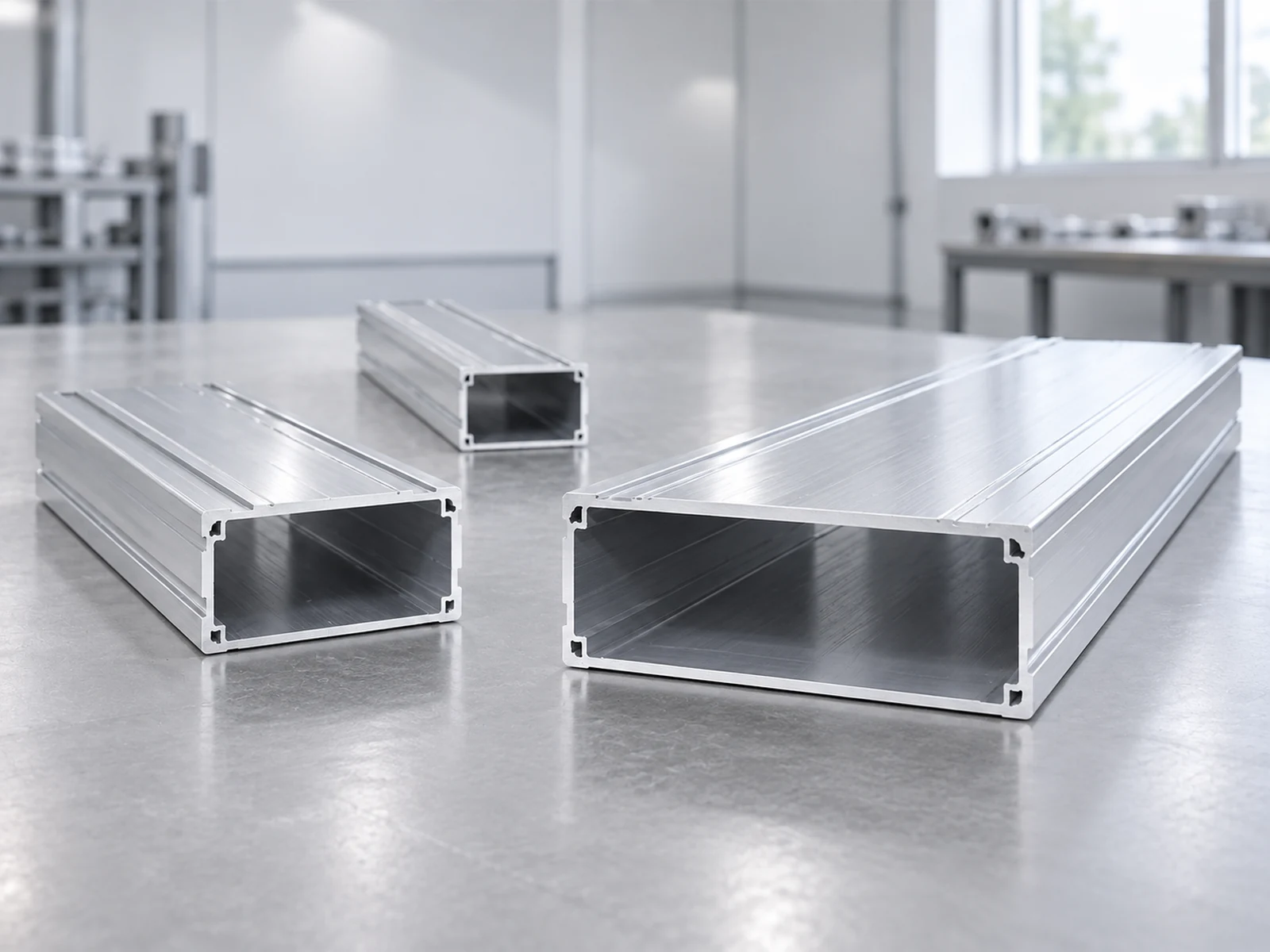
What foam-filled aluminum profile cutting must leave visible
The saw supplier can show a square, dimensionally consistent metal end, but the filled chamber adds another inspection surface. Agree beforehand how a representative sample will be viewed: the as-cut end, a close-up photograph, and, if the system owner requests it, a section or other approved inspection. Record the orientation so the inspected face can be traced to the drawing.
Look for visible tearing, pull-out, smearing, loose fragments or a gap at the filler-to-chamber boundary. Also check whether chips are trapped in an opening intended for a later joint, seal or glazing detail. These are observations to report, not universal pass/fail limits. The system owner must define what amount of exposed filler, recession or disturbance is acceptable and whether any end treatment is required.
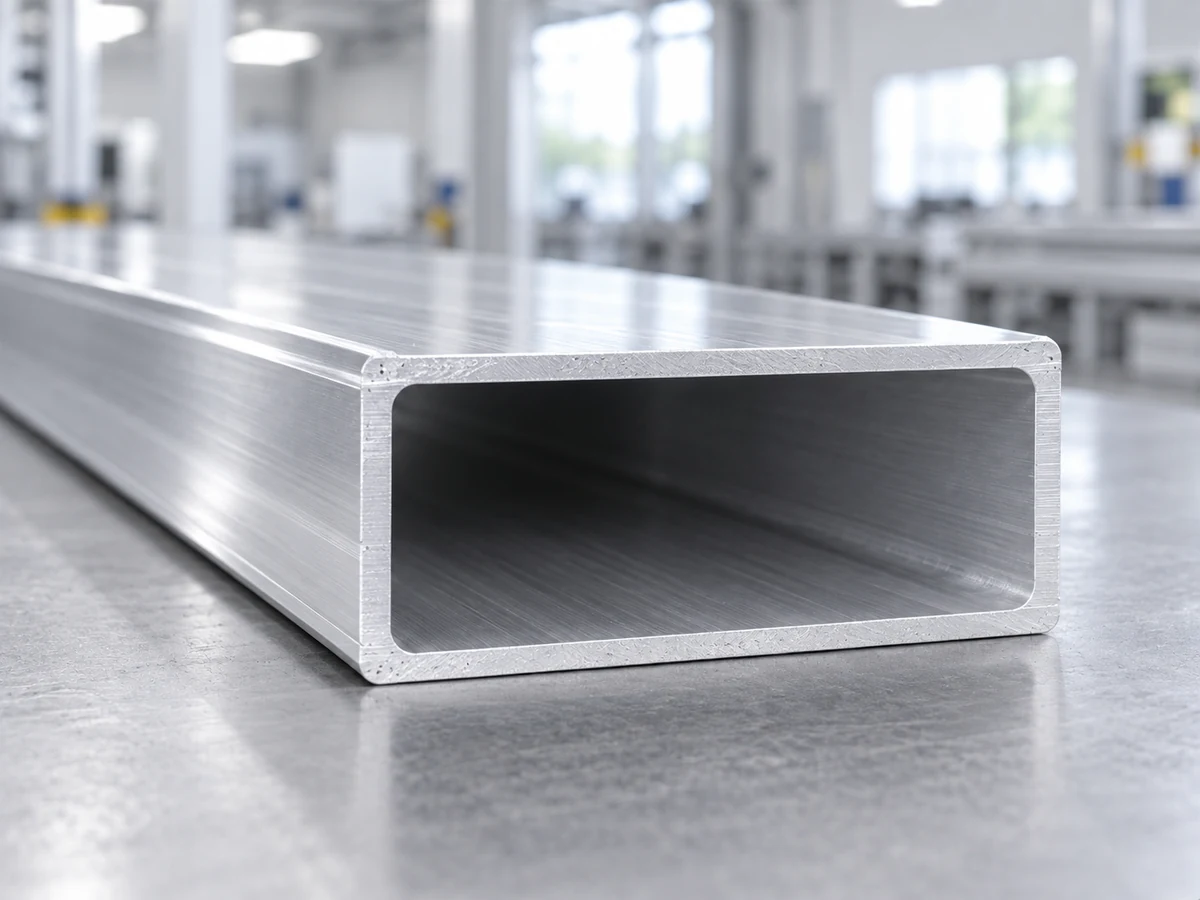
Keep three acceptance questions separate
A single phrase such as “good cut” hides who has authority over each result. Use the following separation when requesting a trial or preparing a quotation.
Metal member geometry
Request the drawing revision, length datum, angle, end condition and measured trial pieces. The fabricator and system drawing owner set the acceptance limits.
Filled chamber after sawing
Request the filler identity, approved process stage, end photographs, and disturbance and cleanup criteria. The fire-rated system or component owner decides whether the filled end is acceptable.
Saw process suitability
Request the actual stock section, clamp contact points, blade and chip-handling plan, and sample-run record. The machine supplier and fabricator assess the process, subject to system approval.
None of these records alone establishes the fire rating of a complete window or door. Rating depends on the qualified system, its specified materials and assembly, and the applicable approval route. Avoid transferring a result from a different profile, filler or joint detail to this purchase.
Design a useful sample run
For foam-filled aluminum profile cutting, send the saw supplier a sample from the intended filled stock, plus its permitted handling instructions. Identify the section orientation, maximum stock length, required finished lengths, joint type, visible surfaces and prohibited clamp areas. Confirm that the filler is compatible with the proposed cutting and cleanup method under the system owner’s instructions. If that information is unavailable, a trial on an empty profile can only show preliminary metal-handling behavior.
During a supervised run, keep the evidence modest and specific: photograph the incoming section, record the setup used, measure the metal dimensions, and photograph both ends after cutting and cleaning. Note any filler movement or residue and how the part was supported while the blade entered and exited. Repeat with the shortest and longest relevant member, or with the cross sections that change the support problem. The sample record should state its exact stock and settings; it should not imply a universal capability.
Check practical production issues alongside the trial: whether the filled stock can be loaded without crushing a vulnerable face, whether chips can be removed without disturbing the filler, and whether the finished end remains accessible for inspection. Ask the system owner to disposition any observed change before accepting the route.
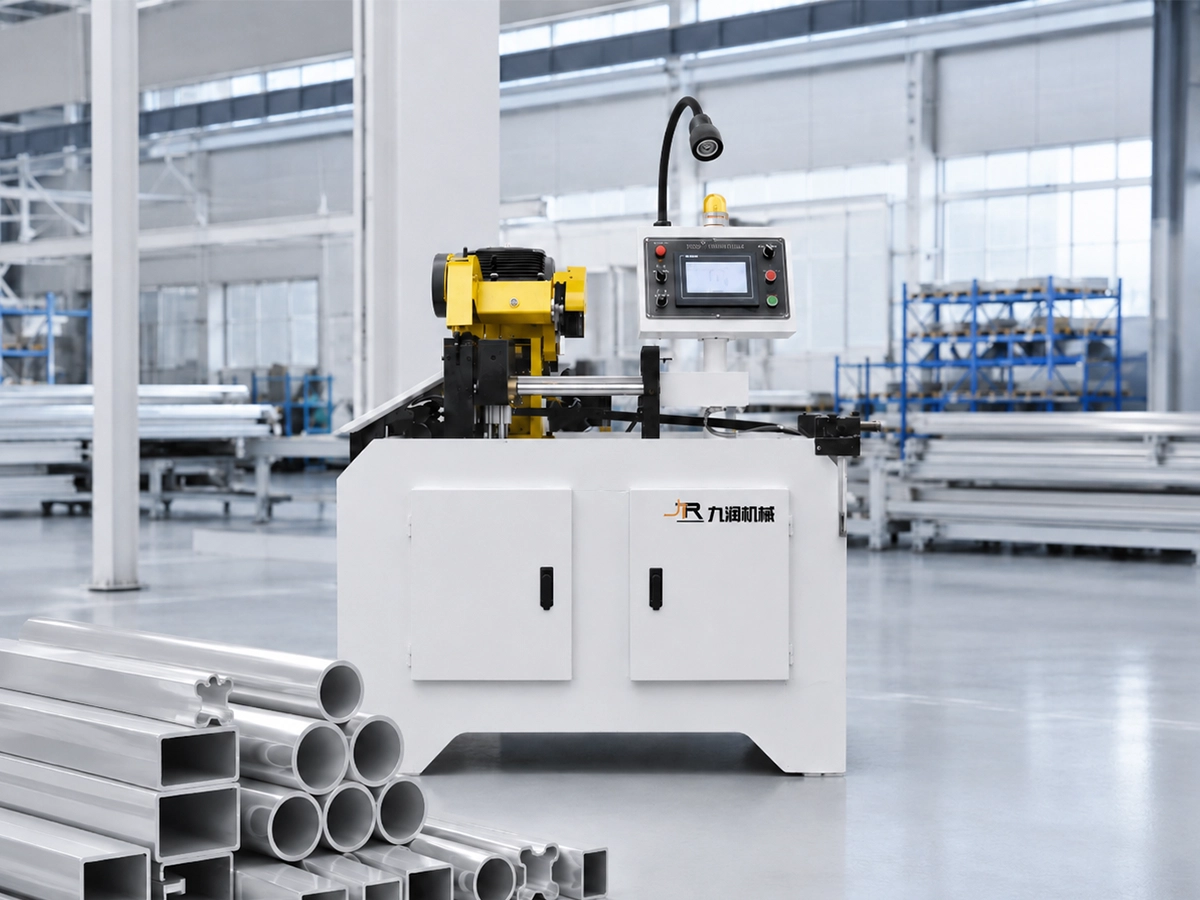
Use a machine video for the question it can answer
The Jiurun video below shows an aluminum extrusion feeding into cutting equipment. It is a related machine-handling example for discussing stock support and feeding. The footage does not show a foam-filled member, the proposed filler, a fire-rated window system, an approved cut end or a performance test.
Release the inquiry with a named decision owner
Before issuing a purchase order, obtain the system owner’s answer on whether filled stock may be cut, what the finished filled end must look like, and who signs off on deviations. Then ask the machine supplier to price the actual section range and an agreed sample run. Keep the measured metal result, filler-end observation and system approval in separate lines of the decision record.
For a wider window-fabrication supply-route discussion, see our window manufacturing saw planning guide. To discuss a specific filled-profile cutting inquiry with Jiurun, send the section drawing, material route and sample requirements. We can discuss the machine-side trial after the profile system owner has defined the permitted cut stage and acceptance criteria.