
One tooling maker describes dry sawing of non-ferrous metals. Another recommends liquid lubricant for a named aluminum blade. Those statements are not a vote to settle by majority: they describe different cutting systems. Dry cutting aluminum profiles is therefore a decision about the exact blade, saw and workpiece together. Before a buyer removes lubrication from a quotation, the two equipment instructions and the required cut-part condition need to agree.
Why two blade makers can give different answers
Leitz describes specialized tooling for dry machining aluminum and other non-ferrous metals. Its sawing reference also recommends spray lubrication when machining non-ferrous metal profiles in a stated application. In a separate example, Freud recommends liquid lubricant for its LU89M thick-stock aluminum blade. These are product-specific directions, not three universal rules for every aluminum profile.
A coating, carbide grade or “non-ferrous” label does not by itself settle the fluid question. Record the blade maker, exact designation and intended material and section. Then read the current instructions that apply to that blade. If the proposed substitution changes the blade, return to those documents rather than carrying the old cutting method forward by assumption.
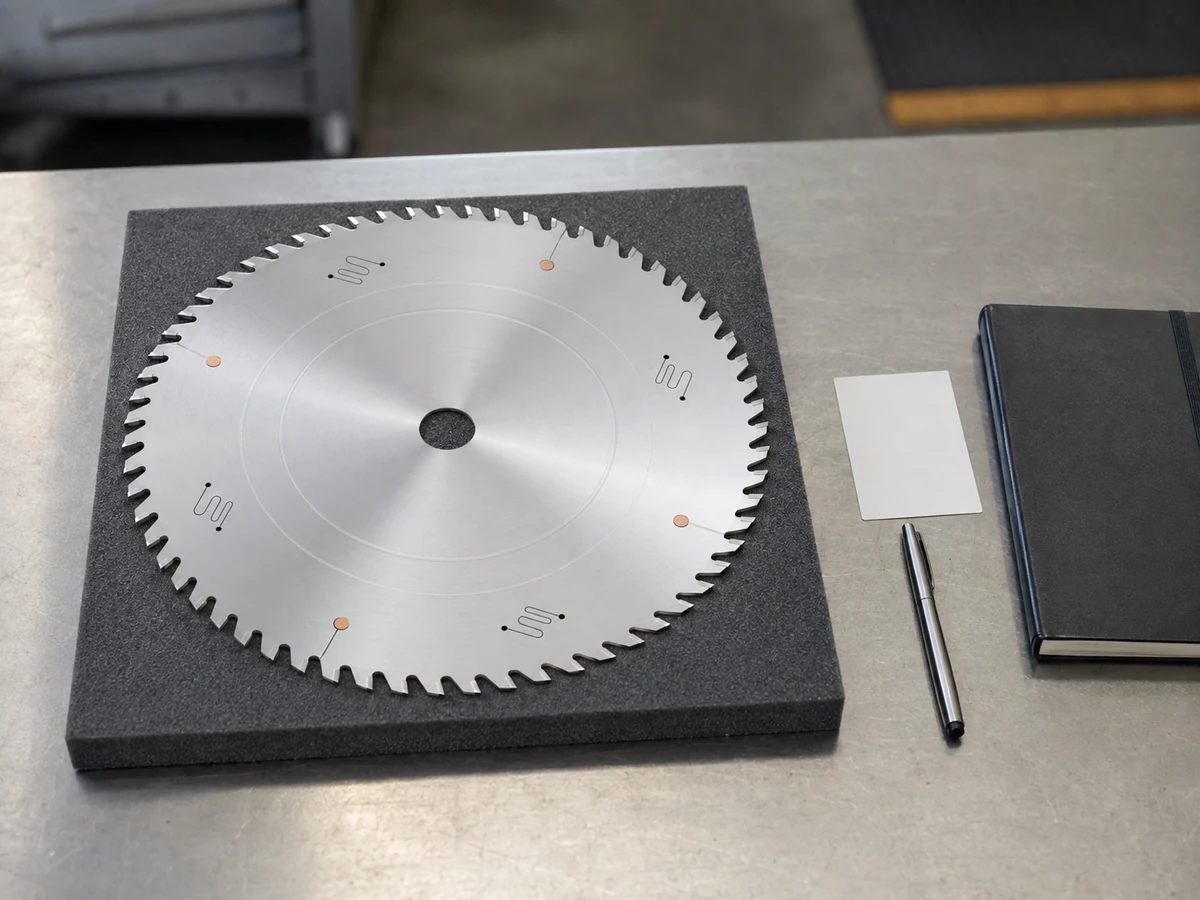
Dry cutting aluminum profiles starts with the saw manual
A blade supplier’s dry-machining range does not authorize dry operation on an arbitrary saw. Check the saw maker’s approved materials, blade compatibility, guarding, chip handling and lubrication instructions for the exact machine and configuration. Ask which document governs if a reseller’s listing, a blade leaflet and a machine manual appear to disagree. A written clarification from the relevant manufacturers is more useful than an operator’s recollection of a different job.
For example, a buyer might receive a blade proposal described as suitable for dry aluminum cutting while the shortlisted machine’s instructions require lubrication for the proposed material. That is an unresolved combination. Keep the supplied lubrication arrangement in the comparison until the machine and tooling providers confirm a compatible alternative; a demonstration clip cannot resolve the conflict.

The following Jiurun channel footage shows a saw and feeding sequence in operation. It is an equipment demonstration, not evidence that the pictured process runs dry or that a particular blade, material or finish has been qualified.
Define “dry” before comparing prices
Two quotations can both say “dry cut” and mean different deliveries. One may mean no liquid or mist is applied at the blade. Another may describe a part that feels dry after a lubricated cut and a separate cleaning step. A third may omit a flooded coolant system but still use a small amount of lubricant. Write the requested condition as a process statement: whether any fluid is applied at the cut, what reaches the part, and whether washing or drying is included before the handoff.
That distinction matters when the next operation is bonding, coating, packing or inspection. A dry-looking end face does not prove that a part meets a downstream cleanliness requirement. Put the actual acceptance criterion in the drawing or handoff specification; do not let a marketing label stand in for it.
A trial should answer a specific question
If both the blade and saw instructions permit the proposed method, define a supervised trial on the actual alloy, temper and profile section. Record the blade identity, machine configuration, cut length, support and clamping arrangement, and whether lubricant was applied. Compare the resulting cut face, burr, chip condition and downstream handling against the buyer’s stated criteria. The qualified operator and suppliers must set safe operating parameters under their instructions; this article supplies no speed, feed or fluid setting.
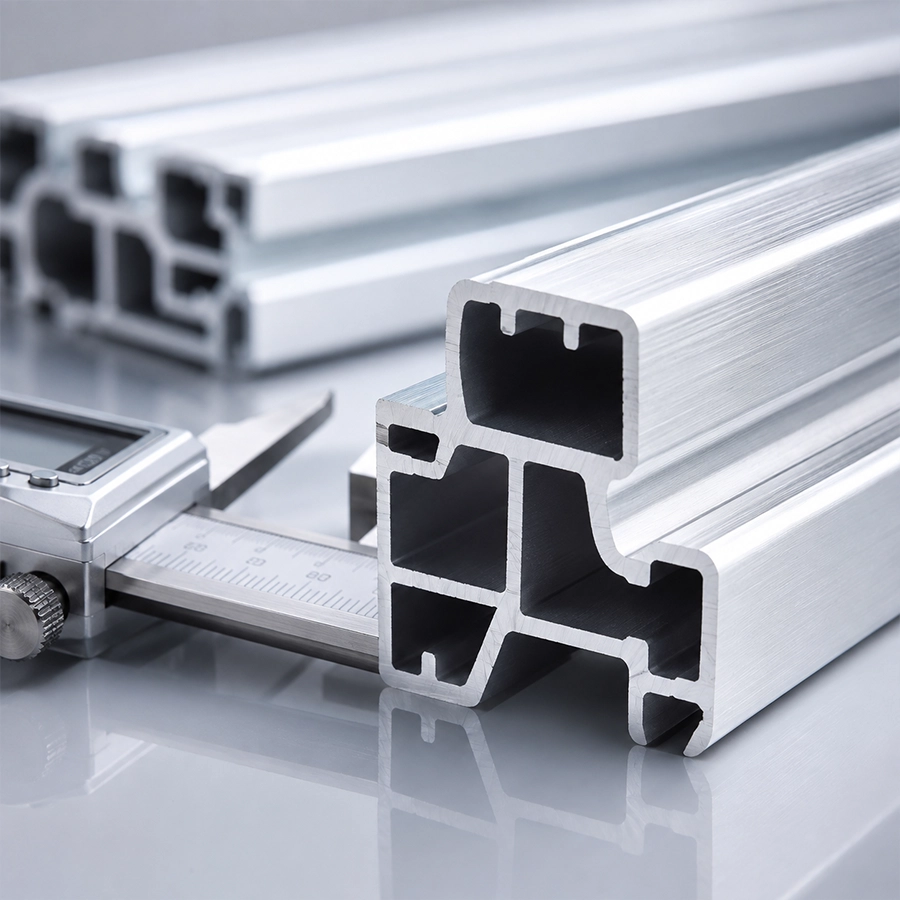
A short showroom cut can reveal machine movement, but it cannot establish blade life, all-day chip behavior or acceptance of another profile. If those outcomes affect the purchase, specify the duration and number of parts to be reviewed with the supplier. State who inspects, what is recorded and what would cause the dry-cut proposal to be revised.
The decision to record
There are three honest outcomes: the exact blade-and-saw combination is documented for the proposed dry process and the trial meets the part criteria; the documents allow it but the actual part still needs validation; or a required instruction or acceptance result rules it out. Keep that conclusion with the blade designation, machine model, drawing revision and trial record so a later tooling change does not silently change the approved process.
For a broader fluid-system buying checklist, see our aluminum saw lubrication guide. For a JiurunCut equipment discussion, send the current profile drawing, material, cut-end and downstream requirements, plus the blade and saw instructions being compared. We can review the proposed aluminum sawing step against those inputs and the aluminum profile cutting machine options. The machine and tooling providers should confirm their own approved configurations before any change to lubrication practice.