
Dental delivery arm aluminum tube cutting belongs to an OEM drawing and an agreed supply stage. A tube that supports a delivery arm may have to seat in a support center, meet a pivot or hub, and leave space for a tubing bundle. A saw supplier can quote an approved aluminum blank and its cut-end acceptance. That quote does not establish the safety, fluid routing, electrical operation, clinical suitability, or installation of a complete dental unit.
This RFQ guide is for an OEM or contract manufacturer that has already chosen an aluminum tube or extrusion for a support member. The system designer must approve the material, section, loads, interfaces, routing and compliance. The examples below show why those decisions must be released before a cutting trial; they do not mean that the cited brands use the pictured aluminum stock or Jiurun machinery.
Dental delivery arm aluminum tube cutting starts with the assembly drawing
Different dental delivery systems do not share one universal post. The A-dec 200 installation guide describes routing a tubing bundle into a support center before inserting a delivery-system post. The Midmark delivery-system specification depicts different chair, column and cabinet mounting layouts. These documents illustrate interface and layout choices. They are not material certificates, Jiurun projects or proof of a saw setup for a particular post.
Give the cutting supplier a part-numbered tube drawing with revision, alloy and temper, stock condition, finish, wall, outside section, internal passage and the faces that may be touched by a fixture. Identify whether the purchase is a bare cut blank, a blank with later holes or slots, a machined post, or a complete arm assembly. The saw scope ends at the accepted cut blank unless the quotation expressly adds secondary work. An assembly height or arm reach on a product sheet is not a saw cut length.
Define both ends and the pivot interface before length
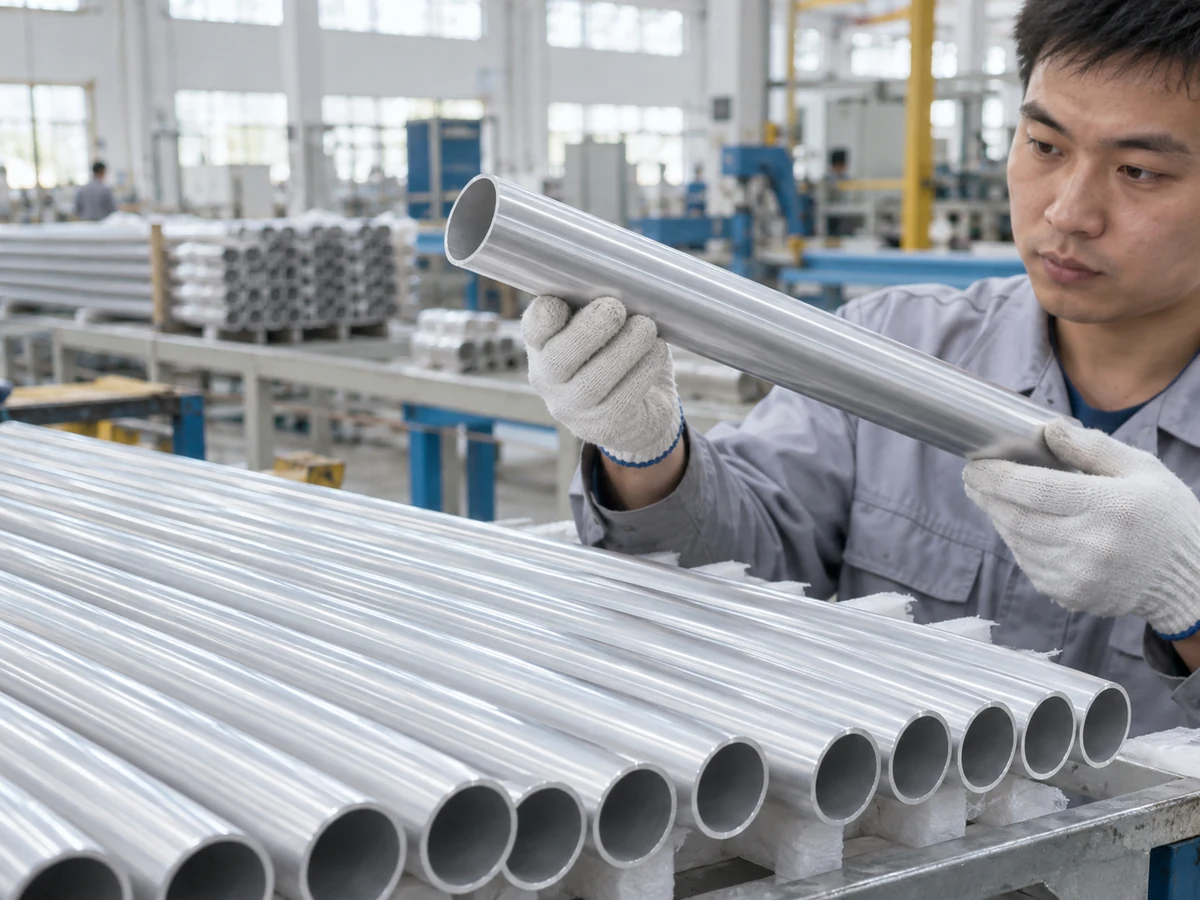
Ask the OEM to name the tube’s reference end and the finished blank length from that datum. The top and bottom may have different mating hardware, insertion depths, retaining features and visible surfaces. A pivot post may use a thrust surface, stop, snap ring, bearing or other hardware chosen by the system designer. Do not add an assumed allowance for any of these items from a photograph or another manufacturer’s guide. Put the actual mating parts and approved dimensions on the released drawing.
The purchase order should state end squareness, allowable burr and edge condition, coating sequence, and the check method for any critical fit. A saw cut may set the first datum for later machining; the downstream operation then needs to know which face and end to reference. If a tube is asymmetric or has a seam, groove or finish direction, mark its orientation in the cut list. A small end damage can affect a mating hub or trim ring even when the length is acceptable.
Keep the tubing route in the system owner’s scope
A visible open bore is not a tubing-path approval. The OEM must define what must pass through the member, from which end it enters, where it exits, and whether connectors are fitted before or after insertion. Supply the approved bundle or a dimensioned gauge if a passage check is part of the blank acceptance. Identify any later drilling, slotting, deburring, protection or cleaning. The saw supplier should not promise that an arm can be plumbed merely because a tube has an open end.
Separate metal-chip removal from finished equipment cleanliness. Define the receiving condition for a cut blank and the party responsible for any later internal cleaning or assembly validation. The complete delivery system’s fluid, electrical, infection-control and end-use requirements belong to the qualified system owner. No generic equipment clip or unrelated sample photograph proves those requirements have been met.
Trial support on the released aluminum stock
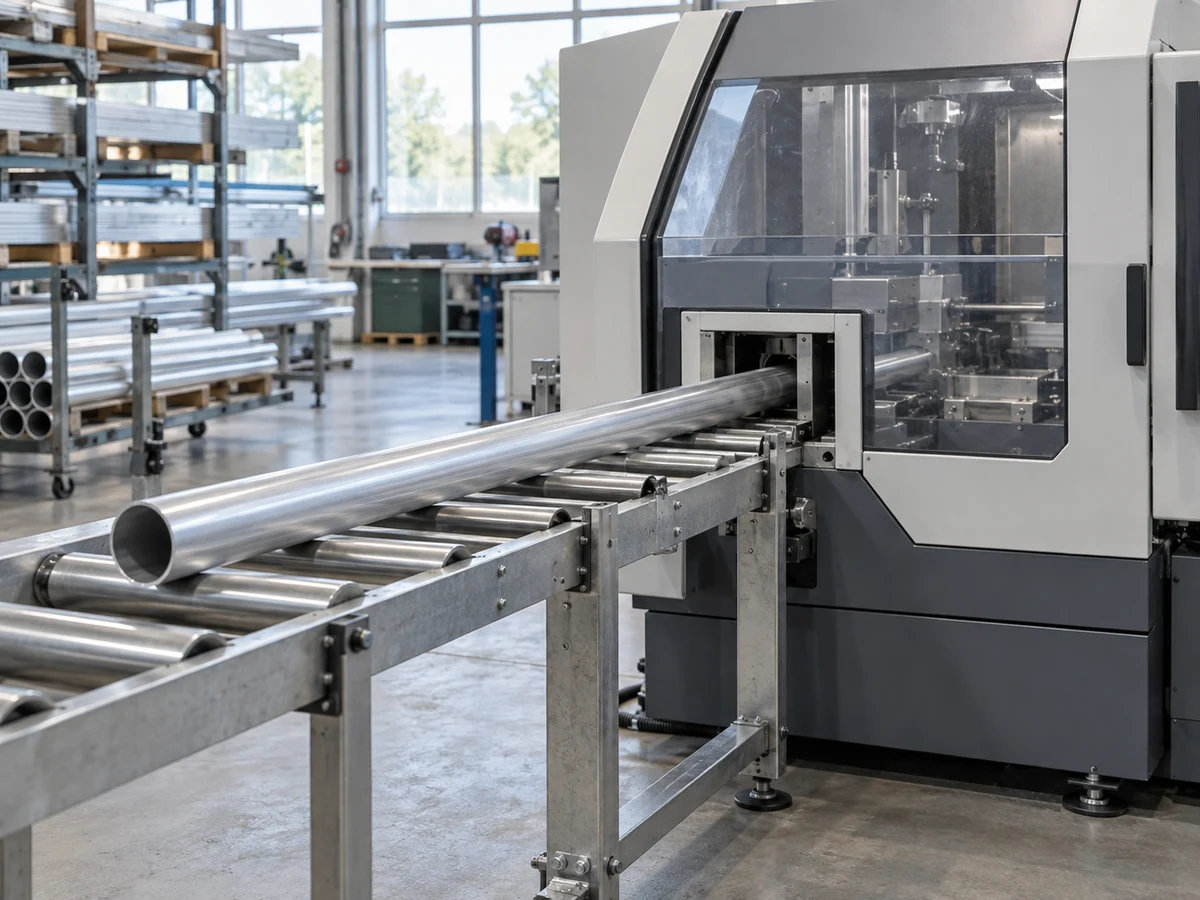
Tube diameter, wall, straightness, surface finish and stock length affect how a long member is supported at a saw. Request a stopped setup review on the actual approved stock or a faithful sample. Confirm the infeed and outfeed path, contact points, clamping pressure and protected cosmetic faces before a first-off cut. A trial on a larger or thicker tube does not qualify a thin-wall support member. A saw model should be selected against the released part family and acceptance plan, not inferred from a general video.
For the first cut, record the stock revision, fixture configuration, blade and feed setup selected by the cutting supplier, measurement datum and result. Inspect whether the tube remains round enough for the approved mating interface and whether the cut edge and visible finish meet the drawing. Make any adjustment through the controlled trial record rather than silently changing a machine setting between sample and production.
Accept the first-off against the purchased item
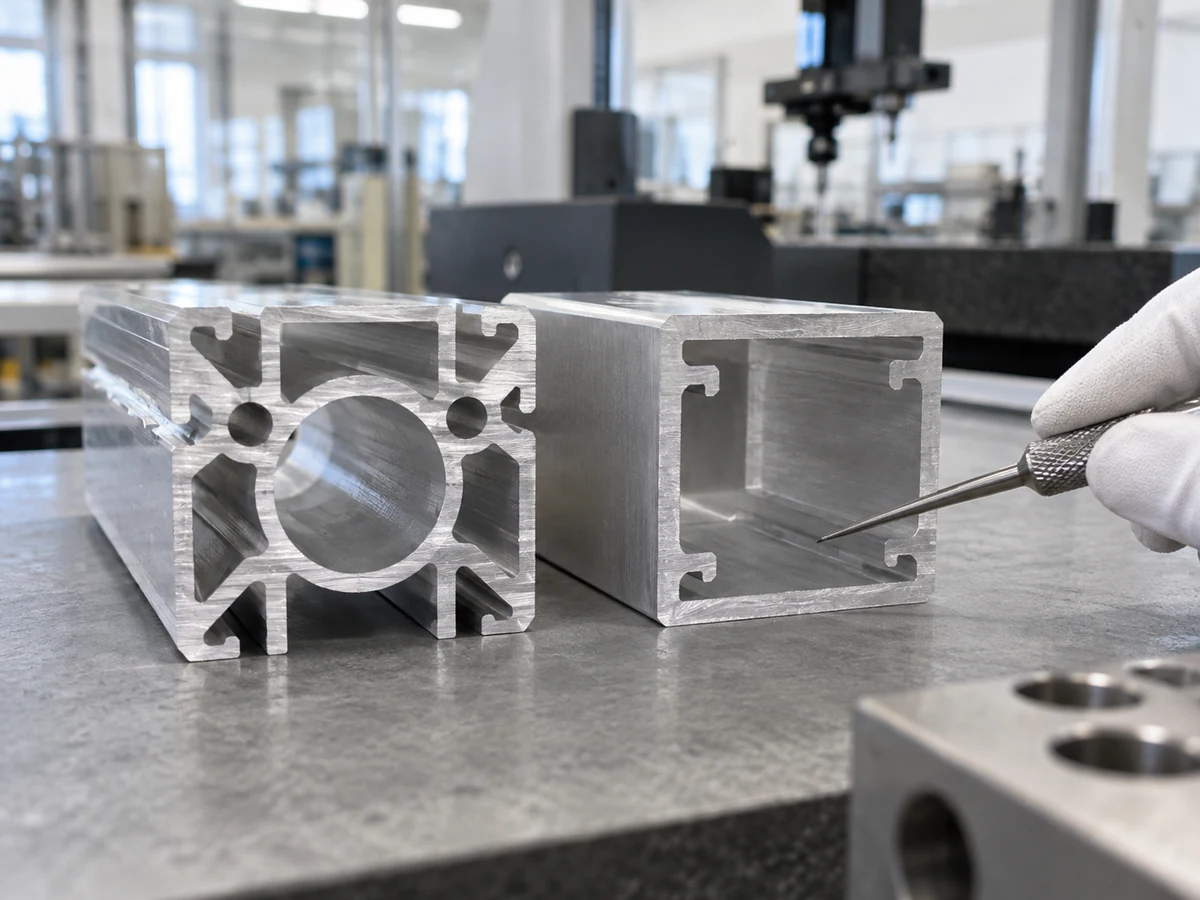
For a bare blank, the first-off record should verify identity, length, end squareness, burr condition, finish protection and any agreed passage check. If the OEM purchases a prepared post, add the released hole or slot locations, pivot or hub fit, orientation and cleaning requirements that are actually in the purchase order. A complete arm acceptance is a different decision. Use the actual mating support center and pivot hardware for fit; a caliper reading alone cannot establish assembly function.
- Identity: match the stock certificate or label to the released material, section and revision.
- Cut geometry: measure from the named datum and inspect both end conditions.
- Visible surface: check the protected face for fixture or handling marks under the agreed inspection rule.
- Passage: use the approved tubing or gauge only if passage is in the supplier’s scope.
- Interface: trial the actual mating hardware where that fit is part of the accepted item.
- Handoff: label the accepted piece, drawing revision, batch and next operation.
Retain the accepted first-off sample and the decision record. If the arm, tubing bundle, support center or post section changes, the OEM should decide whether a new trial is needed. Do not carry a previous sample approval across a different part family without that review.
Compare quotations at the same handoff
Ask each supplier to price the same released stock, cut lengths, batch mix, inspection plan and packing condition. List purchased stock, saw setup, first-off work, rejected-piece handling, secondary machining, finish, cleaning, labeling and shipping as separate included or excluded items. A bare tube blank cannot be compared directly with a finished arm that includes routing, hardware and installation. Nor does a nominal saw cycle establish the cost of a dental workstation.
For a mixed order, identify each tube variant and its quantity. Different diameters, walls, finishes, end conditions or pivot interfaces may require separate setups and first-off approvals. Ask how the supplier will segregate variants and prevent an approved cut blank from entering the wrong arm kit. Request evidence for any proposed output or tolerance claim on the approved stock and configuration.
What to send Jiurun for a cutting review
Send the approved aluminum tube drawing and revision, material and finish specification, stock length, cut-blank lengths and quantities, both end details, protected surfaces, actual mating parts, tubing route to preserve, and first-off acceptance method. State exactly which secondary operations remain with another supplier. Jiurun can review an aluminum cutting equipment against the supplied stock and saw scope; the OEM remains responsible for the dental delivery system and its end-use approvals.
The clip below shows a related Jiurun aluminum cutting machine. It does not show a dental delivery arm, either cited manufacturer’s equipment, a customer order, a tubing test or a qualified performance result.
Next step: send the released tube drawing and first-off criteria to discuss a cutting-equipment evaluation for your actual part and handoff.