
Aluminum gas cylinder cart frame cutting is a member-supply decision, not approval of a finished cart. A fabricator may need straight or angled tube blanks for a handle, upright, base or restraint mount. The cart designer still owns the cylinder fit, welds, wheels, brake, restraint and safe-use requirements. A useful saw RFQ makes that division clear before anyone quotes a length and quantity.
Commercial products show why one generic cut list will not suit every cart. A DENIOS aluminum-frame cylinder cart combines an aluminum frame with a separate steel shoe, chain, wheels and brake. An AmcareMed aluminum oxygen-cylinder trolley uses a basket, belt, wheels and adjustable handle. These are examples of different assembly interfaces, not specifications for a Jiurun machine or a proposed customer cart.
Freeze the cart design before releasing the saw list
Identify the cart model, drawing revision and design owner. Mark which members are actually aluminum and which components are purchased or fabricated elsewhere. The cut list should identify each straight tube or profile by part number, section drawing, alloy or material designation, wall, finish, quantity and datum. A sketch of the finished cart is helpful context, but a saw operator also needs a released member drawing.
Decide whether the handle is bent from a longer straight tube, assembled from cut members, or purchased as a formed part. A dimension taken around a finished bend is not the straight blank length. If bending follows cutting, the cart designer or bending supplier must provide the developed blank length and allowed end trim. If the cart uses welded miters, the angle, orientation and weld preparation belong on the released drawing. Avoid inventing a universal miter angle from a product photo.
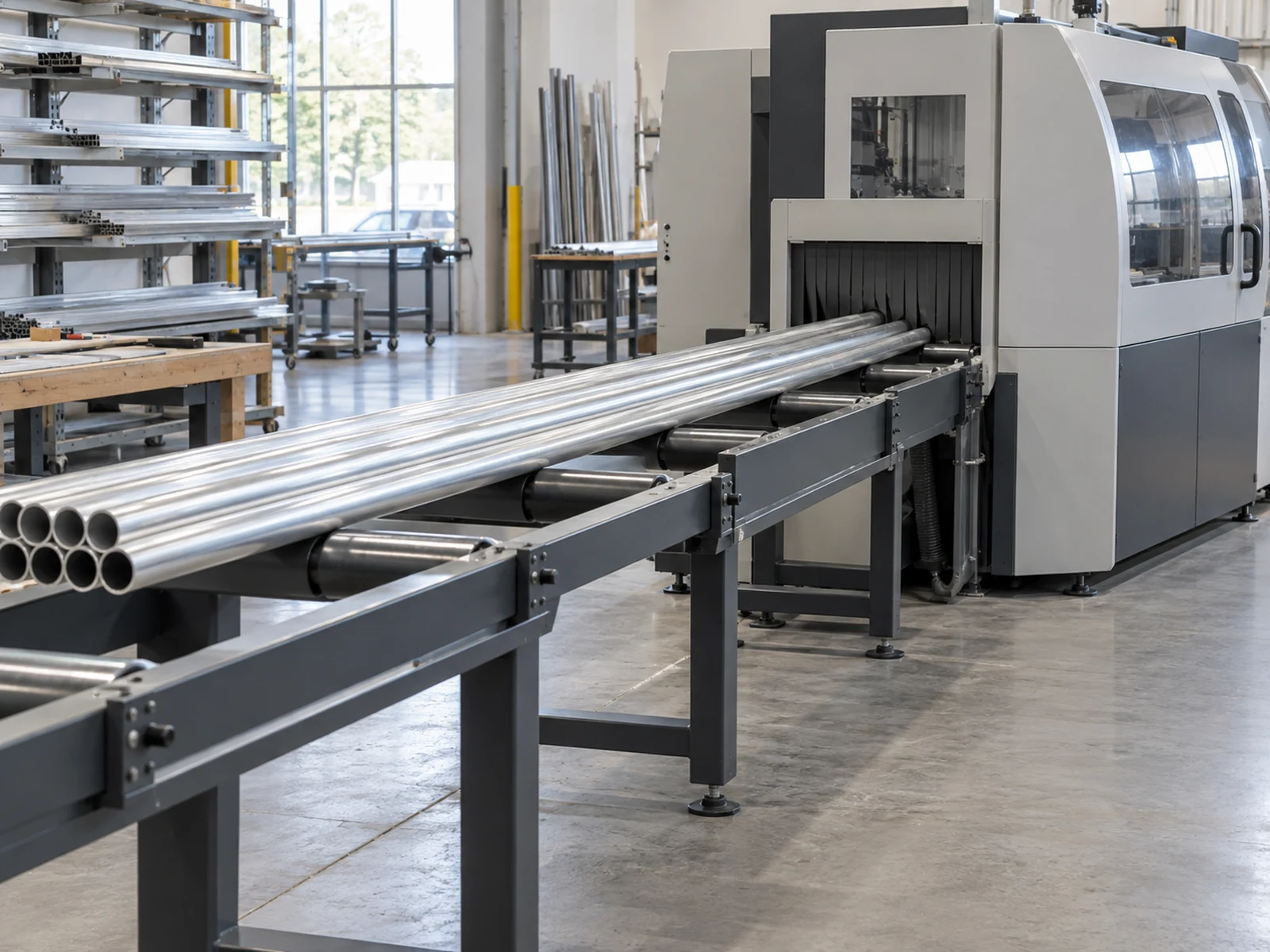
Aluminum gas cylinder cart frame cutting: seven RFQ checks
- Member identity: give the approved profile or tube section, revision and supplied stock condition. Separate round handle tube from square or rectangular base members instead of mixing them under “aluminum frame.”
- Length datum: say whether the dimension is face-to-face, long-point-to-long-point, or a developed length for a later bend. Mark the measuring face on angled parts.
- End geometry: state square or approved angled cut, handed orientation, and any extra stock reserved for welding, forming or later machining.
- Interface zones: identify locations for axle brackets, shoe, handle adjustment, restraint anchors and other connections. The saw may supply a blank; holes, slots and joints need separate owners.
- Finish order: decide whether cutting is before or after coating or anodizing. Specify protected surfaces and treatment of an exposed end, if required by the cart designer.
- First article: inspect a small sample using the actual section and accepted drawing. Record length, angle, burr condition, visible damage and fit to a supplied gauge or mating component.
- Kit handoff: label members by cart model and revision; separate left/right or finish variants and protect accepted faces in transit.
Ask bidders to state which of these checks are included in their price. A quote for bare saw cuts cannot silently include bending, welding, final assembly or a safety test. If the buyer wants a complete frame kit, the quotation should identify every downstream operation and acceptance owner.
Prove the cut interface with a first article
Use an actual stock sample. Check how the tube is supported on infeed and how the clamp touches it; hollow sections may move or mark differently from solid bar. With the saw stopped, agree the locating surfaces and orientation. After the trial cut, inspect the end for raised burrs, collapsed edges, trapped chips and surface marks. Check the dimension at the datum shown on the drawing, not at a convenient but undefined corner.
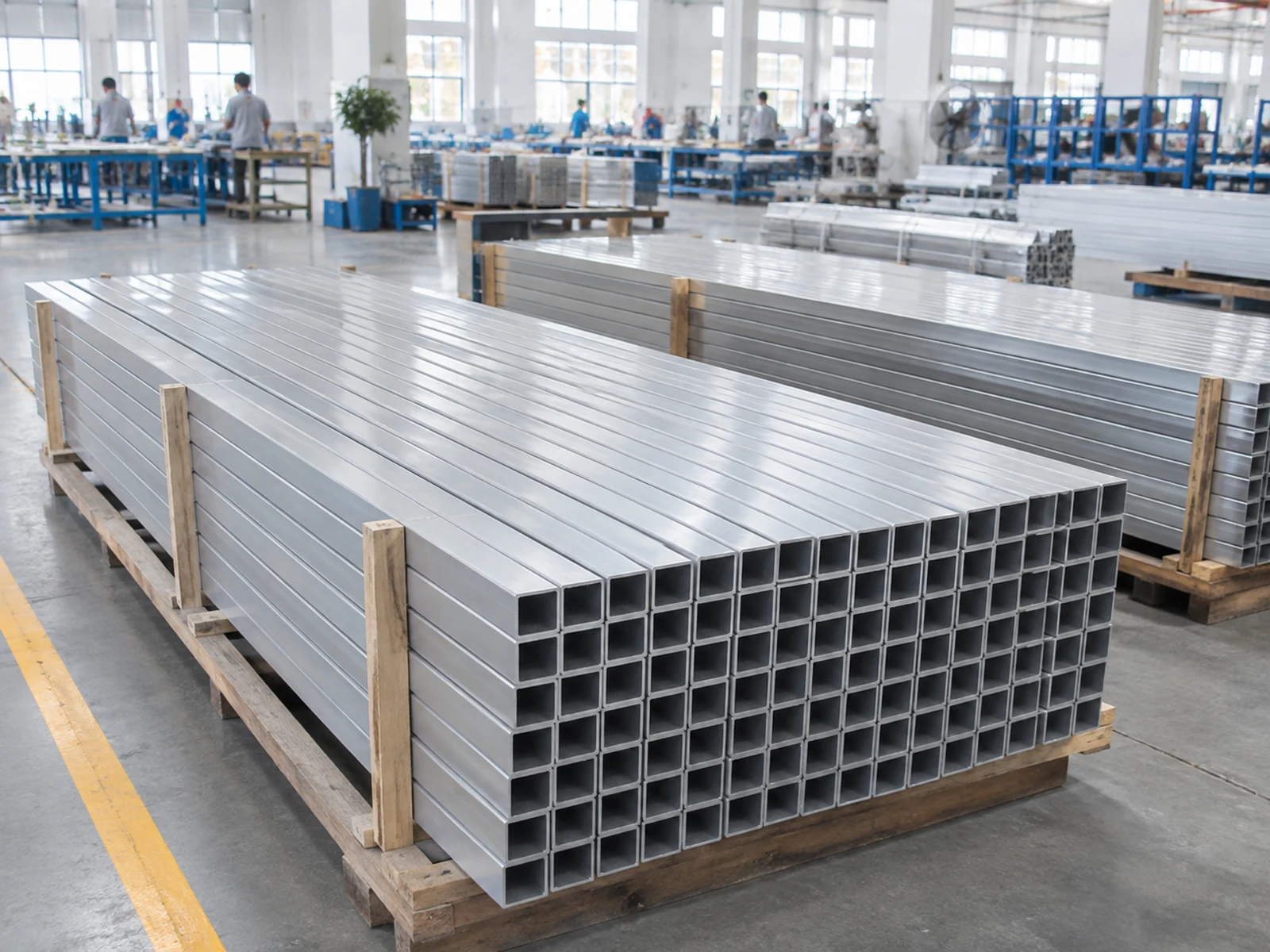
If the cart designer provides a bracket or gauge, use it to check fit before releasing a batch. A close-fitting bracket may be sensitive to burrs or finish buildup; a welded joint may require a specified gap or preparation. The first article should document the agreed criteria and any change to the cut plan. A photograph of an aligned batch cannot replace a measurement record or fit approval.
Keep finished-cart approval with the design owner
The cylinder size and restraint method determine how a complete cart is used, but neither follows from a saw-cut length. The cart designer must approve the base support, wheels, brake, handle, restraint, balance and any application-specific safety requirement. The gas cylinder itself is a separate regulated product. A saw supplier should not claim that cut blanks certify transport, load capacity, medical use or use around a particular gas.
Also separate purchased parts from cut aluminum. In the DENIOS example, a steel shoe and chain appear alongside an aluminum frame. The saw quote should concern only the released aluminum members unless the buyer explicitly adds other deliverables. This keeps the drawing set, inspection plan and supplier responsibility aligned.
Compare a blank quote with a frame-kit quote
For each bidder, ask for the same material state, part schedule and inspection plan. Compare the accepted output: cut blanks only, labeled cut-member kits, or formed and joined frames. Clarify sample setup, deburring, measuring, marking, packing and rejection handling. Price per cut is hard to compare when the scopes differ. Avoid using a nominal blade speed or a claimed yield percentage in place of a sample and written acceptance limits.
Jiurun supplies circular saw equipment for aluminum and other nonferrous stock. The suitability of a machine for a particular cart member depends on the real profile, cut schedule, fixturing and acceptance method. The system owner remains responsible for the completed cart’s design and approval.
Related Jiurun equipment video
This Jiurun Machinery channel video shows an aluminum cutting machine in operation. It is a general equipment demonstration, not a cylinder-cart project, this article’s material or model configuration, a customer trial, or evidence of cart safety or cutting performance.
Send the member drawing
To discuss a saw trial or equipment choice, contact Jiurun with the released aluminum member drawing, stock sample, cut list, finish sequence, fixture contact limits and first-article acceptance plan. Include the cart assembly drawing only as context, and identify the design owner who will approve fit and final cart safety.