
Greenhouse wiggle wire channel cutting is a small fabrication step with a large installation consequence: a cut end must still let the spring wire seat over the covering. The aluminum lock channel, spring wire and film work as a system. A length that looks acceptable on a tape can still create a sharp entry, a squeezed opening or an awkward joint when the installer starts feeding the wire. This guide sets out what to specify, how to support the profile during cutting and what to check on the first finished piece.
It concerns the aluminum lock channel, not cutting the spring wire itself. Product makers offer different channel depths and film capacities, so the approved channel drawing and the supplier’s wire and covering samples govern the job. Bootstrap Farmer describes a standard lock channel and a deeper version for layered coverings; those are product examples, not universal dimensions or an endorsement of any saw setting. See its spring wire and lock channel product details and installation explanation.
Define the channel before defining the cut
A purchase order that says only “wiggle wire channel, cut to length” leaves several questions unanswered. Identify the exact extrusion section, alloy or temper if specified, coating or finish, approved spring wire, film or netting layers, mounting orientation and installed location. Separate straight runs, corners, end-wall transitions and repair lengths in the cut list. State whether length is measured along the profile, between joint faces or to a site datum. The cutting supplier should work to the drawing revision and tolerance supplied by the project, rather than assume that another greenhouse channel has the same lip geometry.
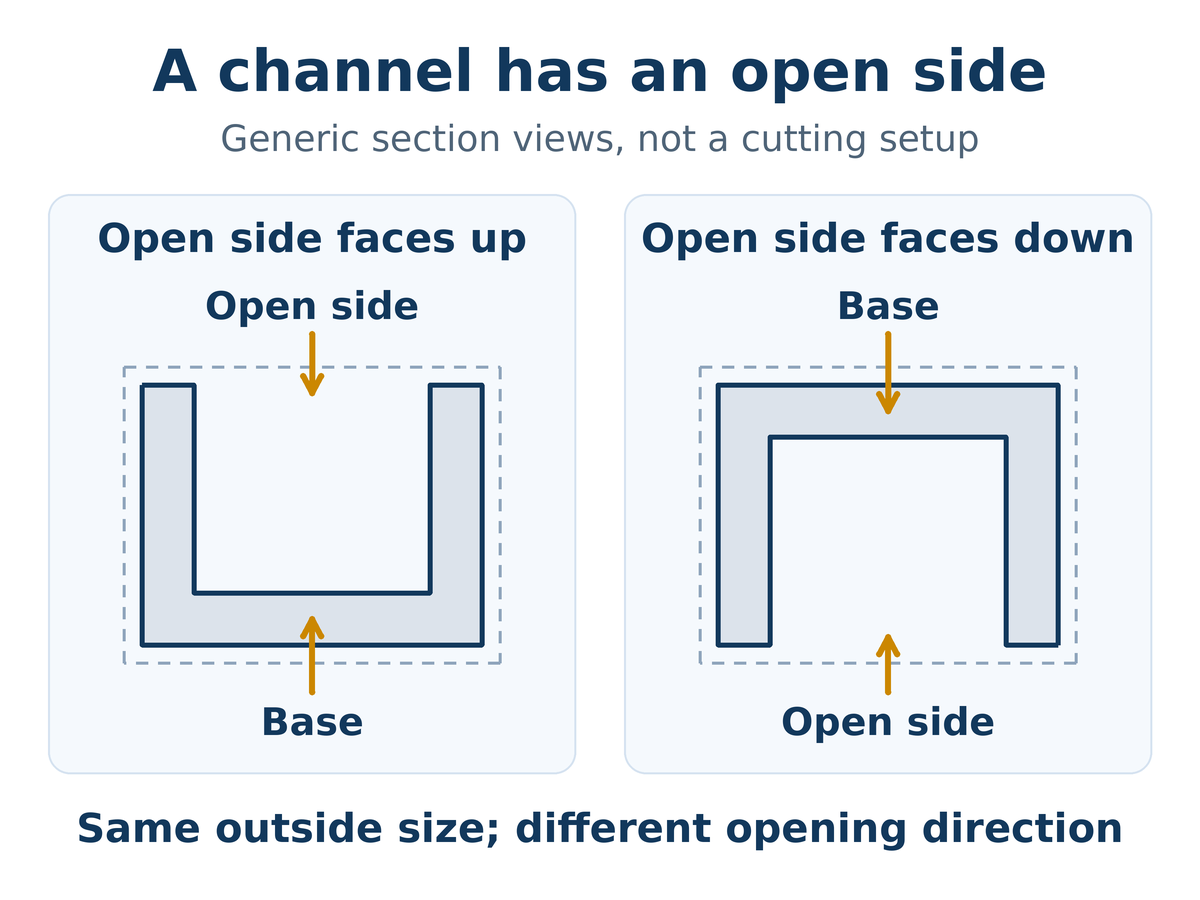
Mark the open side and mounting face on the traveler. That simple step keeps a batch from being inspected against the wrong datum. It also helps the operator decide where a support shoe or packing piece may touch without pushing the two retaining lips together. The drawing should identify holes, slots or preformed bends that must be kept clear of the cut and the fixture. If these features vary by run, keep the parts segregated from the saw through packing.
Support the profile without closing the groove
A lock channel has an open section. Clamping across its mouth can change the gap that accepts the spring wire, especially near a short offcut. Before production, place a representative stock length on the proposed supports and check that it sits repeatably on a stable reference face. A matched support or sacrificial insert may be useful, but its material and position should be agreed for the actual section. Check for rocking, jaw marks and changes in the opening after the clamp releases. Do not turn a generic clamp pressure or blade recommendation into a process setting for an untested profile.

Run the first cut under a controlled trial, then recheck the length datum and the channel opening at the cut end. Look for burrs, raised lips, chips trapped in the groove, edge deformation, coating damage and an end face that prevents a neat butt joint. Deburring should remove the obstruction without rounding away a functional retaining edge. Agree the cleaning method with the channel supplier when a coating or thin lip is present.
Greenhouse wiggle wire channel cutting: first-off fit
For greenhouse wiggle wire channel cutting, the meaningful first-off check is a fit check with the approved spring wire and a sample of the intended covering stack. At a safe bench, place the covering over the cut channel and insert a short wire length following the supplier’s installation method. Check whether the wire enters at the cut end, seats along the groove and can be removed without snagging the covering. Inspect the film after removal. A smooth bare-metal edge alone does not establish that the assembled system fits; nor does an easy insertion with the wrong wire prove the project specification.
Bootstrap Farmer notes that spring wire is worked into the lock channel over greenhouse plastic or shade cloth. A GrowSpan film installation instruction likewise shows spring wire securing the cover in a spring channel and asks installers to keep sufficient film at the edge. These documents explain why groove access and the covering matter. Their particular installation sequences and dimensions should not be copied into another supplier’s drawing.
Release the batch with a usable inspection record
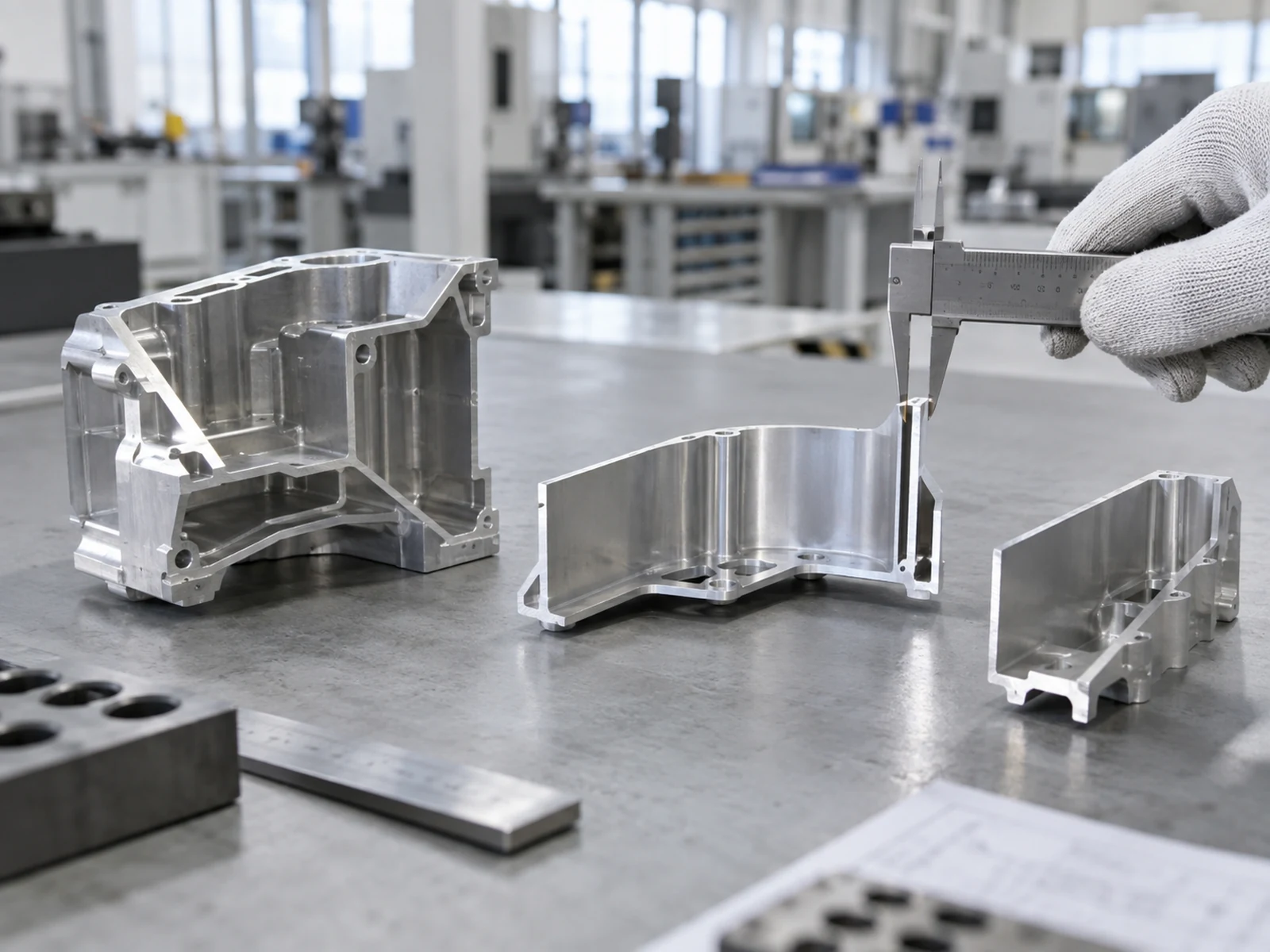
Record the drawing revision, stock lot, cut-list item, target and measured length, end-face condition, opening check, first-off fit result and any rework. A photograph of a clean cut face can help trace a sample, but it does not replace the wire-and-covering fit check. Keep acceptable first-off pieces with the batch until the buyer has approved the criterion. If a channel is bowed, predrilled or curved, inspect against the location it will occupy; an apparently straight cut list may not capture the installed orientation.
For a quotation, send the actual channel cross-section or CAD file, stock lengths, finish, quantities by cut length, tolerance source, hole or bend map, approved wire and covering stack, joint detail and packing requirement. Ask the supplier to state which face is used as the datum and how the retaining lips will be protected. This makes the quotation comparable across shops and gives the first-off inspection a practical pass or fail question.
Where the saw demonstration fits
The short Jiurun video below shows a related aluminum-cutting machine view. It does not show greenhouse wiggle wire channel, this material, a customer trial, the final fixture, a model configuration for this order or a performance result. Use it only to discuss the kind of machine and access that a supplier may need to evaluate.
For the neighboring but different problem of rigid sheet support, see our greenhouse glazing bar cutting guide. Glazing bars call for base, cap and drainage checks; spring-wire channels call for a retention-groove and covering fit check. If you have a channel drawing and spring-wire sample, send JiurunCut the cut list and application details so the first-off test can be planned around the actual section.