
Bus stop timetable case aluminum cutting starts with a small but consequential distinction: the saw shop is preparing extrusion blanks for a display case, while the complete case also needs a transparent front, caps or corner parts, mounting hardware, and a way to open or replace the schedule. A cut list that simply says “four frame pieces” leaves those interfaces unresolved. This guide helps a transit furniture buyer, case maker, or cutting subcontractor define a checkable RFQ before choosing a saw or ordering cut members.
Define the case before you define the cut
A timetable holder is not the bus shelter’s structural frame. It may be a pole-mounted, wall-mounted, or shelter-mounted unit, and the drawing must identify which parts are cut aluminum extrusions. For example, Externiture’s bus stop accessories describe specific timetable cases with an extruded aluminum case frame and caps, a separate transparent screen, and mounting components. Brasco’s schedule holder describes an aluminum frame, acrylic front panel, and mounting options. These are examples of different vendor systems, not interchangeable specifications or evidence of a Jiurun-supplied case.
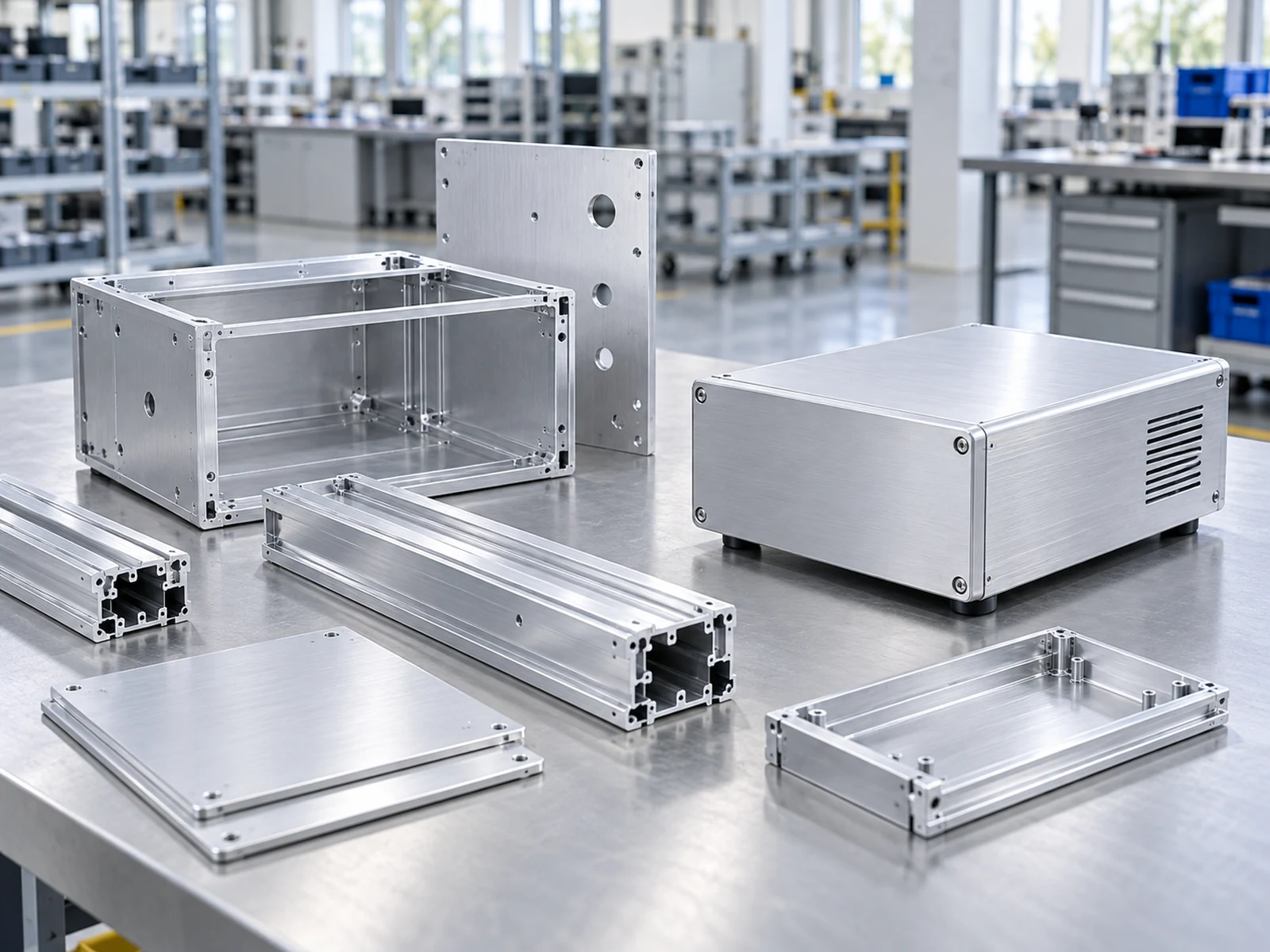
Start the RFQ with an assembly drawing showing outside size, visible schedule opening, front access direction, case depth, and mounting location. State whether the supplier delivers only saw-cut extrusion blanks, a drilled or machined kit, or a finished case. A saw quote for blank lengths cannot silently include the transparent panel, locks, hinges, seals, coatings, or site installation.
Bus stop timetable case aluminum cutting: define each member
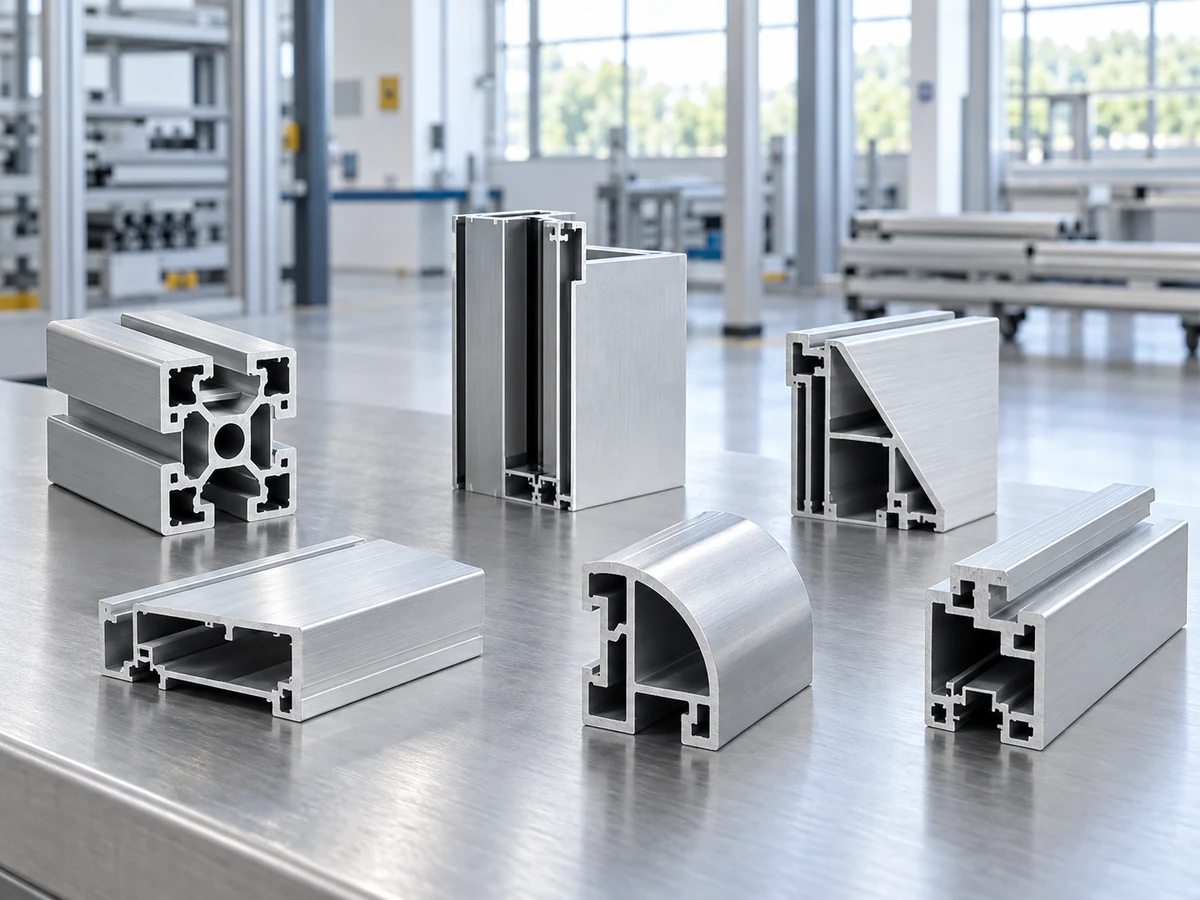
For bus stop timetable case aluminum cutting, a usable cut schedule is a list of parts, not a single perimeter dimension. Name the top, bottom, left and right members; any intermediate divider; and any extrusion that retains the front screen. For each item, give the extrusion drawing and revision, profile orientation, quantity per case and batch, length datum, end angle, allowed cut condition, finish state when cut, and label or traceability requirement. If the design uses continuous extruded housing with separate end caps, the list may contain one housing blank rather than four mitered frame rails. Do not force both architectures into one quote.
The length datum matters. A mitred frame can be dimensioned to an outside long point, inside short point, or a functional groove intersection. A square-cut housing can use the finished case’s end-to-end length. Mark the required datum on the drawing and identify the mating component. Otherwise two suppliers can quote the same nominal number while delivering parts that do not assemble to the same opening.
Keep screen, cap and mount interfaces visible in the RFQ
Screen: Identify the transparent panel material and thickness from the actual case design, the groove or retainer geometry, and the clearance needed for installation and replacement. A clean cut edge is useful, but it does not prove that a particular acrylic or polycarbonate panel fits. If the panel is sourced separately, include a representative panel or a controlled gauge in the first-off assembly check.
Caps and corners: State whether an end cap, corner key, welded corner, or fastened miter closes the frame. Mark which cut face is visible and which is hidden by a cap. If a cap requires a later drilled hole, slot, or tapped feature, show that work as a separate operation. A saw can produce a blank with the right length and angle without producing the finished cap interface.
Mount: Show the pole, wall, shelter, or other support interface on the assembly drawing. Externiture describes mounting components separately for its products; Brasco offers its own mounting options. Neither description tells a buyer which bracket fits a different design. Distinguish aluminum case members from steel brackets, anchors, and site-specific fixings. Confirm hole positions and access for tightening after the case is assembled.
Outdoor service: Ask the case designer how the front closes, where water can drain, and how the display is opened for a schedule change. These are system design and installation questions. A square or mitered saw cut alone does not establish weather resistance, tamper resistance, or service life. If a vendor claims a protection level, obtain that vendor’s applicable drawing and evidence for the exact assembled unit.
Approve the first cut as an assembly part, not just a number
Before volume cutting, request labeled first-off pieces from the actual extrusion revision. Inspect the declared length datum, angle, burr condition, channel damage, twist, surface marking, and whether the cap or corner connection seats as intended. Protect the visible anodized or coated face during feeding and unloading; document acceptable contact marks rather than leaving “cosmetic quality” undefined. A short sample kit should include the mating screen, cap, and mount features needed to check the interfaces that the saw shop affects.

Record the first-off result against drawing revision and inspection method. Measure the stated datum with a method that can reach it consistently; do not substitute an easy outside dimension for a functional inside dimension. For a mitered kit, dry-assemble the corners and inspect the panel opening. For a single housing blank, test cap seating and screen insertion. A rejected first-off should identify the actual defect and the changed setting before another sample is run.
Use a machine demonstration for questions, not as a case trial
A general aluminum saw demonstration can help a buyer discuss feed support, clamping, cut-face access, and part handling. It cannot certify that a particular timetable-case section, finish, blade, length range, or batch target will work. During a supplier review, ask to see the proposed fixture hold the real extrusion without crushing a groove or marking a visible face. Request the smallest and longest case members, plus any angled ends, in the application-specific trial. Compare first-off and later samples using the same drawing datum and acceptance method.
Send one RFQ packet that both parties can check
- Case assembly drawing and revision, with intended mounting location and front access direction.
- Extrusion section drawings or physical samples, alloy and temper only where documented, finish and visible-face marking rules.
- Part schedule: quantity, length datum, end orientation, angle, cut condition, and labeling for each member.
- Screen, cap, corner, gasket, lock and mounting parts clearly marked as included, excluded, or supplied for fit checking.
- First-off acceptance method: measured datums, burr and surface criteria, dry assembly, and revision-controlled approval.
- Batch size, packaging method that protects visible faces, delivery split, and who owns later drilling or finishing.
Ask each bidder to mark assumptions and exclusions against this packet. A lower price for cut blanks may be the right choice if another team owns assembly; a finished case quote has a different scope. Compare bids on the same deliverables before treating the prices as equivalent.
Frequently asked questions
Can a saw-cut frame be quoted from only the outside case dimensions?
Usually not reliably. The section geometry, end construction, corner method, and length datum determine the blank lengths. Supply the section and assembly drawings or ask for a sample-based engineering review before committing to production.
Should the screen and mounting hardware be in the cutting quote?
Only if the RFQ explicitly assigns them. Even when another supplier makes those parts, give the saw shop representative mating pieces or controlled gauges so the first-off cut can be checked in context.
Does a machine video prove the case will meet a tolerance or outdoor rating?
No. A general equipment video shows an equipment view. Application-specific cut samples and measured results address the part; any outdoor rating belongs to the verified assembled case design and its applicable evidence.
Request a cut trial against your case drawing
Jiurun supplies aluminum profile cutting equipment. If you are comparing saw capacity and handling for timetable-case extrusions, share the section drawing, longest and shortest members, finish, end details, and first-off acceptance method. Review the aluminum profile cutting machine range, then send your RFQ to Jiurun for an application discussion. Any model suitability or achievable result should be confirmed with the actual profile and agreed trial conditions.