
Exhibition counter aluminum frame cutting starts with the counter system, not a finished width on a sales sheet. A portable desk can combine aluminum members with a rigid graphic panel, fabric wrap, countertop, shelf or lockable door. The saw supplier needs the member drawing and the assembly datums before quoting cut blanks. This guide gives exhibit builders a practical RFQ and first-off checklist without assuming that one manufacturer’s kit fits another.
Exhibition counter aluminum frame cutting starts with the system
A foldable counter and an exposed-extrusion counter can look similar from the aisle but use different joints and panel interfaces. ABC Expo’s AluFold listing describes an aluminum-profile frame with a wooden top, printed panels or a wrap, straight or curved options and an optional lockable door. SpeedPro’s portable-counter range includes aluminum-tube frames for fabric graphics as well as exposed aluminum extrusions with rigid panels and laminate tops. Those are named vendor examples, not JiurunCut counter projects or universal dimensions.
Identify the system owner, current drawing revision and connection method first. A nominal 1,000 mm counter width does not tell a cutting shop whether a rail ends at the outside edge, sits between posts or carries an inserted connector. Likewise, the counter’s packed size is a logistics requirement, not a cut-length instruction.
Build a member-level RFQ before selecting a saw
Send a cut list that gives every member its own identifier. For each rail, upright, return or door member, record the profile section, alloy and temper if specified, finished blank length, cut angle, length datum, visible face, quantity per counter and allowable end-face condition. Attach the assembly drawing, connector drawing and one representative profile sample when possible. State whether the quote covers saw-cut blanks only, drilled or milled members, finished components or a complete assembled counter.
- Panel edge: show which extrusion lip or groove retains the graphic panel and where the panel must slide during assembly.
- Top support: mark the rail and corner faces that locate the countertop, plus any overhang defined by the builder.
- Door and shelf: identify hinge, latch and shelf interfaces only if they exist on this design.
- Pack-down: name the connector and the intended case or bag so members can be labeled as a kit.
Check the profile and connector interface
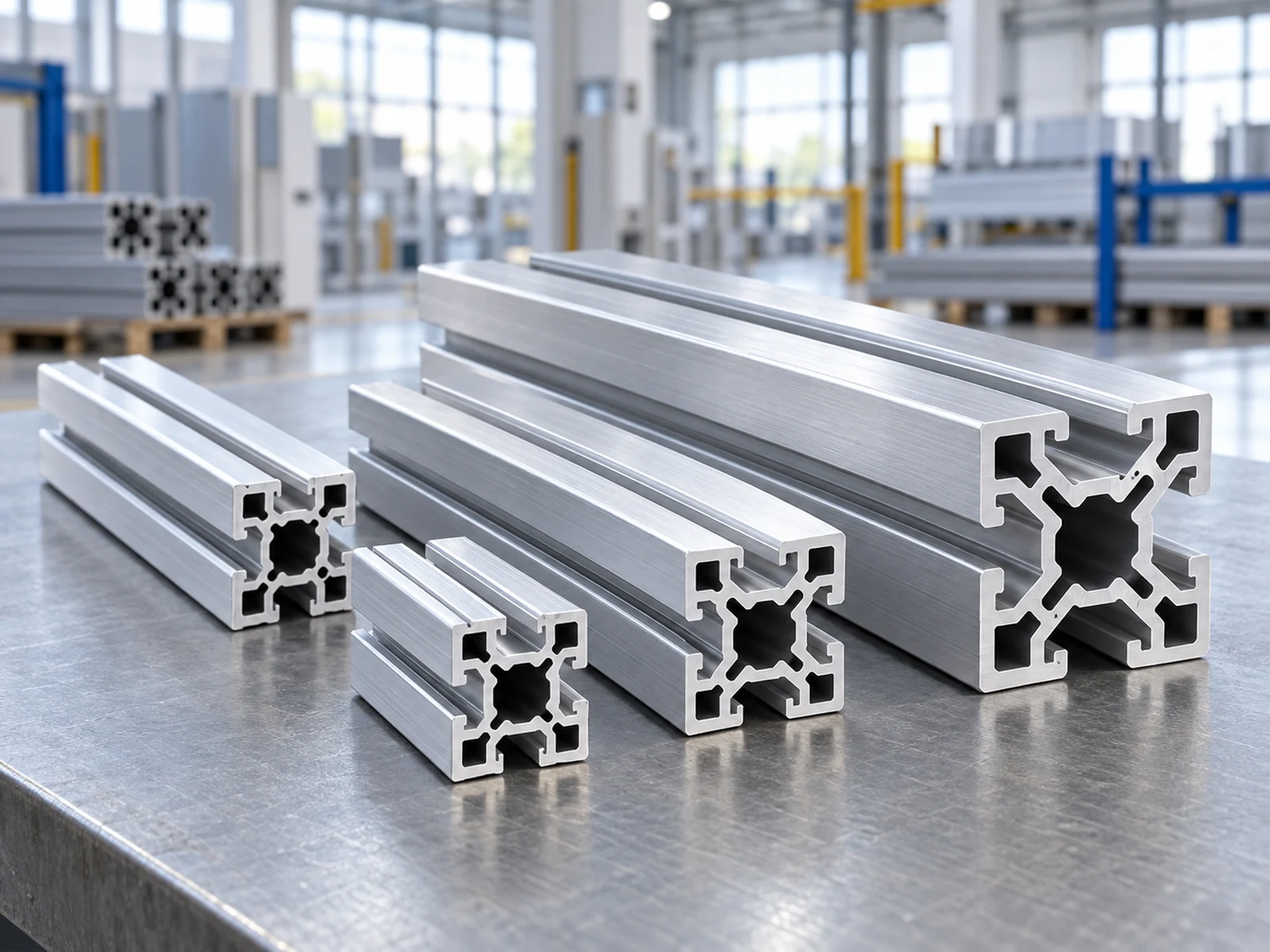
The profile family determines how the blank is held and how a connector seats. Thin decorative lips can be damaged by aggressive clamping, while a deep cavity may leave a cut edge that needs a specific inspection method. Ask for a marked section drawing showing the intended clamp faces, visible faces and connector cavity. If two profiles look alike but have different grooves, separate their part numbers and bins. A first-off cut should be checked against the mating connector and panel, not merely against a tape measure.
Keep graphic, top and door datums separate
For exhibition counter aluminum frame cutting, assembly drawings should distinguish the rail’s cut length from the clear opening for a rigid panel. A printed insert may need an installation path and edge allowance; a fabric graphic may attach around a tube frame instead. The top can locate on different shoulders than the panel, and a door adds its own hinge and latch gaps. Do not copy a panel size into a rail cut list or infer a door opening from the exterior counter width.
For a curved counter, ask which parts are straight saw-cut blanks and which require forming, bending or a separate operation. An angle callout must identify its reference face and left/right hand. Include a simple assembled sketch or numbered exploded view so mirrored members are not mixed.
Plan saw support and first-off acceptance
Long, light profiles need stable infeed and outfeed support. Short pieces need a safe handoff and a clear stop position. In an RFQ, provide the longest stock length, shortest blank, section envelope, batch size and surface-finish requirement. Ask the machine supplier how it would locate and clamp the actual sample without crushing a visible lip or marking a graphic face. Any required deburring, drilling, protective film or cleaning should be assigned to a named process rather than assumed to happen at the saw.
Approve a first-off set by assembling a representative corner, panel and top interface using the builder’s actual connectors. Record cut length from the agreed datum, angle orientation, end-face condition and fit result. If doors or shelves are part of the kit, check those interfaces too. The acceptance values come from the approved drawing and customer specification; this article does not supply a universal tolerance or performance guarantee.
Show the equipment view with the right limits
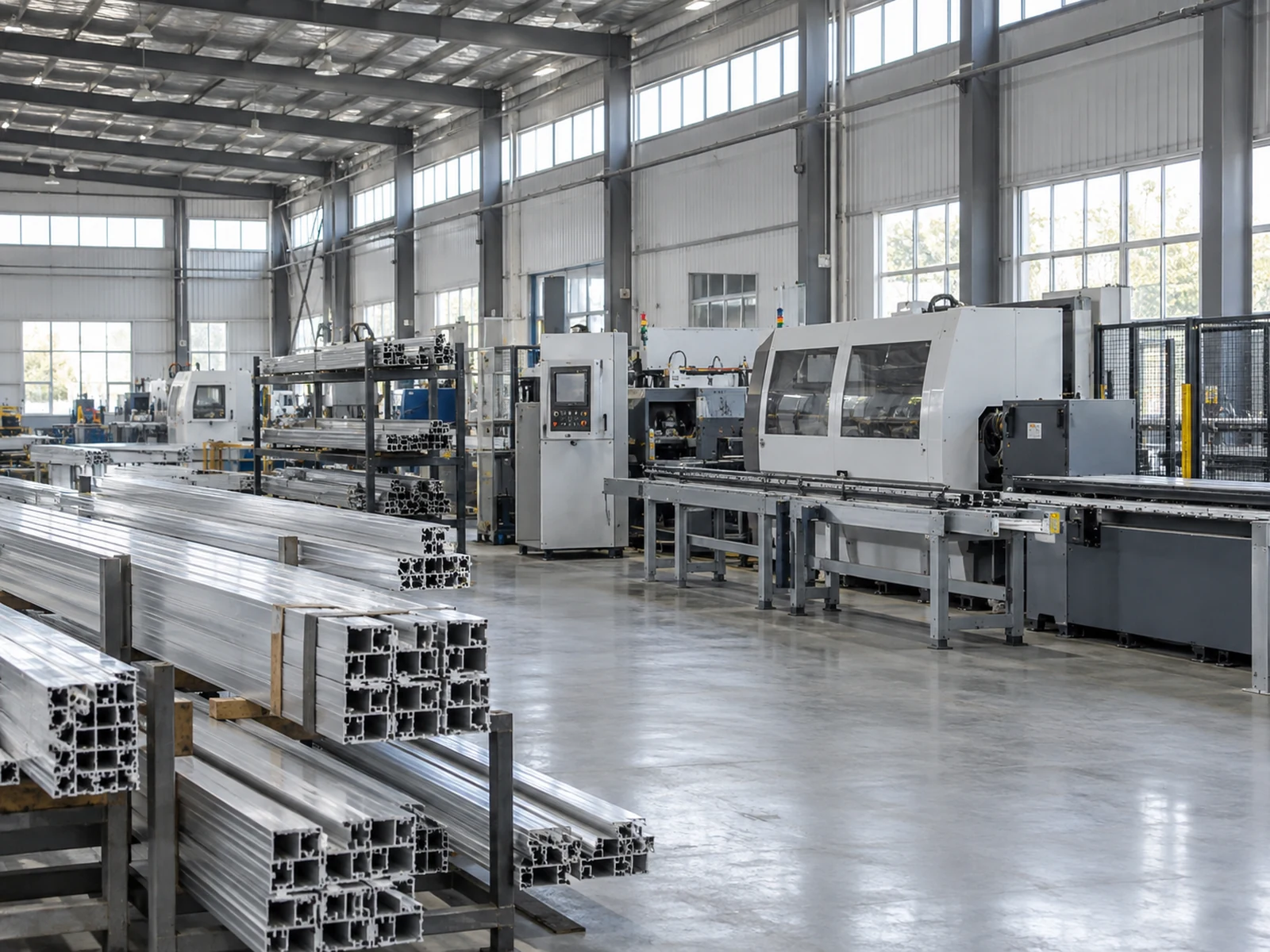
The Jiurun channel video below shows an aluminum cutting machine and its handling area. It is a general equipment demonstration to help frame questions about feeding, support and clamping. It does not show the counter described here, its profile, a selected machine configuration or an approved first-off cut.
Seven questions for the purchase decision
- Which counter system and revision is the cut kit for?
- Which rails and posts control panel, top and connector fit?
- Are the graphic faces rigid panel, fabric wrap or another interface?
- What are the finished blank datums, angles, handed parts and quantities?
- What stock lengths and smallest parts must the saw handle?
- Who owns deburring, drilling, surface protection and kit labels?
- What assembled first-off sample must pass before batch release?
Send a useful counter-frame cutting inquiry
For exhibition counter aluminum frame cutting, send the profile drawing, connector detail, numbered cut list, representative sample, annual or batch quantity and first-off acceptance plan. Include photos of the visible faces and explain whether the finished kit must pack into a specified case. Review JiurunCut’s aluminum profile cutting machines as a starting point, then send the drawing and cutting requirements for a configuration discussion. The quote should identify the exact equipment and operations proposed for your parts.
Frequently asked questions
Can a counter’s finished width be used as the rail cut length?
Only when the approved assembly drawing explicitly defines that relationship. Post thickness, connectors and panel retention can all change the blank length.
Does a curved counter require every part to be curved?
No general rule applies. The drawing should separate straight blanks, angle-cut returns and any formed members, with each operation assigned to the appropriate process.
What should the first-off sample include?
At minimum, include the parts that establish a representative joint and graphic-panel or top interface. Add the shelf and door interfaces where the chosen counter design uses them.