
Treadmill aluminum side rail cutting starts with a deceptively simple question: which part is the saw actually making? The long rail beside a running belt may be a replaceable aluminum extrusion, a casting, a plastic trim part, or an assembly with a grip strip and end caps. A saw supplier can quote repeatable cut blanks only after the treadmill maker identifies the released profile and the boundaries of the job.
This guide is for OEM buyers and production engineers quoting saw-cut aluminum extrusion rails. It does not claim that every treadmill uses this construction. For example, Body Charger’s GT9700 description identifies aluminum side rails alongside a steel frame, while Life Fitness describes cast aluminum side rails and separate end caps on a different product. Those are useful reminders to confirm the actual design and manufacturing route before seeking a cutting-machine quote.
1. Confirm that the rail is an extrusion blank
Start with a part number, revision and cross-section drawing. Ask whether the supplied item is a straight extruded rail, a casting, a bent member, a plastic molding or a finished side-step assembly. The saw quote should name only the material and operations assigned to it. Do not include a complete treadmill, deck, belt, grip strip, molded cap, fasteners or final assembly in a blank-cut quantity.
If the part is cast or molded, a straight extrusion-cut trial is the wrong acceptance test. If the buyer supplies an extruded section but the visible rail is assembled later, separate the bare rail from any pad, film, trim or cap. This prevents a low blank price from being mistaken for a delivered ready-to-fit rail.
2. Release the aluminum section and visible-face rules
The drawing should state alloy, temper, finish, nominal profile, tolerances and the surface that remains visible beside the deck. Identify the rail’s datum face and the surface that may touch a clamp or support. A large, thin or open cross-section may need shaped support to avoid local deformation. A decorative anodized face may require protective contact and handling that a raw mill-finish sample does not.
Do not infer profile geometry from a product photograph. Supply a representative straight stock sample and any permitted protective film. Agree whether appearance is judged on the top step surface, the outside edge, both faces, or the whole member. Include scratches, dents, clamp marks and burrs in the sample acceptance record rather than leaving them to a final cosmetic dispute.
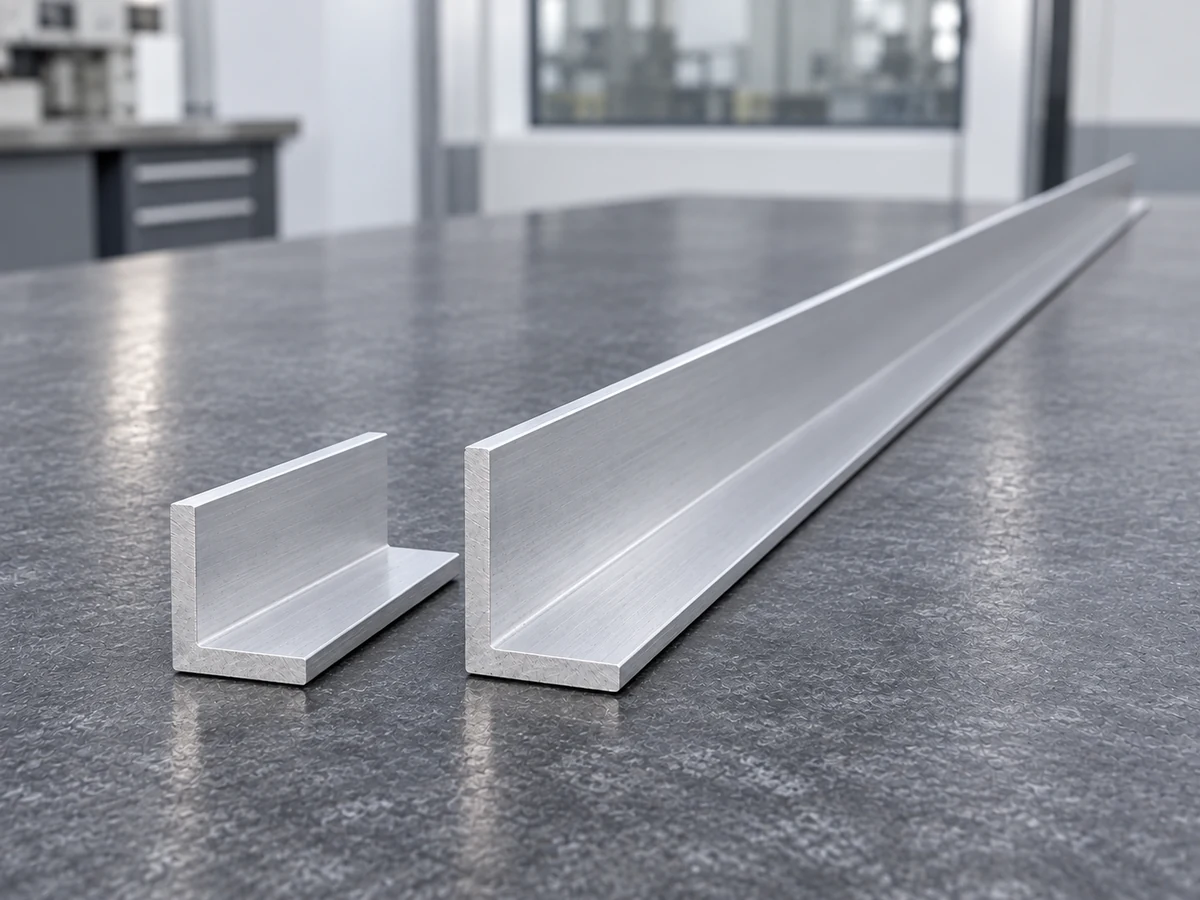
3. Fix the length datum for left and right rails
A side rail runs along the deck, so small differences between two sides may be obvious at the front cover or rear end cap. Mark the measured length datum on the drawing: overall tip-to-tip, finished face to face, or a specified cap-seat feature. Record the A and B end treatments and whether the left and right parts are identical blanks, mirrored cuts or different lengths.
If an end is angled, give the angle reference and the side of the profile from which it is measured. A nominal length without a datum can produce two parts that are both “correct” on a tape measure but do not locate the end caps alike. Keep any holes, slots, adhesive features or trimming outside the saw scope unless the supplier explicitly offers and quotes those downstream steps.
4. Check deck-edge, grip-strip and cap interfaces
The cut end may meet a front shroud or rear cap; the rail’s top or inner lip may also locate a non-slip strip. Identify those interfaces on the released drawing and supply mating parts for a first-off fit check. Ask which end must remain square, whether a chamfer or deburr is required, and whether an exposed edge needs a tighter appearance standard. When the cap hides the end, still define the cut-end condition that allows assembly without damage.
Rail-to-belt and rail-to-deck clearances are treadmill design decisions. A saw vendor can show the blank against a buyer-supplied gauge or mating component, but it cannot certify running-belt tracking, user step safety or a finished machine from a rail cut sample.
5. Plan support and clamp contact for the real stock
Long, narrow rails create a different handling problem from short square blocks. State incoming bar length, allowable feed orientation, unsupported overhang, shortest production blank and expected remnant. A profile with a thin lip or open channel may move if a standard flat clamp pushes on the wrong surface. Ask the equipment supplier to show support and hold-down contact on the actual section before accepting a cycle-time estimate.
Include stock loading, stop setting, part takeoff and changeover in the trial. If a grip strip will be applied later, preserve the seating feature. If the rail arrives prefinished, decide who applies or removes protective film and how pieces are separated after cutting. These details affect accepted-pair output more than an isolated saw stroke.

6. Approve a first-off pair before batch cutting
For treadmill aluminum side rail cutting, inspect a representative left-and-right pair at the same time. Record cut length from the agreed datum, A/B end orientation, angle or squareness where specified, end burr, visible-face condition and cap/strip fit against supplied mating parts. Use the buyer’s drawing tolerance and sample criteria; do not substitute a machine positioning specification for finished-part accuracy.
If the drawing calls for a miter or special end, check both the angle and its location relative to the visible face. If it calls for square ends, do not add an angled cut merely because a sample photo shows one. Agree who approves the first-off, how a rejected bar or remnant is treated, and when the approved setup can be released for the batch.

7. Compare quotes on accepted rail pairs
Ask each saw supplier to quote the same profile, incoming finish, stock length, end rules, left/right mix and inspection plan. Separate the cutting machine and its standard fixture from custom profile supports, extraction, handling, sample testing and any outsourced cap or strip work. A quoted cycle time should say whether it includes loading, clamping, cutting, takeoff, inspection and pair matching.
Estimate demand in accepted rail pairs per treadmill and per revision, not cuts per hour. Include setup changeovers, first-off approval and scrap disposition. A faster saw stroke may not reduce cost if appearance damage, cap mismatch or mirrored-end errors dominate rework. The right comparison is a repeatable, released blank at the required mix.
Copy this rail RFQ checklist
- Treadmill model family, rail part number, revision and whether the rail is an extrusion, casting or assembled component.
- Extrusion cross-section, alloy, temper, finish, stock length and permitted clamp/contact faces.
- Left/right quantity, drawing datum, cut length, A/B end geometry and end-cap interface.
- Grip-strip, deck-edge and shroud interfaces, with mating samples or gauges.
- Visible-face marks, burr and packing limits; protective film and handling responsibility.
- Shortest blank, remnant treatment, lot mix and expected accepted pairs per shift or batch.
- First-off acceptance owner, measurement record and all operations excluded from the saw quote.
Watch the related cutting process
This Jiurun Machinery channel video shows a general aluminum saw and feed process. It does not show a treadmill side rail, a released model configuration, a buyer trial or verified treadmill performance.
To discuss equipment fit, send the released extrusion drawing, cut list and representative stock through our contact page. You can review the aluminum cutting equipment range first. A realistic recommendation depends on the actual profile, accepted end condition and production mix.