
Lifeguard chair aluminum frame cutting is a component procurement question, not a shortcut to approving a poolside chair. Finished chairs can combine aluminum frame members with a seat, ladder treads, handrails, pads, wheels and rescue-equipment fittings. For example, Sodex Sport describes an aluminum lifeguard chair with a rectangular section, ladder and handrail, while Anti Wave describes a mobile aluminum chair with wheels and deck-protecting inserts. These are separate finished products; neither public product page is a released cut list for your order. The buyer needs the actual chair design and a clear handoff for the cut parts.
1. Define the lifeguard chair aluminum frame cutting scope
Specify whether the order covers loose saw-cut blanks, cut and machined members, a labeled frame kit or a complete chair. List the seat, anti-slip treads, handrail fittings, rubber pads, wheels, fasteners, rescue tube holder and umbrella holder as separate bought or fabricated items. They may affect interfaces and part identification even when they are outside the cutting purchase. The chair designer and responsible supplier retain the structural, mounting, slip-resistance and pool-use validation; a saw-cutting quotation does not establish those outcomes.
2. Turn the approved structure into numbered members
Separate front and rear legs, ladder side rails, rung supports, seat-support members, base rails, braces and any handrail blanks. Use the designer’s actual section drawing for each item. A finished chair’s overall height or footprint cannot be substituted for the saw-cut length of a single member. Identify which items are rectangular hollow sections, square tube, shaped extrusion, sheet or a purchased assembly. Do not assume that every visible aluminum element is cut from the same stock.
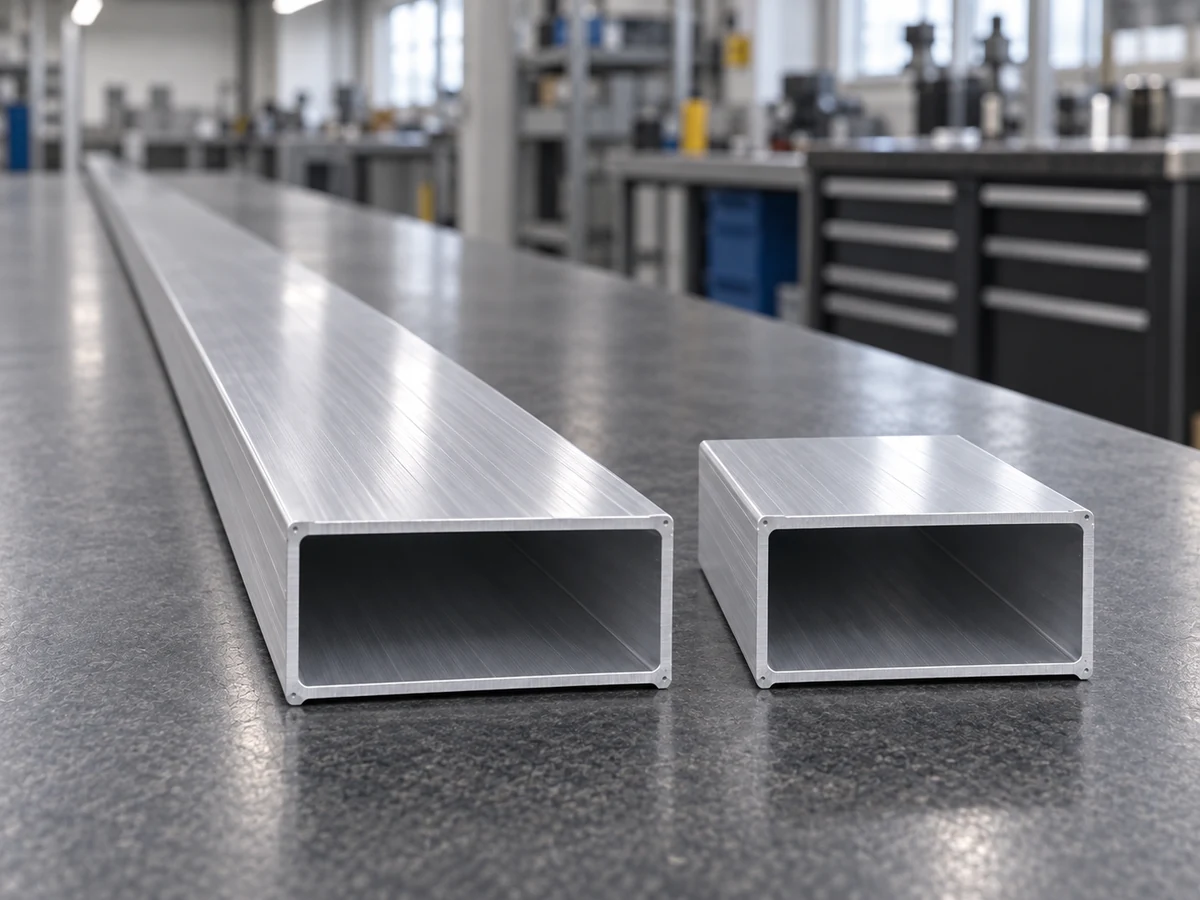
The RFQ should show a part number, drawing revision, section, quantity, finished length and measurement datum for every blank. If an end is angled, state the angle convention and whether the length refers to the long point, short point or a defined centerline. Mark orientation for members with unequal faces or later holes. A left-hand and right-hand rail should have separate identities where assembly makes them different.
3. Protect ladder, seat and base interfaces
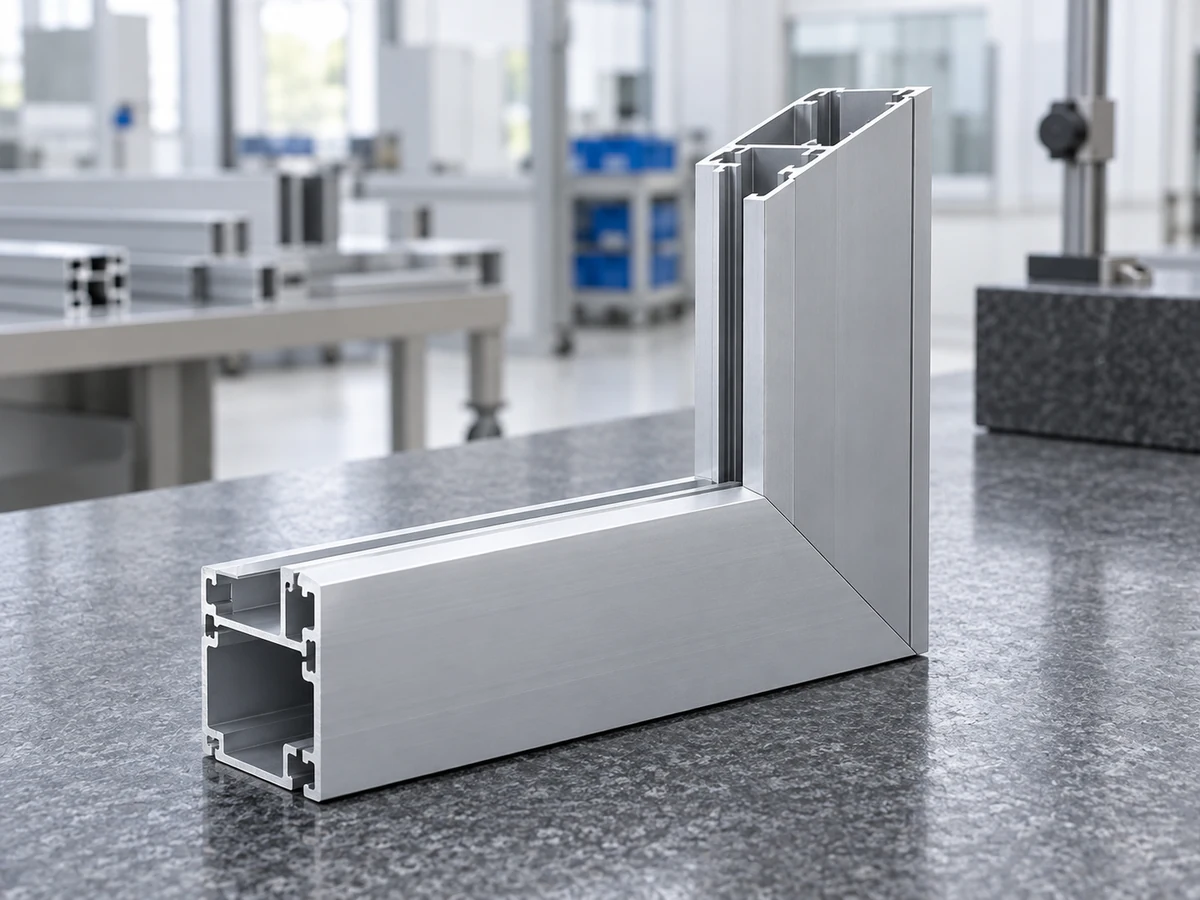
The design package should identify where each rung or tread attaches to its side rail, how the seat-support members meet the legs, and how the base connects to pads, wheels or anchors. A square-cut blank may still need drilling, notching, bending, welding, coating or assembly before it becomes usable. Put those operations in the right supplier’s scope. If a rail meets another member at a miter, ask for a first-off dry fit with the actual mating profile rather than treating a photograph of a neat corner as acceptance evidence.
4. Check workholding and first-off end quality
Provide a representative stock sample and the actual profile drawing before releasing a batch. At a stopped setup, check that the supports and clamps contact suitable faces without distorting the section or marking a visible finished surface. A saw trial can record cut datum, end angle, burr condition and handling marks on the particular sample. It does not establish chair strength, stability, corrosion resistance or safe access to the seat. Avoid quoting a machine’s general catalog tolerance as acceptance for every chair member.

Use a first-off check that includes the longest leg blank, one short rung-support blank and any angled or visible-end part. Compare each against its drawing and then trial-assemble the relevant interfaces with the specified seat, tread and base hardware. Record the drawing revision and disposition of any nonconforming piece. The designer must review fit changes before the balance of the kit is cut.
5. Keep the complete chair approval separate
Poolside use brings questions a cutting supplier cannot answer from a blank alone: the installed chair’s stability, access path, surface grip, anchoring or mobility, material compatibility with the environment and maintenance. The two manufacturer examples also show that a chair may be stationary or movable and may include non-aluminum parts. Ask the system supplier which assembly and site checks are required for the intended use. Do not treat a sample blank, generic saw video or attractive frame image as evidence of completed chair compliance.
6. Send a comparable kit RFQ
Attach the approved bill of materials and drawings. State the delivered stage, section and finish for each member, number of kits, end geometry, datum, surface condition and first-off inspection request. Identify any later machining and coating owner. Request part-number labels and protection for visible surfaces so ladder rails, base members and mirrored parts do not get mixed during assembly. If the order includes a replacement kit, include the chair model and design revision as identifiers, but verify compatibility through the responsible design owner.
Compare quotes only after aligning scope. One bid may include bare cut members; another may include drilling, hardware, coating and trial assembly. Ask for exclusions and the evidence supplied with the first-off kit. A useful quote should let the buyer see exactly which parts can be accepted at the cutting stage and which checks remain for the assembled chair.
Related Jiurun saw demonstration
The Jiurun Machinery video below shows a general aluminum saw and feed process. It does not depict a lifeguard chair, its materials, an approved machine configuration, a customer cut trial or a safety or performance test.
To discuss cutting the approved aluminum members, send your profile drawings, revised cut list, sample requirements and quantity through the JiurunCut contact page. Review our aluminum cutting equipment to describe the cut stage you want to evaluate.