
Voting booth aluminum frame cutting starts with a design decision: is the metal a foldable three-sided structure, a set of removable legs, or only a small bracket? A saw RFQ should name the actual aluminum members. One booth maker describes a folding aluminum structure with separate privacy panels, desk, curtain and lighting; another sells a plastic booth with aluminum legs. Those are different cutting jobs. Neither example establishes a specification for your booth. Mario Orlando’s booth description and Printelect’s booth description show why the member list must come first.
1. Voting booth aluminum frame cutting begins with the member kit
Start with a released drawing and bill of materials for each metal part: upright, top rail, lower rail, leg, shelf support, or hinge carrier. Mark quantities per booth and whether the part is straight, mitered, or later formed. Keep plastic privacy panels, curtain, shelf, electrical parts and fasteners outside the saw-cut blank quotation unless the buyer explicitly includes a separate assembly scope. For aluminum legs, a square end and a telescoping or socket interface may matter more than a frame corner.
2. Fix the open, folded and packed datums
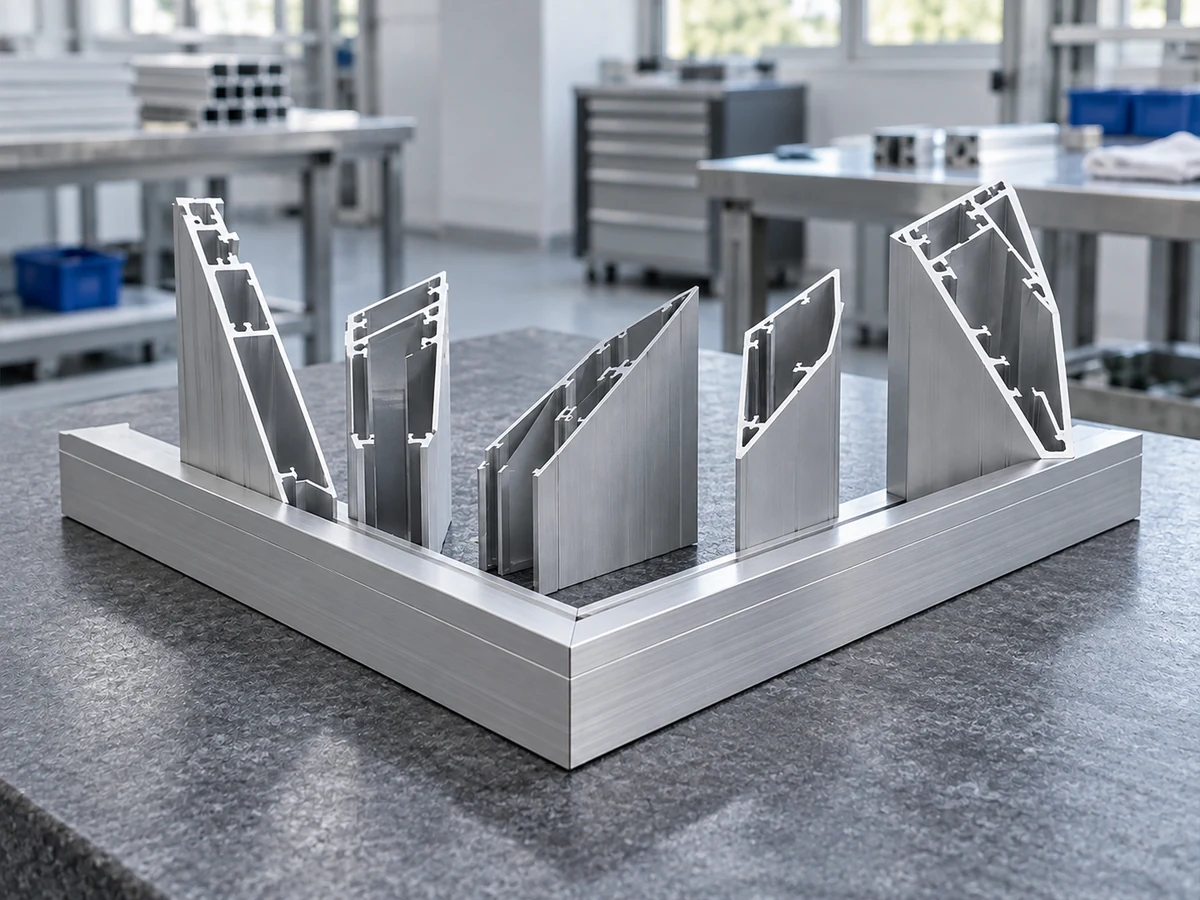
A foldable booth has more than one useful dimension. The open footprint, panel edge positions, hinge-axis spacing and packed envelope may each be controlled by a different drawing. Ask the booth designer which dimension is fixed at the saw stage and which is set during hinge or panel assembly. A cut length copied from an open assembly view can be wrong if it includes a hinge gap, end cap or overlap. Give the saw supplier a part drawing with a clearly marked measuring datum.
3. Define each end before specifying an angle
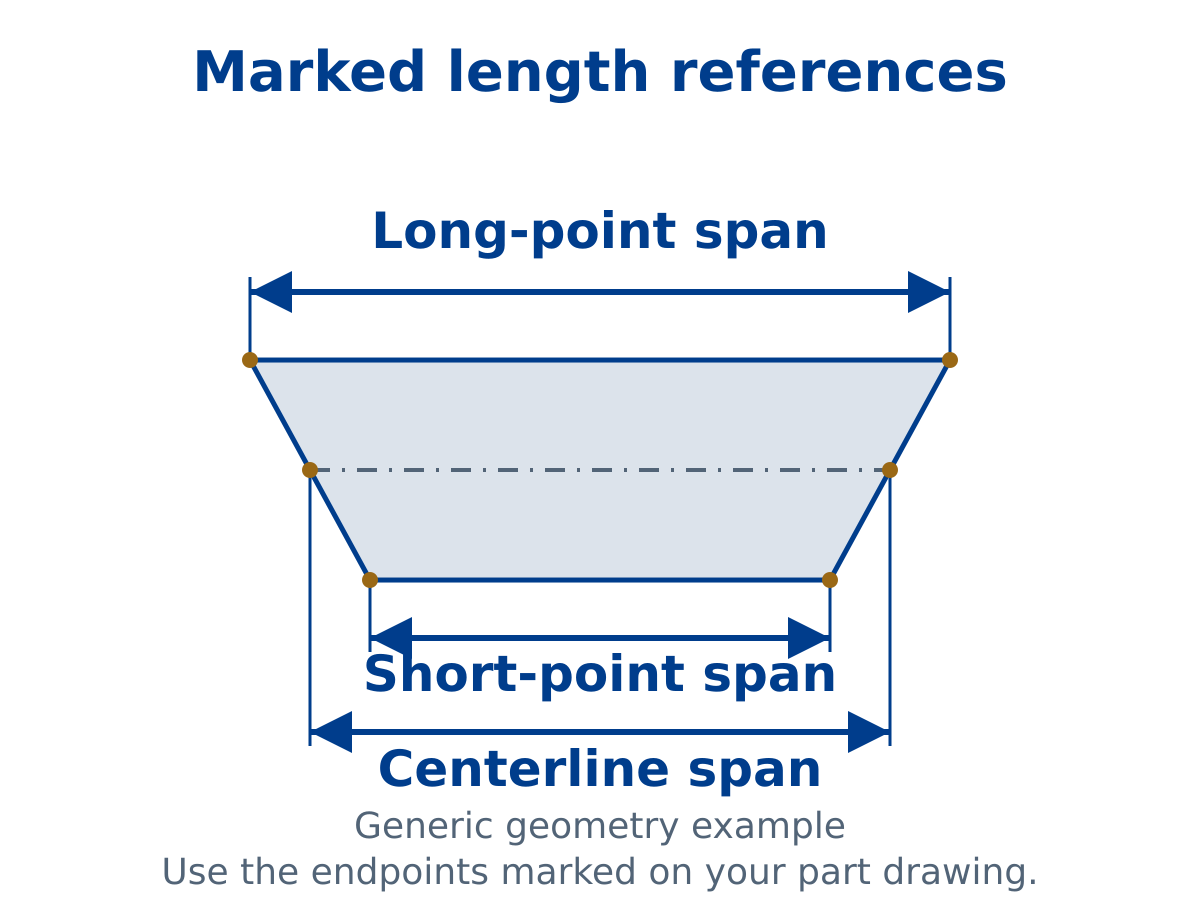
For a mitered rail, state the required angle, orientation, hand and measured span. Long-point, short-point and centerline lengths are different values. For a square-cut leg, state whether the drawing controls overall blank length before or after a foot, plug or leveling element is fitted. Do not infer angle from a product photograph: a folding joint may be square-cut and joined with hardware rather than mitered.
4. Match support and clamping to the actual section
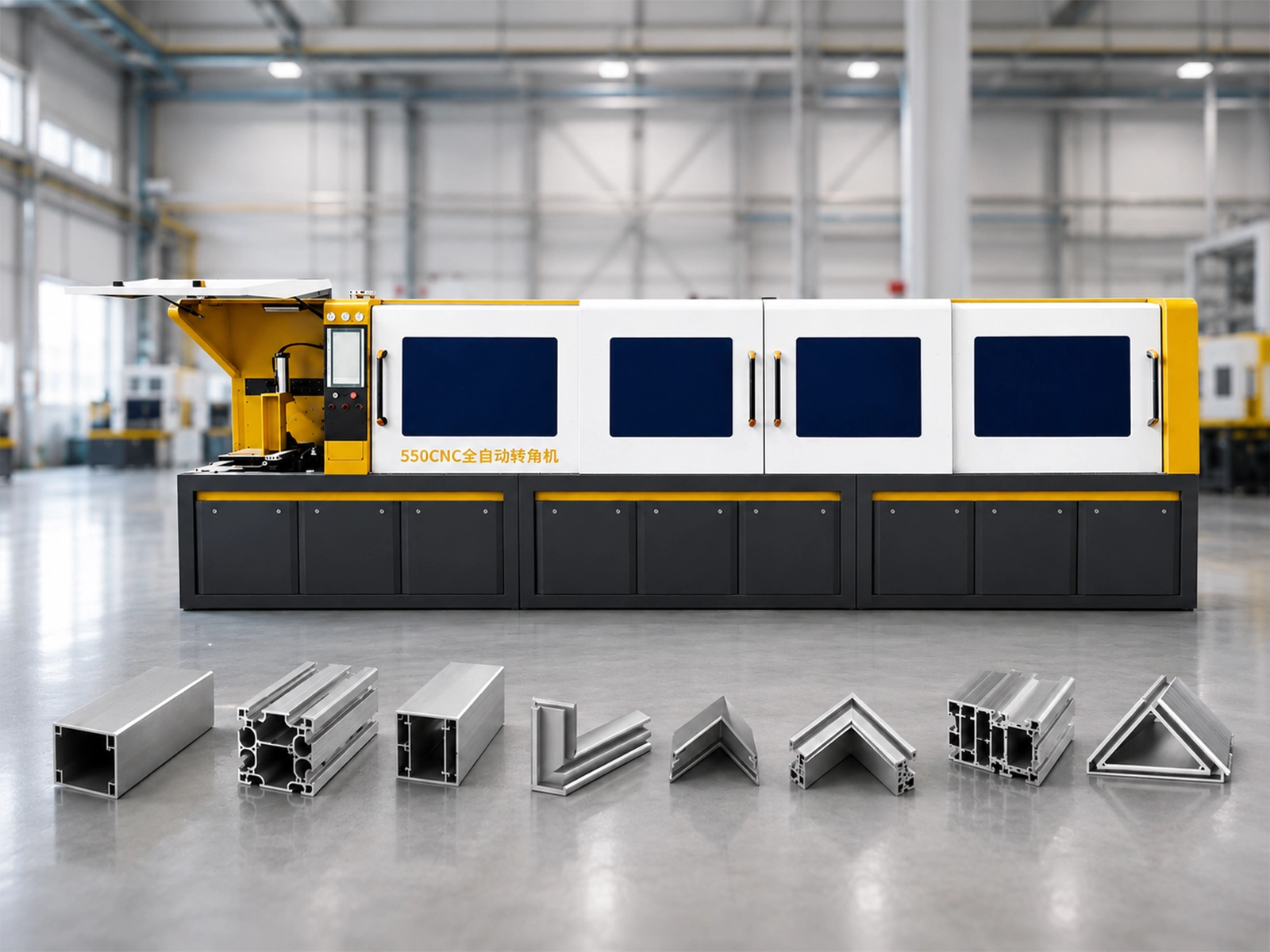
A thin wall, open channel or narrow extrusion lip can shift or mark under a clamp. Supply a short piece of the real extrusion, its alloy and temper, finished face designation, cross-section drawing and any protective film. At a stopped setup, check where the section bears on the fence and bed, where the clamp contacts it, and whether a long member has adequate infeed and outfeed support. Validate the proposed setup on your sample before treating a catalog machine image as a qualified process.
5. Specify the cut-face acceptance point
Set the acceptable length and angle deviations on the part drawing. Identify burr-sensitive edges: a panel groove, hinge bore area, sliding foot or exposed hand-contact edge may need different handling. State whether deburring, washing, marking or protective packing is part of the quoted operation. A saw-cut blank is not automatically a finished, safe-to-handle booth component. The booth maker remains responsible for the complete assembly and its applicable requirements.
6. Run a first-off fit check before the batch
Cut one of each handed part from the approved stock lot. Record stock orientation, program revision, endpoint convention and measurement method. Assemble a small hinge-and-panel corner or a leg/socket sample using the buyer’s actual hardware. Check that the panel edge clears the joint in both open and folded positions. If a gap changes, isolate whether the cause is cut length, angle, extrusion variation, hinge location or another downstream process before changing the saw setting.
7. Quote the same stage on every supplier response
For voting booth aluminum frame cutting, request a line-item quote for released saw blanks: profile and lot, part code, quantity, end geometry, cut length convention, permitted deviation, surface protection, first-off acceptance and pack label. List drilling, hinging, panel insertion, coating and final booth validation as separate operations if needed. Ask for a trial plan using your actual extrusion and acceptance drawing. That makes machine selection and supplier offers comparable without assuming that every booth has the same metal structure.
See a related Jiurun saw and feed demonstration
This playable video is from Jiurun Machinery’s YouTube channel. It shows a related aluminum cutting-machine and feed context. It does not show voting booth stock, an election customer, a validated fixture, a specific model setup or measured results for this application.
Send a part-level RFQ
If your booth uses aluminum members, send Jiurun the released cross-section, cut list, end drawings, sample stock and acceptance limits. Explain the folding joint and the required stage of supply. Review Jiurun’s cutting-machine range, then contact the team to discuss a sample-based saw trial. No booth-specific capability or result is established until the actual profile and setup are checked.