
Electric scooter stem tube cutting is a part-level purchasing question, not a way to specify an entire scooter from its standing height. The stem is only one element of a steering and folding assembly. A finished vehicle can also contain a handlebar, fork, latch, lever, wiring, deck and drive system. A saw quotation should begin with the released metal blank and its incoming stock, then state where that blank leaves the cutting station.
Segway’s E2 Pro product manual labels the stem, folding mechanism and quick-release lever as separate parts in its diagram. NIU’s kick-scooter support FAQ separately describes the handlebar tube and folding latch. Segway also describes an aluminum-alloy construction for its ES2 product. Those finished-product sources explain why the interfaces matter; they do not publish an approved raw stem section, prove that every stem is saw-cut aluminum, or establish a Jiurun trial. The OEM drawing and routing must supply those facts.
Electric scooter stem tube cutting: set the receiving stage
One factory may buy a complete steering assembly; another may buy a finished stem with the latch interface prepared; a third may cut a simple tube blank and send it to later operations. These are different purchase scopes. A machine for the third route should be judged on the parts it actually cuts, while the locking mechanism and vehicle approval remain with the responsible designer and assembler.
- Complete scooter or steering assembly: the received unit includes interfaces already made and accepted. There may be no stem-tube cutoff in house.
- Prepared stem component: the supplier may include cut ends, holes, machining, forming or surface finish. List which features are already accepted.
- Cut blank: the buyer receives an identified piece to a drawing, with later interface work and assembly still open.
- Long stock: the buyer owns section identification, cutting, inspection, labeling and transfer to the next operation.
For a buying comparison, choose one accepted stage and one product mix. The price of long stock cannot be placed beside the price of a prepared steering assembly without adding every operation and acceptance responsibility that remains.
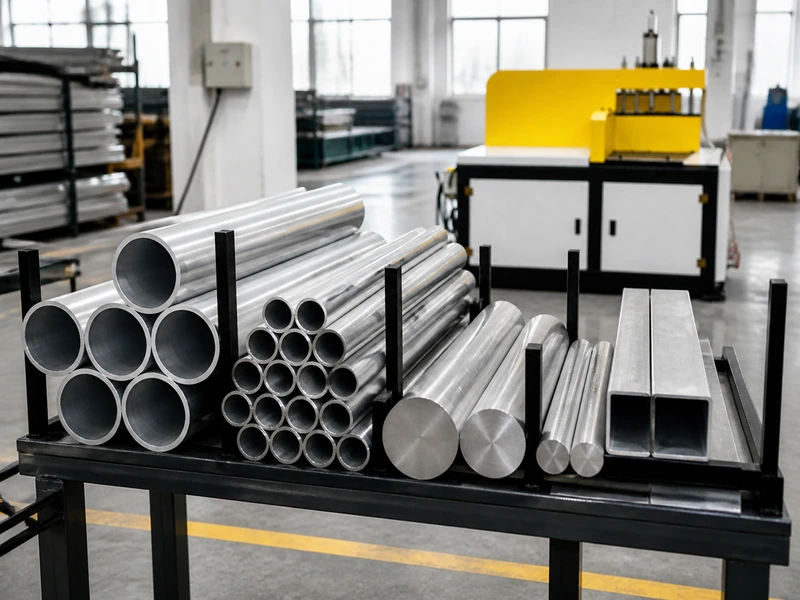
Release the actual stem blank, not the scooter height
A product listing may state handlebar height, folded size or deck dimensions. None of those values is automatically the length of a cut stem blank. The assembled height depends on interfaces, a folding or fixed joint, clamps, the handlebar, wheels and other geometry. Ask the design owner for a separate part number, revision and drawing at the incoming and outgoing stages of the saw.
The part record should identify material form, cross-section, alloy and temper where specified, wall condition, finish, input length, cut length datum, end geometry, orientation, quantity and later process. If the stem is stepped, tapered, formed, cast or already machined, a straight-stock sawing assumption may be wrong. If several models have visually similar tubes, use separate part identities and revision control rather than one generic “scooter stem” line.
Do not infer an inner diameter, clearance, folding angle or hole position from the finished-product manual. Those features belong to released engineering data. A supplier can then state whether a proposed saw and fixture can hold the real input and produce the specified cut stage.
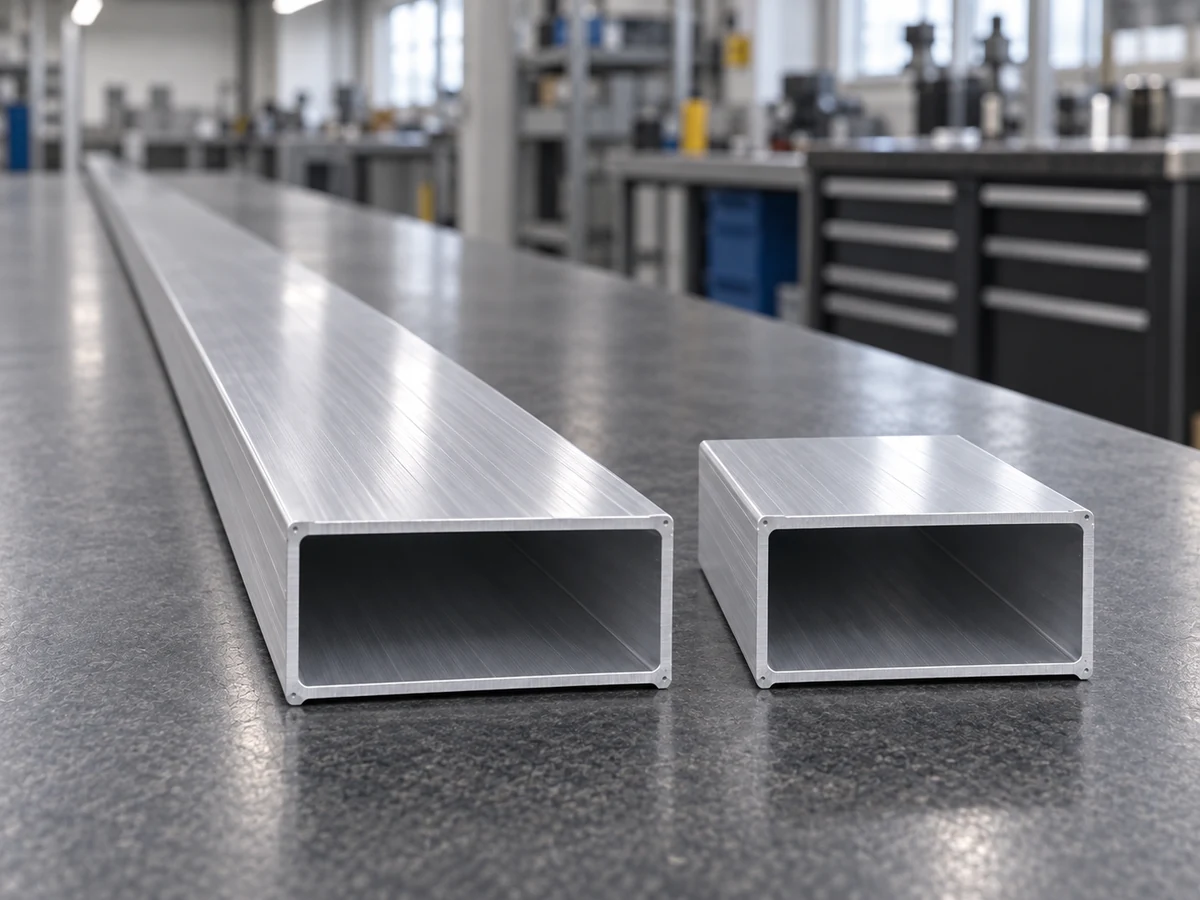
Keep the folding interface outside the cut claim
The upper and lower ends of a stem may meet different downstream operations. One design may accept a square cut that is later machined or joined; another may require a drawing-defined angle or shaped end. The saw inquiry should say exactly which end features are part of its output. If a latch, hinge, quick-release lever or handlebar clamp is supplied as a bought component, list it separately. A clean saw face does not demonstrate that a folding joint locks, resists movement or remains safe in use.
Where the blank will be drilled, welded, fitted or coated later, note the allowance and datum controlled by that later operation. If the part has a visible exterior surface, define allowable clamp contact and handling marks. If internal cable routing is relevant to the finished design, the engineer must release the tube and interface requirements; the cutting vendor should not guess them from an assembly photograph.
Trial the real section and the difficult ends
A representative trial uses the proposed stock, drawing revision and finish, not a convenient demonstration extrusion. Check how the section rests at the infeed, how it is prevented from rotating or shifting, what contacts the clamp makes, and how the short piece is supported as the blade exits. Thin-walled or finished stock can be dented or marked even when nominal cutting capacity appears sufficient. The trial should document that condition on the buyer’s material.
Include the shortest and longest relevant blanks, each distinct section family, and any square or angled ends that change the setup. Record the input lot, tool, fixture contact, datum, stop or feed method, operator method and measuring tool. A trial of a single generic aluminum profile proves only what it actually demonstrates. It does not certify an untested stem section or a scooter model.
Separate first-off cut acceptance from vehicle approval
The first-off plan should compare cut pieces with the released blank drawing. Measure length from the correct datum and inspect the end condition, burrs, visible-face damage, part identity and batch label. Where an angle is specified, record the angle reference and handed orientation. If a downstream process relies on a particular face, show that face in the inspection instruction. Agree in advance how a questionable sample is contained and who can release the batch.
The assembler remains responsible for checking the prepared stem and complete steering system after all later work. A passed cutoff cannot establish folding-latch engagement, alignment, fatigue behavior, electrical routing, braking, or a vehicle rating. Keep these claims out of a cut-stage report and keep the cut-stage evidence available for the next owner.
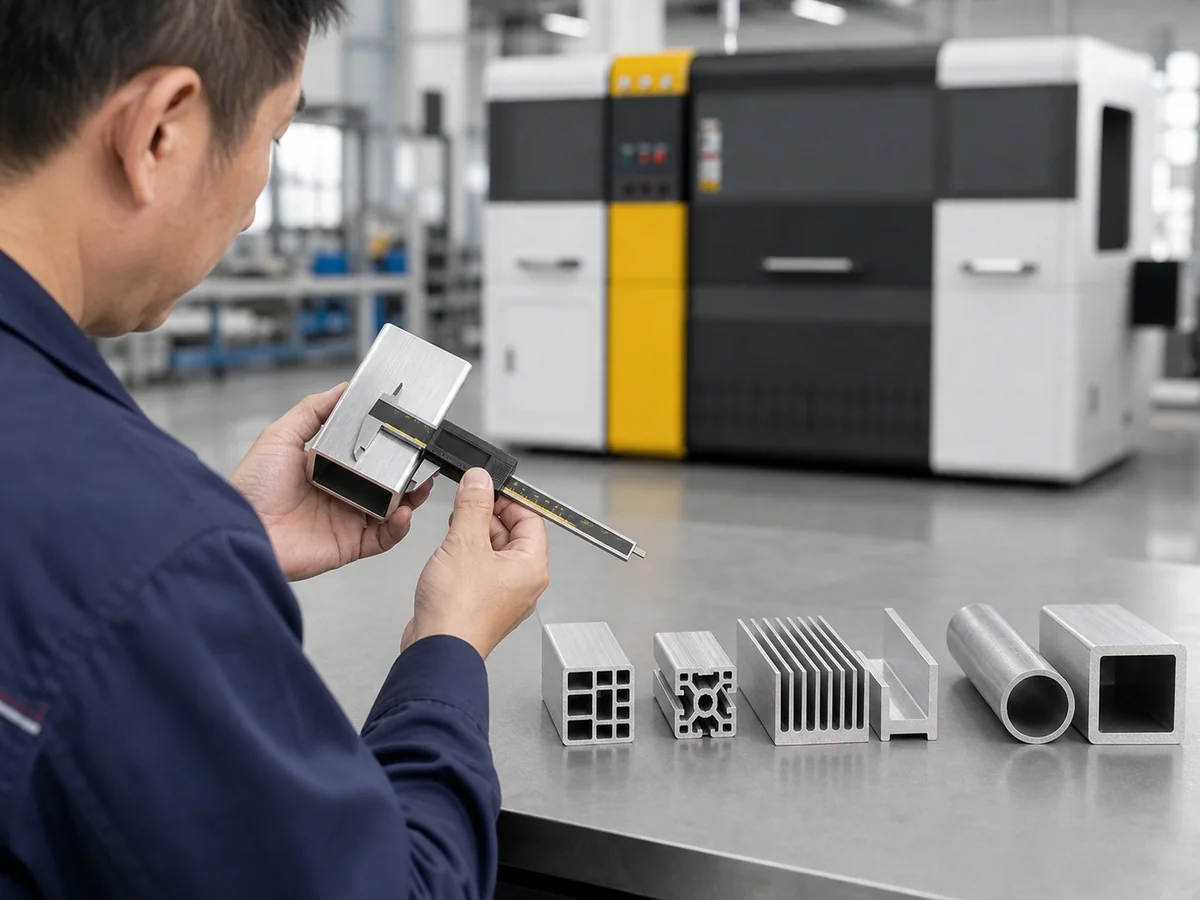
Compare the retained cut route with prepared supply
For a make-or-buy decision, count only released stem blanks that the factory will actually cut in house. Separate bought steering assemblies, prepared stems, latches, clamps, handlebars and nonmetal components. Use the same planning period, model mix, changeover pattern and accepted output stage for every alternative. A unit-price comparison misses the work needed to turn stock into a component ready for the next process.
For the retained cut route, include purchased stock and minimum orders, saw and tooling use, fixture development, setup and changeover labor, infeed and outfeed handling, first-off inspection, in-process checks, scrap, finishing, packing and traceability. For prepared supply, include supplier qualification, incoming inspection, minimum quantities, delivery variation and any work that still remains. Present unknown costs as assumptions to validate, not as measured savings or guaranteed payback.
If the design changes the tube section, end geometry or receiving stage, update the comparison before transferring the prior trial result. A supplier should quote the new evidence needed, not silently carry forward an old approval.
Eight items for a stem-blank RFQ
- State whether the requested output is long stock, cut blanks, prepared stems, steering assemblies or complete scooters.
- Provide each eligible part drawing and revision; separate models and visually similar stem variants.
- Identify the actual incoming metal section, alloy and temper where specified, wall state, surface finish and input length.
- Define cut length datum, end shape, orientation, tolerances and later machining or forming allowances.
- Mark protected exterior faces, permitted clamp contacts and damage or burr acceptance rules.
- Give batch mix, shortest and longest blanks, order volume and expected changeover pattern.
- Specify representative first-off pieces, measuring method, identification and rejection authority.
- Name the owner of folding, latch, handlebar, wiring, assembly and complete-vehicle qualification after cutting.
Use the electric scooter deck extrusion guide only for its separate deck-component scope; a deck cut trial is not a stem trial. The released stem member package must stand on its own.
General equipment example
The video below is from Jiurun Machinery’s own channel and shows general aluminum saw operation. It does not show a scooter stem, a folding joint, the stock in this article, a customer order or a verified cutting result for a vehicle. Match any machine proposal to the actual section and witnessed trial.
Send the released member package
Send the stem blank drawing, physical stock details, part mix, protected faces and proposed first-off plan. State which operations are retained and what the next process will accept. Contact JiurunCut with the stem drawings and batch requirements to discuss a saw proposal against real parts.